Resources
Caring for Indoor Slate Flooring
Reading · 2 min
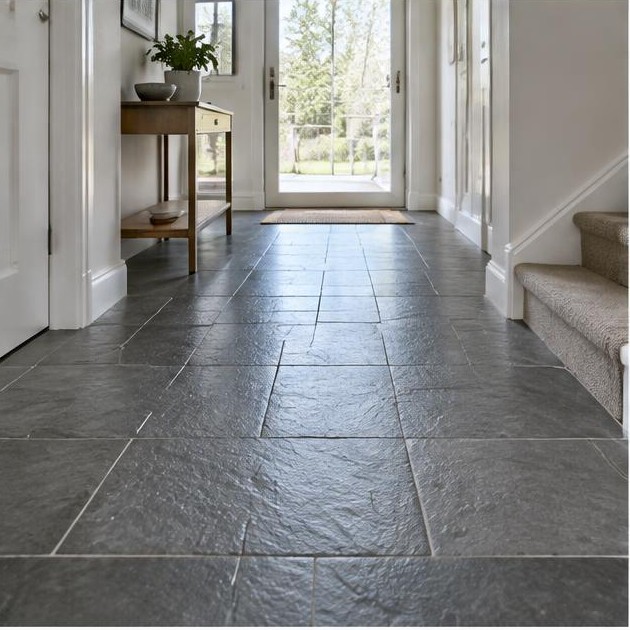
Slate is a sophisticated metamorphic rock that requires specific care to prevent scratching and chemical etching. Proper maintenance preserves its natural cleft texture and deep charcoal hues while ensuring structural longevity in your home. These guidelines focus on safe and effective preservation techniques.
Safe Debris Removal
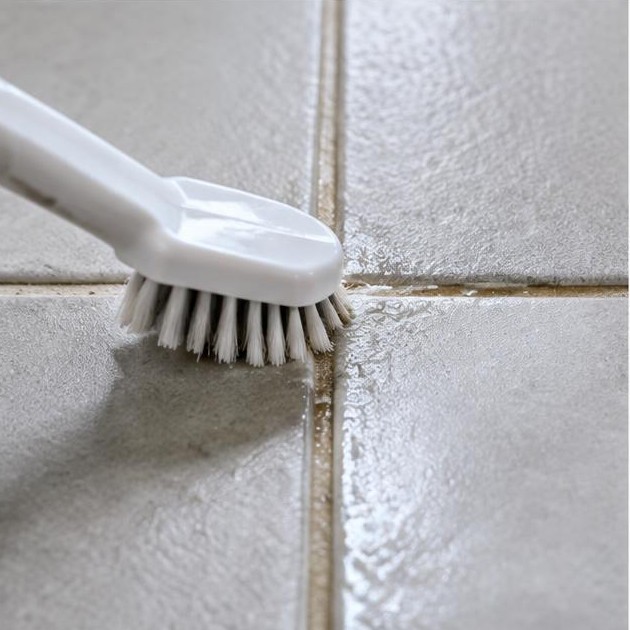
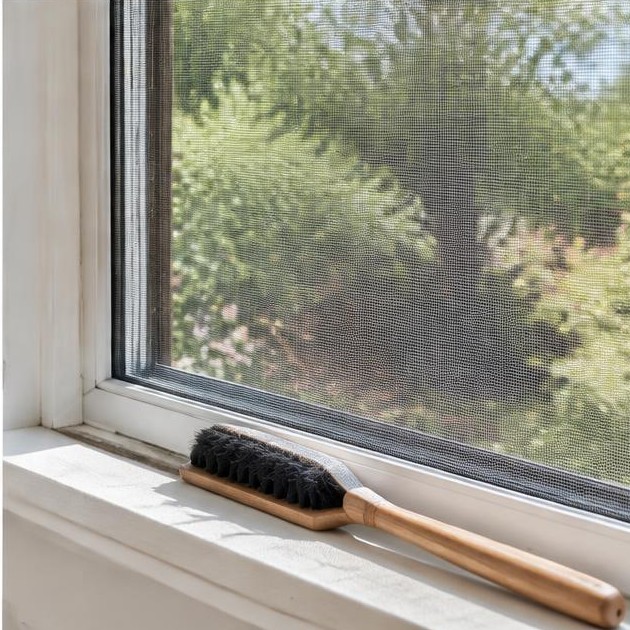
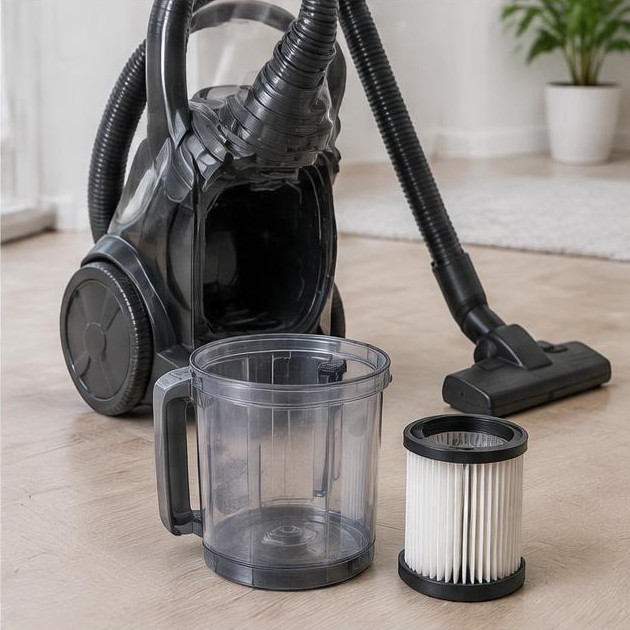
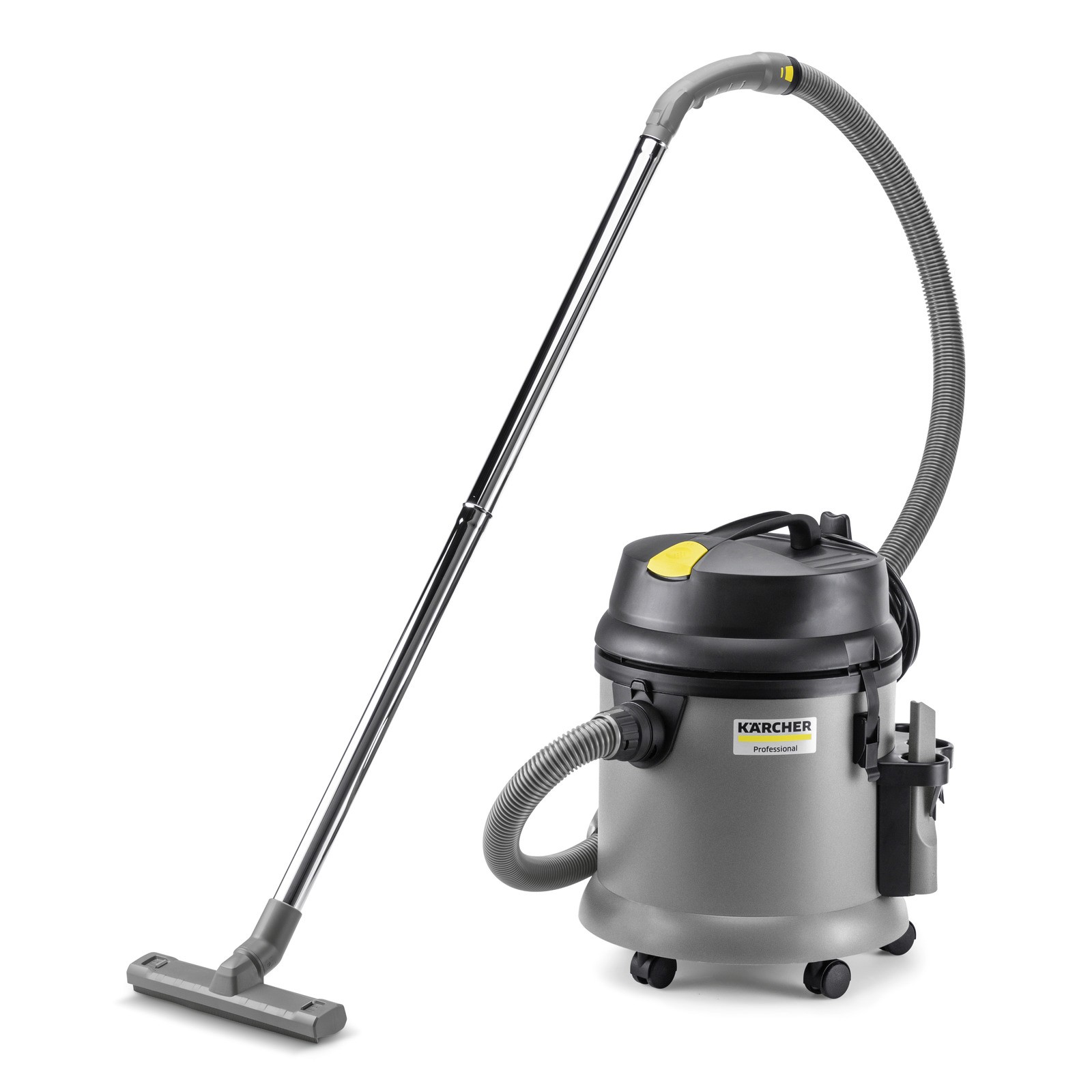
Regularly remove grit and sand which act as sandpaper underfoot. Use a soft-bristle broom or a vacuum cleaner with a dedicated hard-floor setting to prevent scratching the delicate surface layers of the stone. Ignoring small debris can lead to premature dulling of the slate's natural finish.
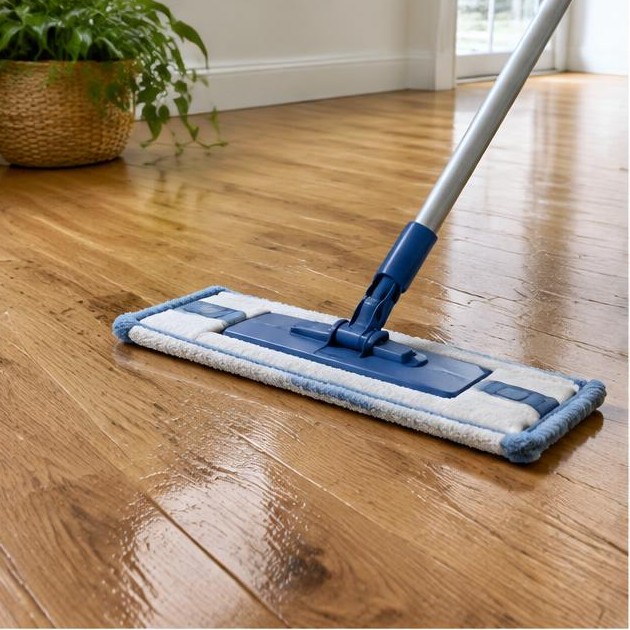
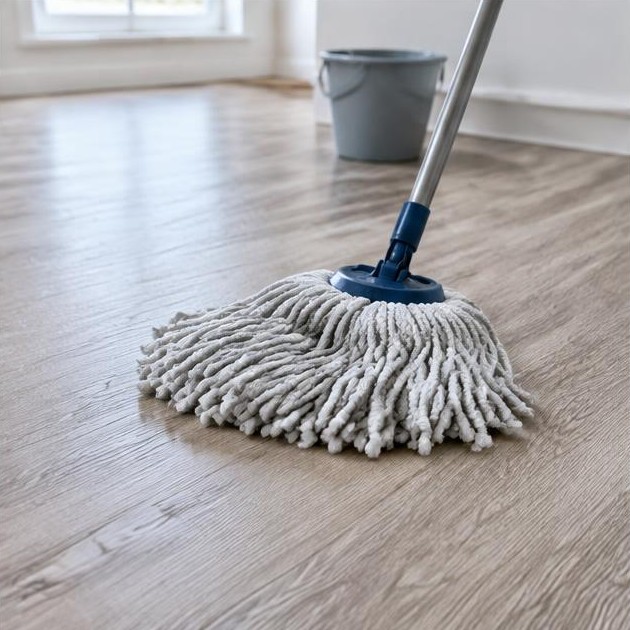
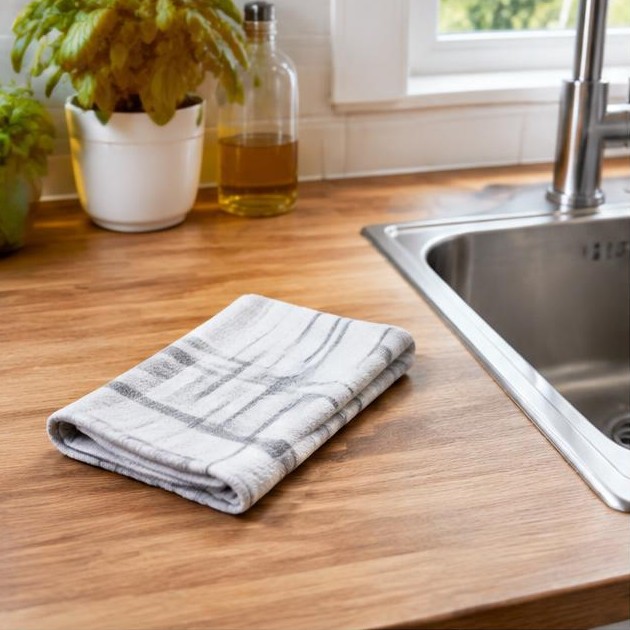
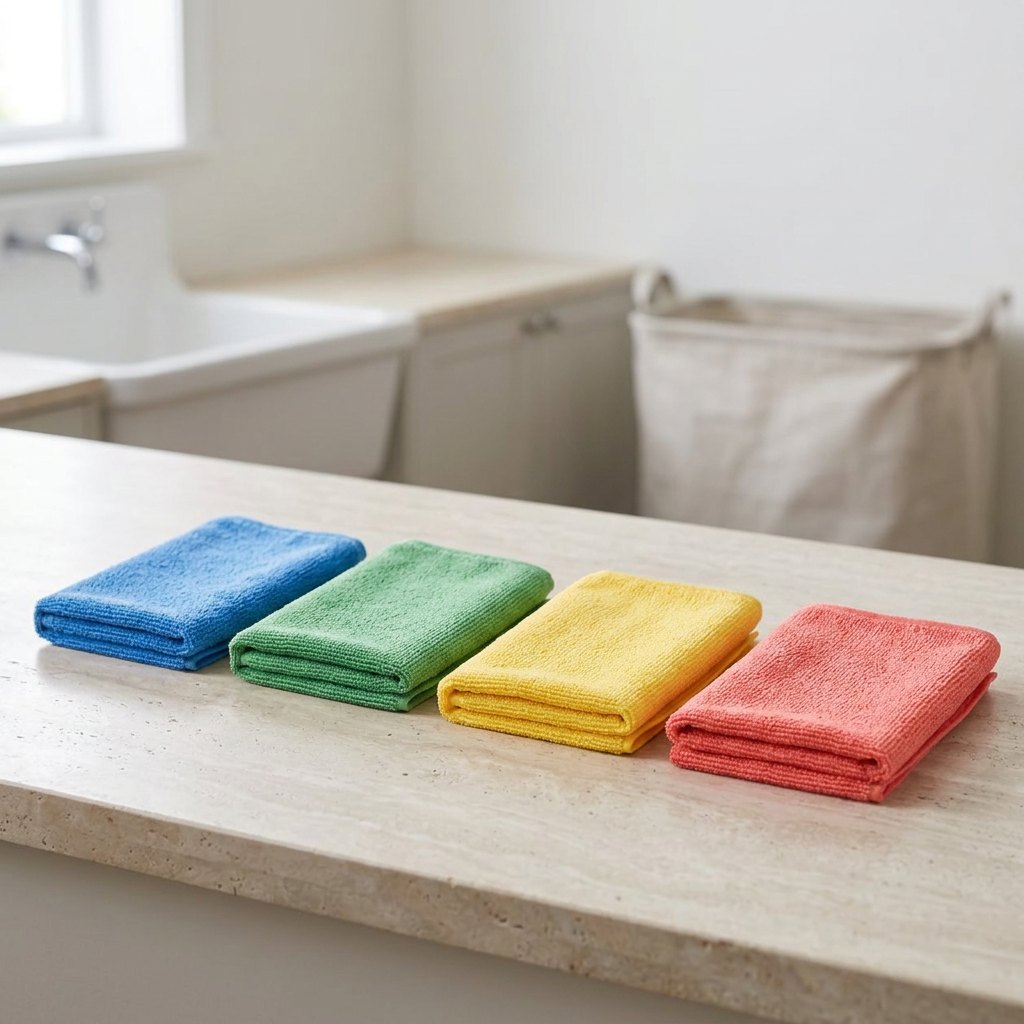
Mop with a damp, well-wrung microfiber cloth to lift surface dirt. Avoid saturating the floor with excessive water, as moisture can seep into the narrow gaps between tiles and potentially affect the adhesive or the stone's integrity if drainage is poor.
Selecting pH-Neutral Cleaners
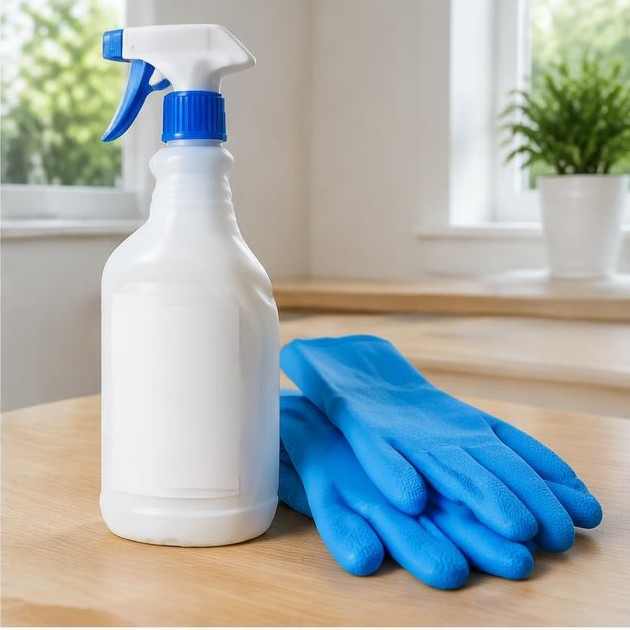
Acidic substances like vinegar, citrus, or commercial descalers will chemically react with the stone surface, leading to permanent etching. Stick to pH-neutral cleaners or specialized stone soaps to maintain the integrity of the minerals and keep the surface smooth.
Always rinse the floor with clean water after cleaning to remove any soapy residue that might attract more dirt or leave a cloudy film. Drying the surface with a soft towel helps prevent water spots and mineral buildup from hard tap water.
Maintaining the Protective Barrier
Since slate is naturally porous, applying a high-quality penetrating sealer is essential for preventing deep-seated stains. This barrier helps repel liquids and oils, providing a crucial window of time to clean up spills before they soak into the rock's layers.
Ensure the floor is completely clean and dry before applying any sealer. Always test the product on a small, hidden patch first to confirm compatibility. Follow the manufacturer’s instructions regarding reapplication frequency, as over-sealing can lead to a sticky, unattractive buildup.
When to Consult a Professional
If the slate appears dull despite regular cleaning, or if there is significant flaking known as spalling, stop DIY attempts immediately. Using power buffers or harsh scouring pads can permanently ruin the natural cleft surface of the slate tiles.
Seek a stone restoration expert for deep cracks or chemical burns that have altered the color of the stone. Professional honing or specialized cleaning may be required to restore the floor’s original character without causing further structural damage.
Treating your slate with gentle care and professional-grade products ensures a durable and elegant floor for decades to come.
Each home has its specifics. A first exchange helps understand your needs before any intervention.
Get in touchQuestion about this article? WhatsAppResources