Resources
Maintaining Pillows Based on Their Filling
Reading · 3 min
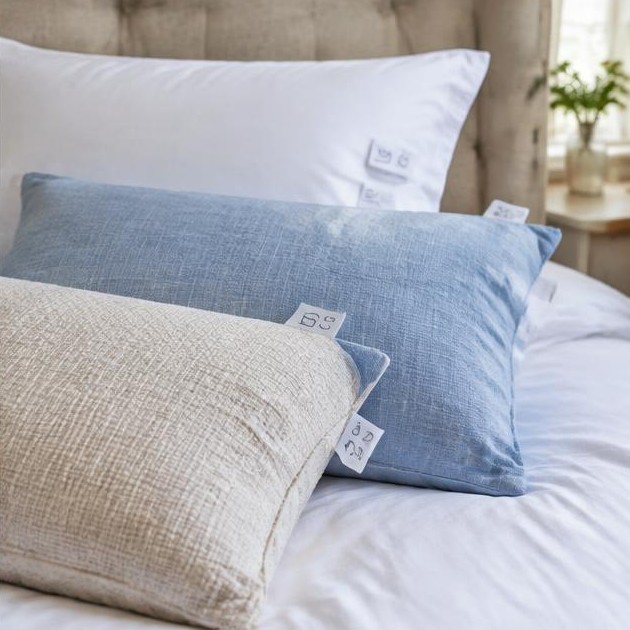
Pillows support the weight of the head daily and absorb significant nightly perspiration. Filling-specific maintenance is crucial to prevent premature sagging and maintain a healthy, allergen-free sleep environment for long-term well-being.
Synthetic and Fiber Pillows
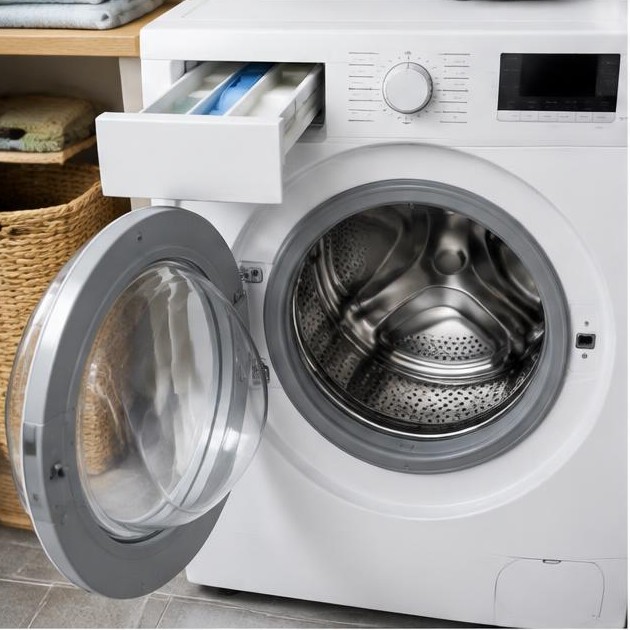
Polyester pillows are typically the easiest to maintain in a standard washing machine. Always wash them in pairs to balance the drum load and prevent excessive vibration during the spin cycle. Use a delicate 40°C cycle, which is the optimal temperature to eliminate dust mites without melting or damaging the internal synthetic fibers.
Tumble drying on a moderate heat setting is highly recommended to prevent the fibers from forming hard, irregular clumps. If the pillow emerges flat after a drying cycle, the fibers are likely broken or fused by excessive heat; in this case, cervical support is compromised, and the pillow should be replaced for ergonomic safety.
Natural Down and Feathers
Natural fillings require a very gentle, enzyme-free detergent to avoid stripping the natural protective oils from the feathers. Intensive rinsing is imperative to prevent feathers from sticking together once dry, which would permanently ruin the pillow's loft and its ability to regulate temperature effectively.
Drying must be extremely thorough, ideally using dryer balls to keep the material aerated. A damp feather will eventually develop mold and emit a persistent sour smell. Plump the pillow daily to circulate air through the filling and avoid sleeping with wet hair, which saturates the down with excessive moisture over time.
Memory Foam and Latex
Caution: memory foam or latex pillows must never be machine washed or submerged in water. Water destroys the delicate cellular structure of the foam, making it brittle or causing it to lose its viscoelastic pressure-relieving properties permanently, rendering the pillow ineffective.
For these specific models, only clean the removable protective cover according to the manufacturer's instructions. If the foam block itself is stained, dab very lightly with a damp cloth and neutral soap, then air dry in a shaded area. Never use a hair dryer or direct heat on foam, as it degrades the material's chemical integrity.
Signs of Wear and Replacement
Perform a resilience test: fold your pillow in half; if it doesn't instantly spring back to its original shape, the filling is structurally exhausted. Similarly, persistent yellow stains or a sour odor despite washing indicate a saturation of organic residues that can no longer be safely or hygienically treated at home.
If you experience neck pain or stiffness upon waking, do not attempt to add extra filling yourself. A pillow with broken support should be replaced every 2 to 3 years for both ergonomic and hygiene reasons. Never try to resew a pillow if the outer ticking is disintegrating, as the filling will continue to leak and harbor bacteria.
A well-maintained pillow, replaced at appropriate intervals, ensures restorative sleep and optimal cervical support.
Each home has its specifics. A first exchange helps understand your needs before any intervention.
Get in touchQuestion about this article? WhatsAppResources