Resources
Dusting a Library Without Damaging Books
Reading · 2 min

Dust buildup on book spines and edges is more than an aesthetic issue; it can lead to long-term paper degradation and mold growth. A systematic, gentle approach ensures your collection remains in pristine condition without risking mechanical damage to fragile bindings.
Dry Dusting Techniques
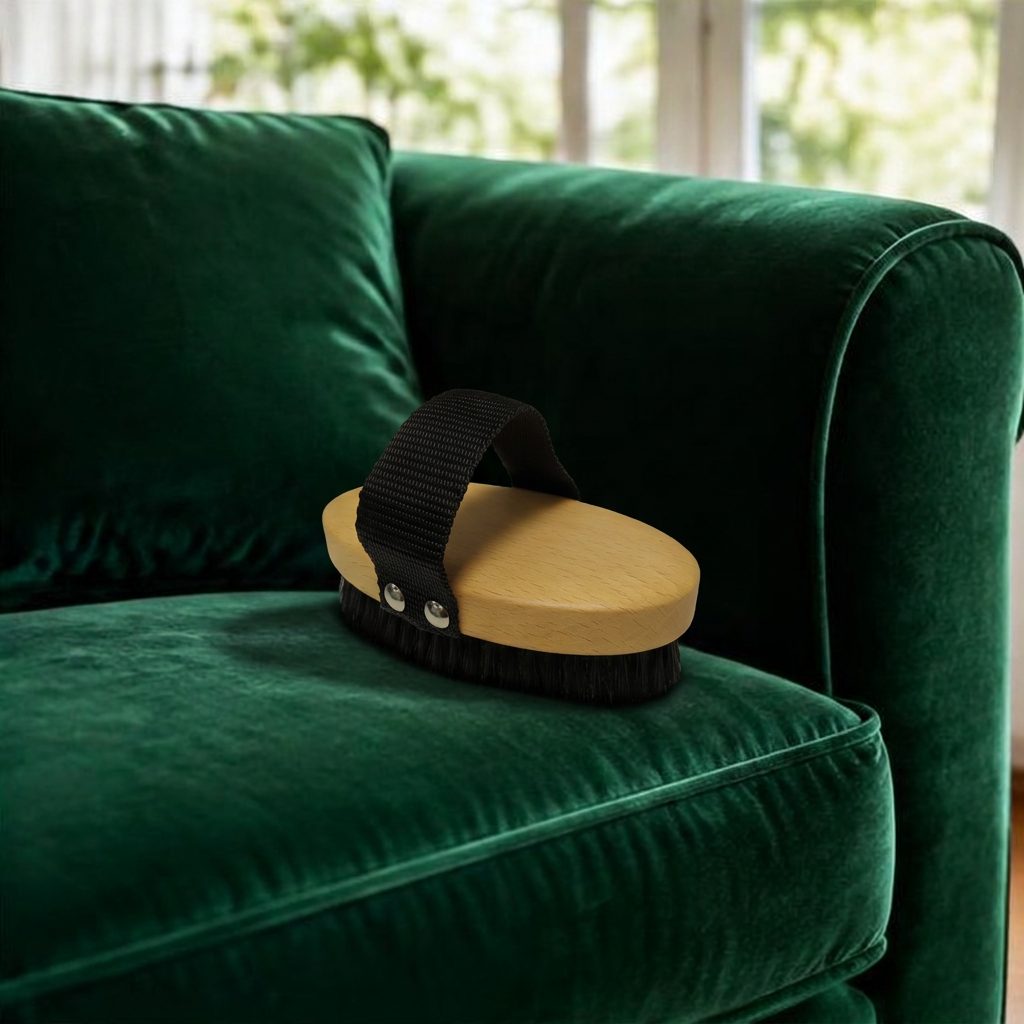
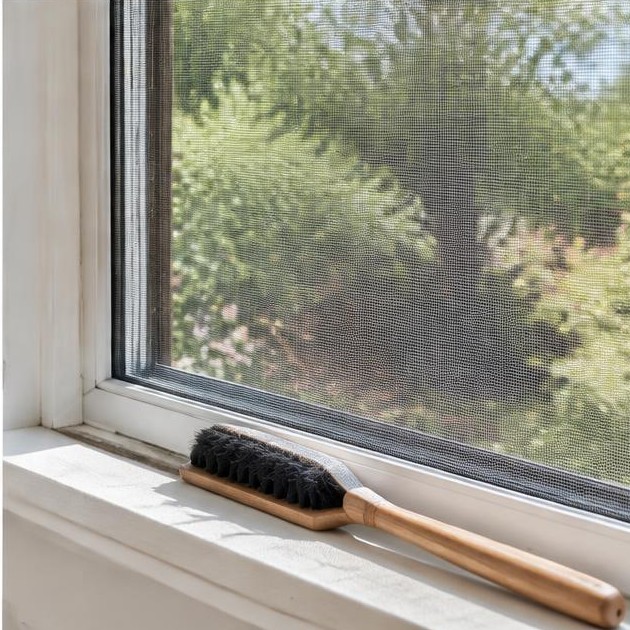
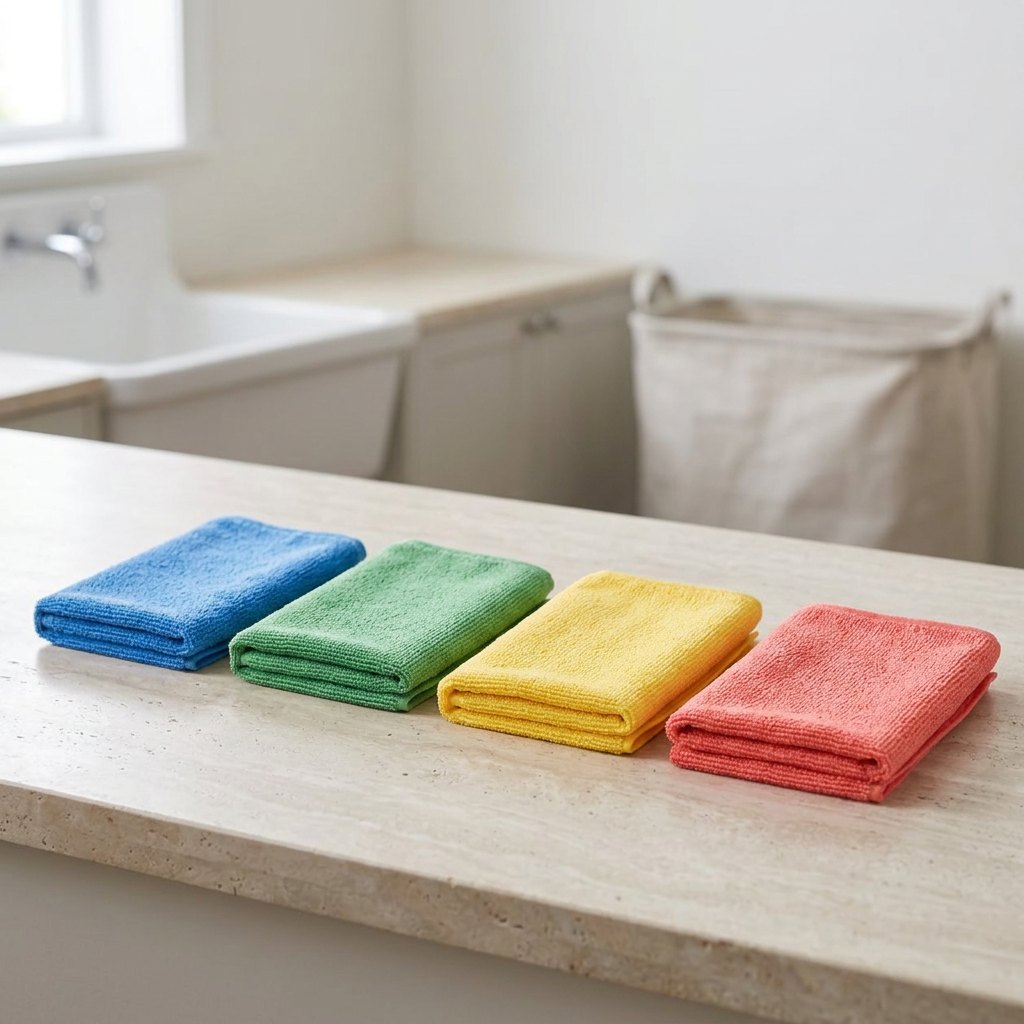
Always start cleaning from the top shelf and work downwards to prevent dust from settling on previously cleaned areas. Use a soft-bristled natural hair brush or a clean microfiber cloth to sweep dust away from the spine toward the front edge of the book in a controlled motion.
Hold the book tightly closed during the process to prevent dust particles from falling between the pages. Avoid using synthetic dusters or aggressive chemical sprays directly on the materials, as these can cause permanent staining, oily residues, or snagging on delicate cover textures.
Managing Top Edges
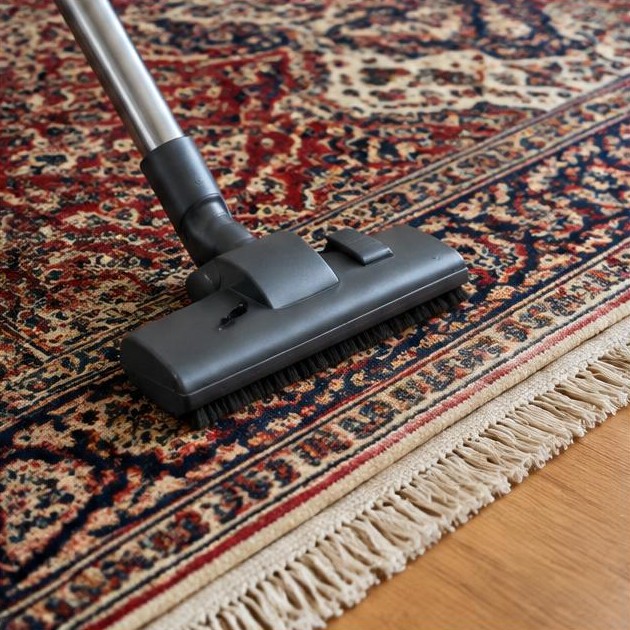
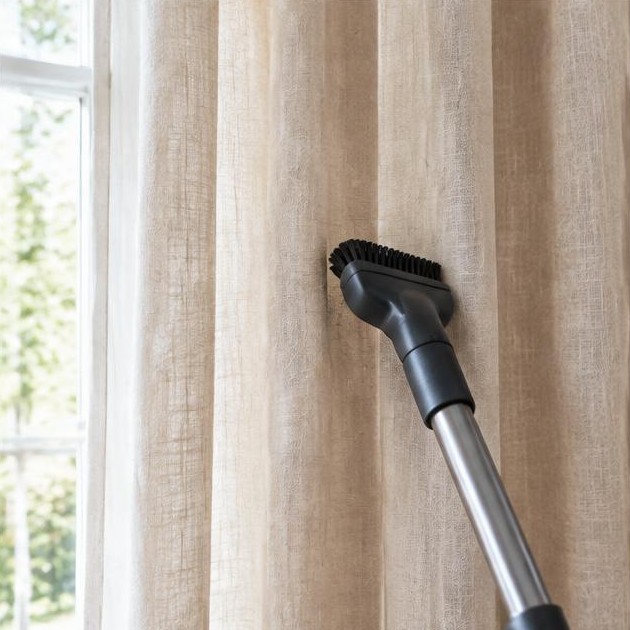
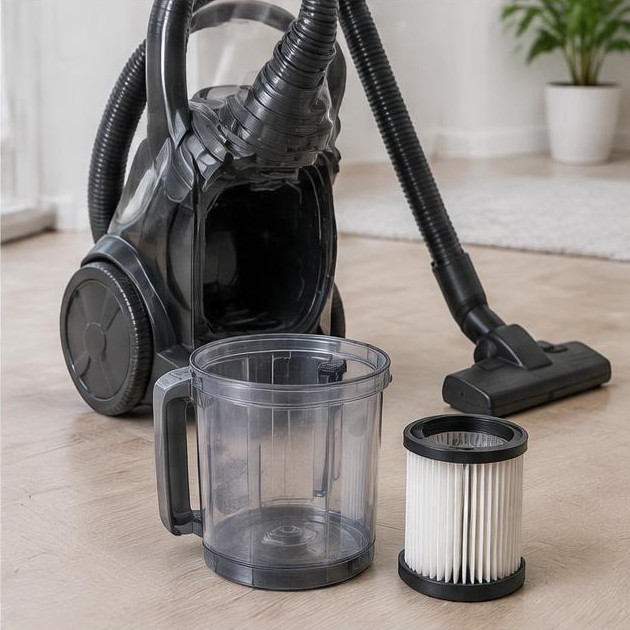
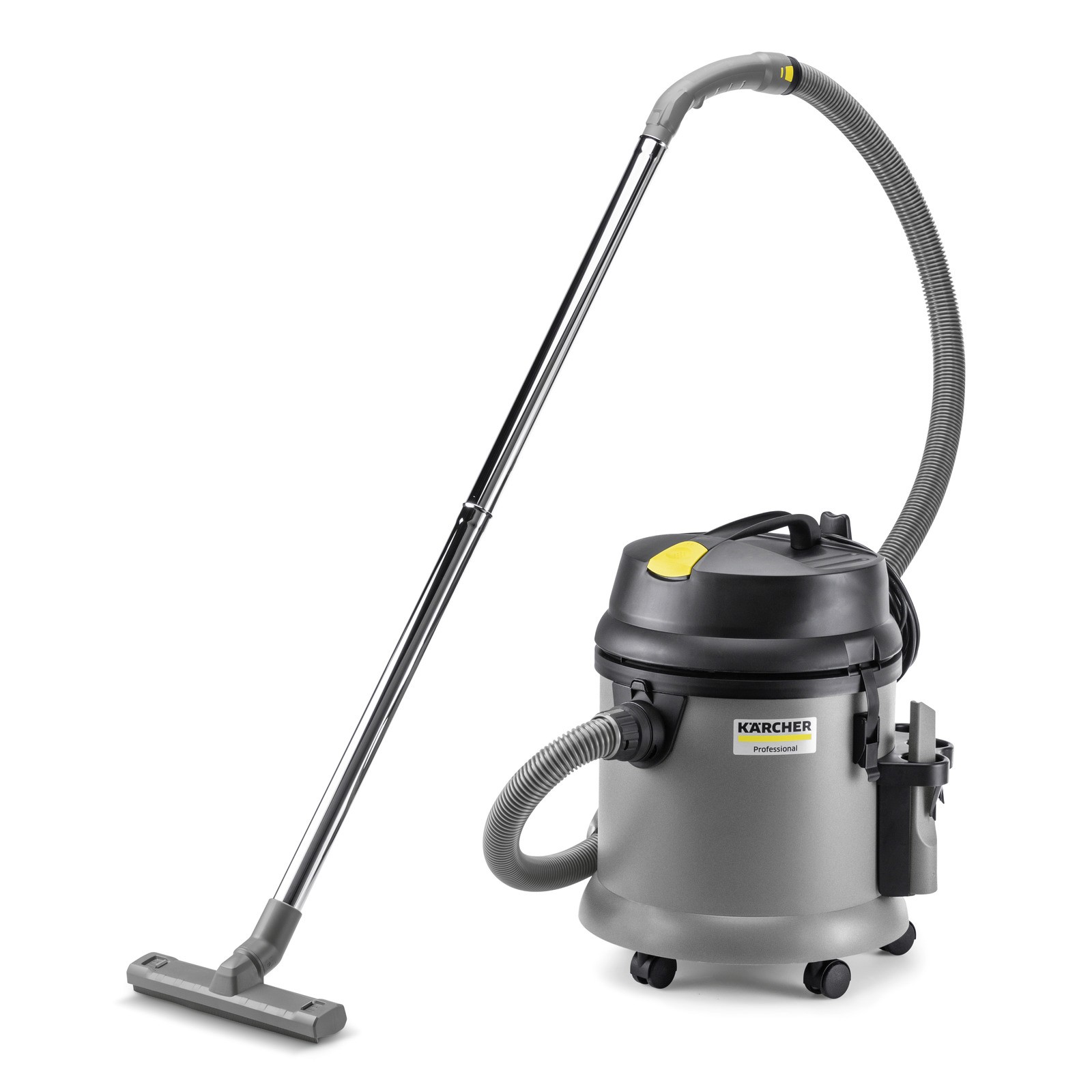
The top edge of the text block collects the most environmental debris. Use a vacuum cleaner equipped with a soft brush attachment on its lowest suction setting to carefully lift particles. Placing a piece of nylon mesh over the nozzle acts as a safety filter for loose paper fragments.
Always brush away from the spine to avoid pushing dust into the binding channel. Avoid using water or damp cloths directly on the paper edges, as moisture causes immediate swelling of the fibers and permanent warping of the text block that cannot be easily reversed.
Shelving Maintenance
Remove books in small sections to clean the underlying shelves thoroughly. Wipe wooden or metal surfaces with a barely damp cloth to capture fine particulates, and follow immediately with a dry lint-free towel to remove every trace of moisture before returning the books.
Wait at least fifteen minutes after cleaning to ensure the shelf surface is completely dry. Trapped humidity between a shelf and a book base is a primary catalyst for mildew growth and foxing, which manifests as brownish spots on the paper surface over time.
When to Consult a Conservator
Stop cleaning immediately if you notice signs of active pest infestation, such as small holes or fine wood dust, or powdery white residue on the covers. These issues require specialized professional treatment that standard household cleaning methods cannot safely resolve.
Do not attempt to repair torn pages or detached spines with household adhesive tapes or glues, as these are often acidic and cause permanent damage. For valuable or antique editions, professional conservation is the only safe way to address structural failures or biological contamination.
Routine, gentle dusting is the most effective way to preserve the history held within your library and protect your investment for future generations.
Each home has its specifics. A first exchange helps understand your needs before any intervention.
Get in touchQuestion about this article? WhatsAppResources