Resources
Drying and Storing Outdoor Cushions
Reading · 2 min
Persistent moisture is the primary enemy of garden textiles, promoting the growth of microorganisms. Methodical drying before winter storage is essential to preserve their comfort and appearance for all types of padding.
Effective Vertical Drainage
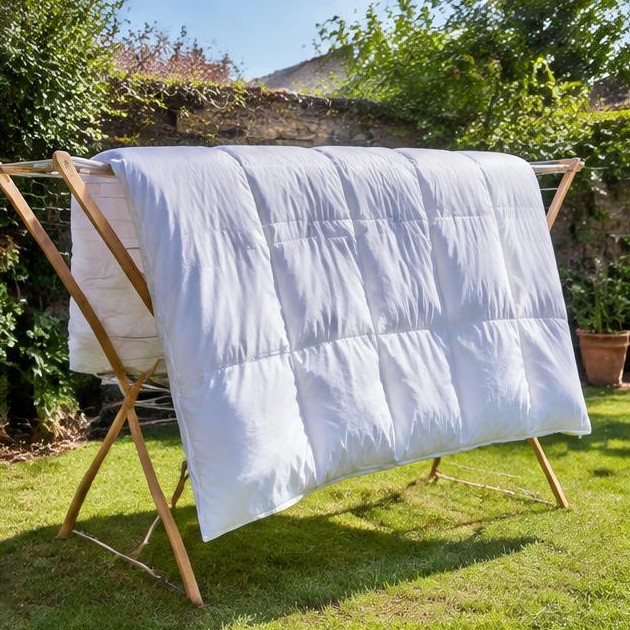
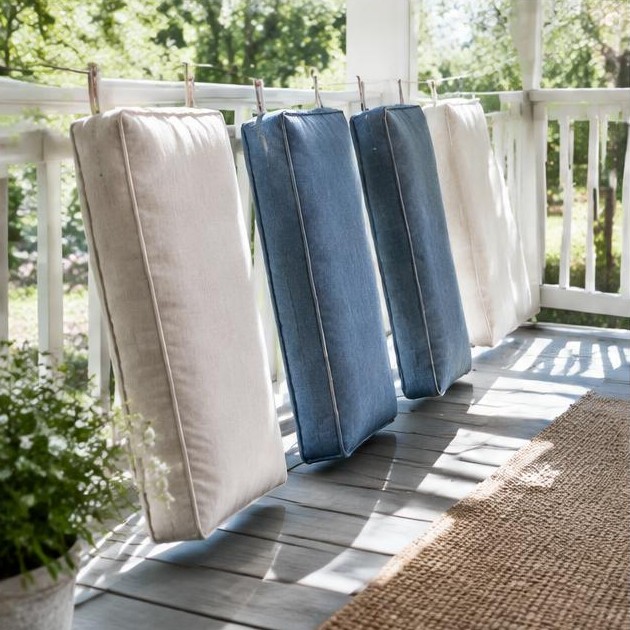
Position cushions on their side, ideally on a raised surface that allows airflow from underneath. Avoid stacking them or leaving them flat on the ground, as water will settle in the center of the fibers through capillary action, unnecessarily prolonging drying time.
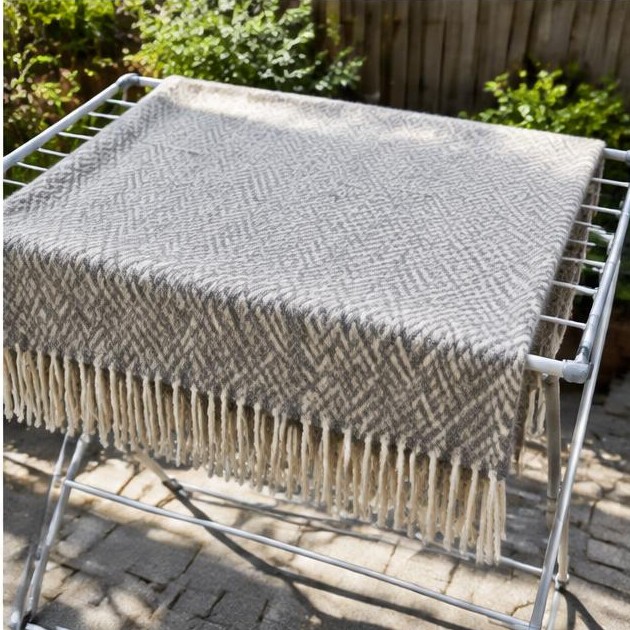
Drying should take place in the shade or a ventilated area like a covered porch. Direct exposure to harsh sunlight can fade technical fabrics and weaken polymer zippers over time, ultimately reducing the lifespan of your outdoor furniture.
Seam and Corner Inspection
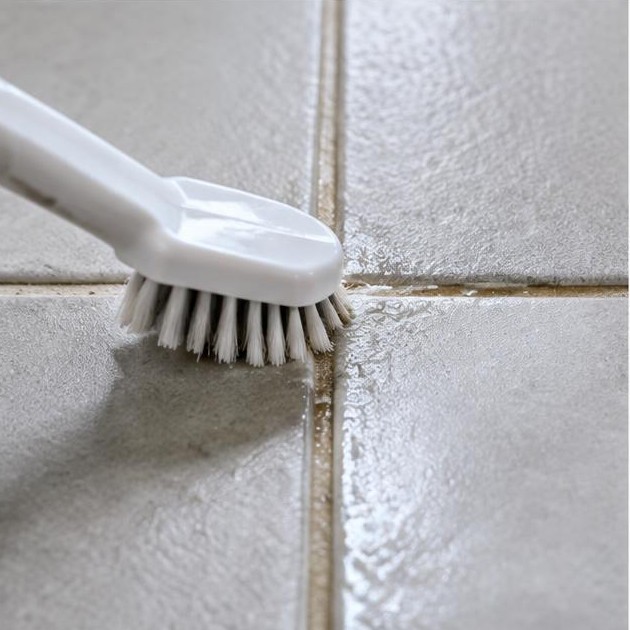
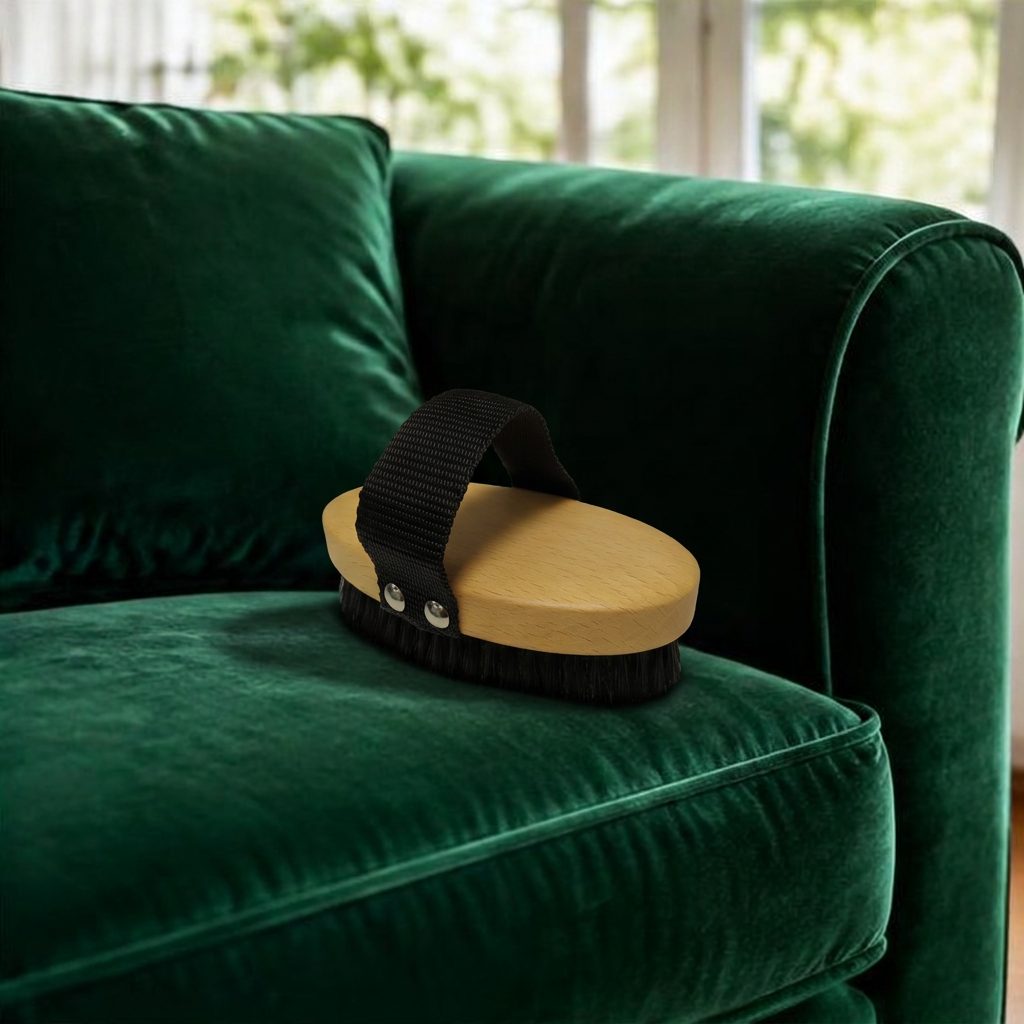
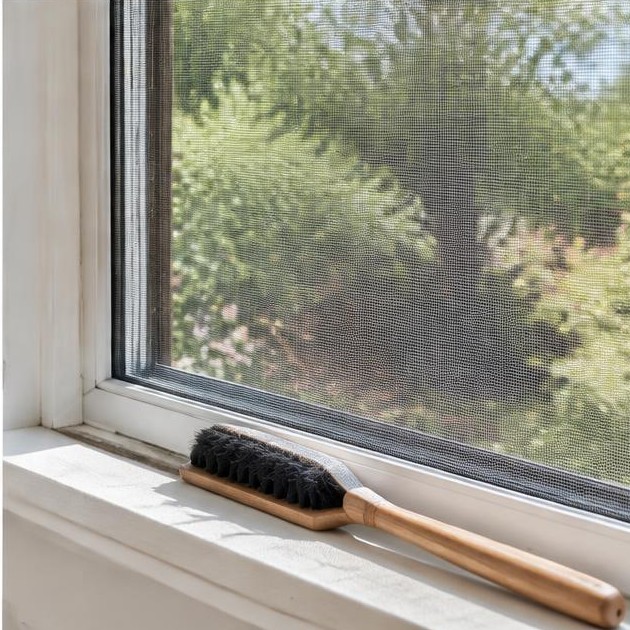
Scrupulously check the piping folds and corners where plant debris and moisture often accumulate. Gently brush away dry residues using only a soft-bristled brush, taking care not to spread the weave of the fabric fibers during the process.
Never store a cushion that feels dry on the surface but whose padding remains cold to the touch. Residual internal moisture guarantees the development of irreversible mildew, which compromises the structural integrity of the foam or synthetic filling.
Optimal Storage Methods
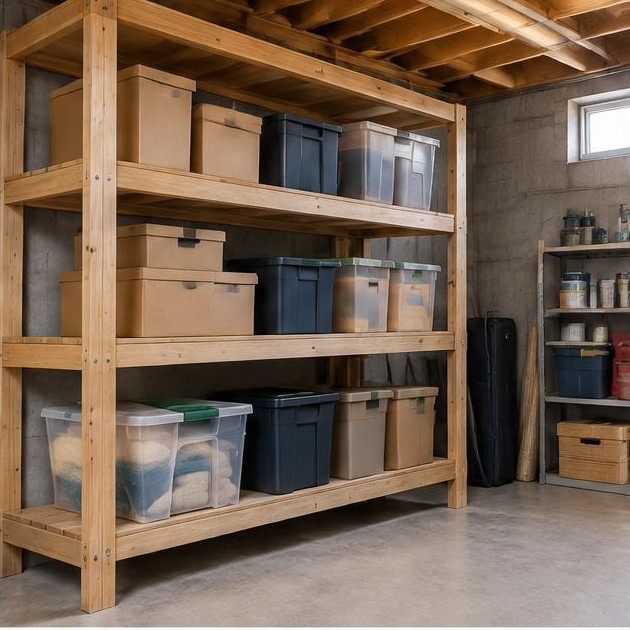
Use breathable fabric covers rather than airtight plastic bags which trap condensation and lead to musty odors. Storage must be in a dry, temperate location protected from rodents to prevent the fibers from being used as nesting material.
Ensure you do not excessively compress foam fillings to prevent permanent fiber deformation during the long months of winter disuse. Prolonged compression can break down foam cells, preventing the cushion from regaining its original loft.
Maintenance Limits
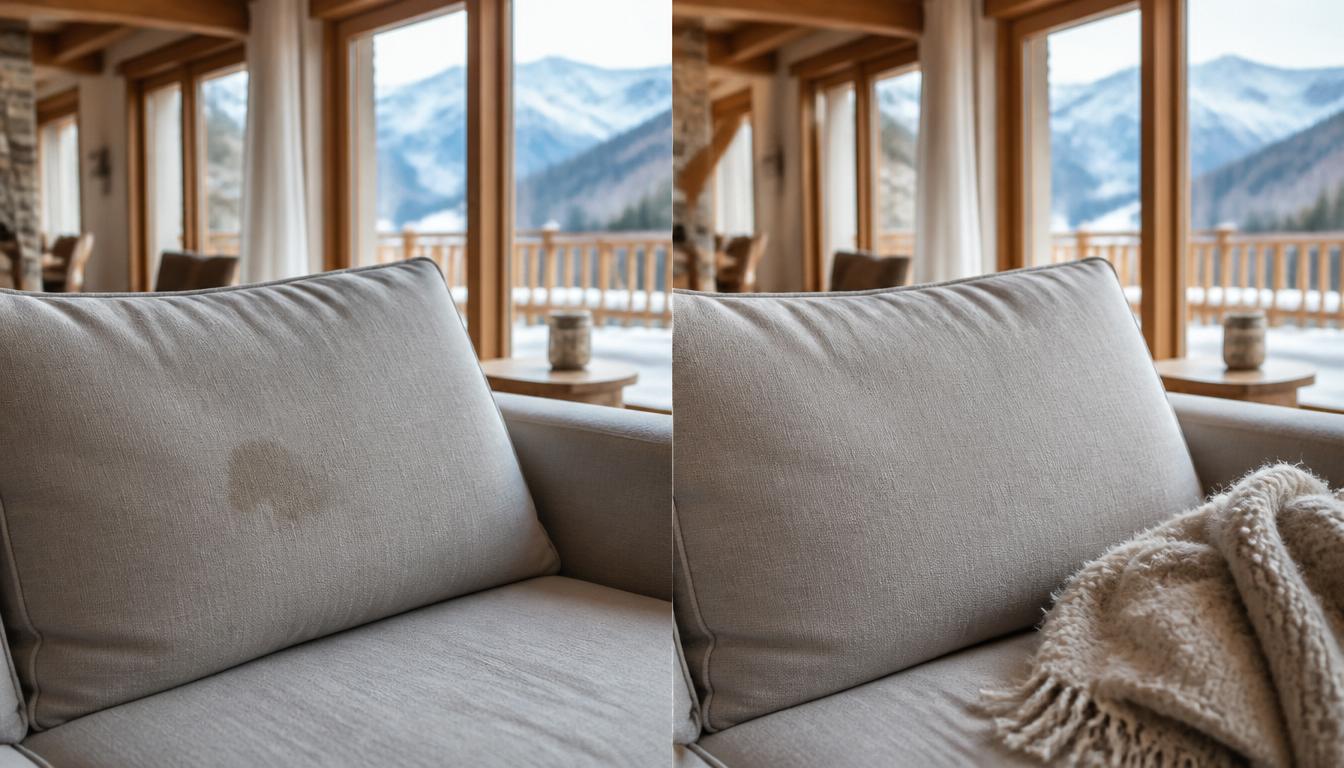
If dark embedded spots appear or an earthy smell persists despite drying, the fabric is likely compromised by fungi. Do not attempt high-temperature machine washing without checking the label, as this could cause the cover to shrink significantly.
For down fillings or specific memory foams, professional cleaning is required if moisture has reached the core of the material. These components require industrial drying cycles to prevent the clumping of internal fibers.
Patient drying and consistent ventilation ensure the longevity of your patio furniture for the next season.
Each home has its specifics. A first exchange helps understand your needs before any intervention.
Get in touchQuestion about this article? WhatsAppResources