Resources
Keeping a Stainless Steel Sink Scratch-Free
Reading · 2 min
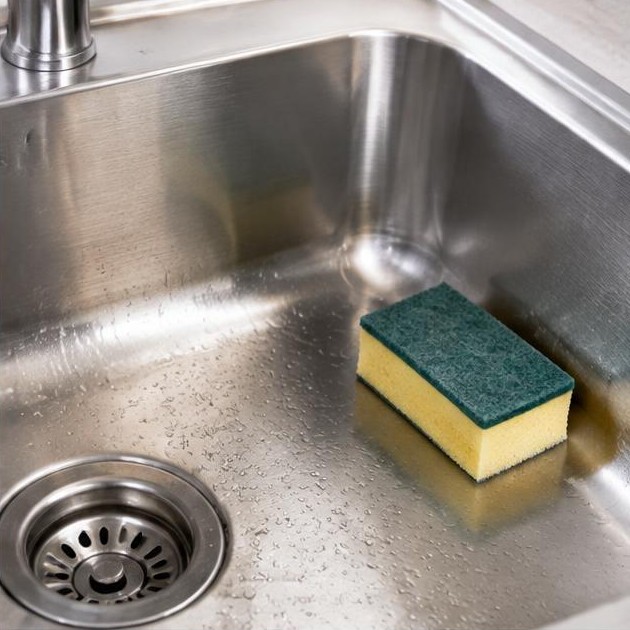
Stainless steel is the definitive standard for kitchen hygiene due to its non-porous and durable surface. To maintain its original satin or brushed shine, it is essential to adopt cleaning methods that prevent deep abrasion and the buildup of mineral deposits from hard water.
Cleaning with the Grain
Use a soft, non-abrasive sponge with a pH-neutral dish soap. Always identify the direction of the grain (the factory brushed finish) and scrub parallel to it. This technique helps mask natural micro-wear and ensures that the light reflects uniformly across the entire surface of the sink.
Rinse the basin thoroughly with fresh water after each use to remove salts, coffee residues, and food acids. If left to sit, these common substances can attack the steel's passive protective layer and cause micro-pitting, which eventually leads to localized corrosion spots.
Combating Limescale Buildup
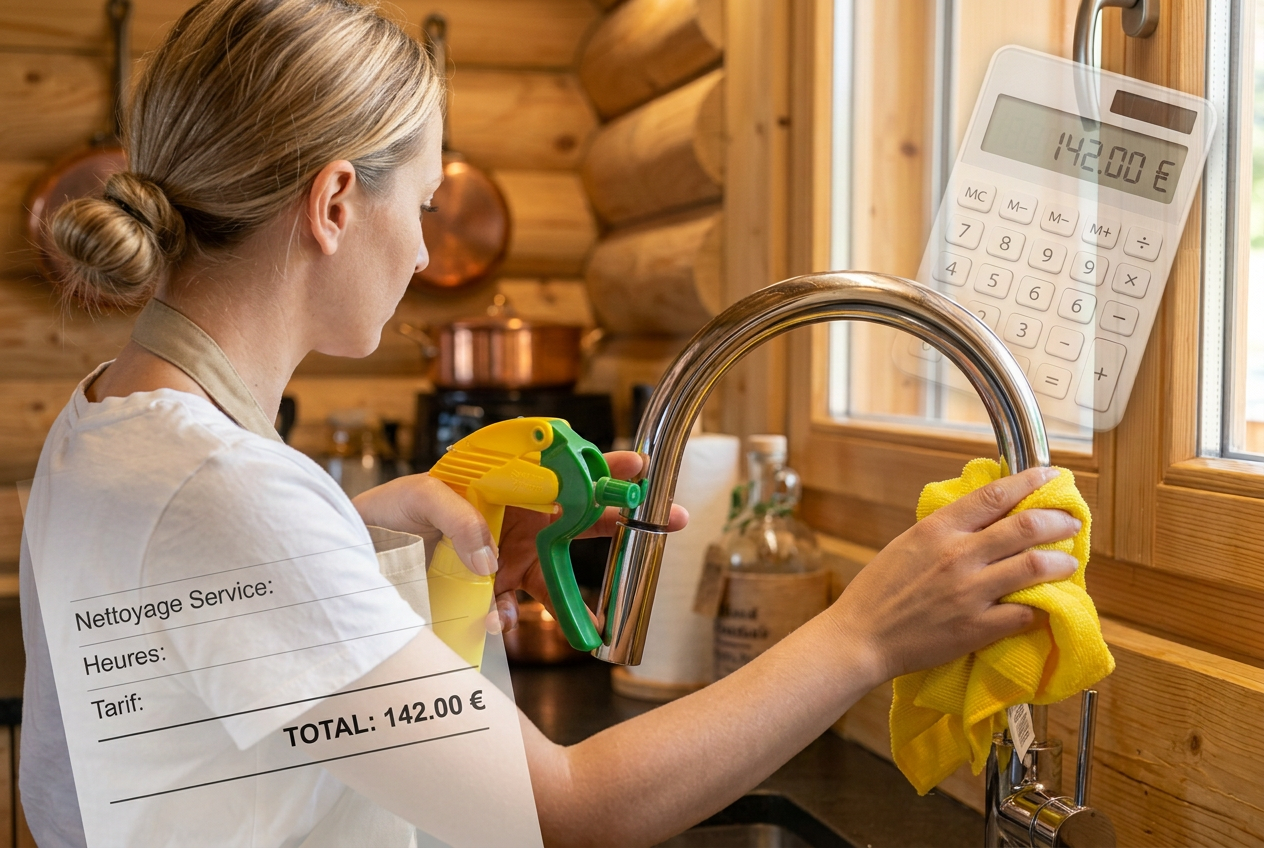
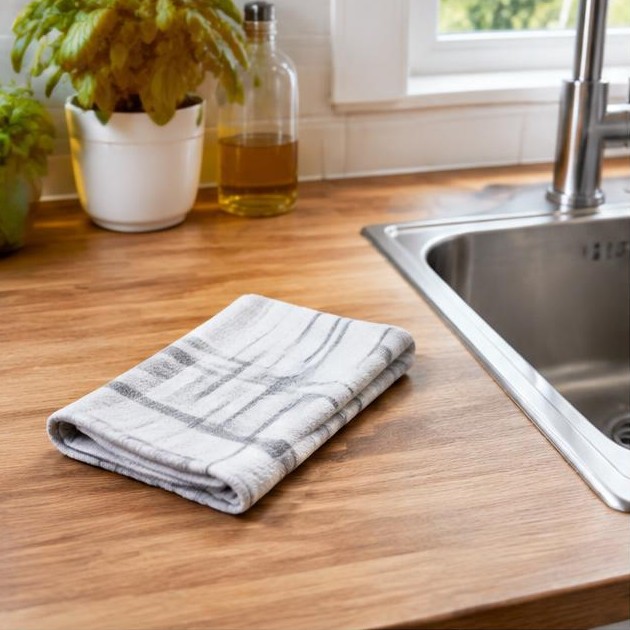
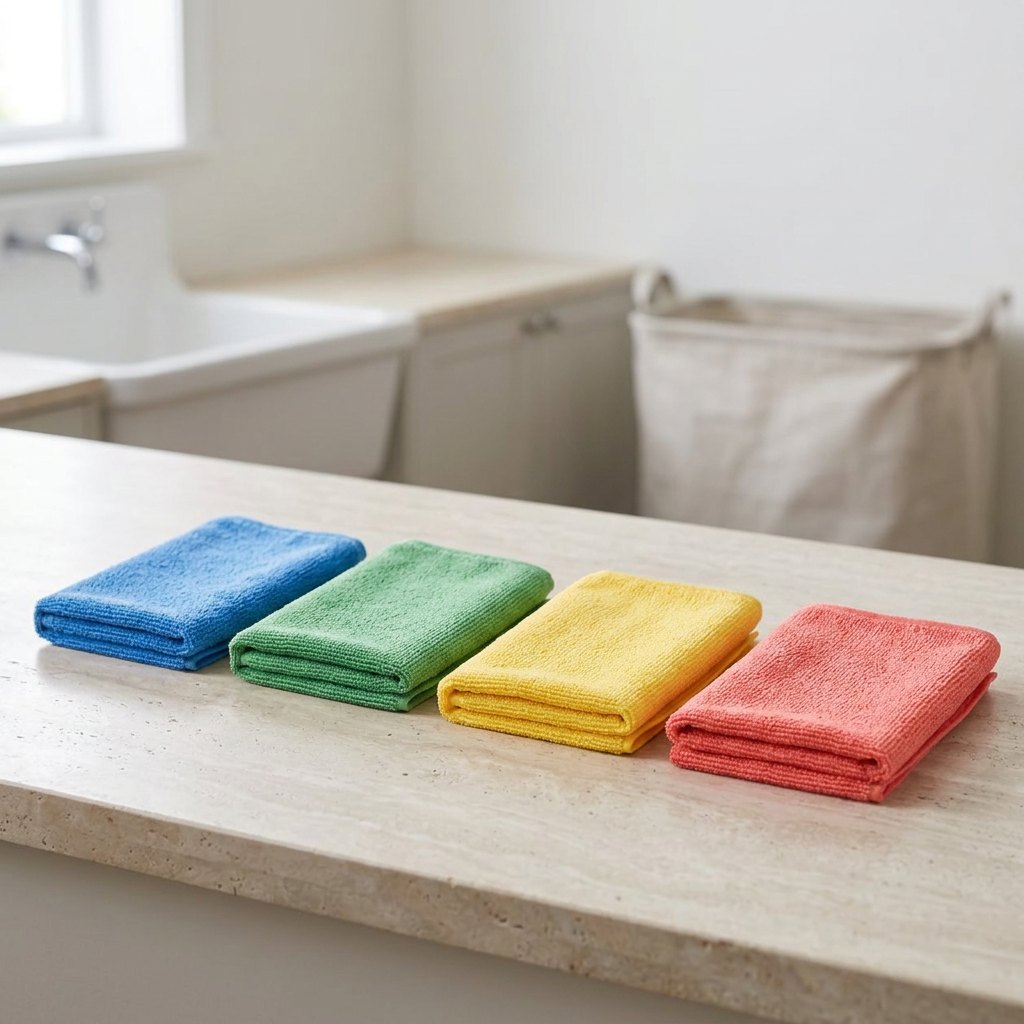
To remove white limescale marks without scratching the metal, use a solution of white vinegar diluted with equal parts water. Apply to the affected areas, let it sit for two to three minutes, rinse thoroughly, and most importantly, dry the surface with a soft, clean microfiber cloth.
Drying is the most critical step in stainless steel maintenance. Standing water leaves behind mineral deposits as it evaporates; these deposits not only dull the shine but also create a rough surface where bacteria and grease can easily accumulate and thrive.
Chemical Dangers and Forbidden Tools
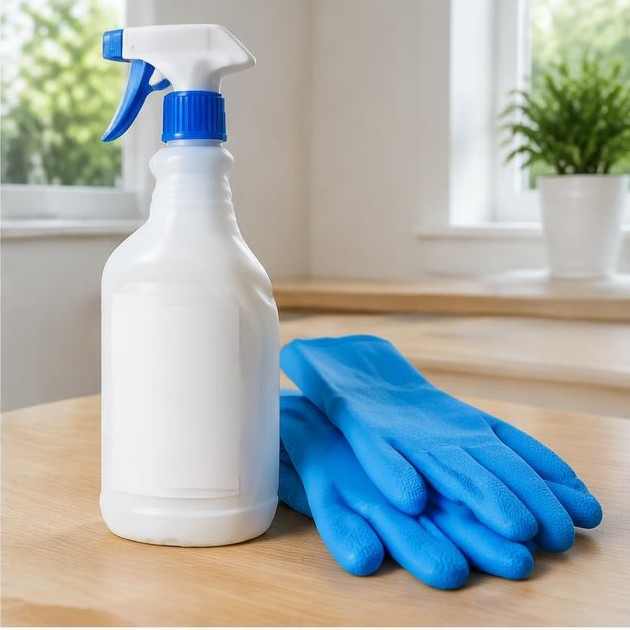
Never leave concentrated bleach or chlorinated cleaners in prolonged contact with stainless steel, as they cause irreversible pitting corrosion. Never mix acidic descalers with other cleaning agents, as this can cause dangerous chemical reactions or permanently etch the metal surface.
Strictly ban the use of steel wool, wire brushes, and coarse scouring powders. These aggressive tools create deep scratches that compromise the metal's protective chromium oxide layer and create crevices that are impossible to keep clean using standard sanitary methods.
Maintenance Limits and Safety
If rust spots appear, they are usually caused by external ferrous contamination (such as cast iron pans or steel cans left in the sink). Use a specific stainless steel polishing paste to restore the passive protective layer and safely remove these surface oxidation marks.
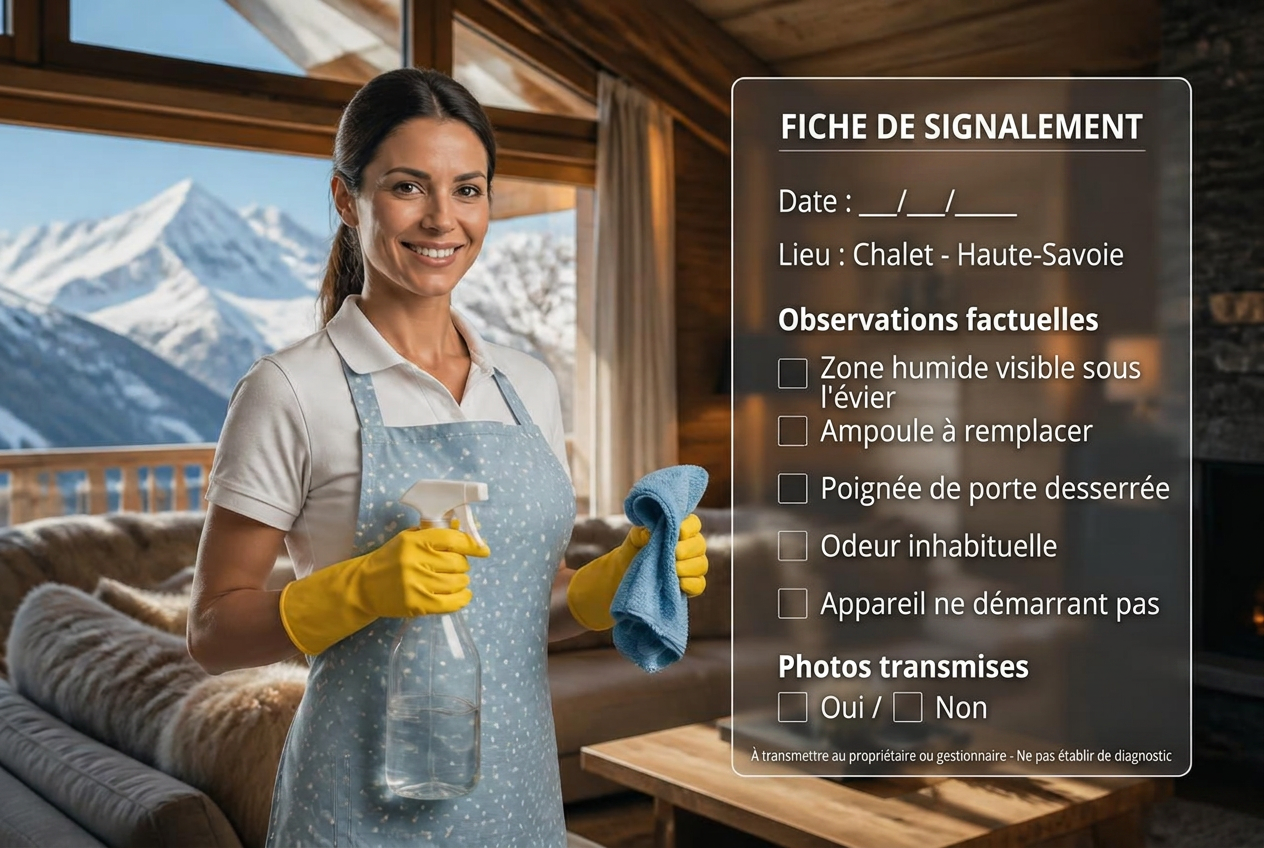
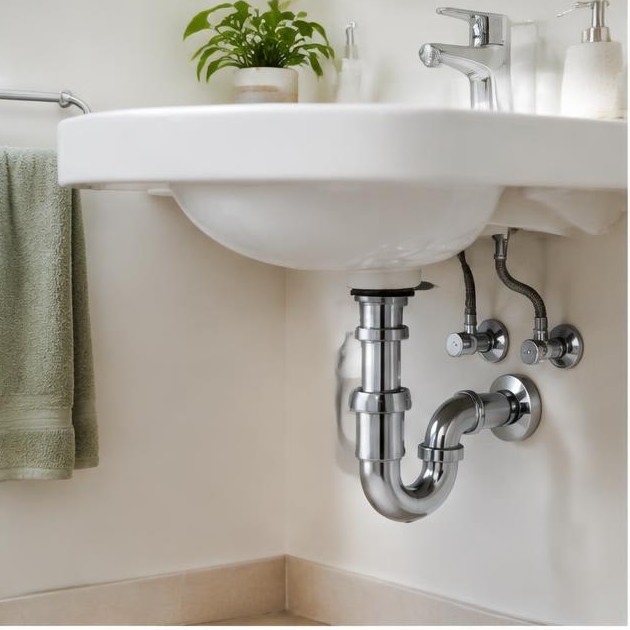
Stop using the sink if you notice a persistent leak at the drain flange, siphon, or silicone seals. While the stainless steel itself is waterproof, the underlying fasteners and the support cabinet are vulnerable to structural damage from prolonged water infiltration.
A clean and dry stainless steel surface remains the most hygienic and durable choice for a professional-grade kitchen.
Each home has its specifics. A first exchange helps understand your needs before any intervention.
Get in touchQuestion about this article? WhatsAppResources