Resources
Maintaining a mattress without soaking the core
Reading · 2 min

Proper mattress care is vital for long-term sleep hygiene and structural longevity. Since excess moisture is the primary enemy of internal components like foam and springs, this guide focuses on dry maintenance and localized surface techniques to ensure optimal results.
Dry odor neutralization techniques
Sprinkle a thin, even layer of technical-grade baking soda across the entire mattress surface. This mineral compound effectively neutralizes odors and absorbs residual moisture trapped within the fabric fibers without damaging the sensitive internal support structures of the bed.
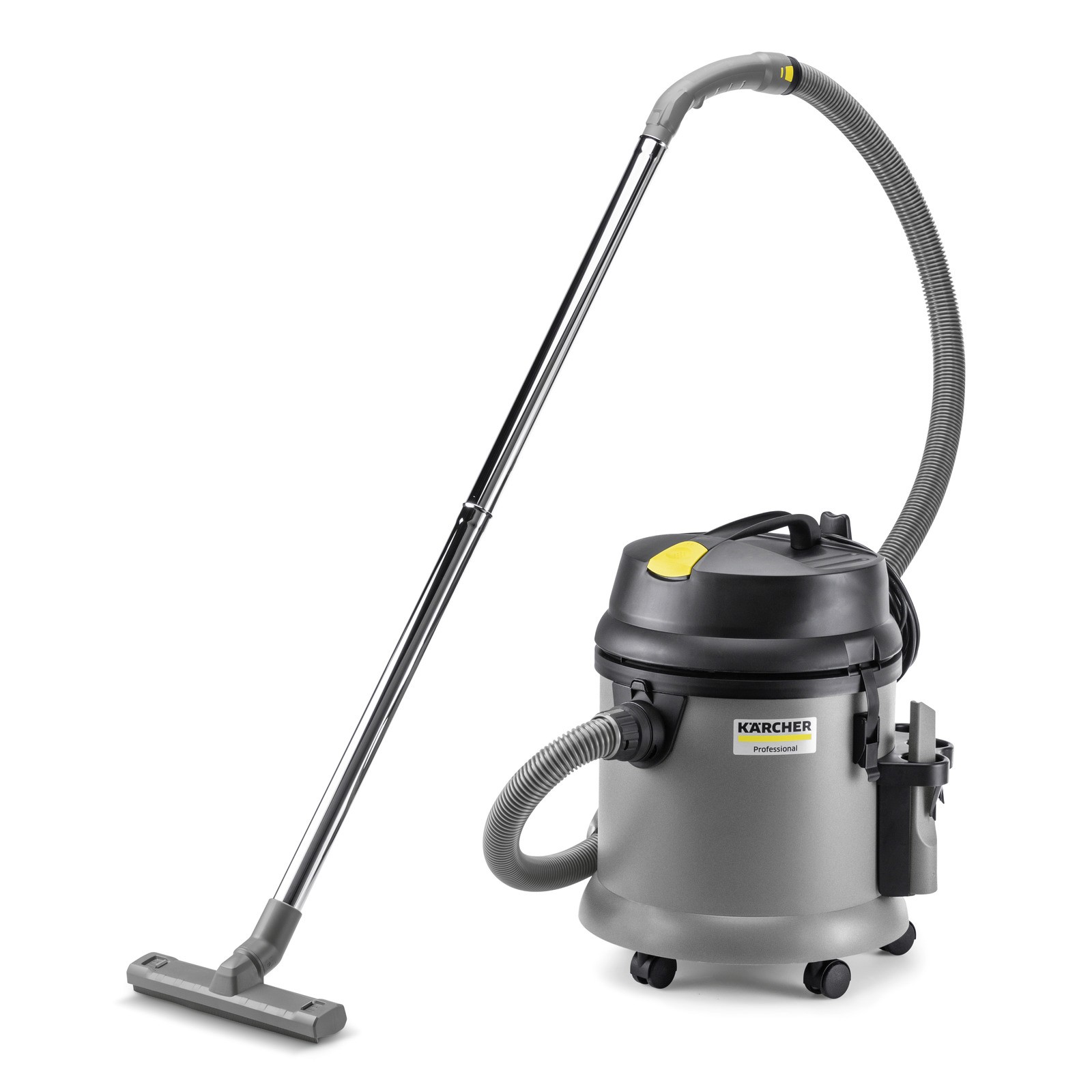
Allow the powder to sit for at least four hours before vacuuming thoroughly. Always use a dedicated, clean upholstery attachment to ensure no external dirt or allergens are introduced to the sleeping surface during the removal process, paying close attention to seams and tufts.
Safe spot cleaning and drying
For specific stains, always test your cleaning agent on a hidden area first. Use a damp cloth with a minimal amount of mild, pH-neutral soap, dabbing gently from the edges toward the center. Never pour liquids directly onto the mattress, as deep saturation leads to internal rot and structural degradation.
Never mix different cleaning chemicals, particularly bleach and ammonia, as this creates hazardous fumes. Ensure the mattress is completely dry by allowing natural air circulation before replacing linens to prevent trapped humidity and potential skin irritation or mold growth.
Strategic aeration and heat management
Open windows daily to allow natural air circulation and indirect sunlight to reach the mattress surface. This process reduces the humidity levels that naturally accumulate overnight and helps maintain the integrity of natural fillings like wool or cotton by preventing fiber compaction.
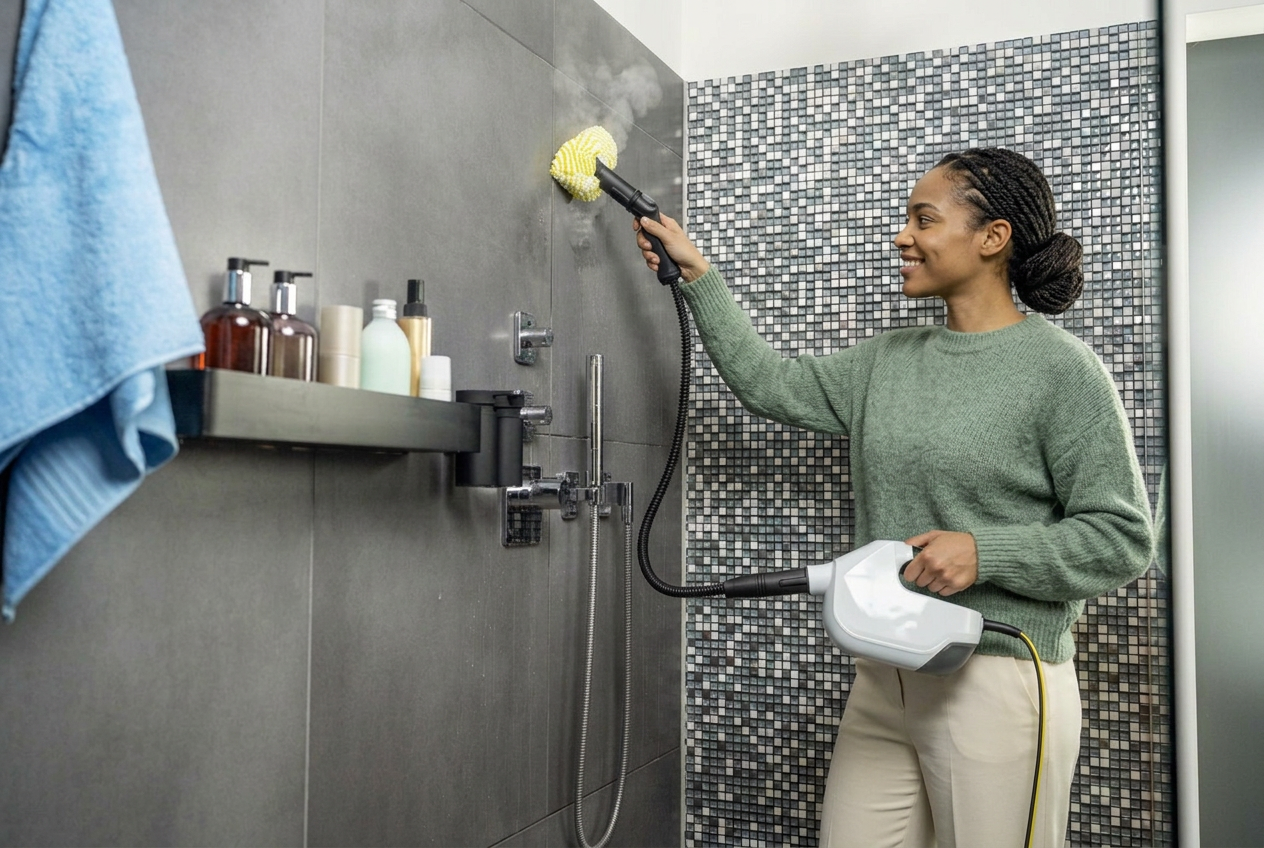
Avoid using high-temperature steam cleaners, especially on memory foam or latex mattresses. The intense heat can break down the chemical bonds of the foam, permanently destroying the supportive qualities of the material and causing it to lose its ability to contour to your body.
Identifying structural failure signs
Stop cleaning attempts if you notice persistent damp smells, visible sagging, or significant lumps in the support layers. These are indicators of deep-seated mold or structural fatigue that no surface treatment can rectify effectively, signaling that the mattress has reached the end of its life.
If the mattress displays significant wear or if hygiene issues persist after thorough dry cleaning, consult a bedding specialist. Professional advice is necessary for suspected pest infestations or major damage, rather than attempting heavy-duty chemical restoration which may damage the mattress further.
Consistency in dry cleaning methods and daily aeration ensures a healthy sleep environment and extends your mattress's functional lifespan.
Each home has its specifics. A first exchange helps understand your needs before any intervention.
Get in touchQuestion about this article? WhatsAppResources