Resources
Maintaining and Protecting Antique Terracotta Tiles
Reading · 3 min
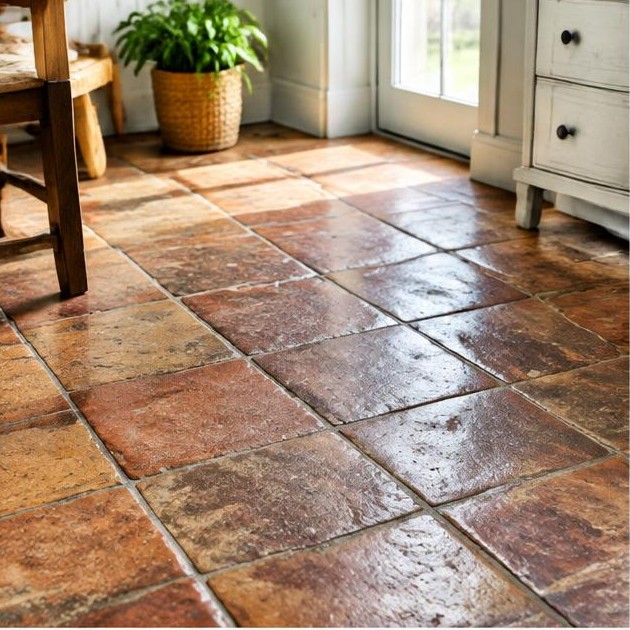
As a noble and naturally porous material, terracotta tiles require a methodical approach to preserve their patina without becoming clogged. Improper cleaning can alter the mineral structure of the clay, which is why it is essential to use neutral products and respect drying times to maintain the authenticity of this traditional flooring.
Dusting and Surface Preparation
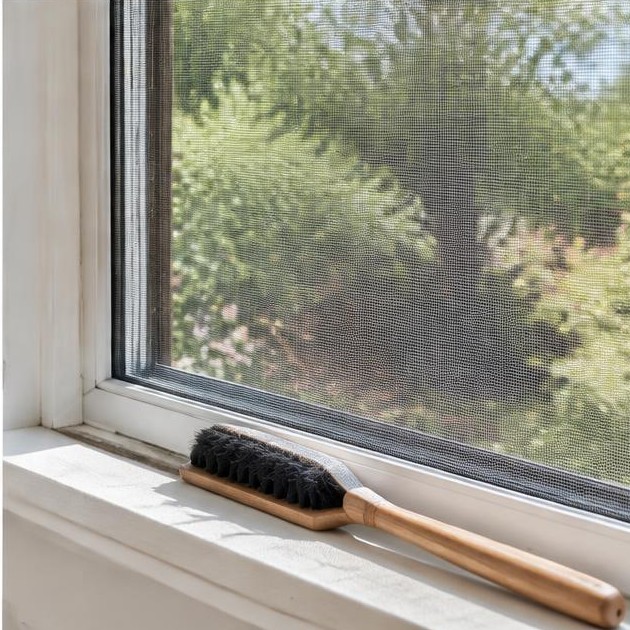
The first essential step consists of a meticulous sweeping with a soft-bristled brush. This action extracts dust and fine particles nestled within the natural irregularities of the terracotta. Removing abrasive elements beforehand is crucial to prevent micro-scratches during subsequent wet cleaning phases.
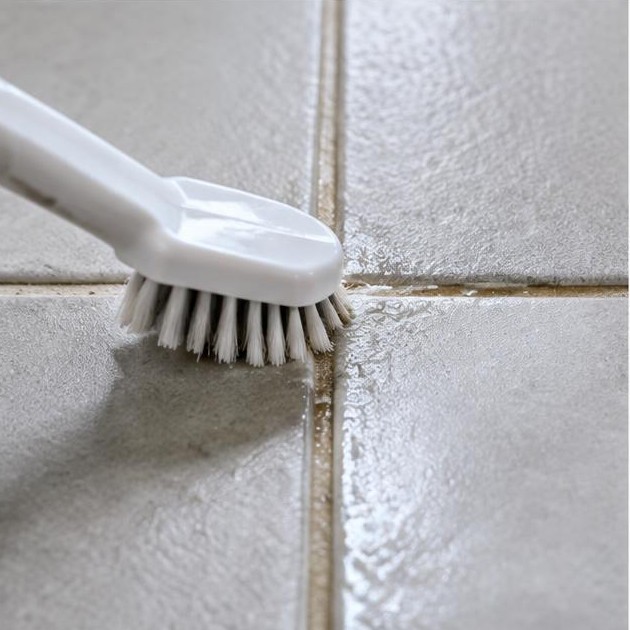
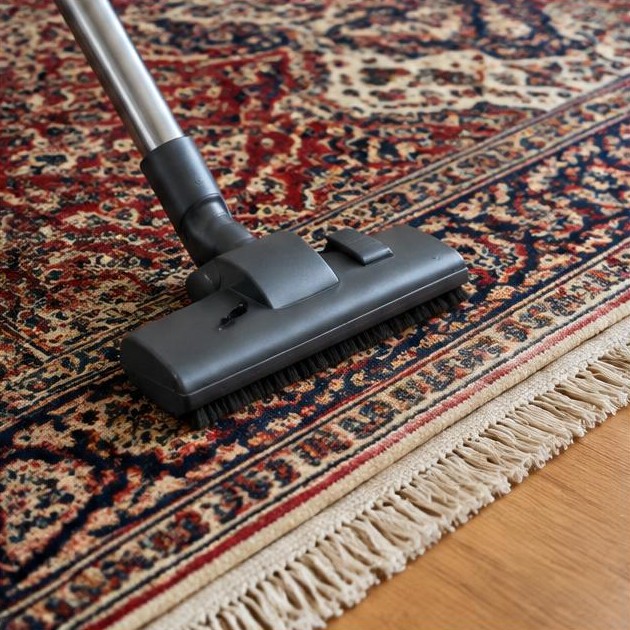
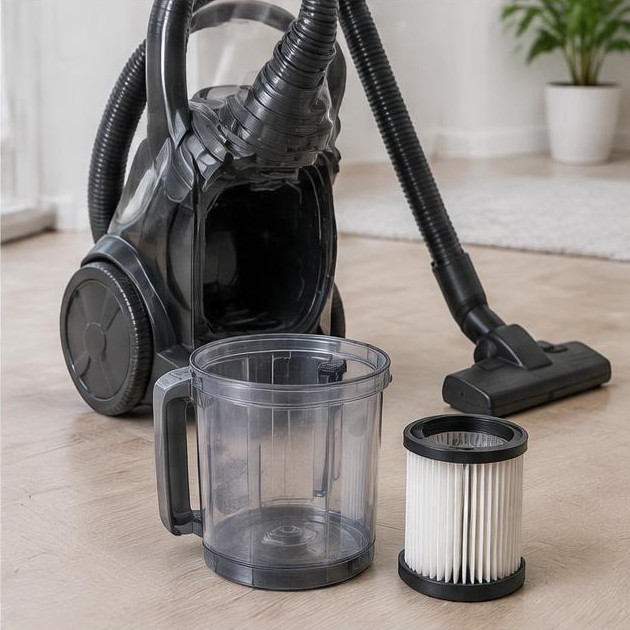
Use a vacuum cleaner with a brush attachment to treat the joints, which are often more fragile than the tiles themselves. By carefully vacuuming the crevices, you prevent dirt from becoming permanently embedded, preserving the visual integrity of the floor. Always test any new cleaning product on a hidden area to check the clay's reaction.
Gentle Soapy Water Washing Technique
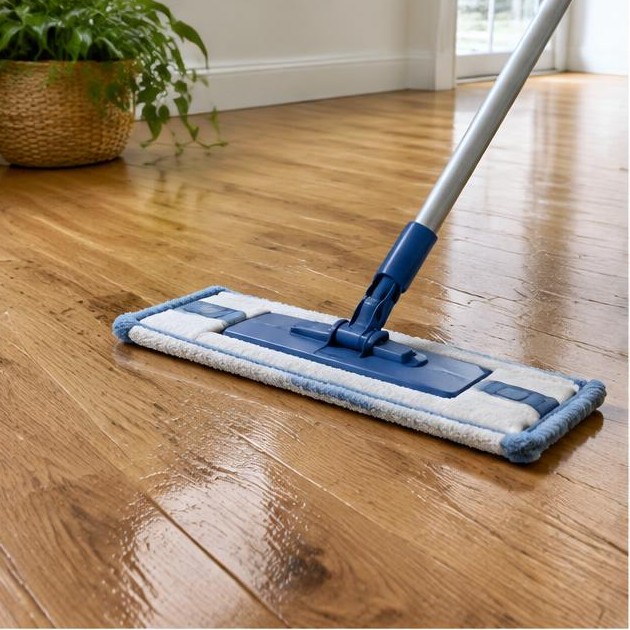
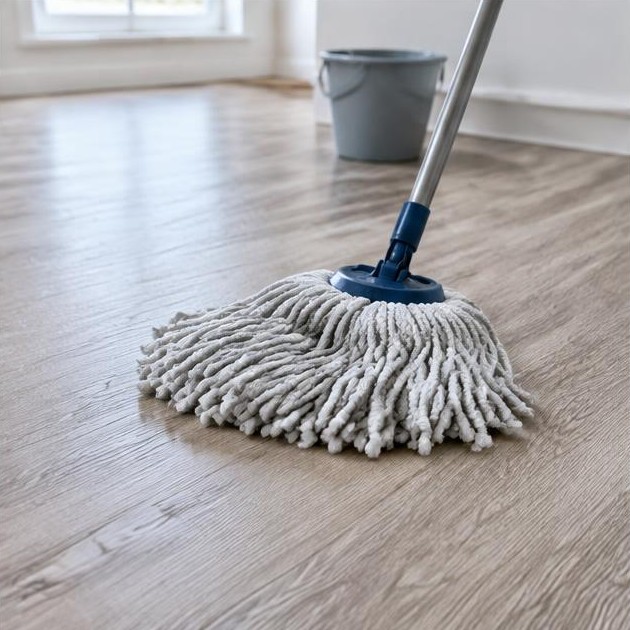
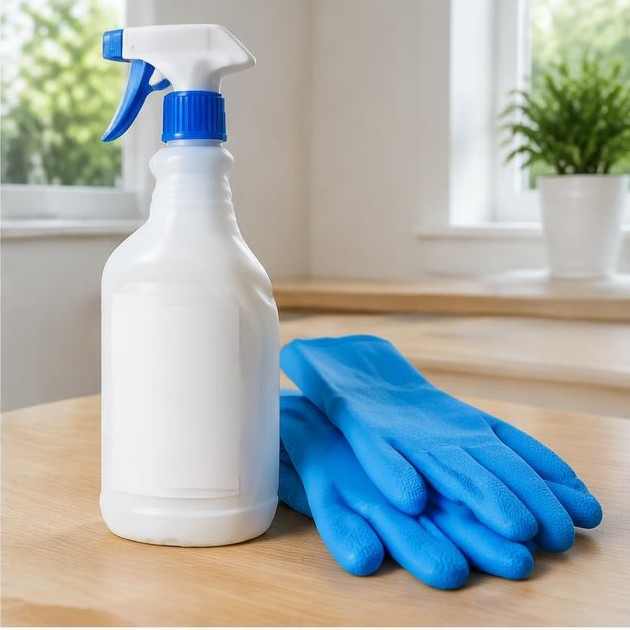
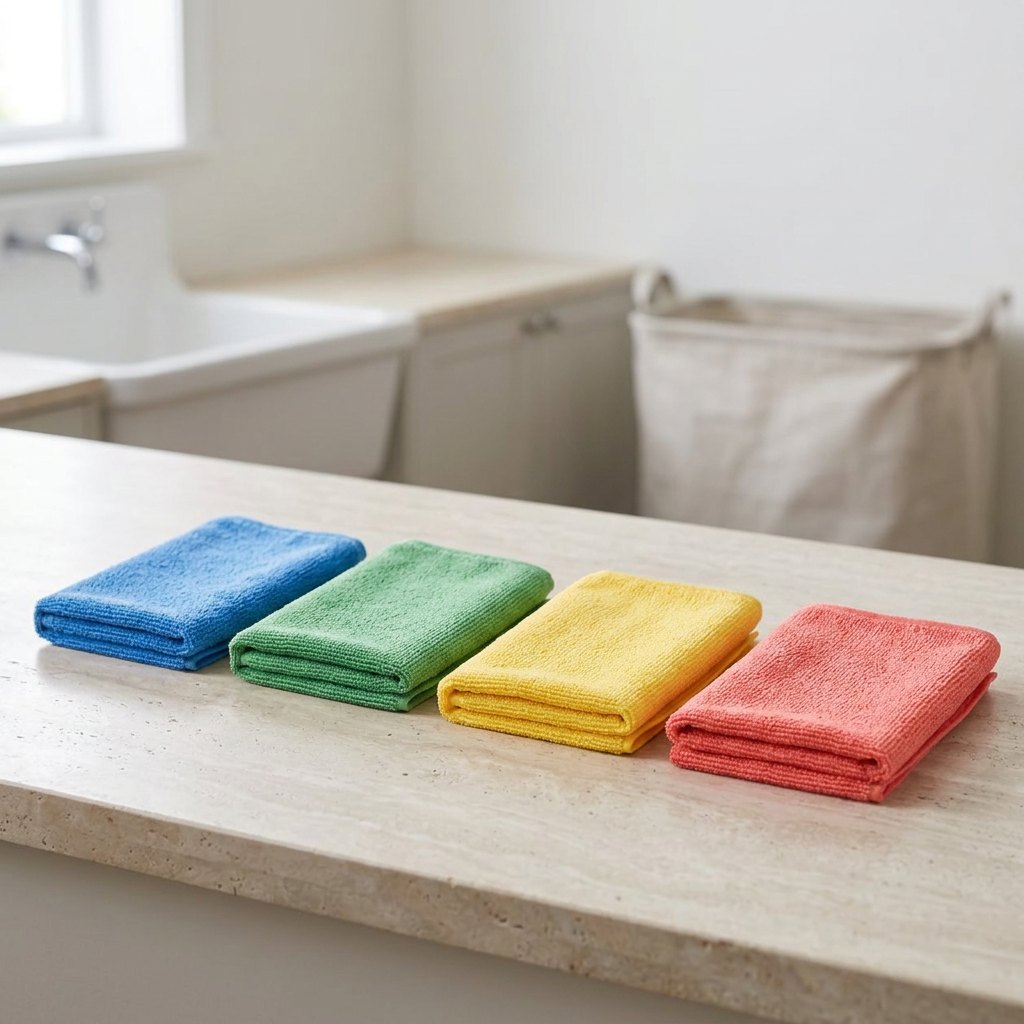
For washing, exclusively use lukewarm water mixed with a small amount of plant-based liquid black soap. Apply the mixture using a very well-wrung microfiber mop. Excess water could saturate the material's porosity, leading to persistent moisture stains or weakening the structural integrity of the tiles.
The use of acidic products such as white vinegar, lemon, or descaling solutions is strictly prohibited, as they attack the natural minerals present in the clay. Similarly, avoid mixing different maintenance products in your bucket, which could cause undesirable chemical reactions or leave a sticky film that is difficult to remove.
Protection and Protective Finishes
Once the floor is perfectly dry, which may take several hours, you can apply a thin layer of linseed oil or a natural wax specifically formulated for terracotta. This protective barrier helps prevent grease stains from setting and limits the impact of ambient humidity, particularly in cooler environments.
Allow the protection to dry completely without walking on the surface for a minimum period of six hours. To finalize the maintenance, a gentle buffing with a wool cloth or chamois will restore the shine to the patina without making the floor slippery, ensuring an aesthetic and safe finish for occupants.
Maintenance Limits and Professional Expertise
If you notice white saltpetre stains or if the tiles become crumbly to the touch, stop all wet cleaning immediately. The presence of residual moisture would worsen the structural degradation of the clay. In this case, a diagnosis by a flooring professional is necessary to identify the source of rising damp.
Contact a heritage specialist or an antique floor restorer if the surface shows deep cracks or if the original waterproofing appears to be non-existent. Professional intervention allows for the application of deep treatments that protect the terracotta against irreversible infiltration without suffocating the natural material.
Minimalist and respectful maintenance ensures the aesthetic and structural longevity of this living heritage.
Each home has its specifics. A first exchange helps understand your needs before any intervention.
Get in touchQuestion about this article? WhatsAppResources