Resources
Steam Cleaners: Surfaces to Avoid
Reading · 2 min
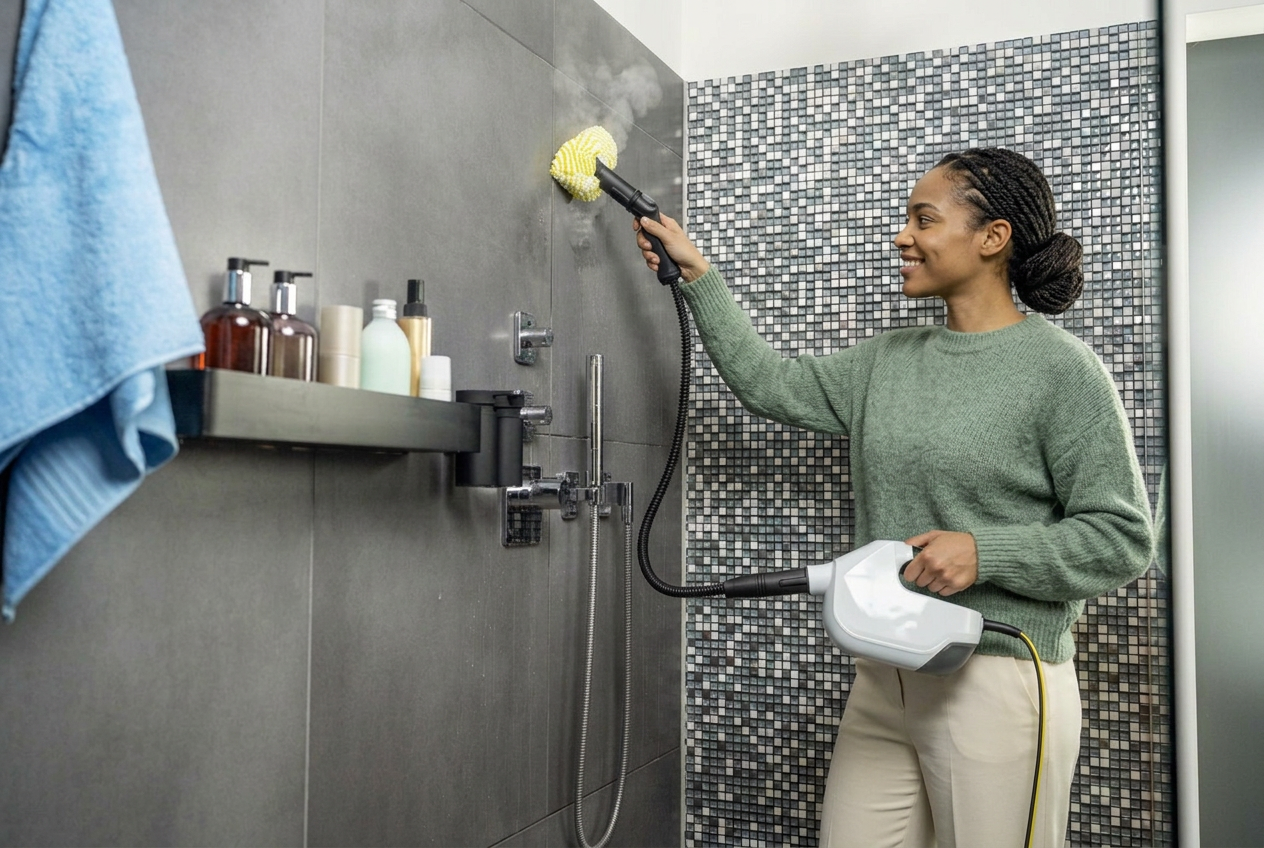
Steam combines heat and moisture. Before using it, check that both the surface manufacturer and the appliance manufacturer permit steam cleaning; water resistance does not necessarily mean steam resistance.
Heat-Sensitive Flooring
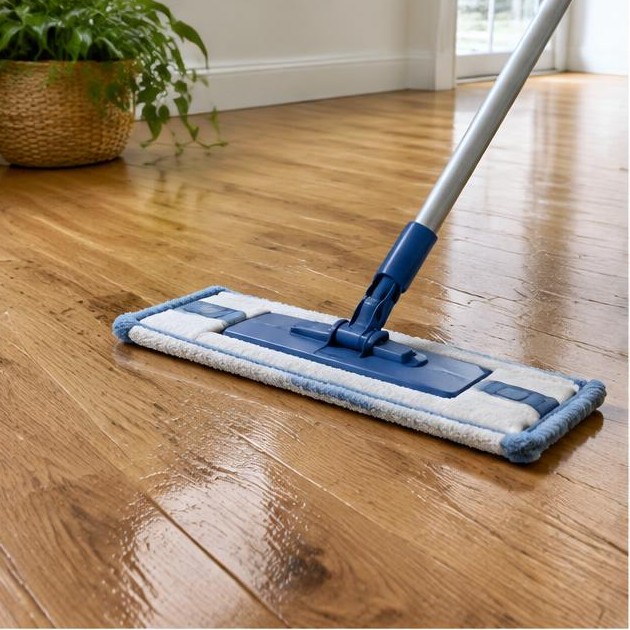
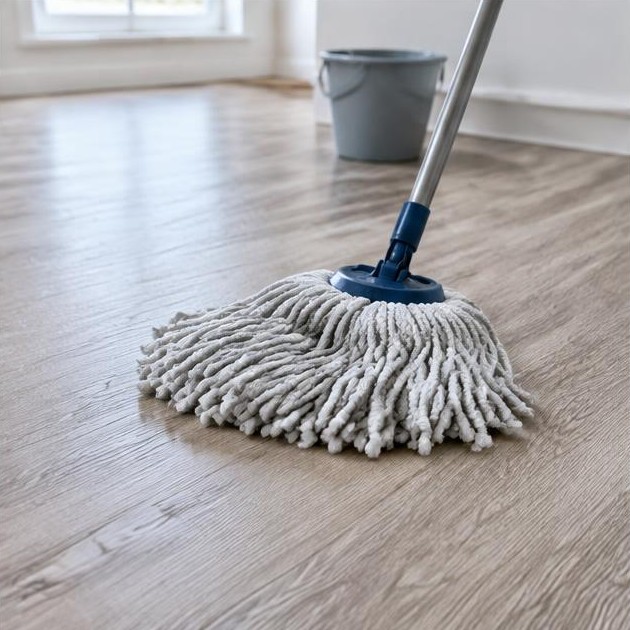
Never use steam on unsealed, waxed, or oiled hardwood floors. The moisture can penetrate deep into the wood grain, causing warping, swelling, and permanent water damage to the structural integrity of the planks.
Luxury vinyl tiles (LVT) and laminate flooring with adhesive backings are also at risk. The intense heat can melt the glue or cause the layers to delaminate, leading to buckling and lifting at the seams.
Delicate Fabrics and Finishes
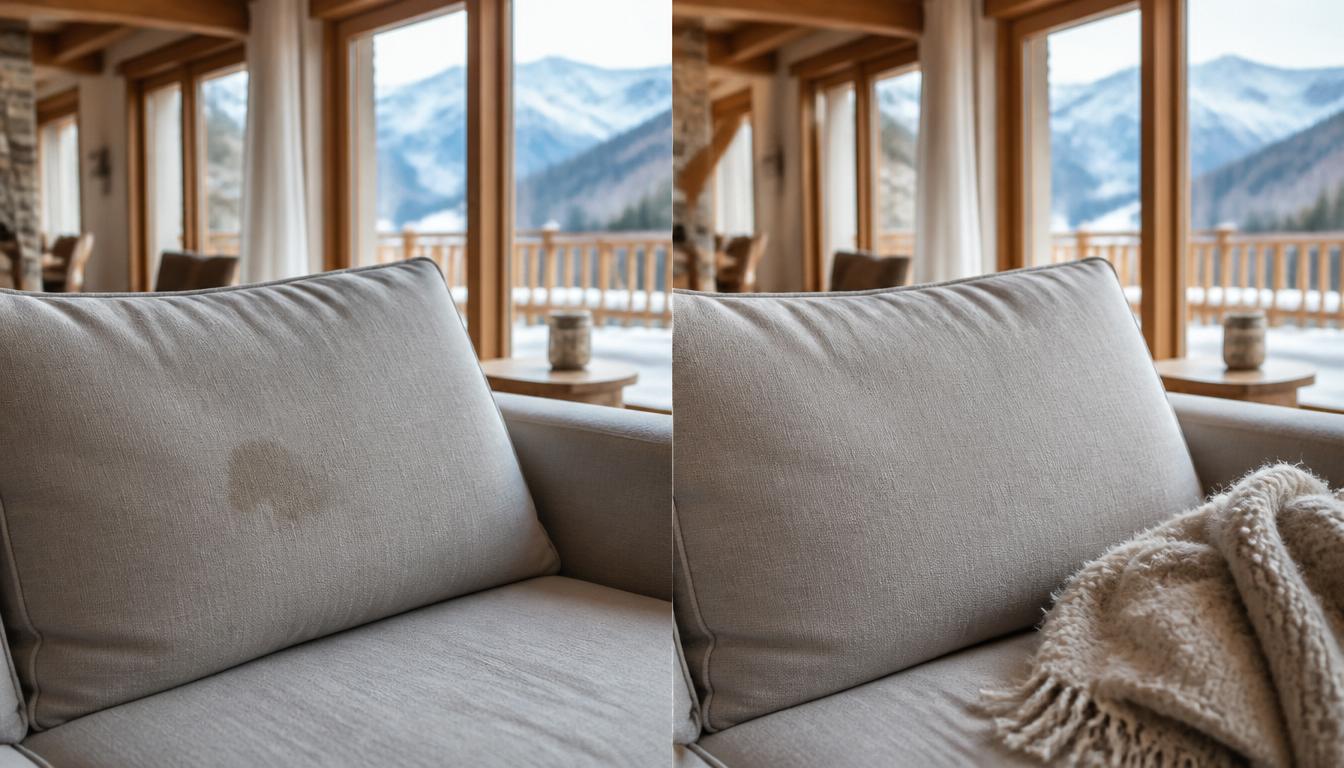
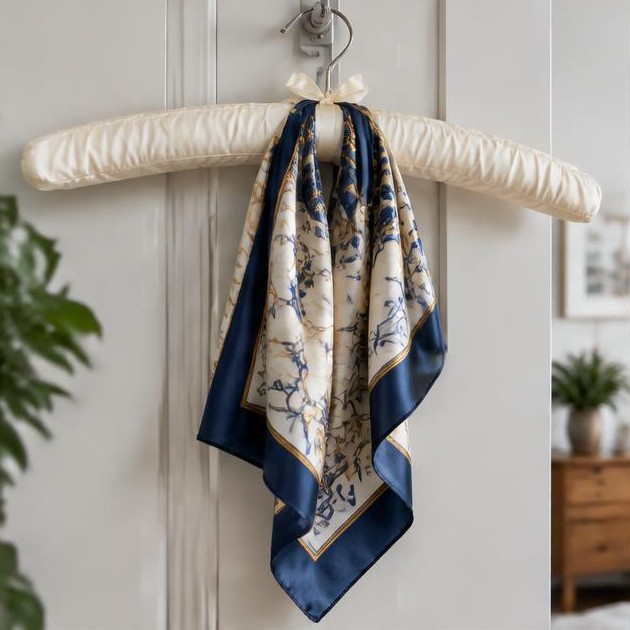
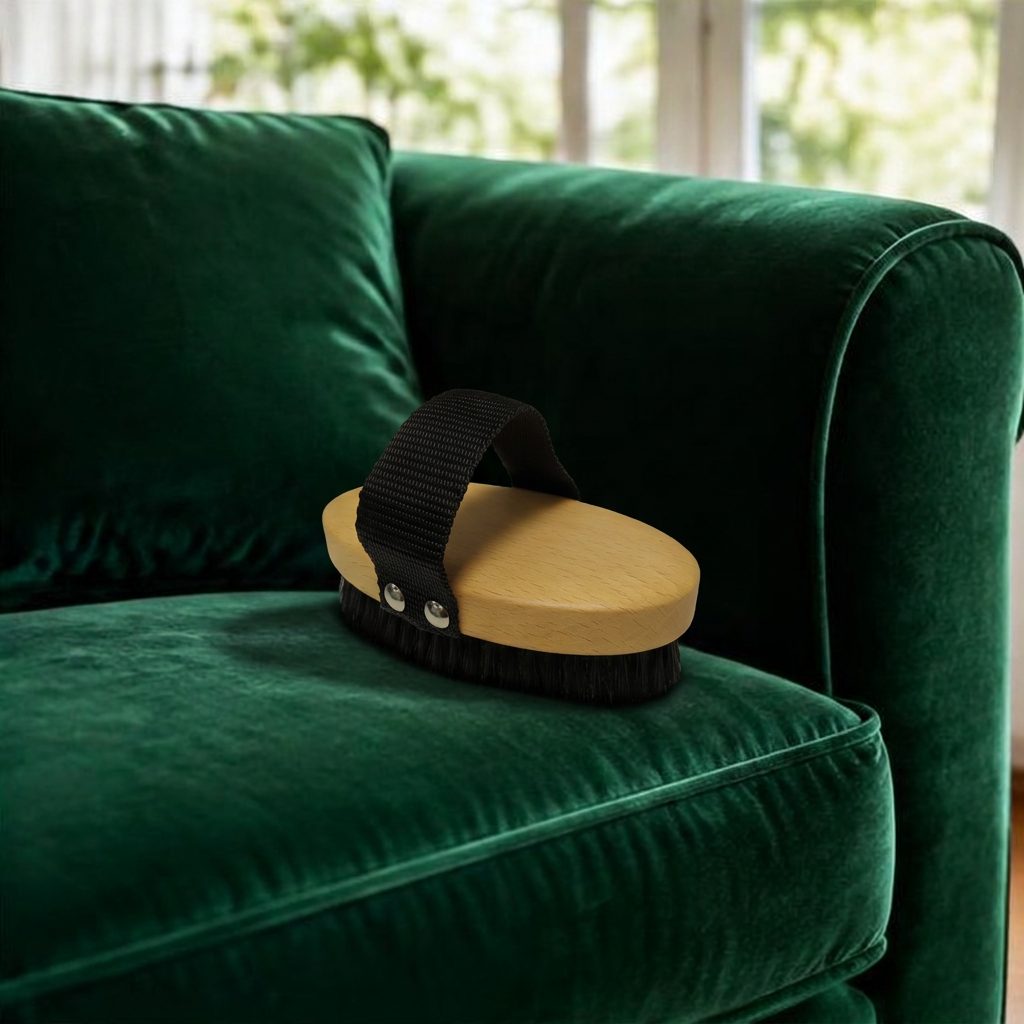
Steam should be kept away from silk, velvet, and heat-sensitive synthetics. These materials can easily shrink or lose their texture under high-pressure steam, often resulting in permanent aesthetic degradation.
Avoid using steam on painted or lacquered surfaces. The heat can cause the paint to bubble or the lacquer to cloud over, requiring professional refinishing to restore the original appearance.
Glass and Thermal Shock
Exercise extreme caution when cleaning cold windows in winter. Applying hot steam to freezing glass can cause immediate thermal shock, resulting in the pane shattering or developing deep structural cracks.
Also, avoid prolonged contact with silicone sealants and old putty. High temperatures can soften these materials, potentially leading to leaks or the failure of window seals over time.
When to Stop and Safety
Do not add chemical cleaning agents to the water tank, as this can damage the internal heating element and create hazardous fumes. Always follow the manufacturer's specific instructions for water types.
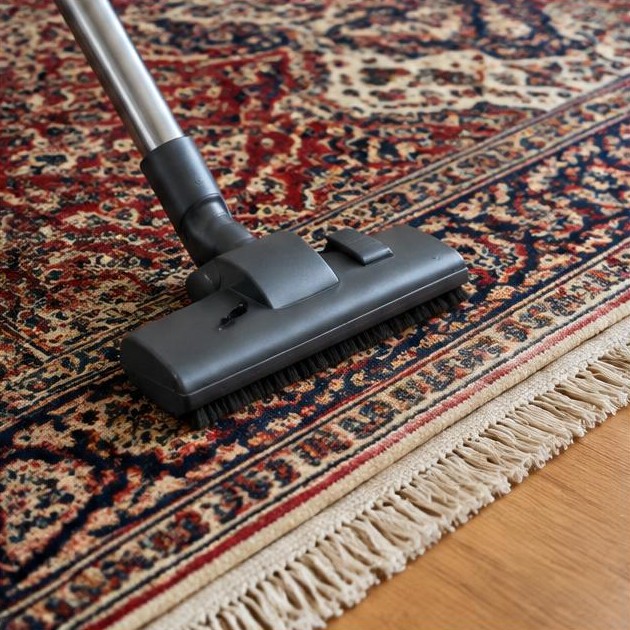
If a surface feels tacky or shows color transfer during a spot test, stop immediately. For antique rugs or high-value upholstery, consult a textile specialist rather than risking irreversible heat damage.
If the material is uncertain, choose a gentle cleaning method permitted by its instructions rather than experimenting with steam.
Each home has its specifics. A first exchange helps understand your needs before any intervention.
Get in touchQuestion about this article? WhatsAppResources