Resources
Cleaning Marble Without Etching the Stone
Reading · 3 min
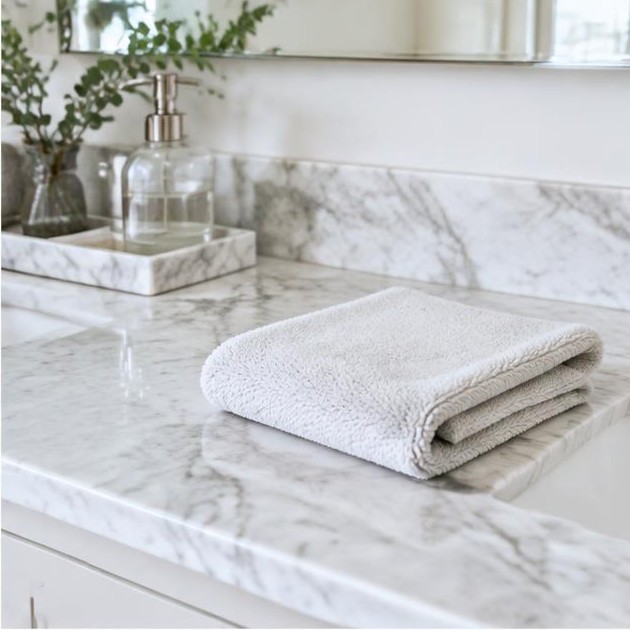
Marble is a prestigious limestone rock, yet its chemical composition makes it highly vulnerable to acids and abrasive materials. Because it consists primarily of calcium carbonate, any contact with acidic substances leads to a chemical reaction that physically dissolves the surface, creating permanent dull patches known as etching.
The Absolute Ban on Acidic Substances
Strictly avoid vinegar, lemon juice, ammonia, and all commercial descaling agents. These substances are highly acidic and will immediately react with the marble, causing irreversible damage to the surface polish. This chemical burn cannot be simply wiped away, as it represents a physical degradation of the stone itself.
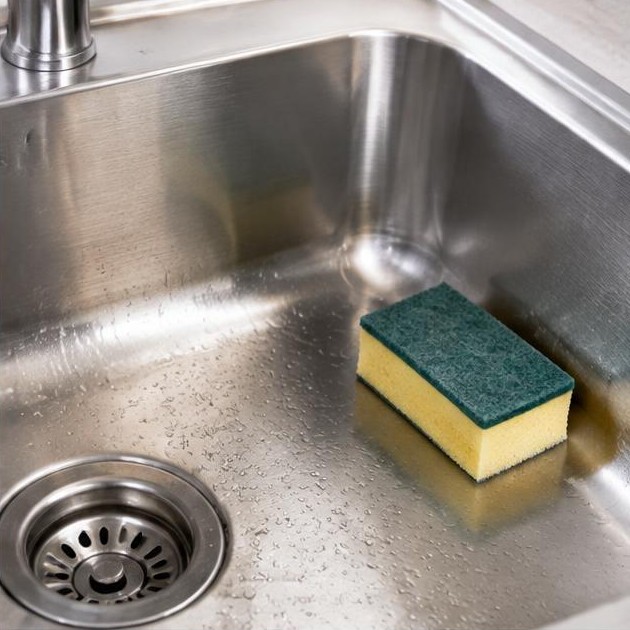
Never use scouring pads, steel wool, or hard plastic scrubbers on marble surfaces. The stone is relatively soft and prone to scratching at a microscopic level. Once the factory polish is damaged by abrasion, the stone becomes significantly more porous and susceptible to deep-seated staining and bacterial growth.
Gentle Daily Cleaning and Drying Techniques
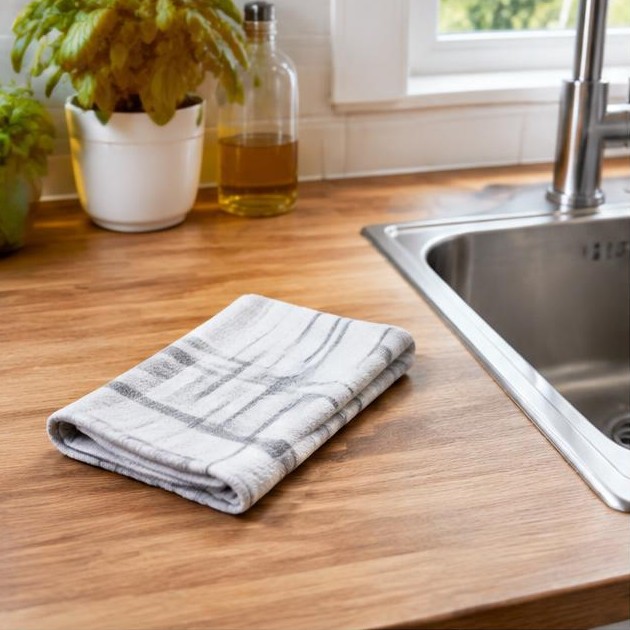
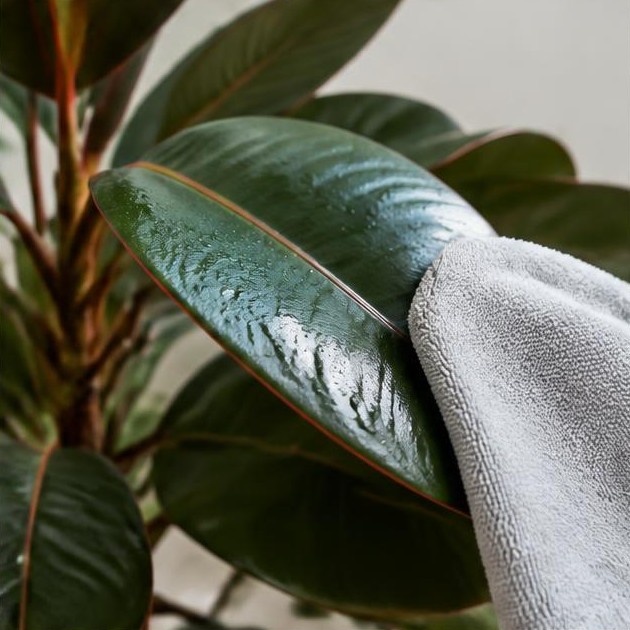
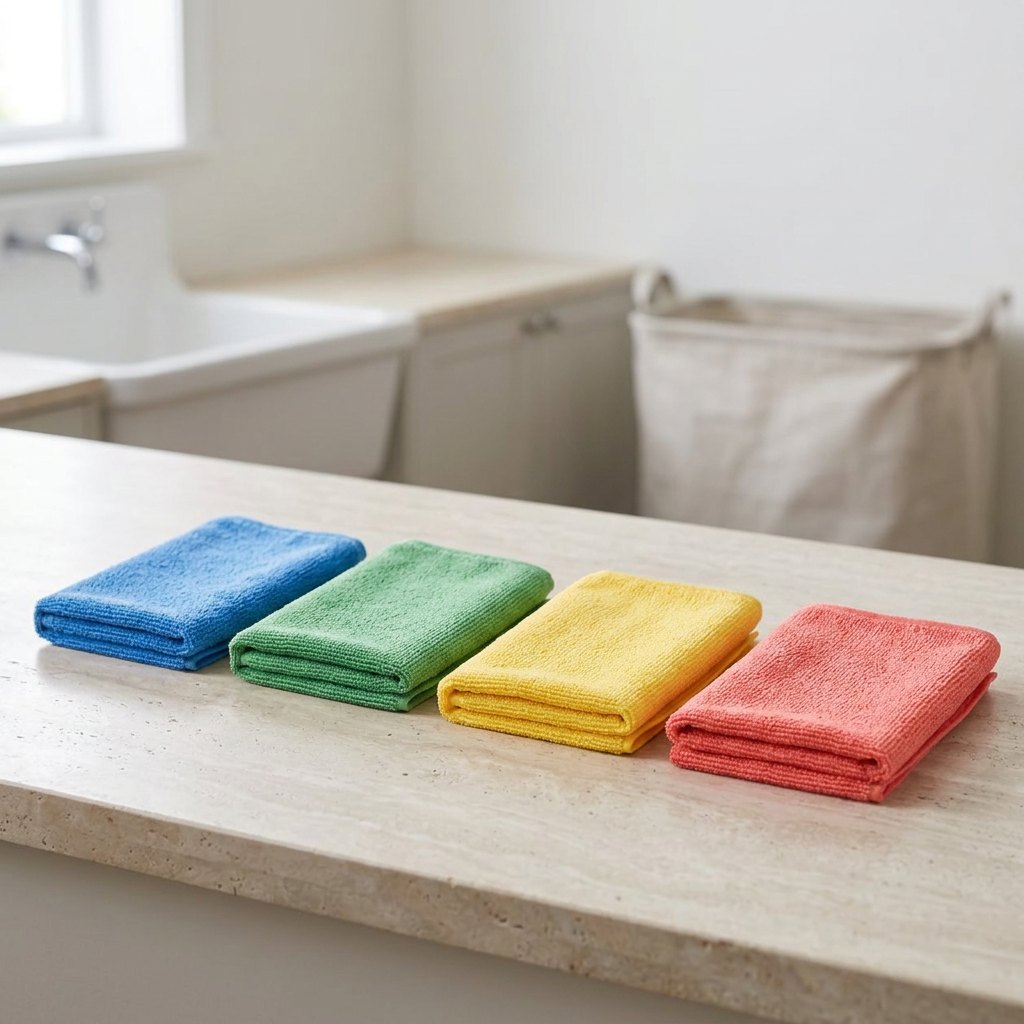
Clean the surface using warm water and a very small amount of pH-neutral soap or a specialized stone cleaner. Use a soft, lint-free microfiber cloth to gently lift away surface grime. Avoid excessive scrubbing; a light touch is always preferred to maintain the stone's natural luster and prevent streaks.
Buff the marble dry immediately with a clean, dry towel. Allowing water to air-dry on marble can result in mineral deposits or 'water spots' that are difficult to remove without specialized products. Drying also prevents liquid from seeping into the stone's pores, which can cause internal discoloration over time.
Operational Safeguards and Chemical Safety
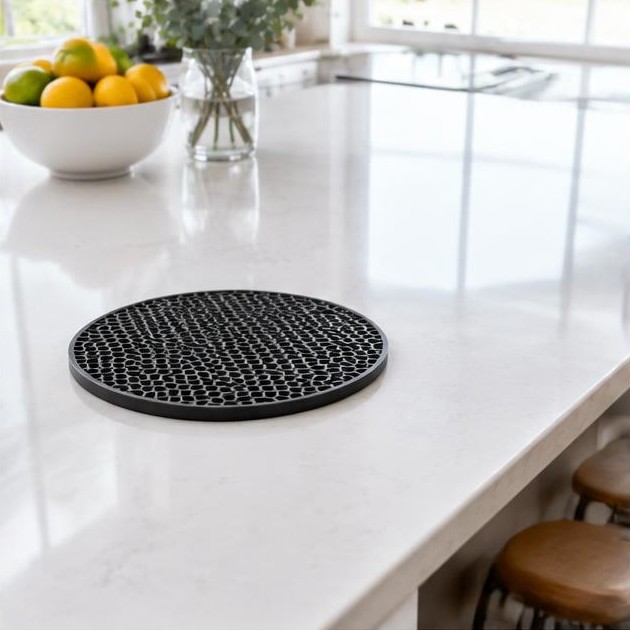
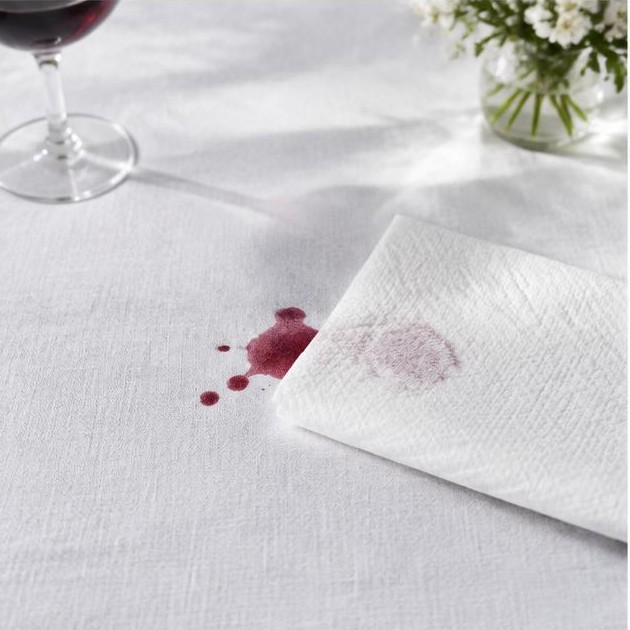
Always use coasters, trivets, and placemats on marble surfaces to prevent direct contact with acidic foods or oils. Oils and dark pigments from wine or coffee can penetrate deep into the porous stone, making them impossible to remove with standard cleaning methods once they have settled below the surface.
Caution: Do not mix cleaning agents. Inappropriate mixtures can cause toxic chemical reactions and may lead to irreversible yellowing or staining of white marble varieties. Always test any manufacturer-approved stone cleaner on a small, inconspicuous area before applying it to visible surfaces like countertops or floors.
Preventive Care and When to Call a Specialist
Apply a high-quality stone sealer periodically to reduce the stone's natural porosity. A sealer creates a temporary barrier that gives you more time to wipe up spills before they soak in. Note that sealers prevent staining but do not protect against acid etching; careful use remains the primary defense.
If the marble has significant acid burns, deep scratches, or has lost its shine entirely, DIY polishing kits should be avoided as they often cause uneven finishes. Seek a professional stone restorer who can perform mechanical honing and polishing to restore the marble's structural integrity and aesthetic appeal safely.
Treating marble with specific, gentle care preserves its luxury and structural integrity for generations, ensuring its beauty remains undiminished.
Each home has its specifics. A first exchange helps understand your needs before any intervention.
Get in touchQuestion about this article? WhatsAppResources