Resources
Washing a Wool Throw Without Felting
Reading · 2 min
Wool is a natural fiber that reacts poorly to thermal and mechanical shock. This guide ensures your wool throw remains soft and keeps its original shape through proper cleaning techniques.
Preparing the Wash Basin
Fill a basin with lukewarm water, strictly staying below 30°C (86°F). Use a liquid wool-specific detergent, ideally containing lanolin to condition the fibers. Ensure the detergent is fully dissolved in the water before introducing the fabric to avoid uneven cleaning or spot damage.
Never pour concentrated detergent directly onto dry wool fibers. This can cause localized discoloration or weaken the natural structure. Always refer to the manufacturer’s care label first to confirm that the item is suitable for hand washing rather than dry cleaning only.
Gentle Immersion Method
Submerge the throw and press down gently to allow the soapy water to penetrate the weave. Never scrub or rub the fabric against itself, as this mechanical friction causes the scales of the wool to interlock, leading to irreversible felting. Use slow, rhythmic compression movements.
Limit soaking time to under 10 minutes. Over-soaking causes natural fibers to expand excessively, leading to sagging and a permanent loss of the original knit tension. If a specific area requires more attention, dabbing it gently with your palm is safer than rubbing.
Safe Rinsing and Drying
Rinse with clear water maintained at the exact same temperature as the initial wash water. Rapid temperature changes cause the fibers to contract violently, resulting in a stiff, scratchy texture and potential shrinkage. Rinse multiple times until all soap residue is completely removed.
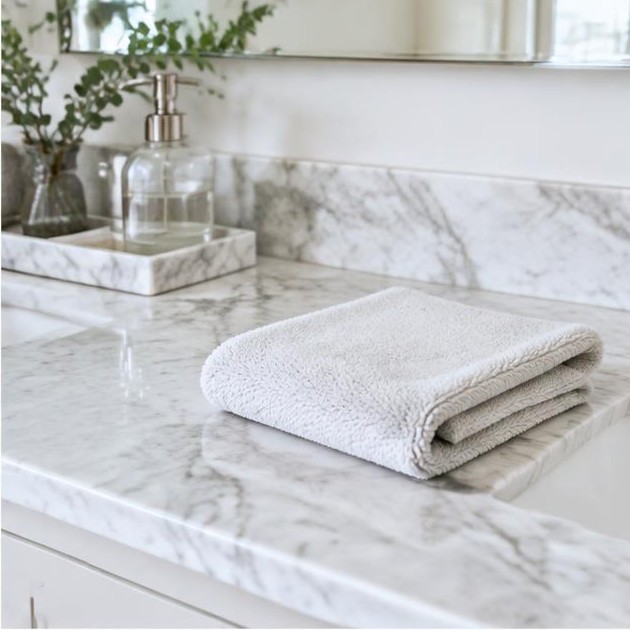
Do not wring or twist the wool to remove excess water, as this breaks the fibers and stretches the item out of shape. Instead, roll the throw inside a large, dry towel and apply firm pressure to absorb moisture. This method maintains the structural integrity of the natural knit.
Drying and Maintenance Cautions
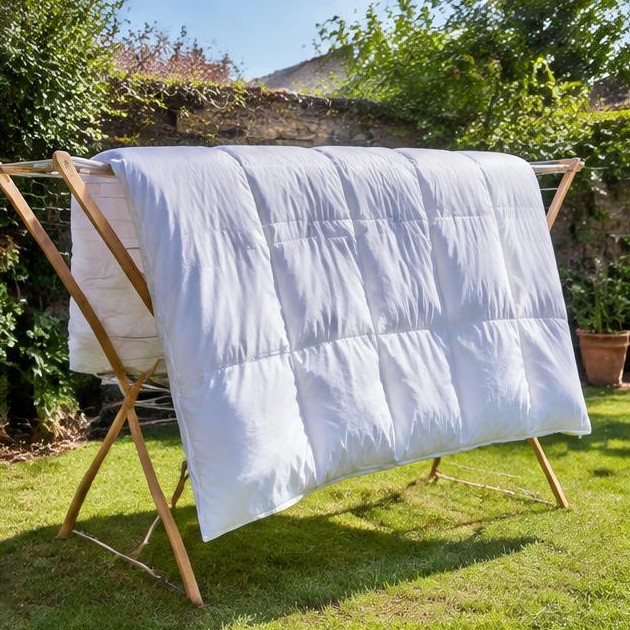
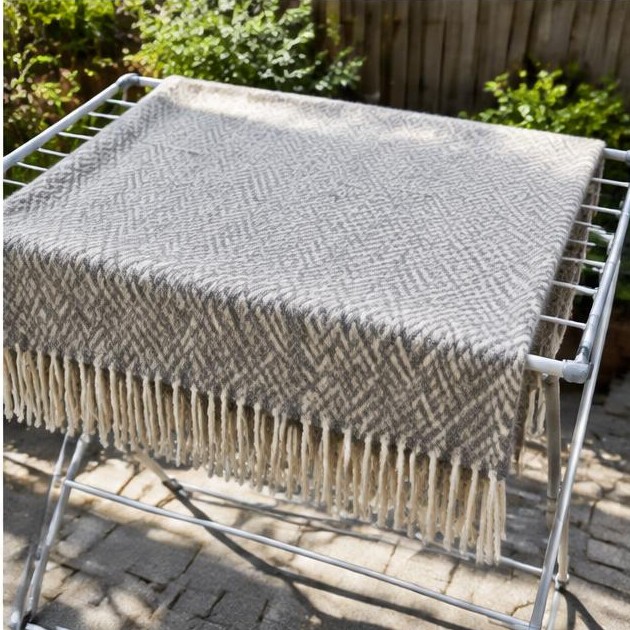
Lay the throw completely flat on a drying rack away from direct sunlight or radiators. Hanging wet wool is forbidden, as the weight of the water will permanently deform the item. Placing a dry towel underneath the throw during the drying process helps absorb remaining dampness.
If the throw is made of ultra-fine merino or mohair, consider professional cleaning if it becomes heavily soiled. Never use a hot iron, direct steam, or a tumble dryer on damp wool, as high heat will cause the item to shrink significantly and lose its soft texture.
Careful handling and avoiding heat or friction are essential to preserving the luxury of natural wool.
Each home has its specifics. A first exchange helps understand your needs before any intervention.
Get in touchQuestion about this article? WhatsAppResources