Resources
Cleaning a Dishwasher Filter
Reading · 3 min
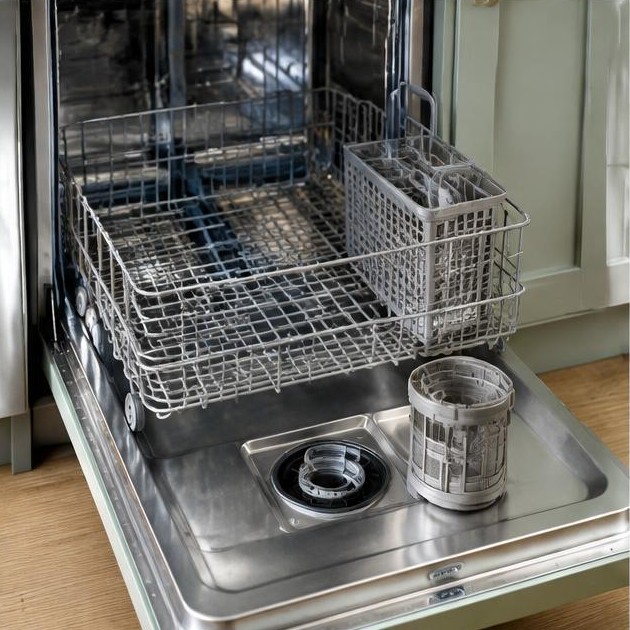
A clean dishwasher filter is the key to spot-free dishes and efficient drainage. Over time, food particles and grease accumulate in the mesh, reducing the effectiveness of every wash cycle and potentially leading to unpleasant odors. Regular maintenance ensures that your appliance functions at peak performance while protecting the internal pump from damage caused by debris.
Accessing the Filter Assembly
Remove the bottom rack completely to reveal the circular filter at the base of the machine. Most filters require a simple quarter-turn counter-clockwise to unlock from their housing for easy removal. Before you begin, ensure the dishwasher is off and the interior has cooled down from any previous heat cycles to avoid steam or hot water burns.
Inspect the sump area beneath the filter for large debris or sediment. Be extremely cautious of broken glass, toothpicks, or bone fragments that may be hiding in the standing water, and use a cloth to wipe the area clean. Testing a small, hidden area of the filter with your cleaning tool first is recommended to ensure you do not inadvertently damage the fine mesh material.
Effective Rinsing Techniques
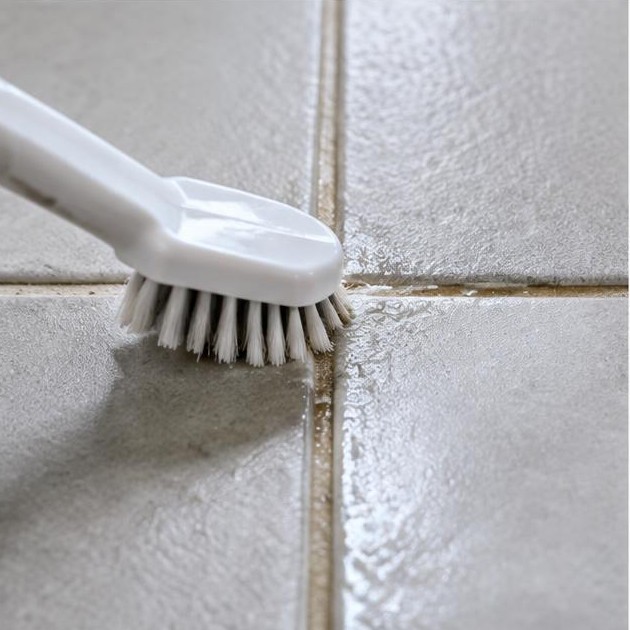
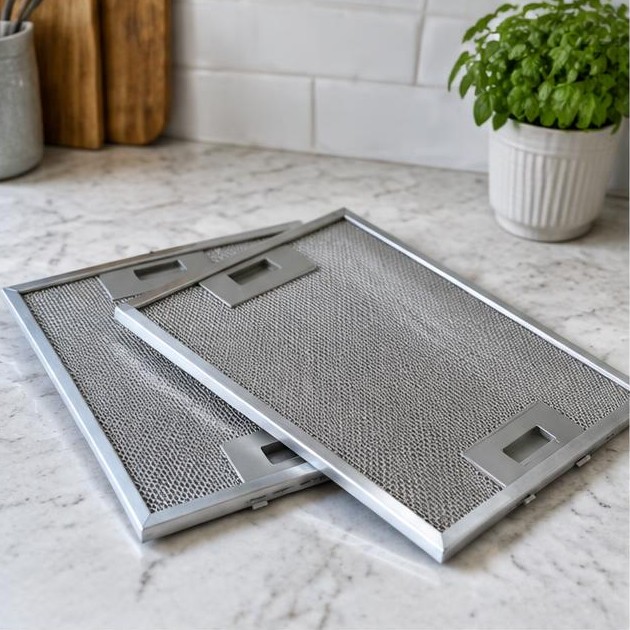
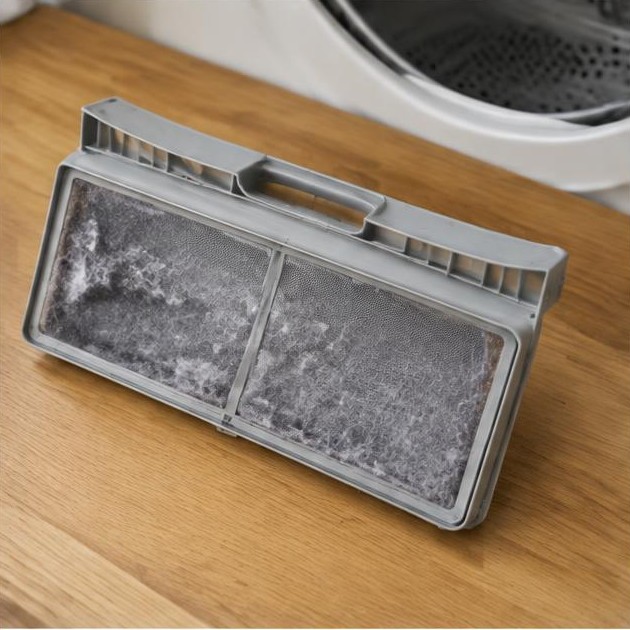
Hold the filter under warm running water to flush out trapped solids. For stubborn grease buildup, use a soft nylon brush to gently scrub the mesh surfaces, ensuring every small opening is clear of obstruction. Focus on the corners where the mesh meets the plastic frame, as these are common spots for calcium and fat deposits to accumulate over several weeks.
Never use wire brushes, steel wool, or harsh scouring pads, as these can puncture the delicate screen. A punctured filter allows debris to enter the internal pump and spray arms, potentially causing mechanical failure or clogging. If the filter appears damaged or the mesh is fraying, it should be replaced with a manufacturer-approved part to maintain proper filtration.
Sanitizing the Mesh Surfaces
If the filter feels slimy or has a noticeable odor, wash it in a solution of warm water and a small amount of mild dish soap. This effectively breaks down the protein and fat deposits that simple rinsing might leave behind. Always follow the manufacturer's guidelines regarding which cleaning agents are safe for the specific plastics and metals used in your machine.
Avoid using bleach or strong industrial chemicals within the dishwasher environment unless explicitly specified in your owner's manual. Mixing chemicals can create dangerous fumes and damage the interior seals of the appliance. A thorough rinse after using soap is necessary to prevent excess sudsing during the next wash cycle, which could lead to leaks.
Reinstallation and Professional Care
Snap the filter back into place firmly, following the alignment arrows; an incorrectly installed filter can lead to clogged spray arms or pump damage. Ensure it is locked securely so it does not dislodge during high-pressure cycles. Check the filter's condition monthly to ensure the plastic housing is not warped or showing signs of heat-related stress.
If cleaning the filter does not resolve drainage issues or if the machine makes grinding noises, stop using the appliance immediately. Contact a professional technician to inspect the drain pump and motor. Do not attempt to bypass safety switches or repair electrical wiring yourself, as this poses a serious risk of electric shock and may void your product warranty.
Routine filter maintenance prevents clogs and ensures your dishwasher remains energy efficient and effective.
Each home has its specifics. A first exchange helps understand your needs before any intervention.
Get in touchQuestion about this article? WhatsAppResources