Resources
Descaling a Coffee Machine by the Manual
Reading · 3 min
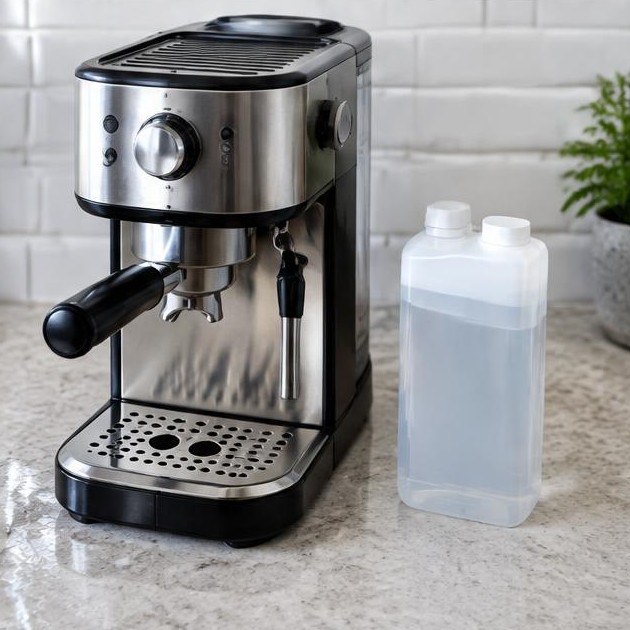
Limescale buildup can significantly affect the water temperature and pressure of your coffee machine, leading to poor-tasting brews and mechanical strain. Systematic descaling removes these mineral deposits to keep your machine in top condition and extend its operational life. Following the specific manufacturer guidelines is essential to ensure that internal components are cleaned without being damaged.
Initial Setup and Safety Precautions
Clear the water tank and remove any integrated water filters or softeners before starting the process. These components can trap descaling agents, making them unusable and potentially contaminating future beverages with chemical residues. Always perform a quick visual inspection of the machine for any existing leaks before beginning the high-pressure descaling cycle.
Ensure the machine is placed on a stable, heat-resistant surface and that a large enough container is positioned to catch the solution from both the brew head and the steam wand. Always refer to your specific model’s manual for the exact button combination required to start the descaling program, as bypassing the correct mode can lead to incomplete cleaning.
Using the Correct Descaling Solution
Prepare the solution using a manufacturer-approved descaler diluted with water according to the instructions. Avoid using generic household vinegar unless specifically allowed by the brand, as the high acetic acid content can degrade internal rubber seals and copper components over time. Testing a small amount of the solution on a hidden part of the drip tray can confirm material compatibility.
Never mix different brands or types of descaling liquids and powders together, as this can cause chemical reactions that may harm the machine or produce fumes. Follow the recommended contact time precisely; leaving descaling agents in the machine for too long can be just as damaging as not descaling at all. Use only potable water for the dilution process.
The Rinsing Protocol for Safety
After the descaling cycle finishes, thoroughly wash the water reservoir with fresh water and a soft cloth to remove any lingering film. Fill it to the maximum line and run multiple rinse cycles through all outlets to purge all chemicals from the internal heating element and tubing. This step is vital for food safety and ensuring the flavor of your coffee is not compromised.
Rinsing is complete only when the water expelled is clear, odorless, and free of any foam. If the machine features a manual rinse, run at least two full tanks of fresh water through the system. Never shorten this phase of the maintenance, as chemical ingestion can be harmful, and residual acids can continue to react with metal parts if not fully flushed out.
Troubleshooting and Professional Limits
If the flow of water remains restricted after a successful cycle, there may be a deep blockage or a failing pump. Do not attempt to force water through the system or use sharp tools to clear the internal nozzles. If the descaling light fails to turn off, consult the troubleshooting section of your manual before attempting to reset the electronics manually.
If the machine leaks from the base or shows electrical error codes, unplug it immediately. Professional service is required for internal repairs involving the boiler or wiring to prevent electric shock or fire hazards. Do not attempt to bypass safety switches or open the outer casing, as coffee machines contain high-pressure systems and sensitive electrical components.
Consistent descaling ensures your machine operates quietly and delivers the perfect espresso every morning.
Each home has its specifics. A first exchange helps understand your needs before any intervention.
Get in touchQuestion about this article? WhatsAppResources