Resources
Maintaining Refrigerator Hygiene
Reading · 2 min
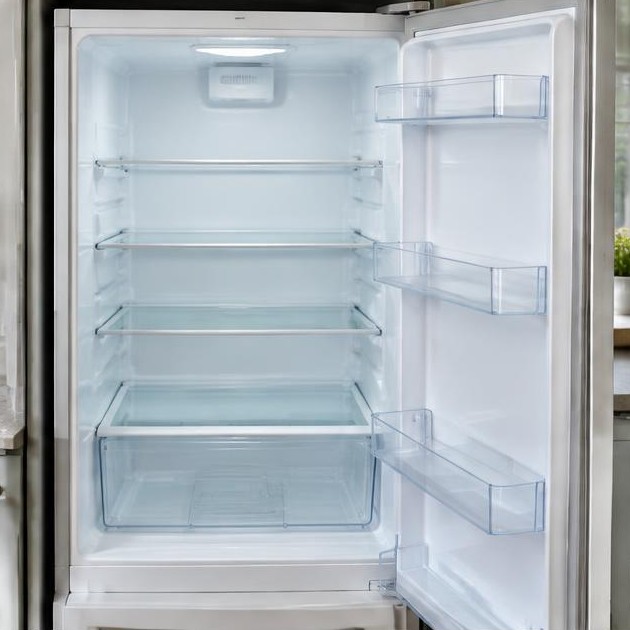
The refrigerator stores perishable items and requires impeccable hygiene to prevent mold growth and bacterial proliferation within the storage compartments.
Emptying and Sorting
Begin by completely emptying the appliance to access every corner. Check expiration dates and the integrity of food packaging. Place highly perishable goods, such as meats and dairy, in an insulated bag with ice packs during the process to ensure the cold chain remains uninterrupted.
Do not leave food at room temperature for more than thirty minutes to limit potential bacterial growth. Significant thermal fluctuations can compromise both the quality and safety of fresh products. Take this opportunity to wipe down the bottoms of sticky bottles and jars before returning them.
Cleaning Surfaces and Shelves
Remove all detachable shelves and drawers to wash them separately with warm, soapy water. For the interior walls, use a mixture of clear water and white vinegar, paying close attention to the rubber gaskets which often harbor bacteria. Always test the solution on a small, hidden area to ensure compatibility with the plastic liner.
Avoid using aggressive solvents, metal scrapers, or heavily scented cleaners. The plastic interior can absorb chemical odors, which may then be transferred to unwrapped food through contact or via the circulating air inside the unit.
Drainage System Care
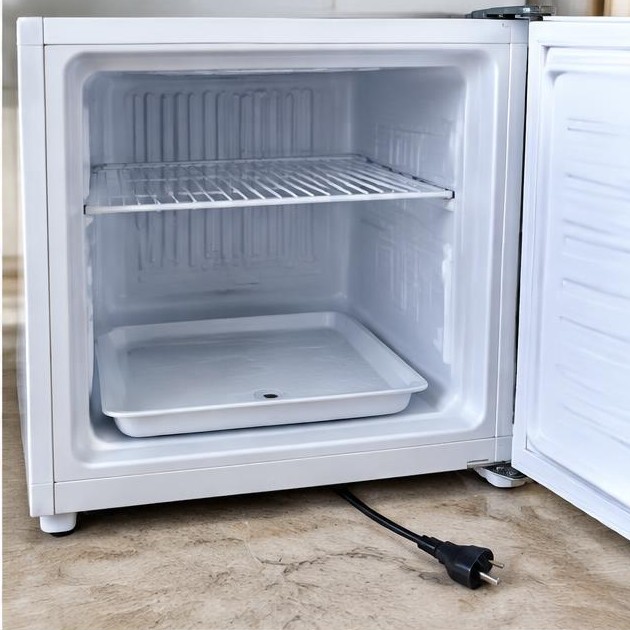
Locate the condensate drain hole usually found at the back of the fridge, above the crisper drawers. Gently clear it with a small flexible tool or pipe cleaner to prevent water stagnation. Standing water encourages the development of bacterial biofilms that cause persistent and unpleasant odors.
Exercise extreme caution not to puncture the interior liner or force any tools into the drainage conduit. If water consistently accumulates under the vegetable drawers, it usually indicates the drain is blocked by food debris or frost buildup. Preventive cleaning avoids these common drainage issues.
Reorganization and Hardware Limits
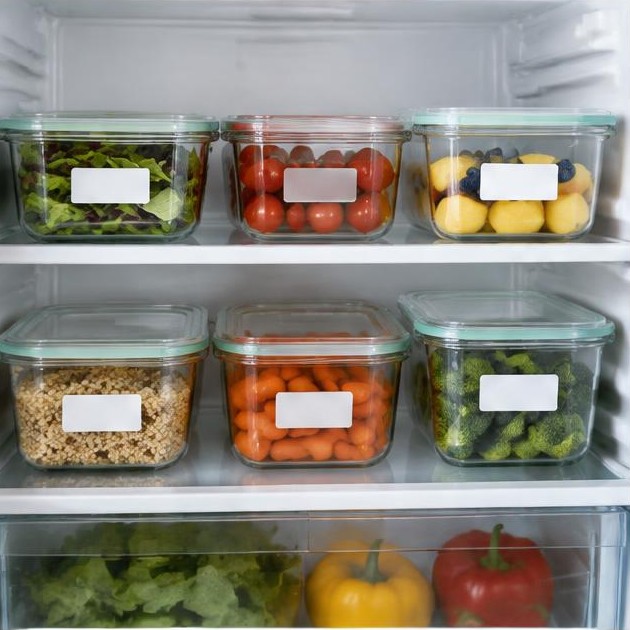
Return items to the fridge only once they are completely dry to avoid introducing unnecessary moisture. Do not overcrowd the shelves; proper air circulation between items is vital for maintaining a consistent temperature and optimizing the unit's energy efficiency.
If you notice excessive ice buildup on the rear wall or if the door seals are cracked and no longer airtight, consult a professional technician. Faulty seals force the compressor to work continuously, leading to potential mechanical failure and significantly higher electricity bills.
A clean and organized refrigerator is essential for effective food preservation and maintaining overall household energy efficiency.
Each home has its specifics. A first exchange helps understand your needs before any intervention.
Get in touchQuestion about this article? WhatsAppResources