Resources
Maintaining Suction: Bag, Bin, and Filters
Reading · 2 min
A vacuum cleaner requires unobstructed airflow to maintain its suction power and cooling. Regular maintenance of the filtration and dust collection systems prevents motor failure and ensures high air quality within your home.
Dust Container Management
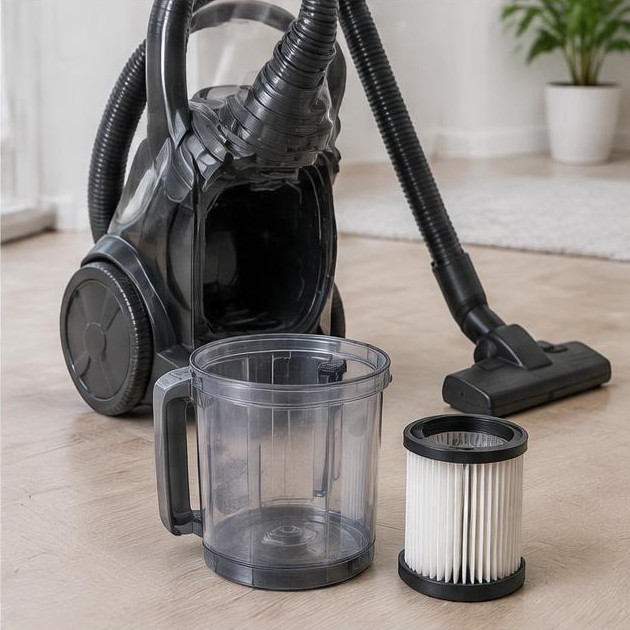
Empty the dust bin or replace the bag once it reaches approximately two-thirds of its capacity. Allowing the container to overfill restricts airflow, which causes the motor to overheat and significantly reduces the appliance's ability to lift debris from deep carpet fibers.
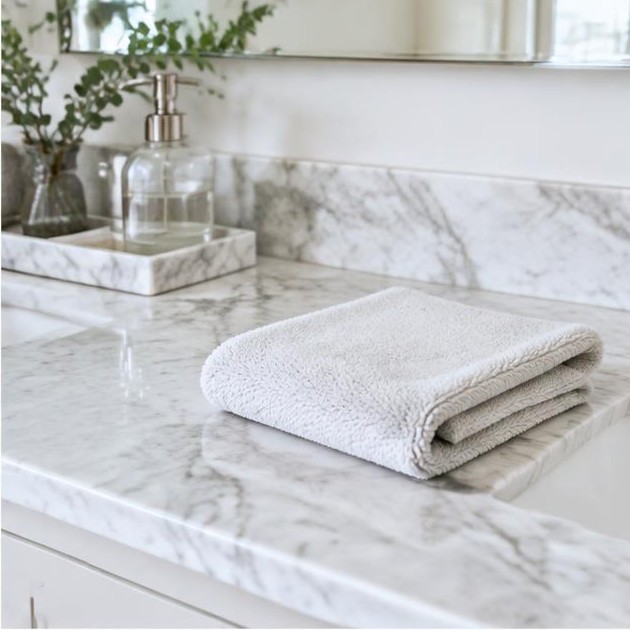
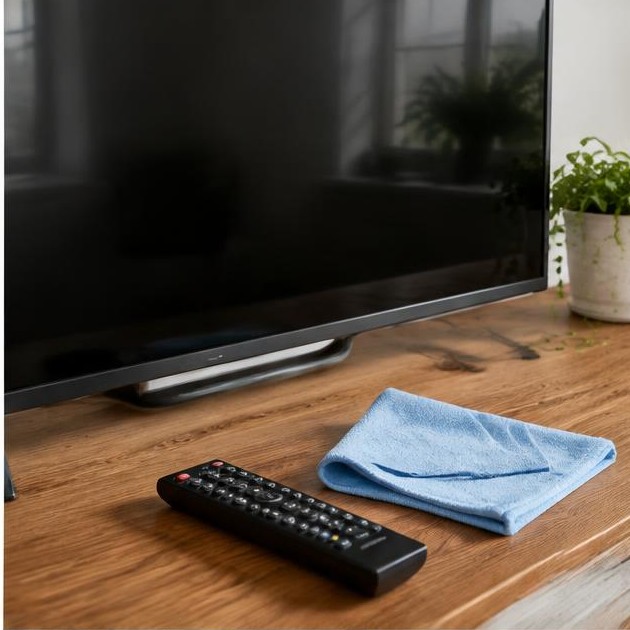
When emptying bagless models, perform this task in a well-ventilated area or outdoors to prevent dust clouds from resettling. Wipe the interior of the bin with a microfiber cloth to remove static-charged dust particles that cling to the walls and sensors.
Filter Care and Proper Drying
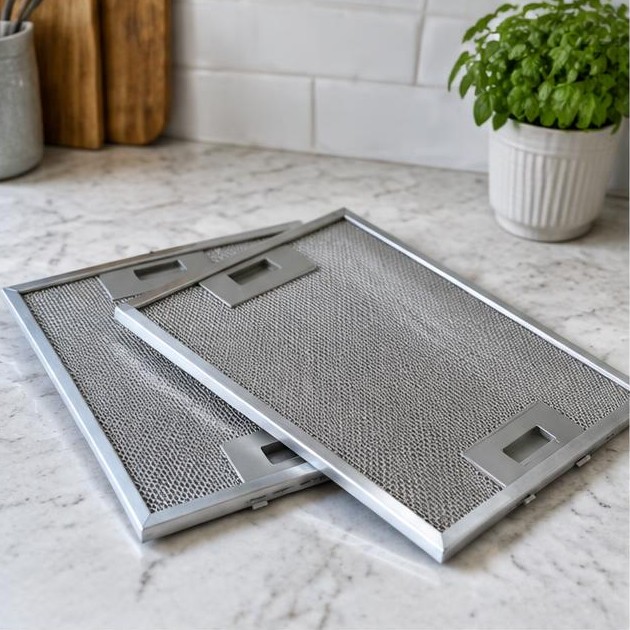
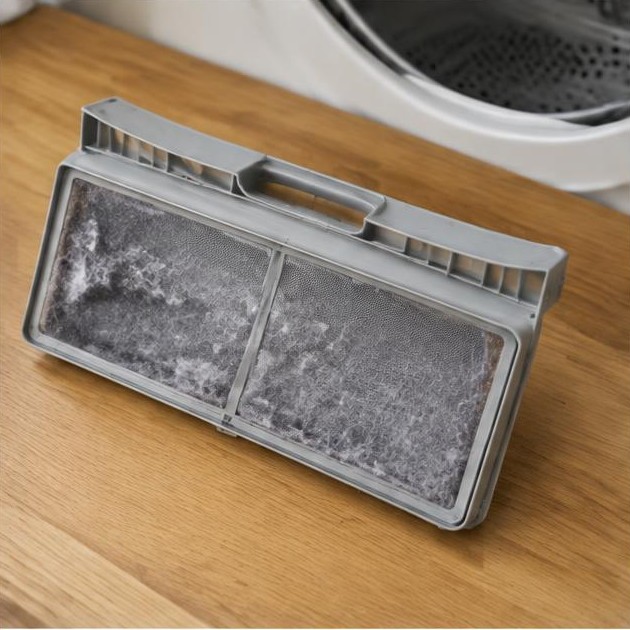
Verify which filters are washable by referring to the owner's manual. Rinse these under cold running water only, avoiding all soaps or chemical cleaners that can leave residues. Gently squeeze the filter to release trapped dust without deforming its structural shape.
Allow all filters to air dry completely for at least 24 to 48 hours before reinstallation. Inserting a damp filter into the vacuum is a major safety hazard, as moisture can be drawn into the electrical motor, causing immediate failure and potential mold growth within the machine.
Brush Roll and Hose Maintenance
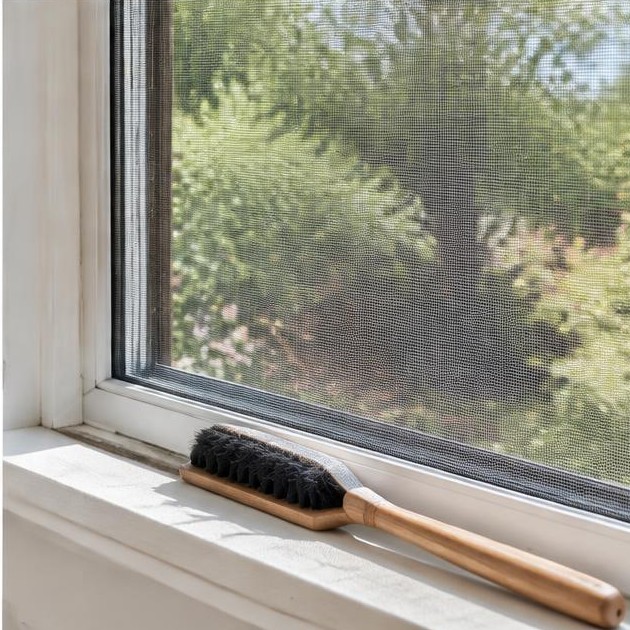
Regularly remove hair, strings, and carpet fibers from the rotating brush roll using a pair of scissors. A tangled brush roll creates friction and resistance that can snap the drive belt or burn out the motor, while also preventing the bristles from agitating the floor surface.
Periodically check the flexible hose for punctures or internal clogs. Even a small hole in the hose will lead to a significant drop in suction pressure. Ensure all attachments are securely clicked into place to maintain an airtight seal during operation.
Operational Safety Hazards
Never use a standard domestic vacuum to clear liquids, hot ashes, or fine construction dust such as drywall or plaster. These materials will instantly clog the filtration system and penetrate the motor housing, leading to permanent mechanical damage and voiding the warranty.
Immediately turn off and unplug the appliance if you notice a burning smell, sparks, or a change in motor pitch. Do not attempt to open the motor housing or bypass safety switches. Seek assistance from an authorized service center for any electrical or internal repairs.
Consistent airflow maintenance keeps your vacuum operating at peak performance while extending its operational life.
Each home has its specifics. A first exchange helps understand your needs before any intervention.
Get in touchQuestion about this article? WhatsAppResources