Resources
Maintaining Tumble Dryer Filters
Reading · 2 min
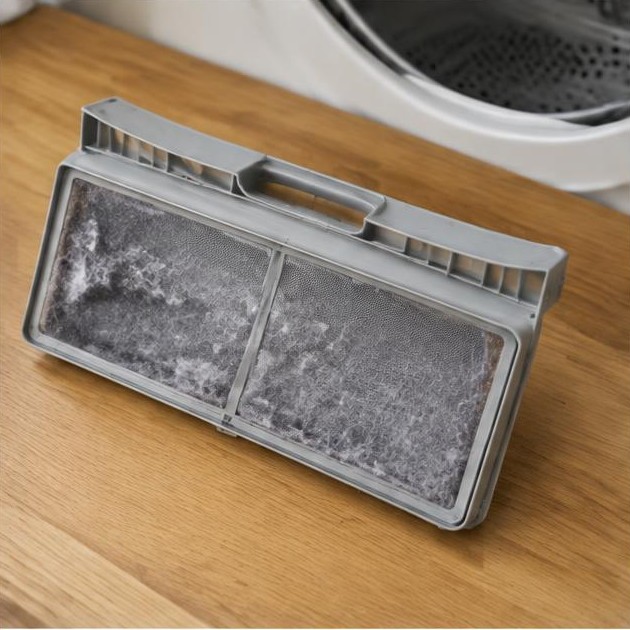
Lint buildup in dryer filters restricts airflow, increases energy consumption, and can cause the appliance to overheat. Regular cleaning ensures your dryer operates safely and dries clothes efficiently every time.
Cleaning the Primary Lint Screen
Slide out the lint filter from the door housing after every single load. Swipe away the collected fibers by hand or use a soft brush to clear the mesh entirely, allowing air to circulate freely and reducing the mechanical strain on the motor during operation.
Periodically wash the screen with warm water to remove invisible waxy residues left by laundry detergents or sheets. Ensure the screen is completely dry before reinserting it, as moisture can trap more dust instantly and severely impede necessary airflow.
Servicing the Condenser Unit
For condenser or heat pump dryers, locate the lower access panel and remove the condenser block or foam filter as per the manual. Rinse it thoroughly under a tap to flush out fine particles that settle in the unit and reduce its cooling or heating capacity.
Handle the delicate internal fins with extreme care to avoid bending them, which reduces thermal efficiency. Never use a vacuum cleaner with a hard nozzle or sharp tools directly on the fins, as they are fragile and essential for the heat exchange process.
Air Path and Safety Checks
Check the external vent hood and any internal ducting for lint accumulation at least twice a year. Obstructed vents cause the dryer to overheat, potentially damaging the internal thermostat or causing the heating element to fail prematurely due to lack of ventilation.
Keep the area around the dryer clear of flammable materials and ensure the room has adequate air supply. Never operate the appliance without all filters correctly installed, as lint entering the heating assembly poses a serious safety risk and can cause internal damage.
When to Call a Professional
If the dryer takes multiple cycles to dry a standard load or if the exterior cabinet feels excessively hot, stop using the appliance. These symptoms often point to a blockage deep within the internal chassis or a failing drive belt that requires technical expertise.
Do not attempt to open the electrical housing or repair the heating element yourself. Electrical work on high-voltage appliances requires certified expertise to prevent shocks, and bypassing safety switches or internal sensors can lead to catastrophic failure or fire.
Routine filter maintenance is the most effective way to prevent overheating and extend the operational life of your dryer.
Each home has its specifics. A first exchange helps understand your needs before any intervention.
Get in touchQuestion about this article? WhatsAppResources