Resources
Organizing Opened Food in the Refrigerator
Reading · 2 min
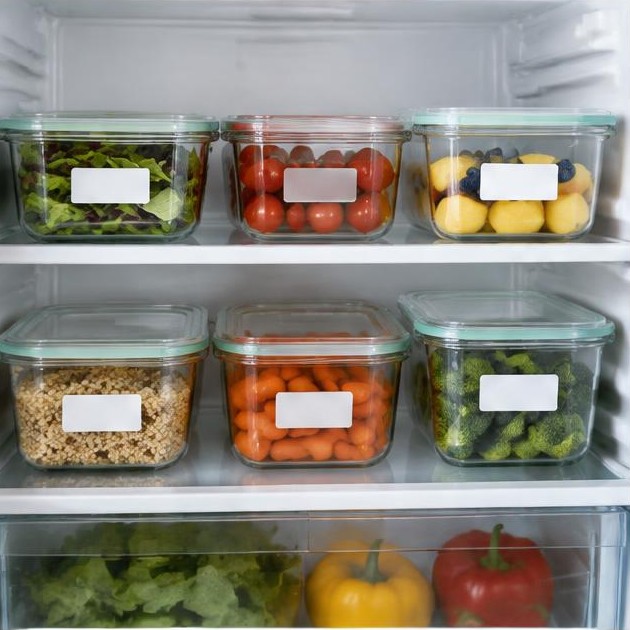
Proper management of opened items in your refrigerator prevents food waste and ensures high hygiene standards. Follow these professional steps to structure your opened supplies and maintain their nutritional value.
Airtight Storage and Proper Dating
Always transfer leftovers from metal cans or original packaging into airtight glass or food-grade plastic containers. Exposure to air speeds up oxidation and flavor degradation, especially for acidic foods, and facilitates the growth of aerobic bacteria.
Label every container with the exact date it was opened. Most fresh opened items should be consumed within 2 to 3 days to maintain optimal safety and quality. Refer to the manufacturer's 'use by' instructions regarding shelf life after opening.
Strategic Temperature Zoning
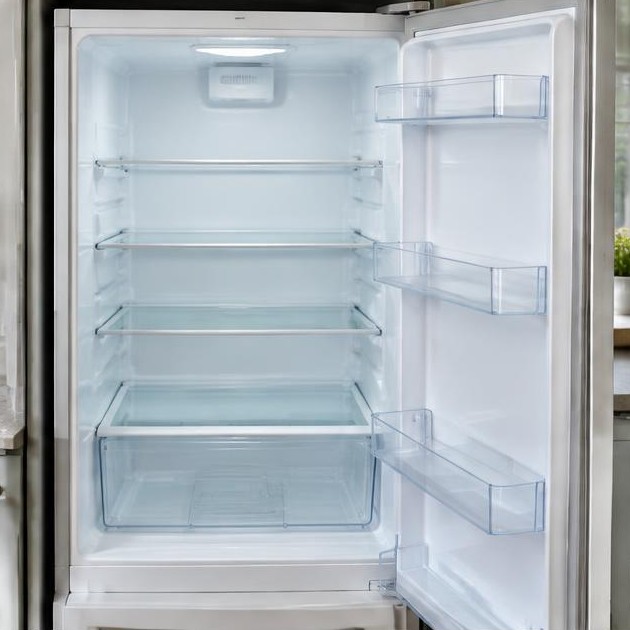
Store opened jars and dairy products on the middle or upper shelves where temperatures are most consistent. Avoid keeping highly perishable opened items in the door racks, as this area is subject to significant temperature fluctuations every time the door is opened.
Ensure adequate spacing between containers to allow cold air to circulate freely. Overcrowding blocks the internal cooling vents, which can lead to unsafe temperature pockets where food spoilage occurs faster than expected.
Preventing Cross-Contamination and Odors
Keep strong-smelling items, such as specialty cheeses or cut onions, in sealed containers to prevent their volatile odors from migrating to neutral foods like milk or butter. This preserves the original taste profile of all stored ingredients.
Store opened raw ingredients on the lowest shelves and cooked leftovers or ready-to-eat meals on the upper shelves. This physical separation prevents accidental drips or splashes from contaminating food that will not undergo further cooking.
Safety Limits and Appliance Maintenance
Regularly inspect opened food for changes in color, texture, or smell. If signs of spoilage appear, discard the item immediately. Never rely solely on the date if the food looks or smells suspicious, as storage conditions can vary.
If the refrigerator fails to maintain a steady temperature below 4°C, consult the owner's manual for troubleshooting or call a technician. Do not attempt to modify electrical components or internal wiring, as this poses a safety risk and may void your warranty.
Methodical fridge organization is a simple yet effective way to protect your health and extend the shelf life of your food.
Each home has its specifics. A first exchange helps understand your needs before any intervention.
Get in touchQuestion about this article? WhatsAppResources