Resources
Cleaning an Acrylic Bathtub Without Scratching
Reading · 2 min
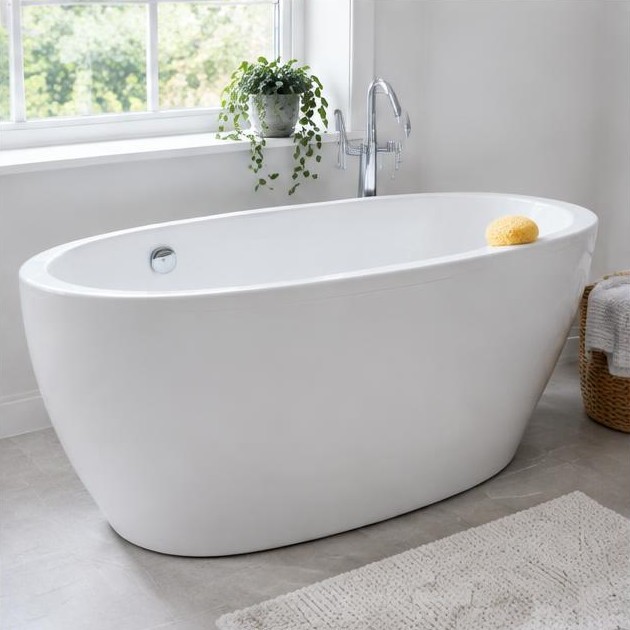
Acrylic is a popular material for its heat retention, but its synthetic surface is highly vulnerable to mechanical damage. Proper maintenance preserves its satin finish without compromising the integrity of its structure.
Selecting Tools and Products
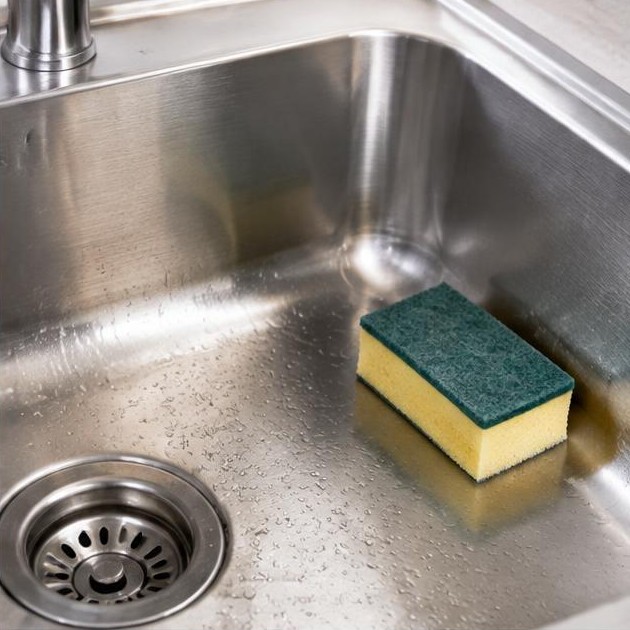
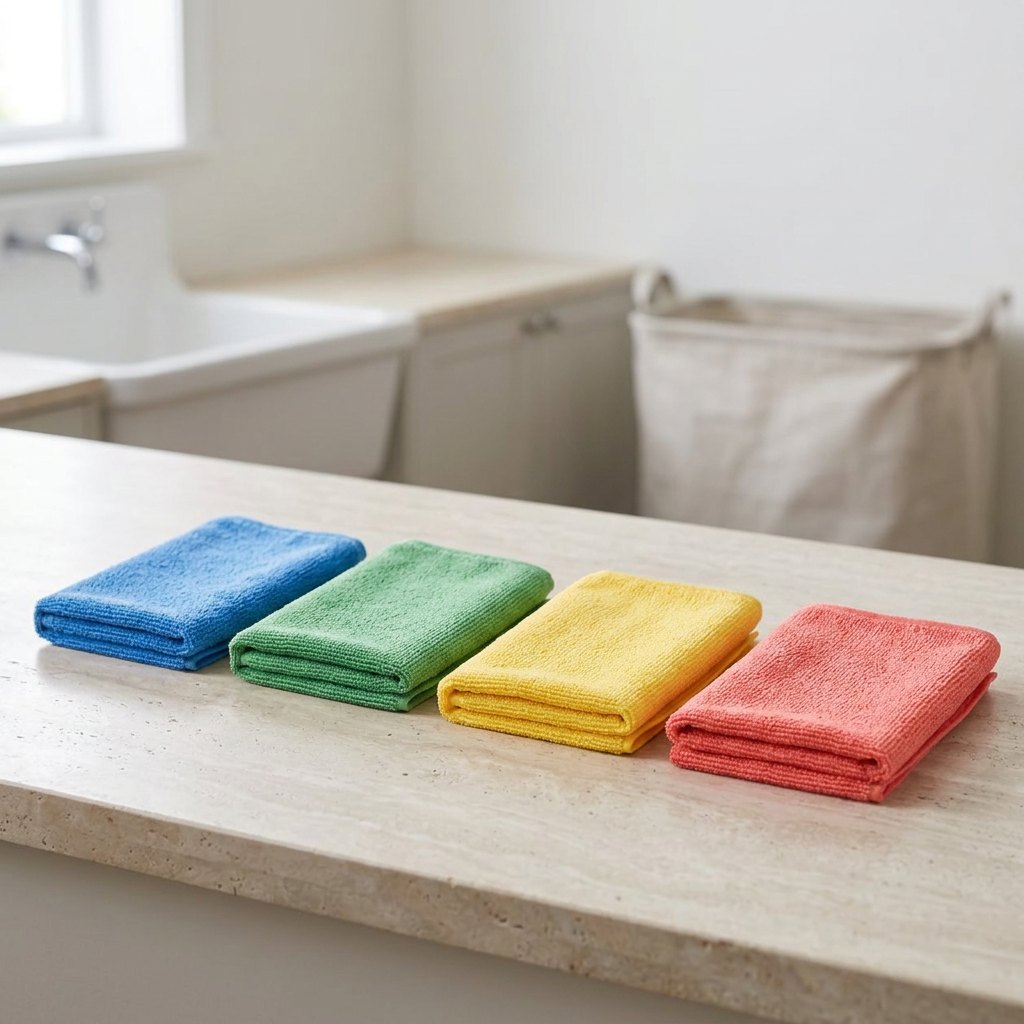
Use exclusively soft sponges or microfiber cloths. Absolutely avoid green or metallic scouring pads, which create microscopic grooves where dirt and bacteria will eventually become permanently embedded.
Opt for neutral liquid soap or a manufacturer-certified acrylic cleaner. The use of scouring powders is strictly prohibited as their abrasive grains act like sandpaper on the resin surface, leaving the tub dull and rough.
Gentle Cleaning Technique
Wet the surface with lukewarm water before applying your cleaner. Perform light circular motions without applying heavy pressure to the walls. The goal is to lift body oils and soap scum through gentle, targeted chemical action.
Rinse immediately with clear water to avoid leaving a sticky residue. Never allow chemical cleaners to sit at the bottom of the tub for extended periods, as this could lead to irreversible discoloration or damage to the acrylic over time.
Cautions and Chemical Safety
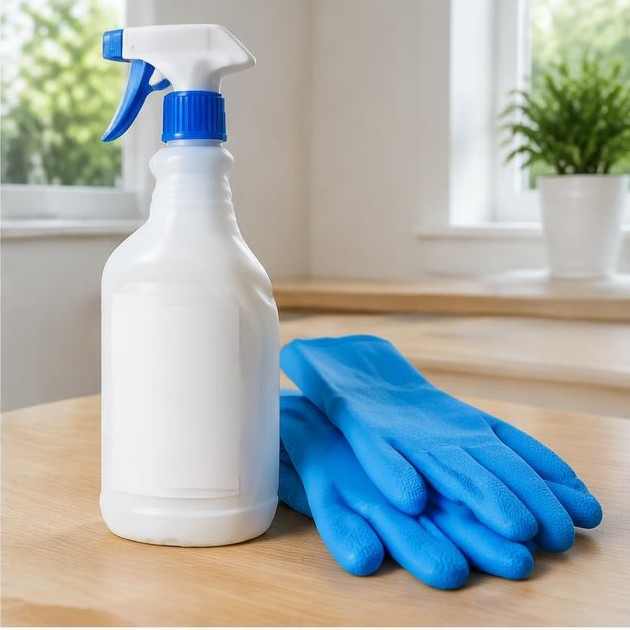
Never mix different cleaning products in the bathtub. Solvents such as acetone, benzene, or paint strippers are strictly forbidden, as they will instantly melt or warp the acrylic surface upon contact.
Always check the product label and perform a spot test on a hidden area. Certain colored bath salts or essential oils can stain the surface if not rinsed after every use. Additionally, avoid contact with hot objects like hair styling tools.
When to Call an Expert
If you notice deep cracks or crazing around the drain, do not attempt to sand the area yourself. A mistake in handling could make the tub porous and unrecoverable, leading to an expensive replacement.
For visible scratches, specific professional polishing kits exist. If the structure of the tub seems to sag or creaks under the weight of water, consult an installer immediately to check the support frame and subfloor.
Gentle handling and the use of non-abrasive products ensure the longevity and like-new appearance of your bathtub for many years.
Each home has its specifics. A first exchange helps understand your needs before any intervention.
Get in touchQuestion about this article? WhatsAppResources