Resources
Drying and Washing a Shower Curtain
Reading · 2 min

Shower curtains are constantly exposed to moisture and soap residue, which encourages mold growth and bacterial buildup. Strict maintenance routines extend the life of the fabric and ensure a hygienic environment for your daily care.
Daily Drying Routine
After every use, fully extend the curtain across the entire length of the rod. If left bunched up, water remains trapped in the folds for hours, creating a perfect breeding ground for mildew and fungi that can eventually damage the fabric and your health.
Ensure the bottom of the curtain is not stuck to the inside of the tub or shower tray. Air must circulate freely on both sides of the material for optimal evaporation. This simple step prevents the lower edge from developing a slimy biofilm and odors.
Machine Washing Guidelines
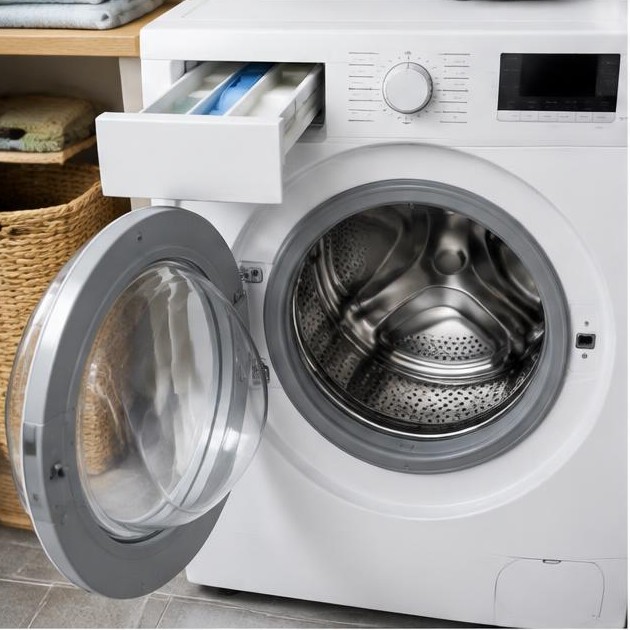
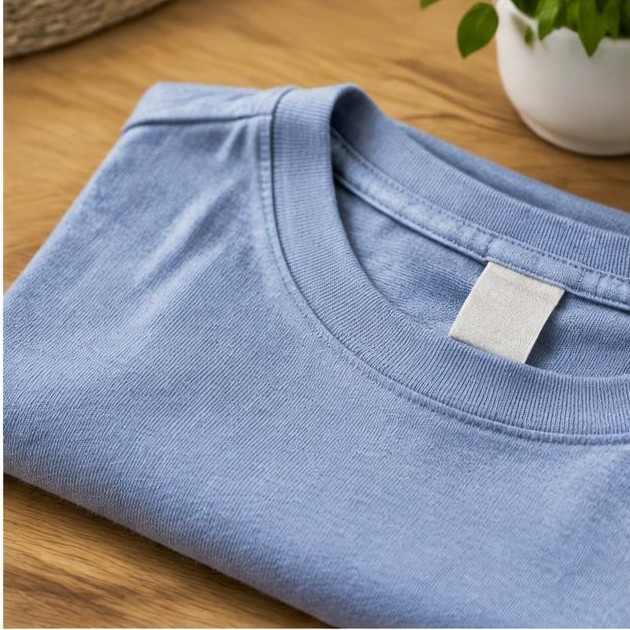
Wash fabric curtains once a month to prevent buildup. Use a delicate cycle at 30°C or 40°C maximum, following the manufacturer's care label to avoid damaging the synthetic fibers or the protective waterproof coating. Always test a small hidden area if using a new detergent.
Place two large bath towels in the drum to act as gentle scrubbers against the curtain surface during the wash. Never use fabric softener, as it coats the fibers and significantly reduces the curtain's water-repellent properties over time, making it stay wet longer.
Preventing Mold Spots
If black mold spots appear, treat them locally with a paste of baking soda and water before washing. Never mix vinegar and bleach, as this chemical combination creates dangerous toxic chlorine fumes that are harmful if inhaled in a confined bathroom space.
Rinse the curtain thoroughly with clean water after each shower to remove body wash and shampoo residues. These organic deposits nourish bacteria and accelerate the yellowing and stiffening of the bottom edge, leading to premature aging of the material.
When to Replace the Curtain
When the fabric becomes noticeably stiff or mold stains remain deeply embedded in the fibers despite multiple washes, it is time for a replacement. A contaminated curtain degrades indoor air quality by releasing spores into the air every time it is moved.
Stop using the curtain if the eyelets are torn or if there are visible holes in the fabric. A damaged curtain fails to contain water effectively, potentially leading to slippery floors and water damage to your bathroom furniture and flooring materials.
Keeping your curtain fully extended to dry and cleaning it regularly is essential for a healthy bathroom free from dampness and mold.
Each home has its specifics. A first exchange helps understand your needs before any intervention.
Get in touchQuestion about this article? WhatsAppResources