Resources
Washing Microfiber Cloths to Maintain Efficiency
Reading · 2 min
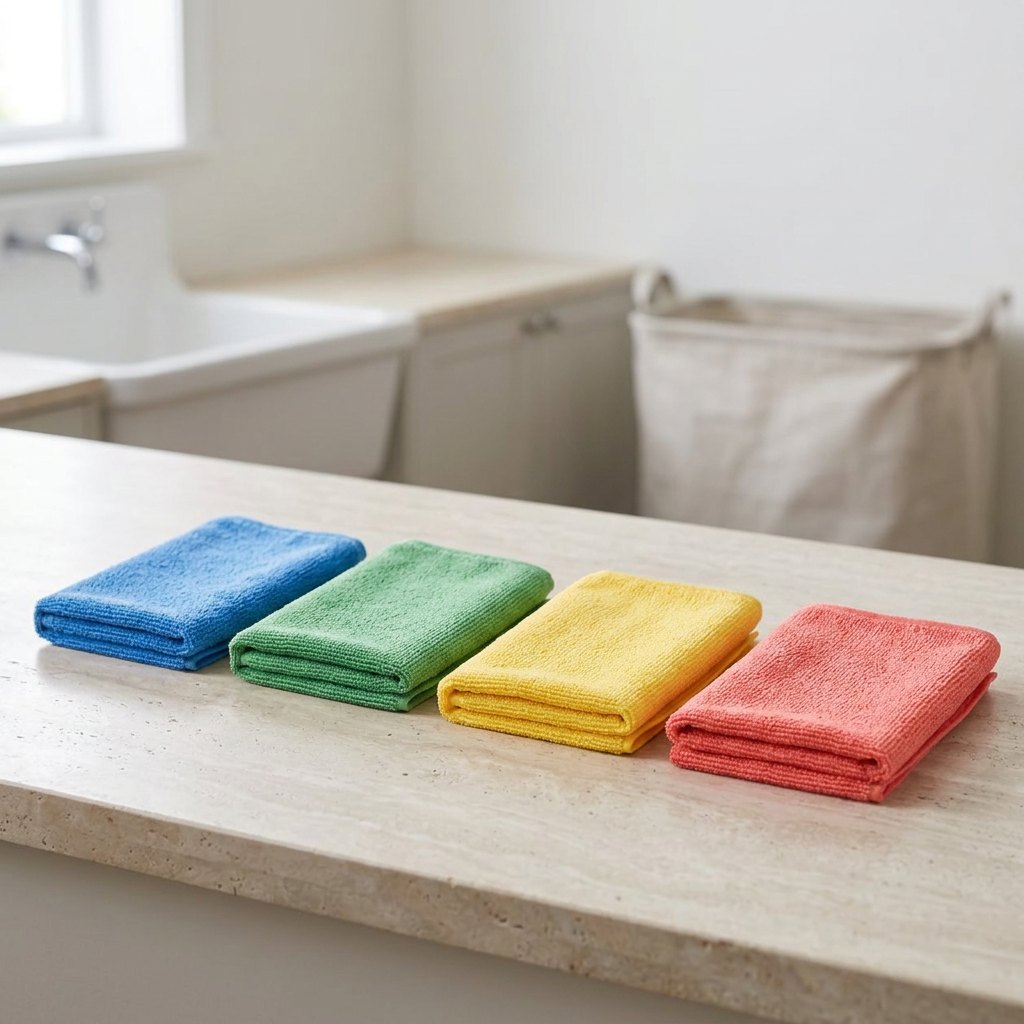
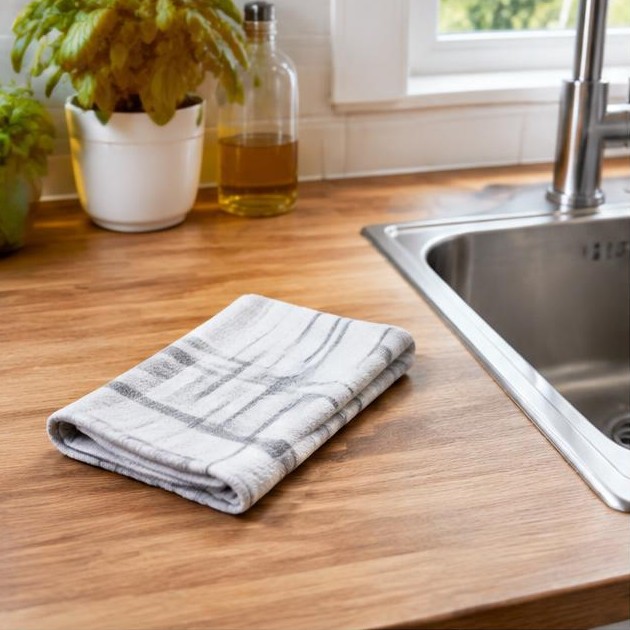
Microfiber is a specialized synthetic textile designed to trap contaminants at a microscopic level. Correct laundering is essential to prevent fiber damage and maintain the electrostatic properties that make them effective cleaning tools.
Segregation and Pre-Treatment
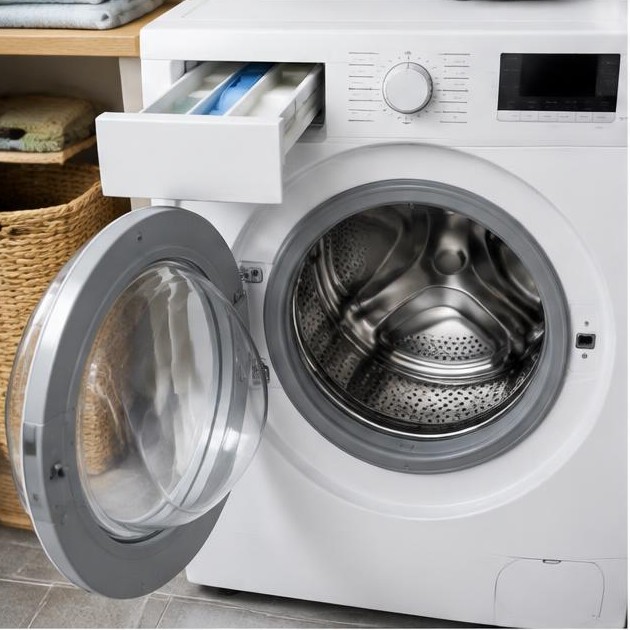
Always wash microfiber cloths separately from other household laundry, especially cotton towels. Microfiber acts as a magnet for lint, and mixing fabrics will result in cloths that leave fuzzy residues on your glass surfaces and screens during subsequent use.
Shake out cloths outdoors to remove grit and debris before washing. If a cloth is heavily saturated with cleaning solution, rinse it in warm water first to ensure the machine detergent can penetrate the fibers effectively without being neutralized by chemical residues.
Optimal Washing Cycles
Select a warm water setting, typically between 100°F and 140°F (40°C-60°C). While cold water may not release trapped oils, boiling water can melt the synthetic filaments of polyester and polyamide, causing the fabric to lose its characteristic softness and cleaning power.
Use a small amount of clear liquid detergent without fragrances or fabric softeners. Softeners coat the fibers in a waxy residue, rendering them non-absorbent and useless for dust collection. Similarly, avoid bleach as it causes the synthetic structure to disintegrate over time.
Drying and Storage Techniques
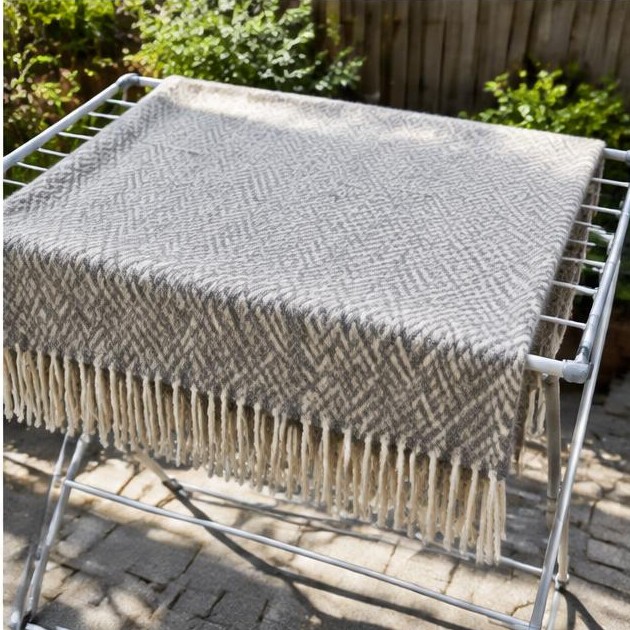
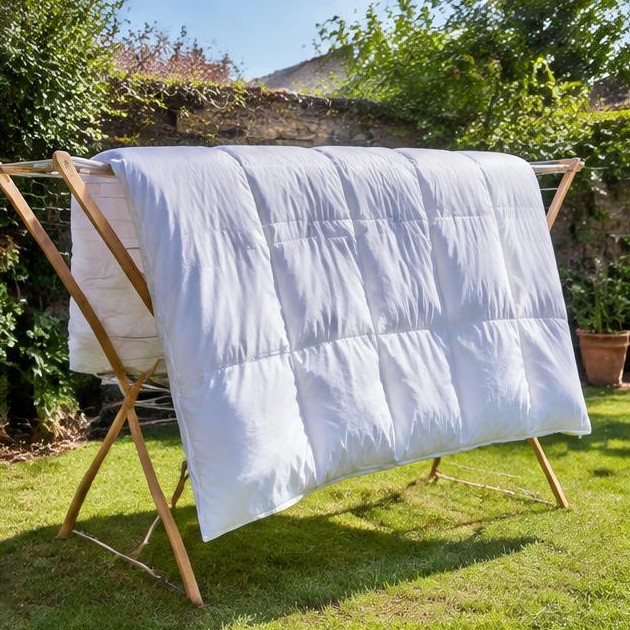
Air drying is the preferred method to extend the lifespan of these textiles. If using a machine dryer, select the lowest heat setting possible or 'Air Fluff.' High heat can sear the tips of the fibers, resulting in a scratchy texture that can damage delicate surfaces.
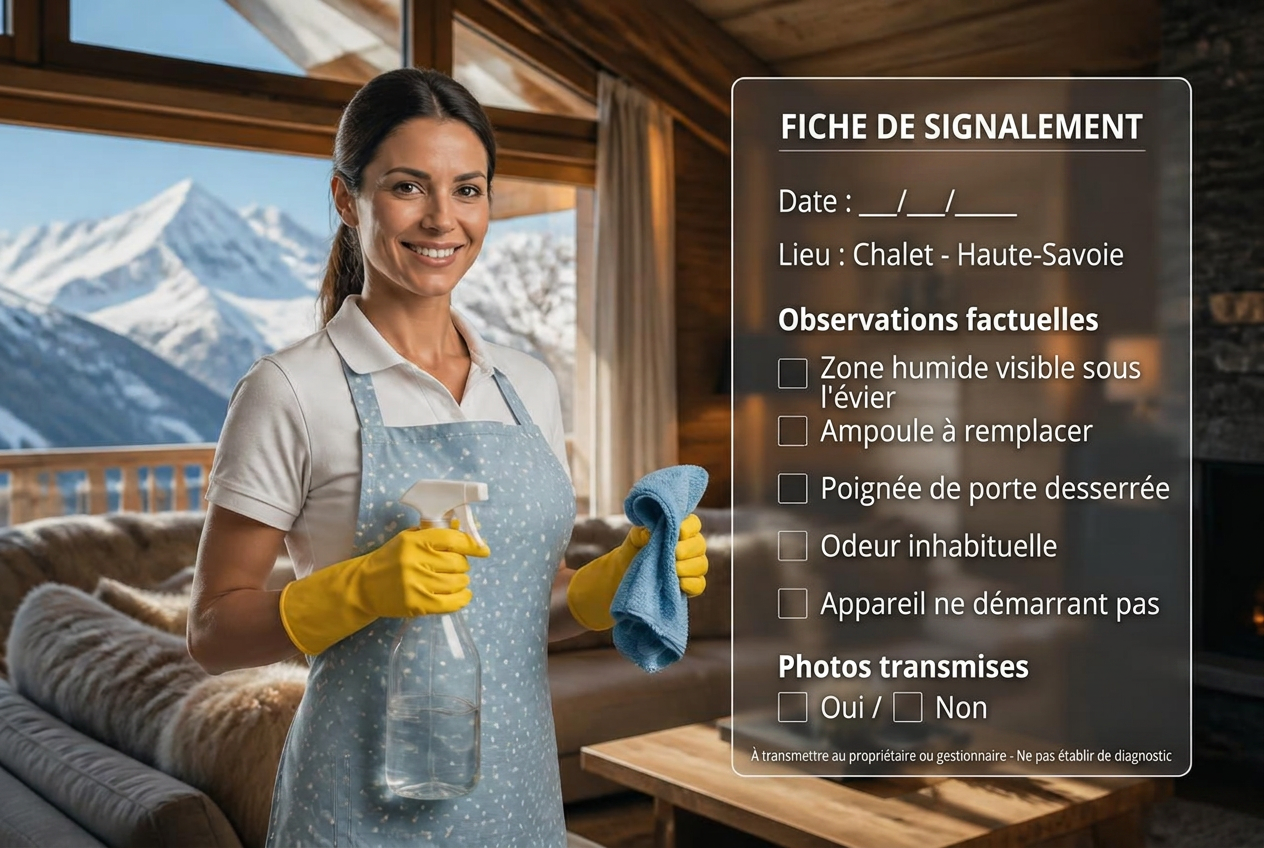
Store dry cloths in a clean, dust-free container. Keeping them sorted by color prevents cross-contamination between different household zones. For example, use specific colors for high-bacteria areas like bathrooms to ensure they are never used in food preparation areas.
Knowing When to Replace
Inspect your cloths for a stiff texture or a significant loss of absorbency. If the fabric feels scratchy or repels water, it has likely been overheated or clogged with residues. At this stage, the cloth should be downgraded to heavy-duty tasks where surface scratching is not a concern.
Discard any microfiber cloth that has been used with harsh solvents or automotive lubricants. These substances bond to the synthetic fibers and are rarely fully removed by household washing, posing a risk of surface contamination during future cleaning sessions.
Proper care ensures your microfiber tools remain lint-free and highly absorbent for hundreds of cleaning cycles.
Each home has its specifics. A first exchange helps understand your needs before any intervention.
Get in touchQuestion about this article? WhatsAppResources