Resources
Maintaining a leather armchair without drying it out
Reading · 2 min
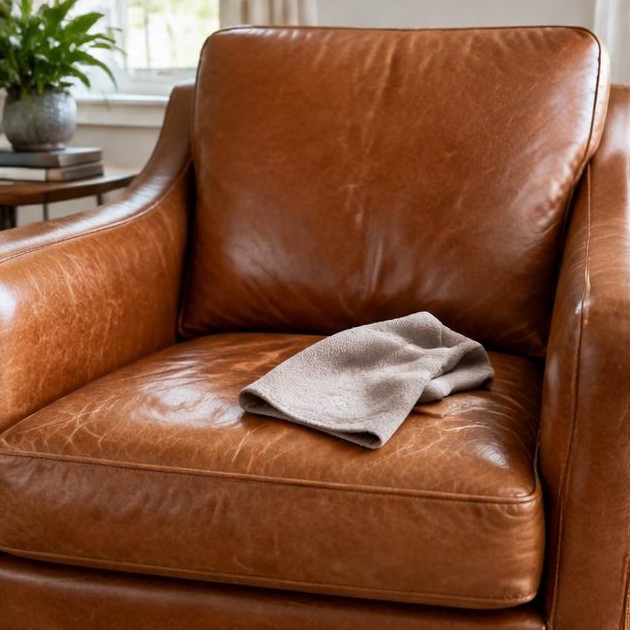
Leather is an organic material that requires specific care to maintain its structural flexibility. In regions with intensive indoor heating, the lack of humidity can accelerate the drying and cracking of fine upholstery, making a dedicated maintenance routine essential for longevity.
Surface Dusting Techniques
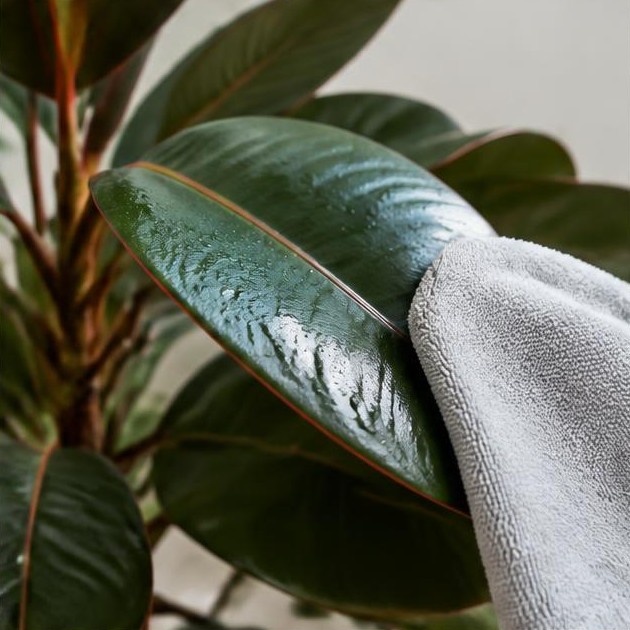
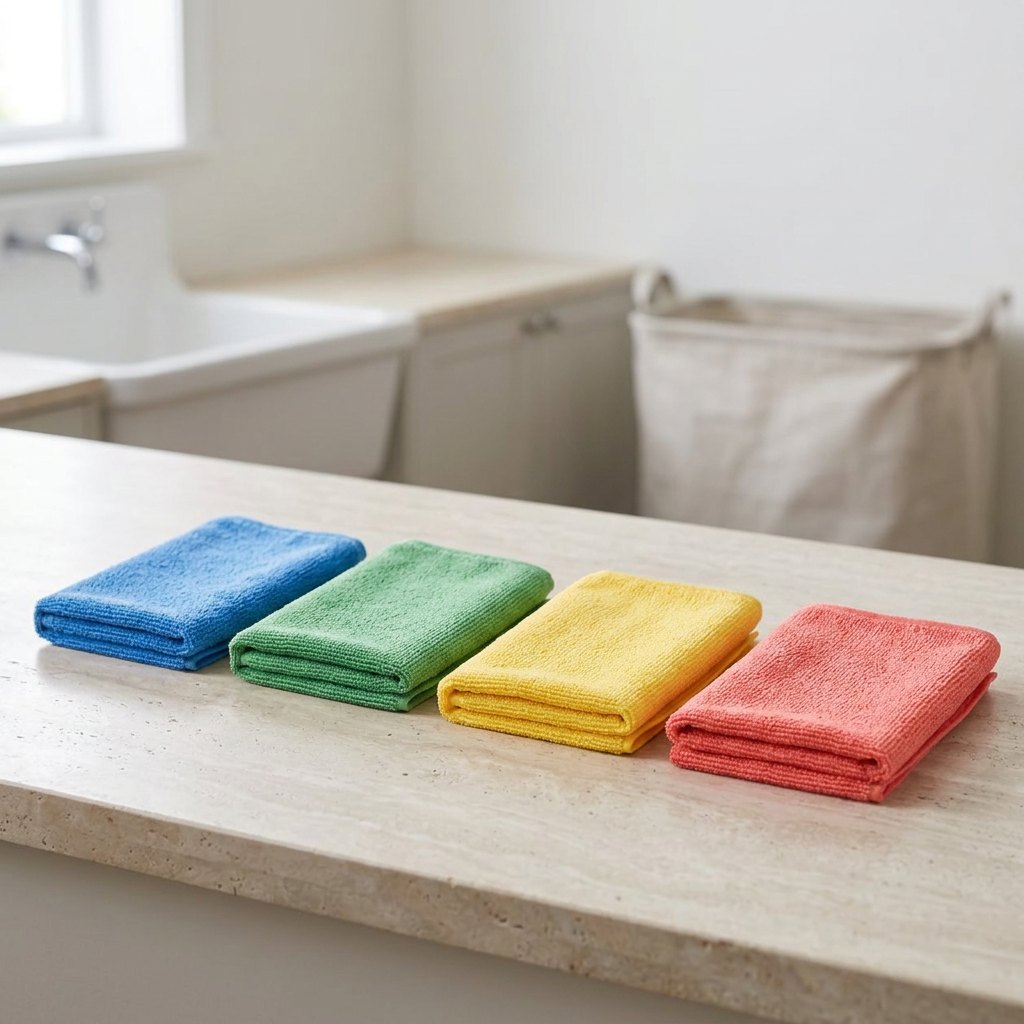
Use a dry, lint-free microfiber cloth to gently wipe the entire surface. This removes abrasive particles and environmental pollutants that could scratch the leather's delicate finish over time if left to accumulate within the creases of the material.
Avoid using generic household wipes or dusting sprays, which often contain alcohol or drying agents. These chemicals strip away the hide's natural oils, leading to premature aging, brittleness, and a loss of the leather's characteristic soft texture.
Safe Cleaning Protocol
Always begin by testing any cleaning method on a hidden area to ensure colorfastness. If required, dampen a soft cloth with a tiny drop of pH-neutral soap formulated for leather. Wring it out thoroughly until it is barely damp to avoid water saturation.
Never mix ammonia-based cleaners, bleach, or acidic solutions with leather care products. Always refer to the manufacturer's care label located under the seat cushion to ensure the cleaning method is compatible with your specific leather finish.
Nourishing the Material
Apply a specialized leather conditioner approved for furniture use every six months. Rub it in gently using light circular motions and allow it to air dry naturally, away from direct sunlight or intense heat sources like radiators and fireplaces.
Be cautious with homemade remedies such as vinegar or vegetable oils, which can damage the tanning agents or turn rancid over time. Only use products specifically formulated for high-quality furniture leather to ensure the pores remain unobstructed and healthy.
Identifying Restoration Limits
Stop cleaning immediately if you notice the color transferring to your cloth or if the leather feels sticky after the product has dried. This indicates a breakdown of the protective top coat, which requires professional evaluation rather than further home treatment.
For deep structural tears, stubborn ink stains, or significant fading, seek a professional leather restoration specialist. Attempting to repair major damage at home without specialized tools often results in permanent scarring or further degradation of the hide.
Consistent hydration and gentle, informed handling will keep your leather armchair looking pristine and comfortable for many years.
Each home has its specifics. A first exchange helps understand your needs before any intervention.
Get in touchQuestion about this article? WhatsAppResources