Resources
Grease Stains on Fabric: Avoiding False Remedies
Reading · 2 min
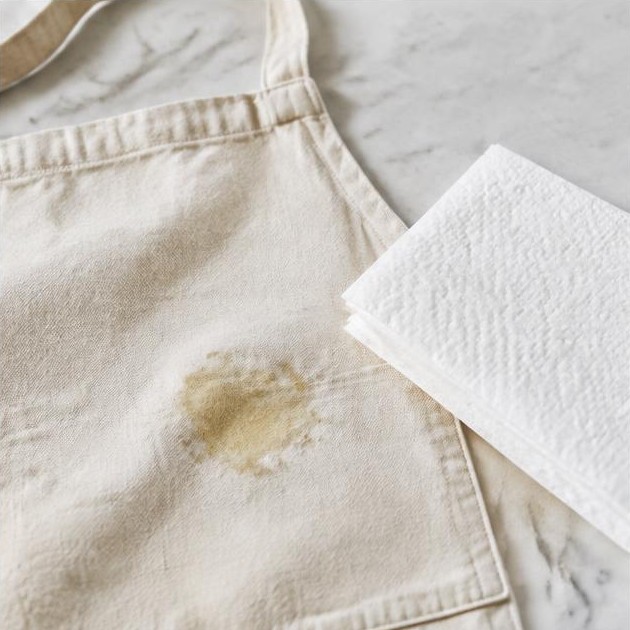
Oil and water don't mix, making grease spots particularly stubborn on cotton and synthetics. This guide details the correct steps to remove lipids without creating permanent rings.
Dry Absorption First
Cover the fresh grease mark with cornstarch or talcum powder. Leave it to sit for at least 30 minutes, allowing the powder to draw the oil out of the fabric through capillary action. This method removes the bulk of the contaminant without spreading the grease to clean areas.
Brush away the powder gently once it appears clumped or saturated. Never apply water before this step, as moisture locks the oil into the fibers, making it significantly harder to remove during the subsequent wash cycle and increasing the risk of permanent rings.
Targeted Degreasing
Apply a small drop of clear dish soap directly to the area. Gently work the soap into the fiber with your fingertip to emulsify the remaining lipids without soaking the entire garment. Dish soap is specifically formulated to break down heavy oils and kitchen fats.
Avoid colored detergents that could stain light-colored fabrics. Ensure you check the manufacturer's label for the appropriate water temperature to avoid shrinking the item. Always test a small hidden area first to ensure colorfastness when using concentrated detergents.
Rinsing and Temperature Balance
Rinse the area with lukewarm water. Cold water causes grease to solidify and trap in the fibers, while boiling water can damage delicate structures. Tepid water is ideal for flushing out the soap-oil emulsion effectively from the back of the fabric to the front.
Do not use flammable solvents or gasoline-based cleaners. Never attempt to treat grease stains near open flames or high-heat appliances due to the risk of ignition. Ensure the room is well-ventilated if using any specialized commercial spot cleaners.
When to Stop Treating
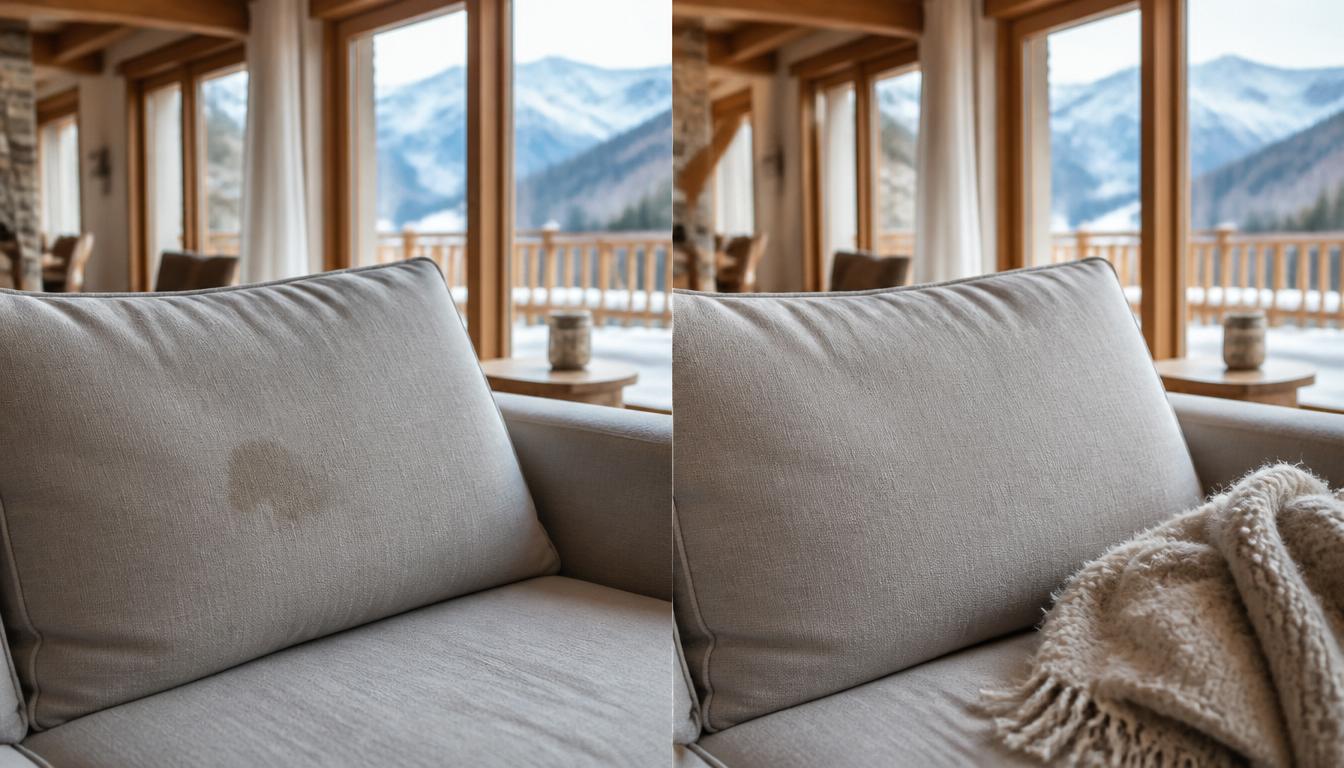
If a dark shadow remains after air-drying, do not put the item in a tumble dryer. Intense heat will permanently set the remaining grease into the fabric, making it impossible to remove later. Repeat the degreasing process or seek professional help if the first attempt fails.
For specialized materials like suede or leather, avoid liquid treatments entirely as they can cause permanent water spots. If a stain has oxidized and hardened over time, professional dry cleaning is necessary to protect the material integrity and dissolve polymerized fats.
Prioritizing dry absorption over immediate washing ensures the best results for grease removal on most fabrics.
Each home has its specifics. A first exchange helps understand your needs before any intervention.
Get in touchQuestion about this article? WhatsAppResources