Resources
Maintaining Tile Grout Without Weakening It
Reading · 2 min
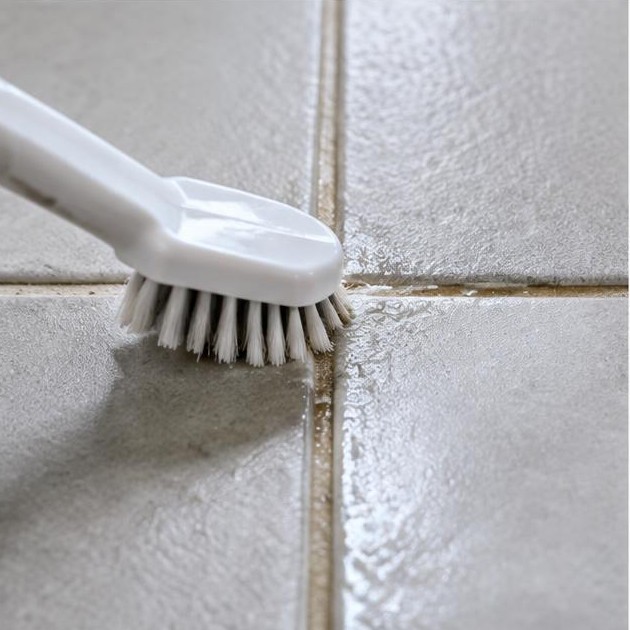
Tile grout acts as a porous seal that requires delicate handling to prevent structural failure. Proper maintenance preserves the aesthetic of your surfaces while preventing staining.
Gentle Scrubbing Techniques
Use a soft-bristled nylon brush to reach into the grout lines without damaging the cementitious structure. Small circular motions are more effective than vigorous linear scrubbing, which can erode the material over time. This technique ensures that you lift surface dirt without compromising the integrity of the seal.
Never use wire brushes or heavy scouring pads. These tools are far too aggressive for standard grout and can create permanent scratches. These abrasions act as pockets where dirt and bacteria collect more rapidly, making future cleaning much more difficult and increasing the risk of mold growth.
Safe Cleaning Protocols
A paste of baking soda and warm water is a safe choice for routine care. Apply the paste to the lines, let it sit for a few minutes to lift grime, and rinse thoroughly with clean water. Always perform a spot test on an inconspicuous area to ensure the mixture does not affect the grout color.
Avoid mixing different cleaning chemicals, especially bleach and acids, as this creates hazardous fumes. Always follow the manufacturer’s label for any commercial grout cleaner to ensure chemical compatibility. Using non-approved products can weaken the bonding agents, leading to premature crumbling and failure of the installation.
Moisture and Ventilation Control
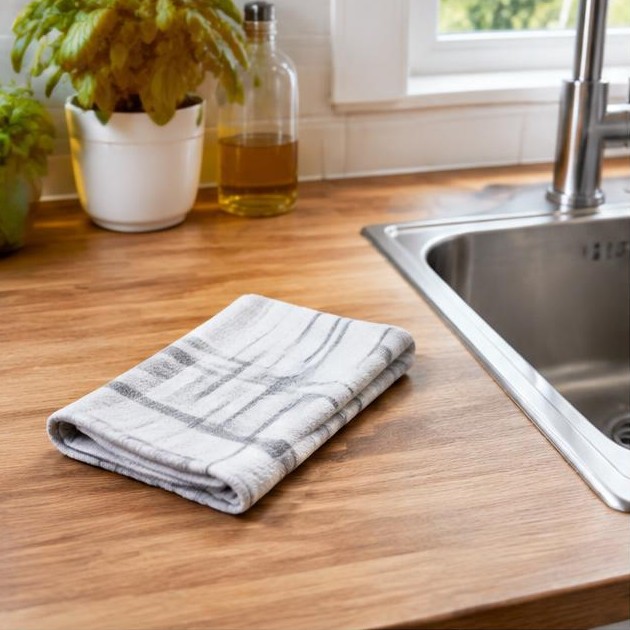
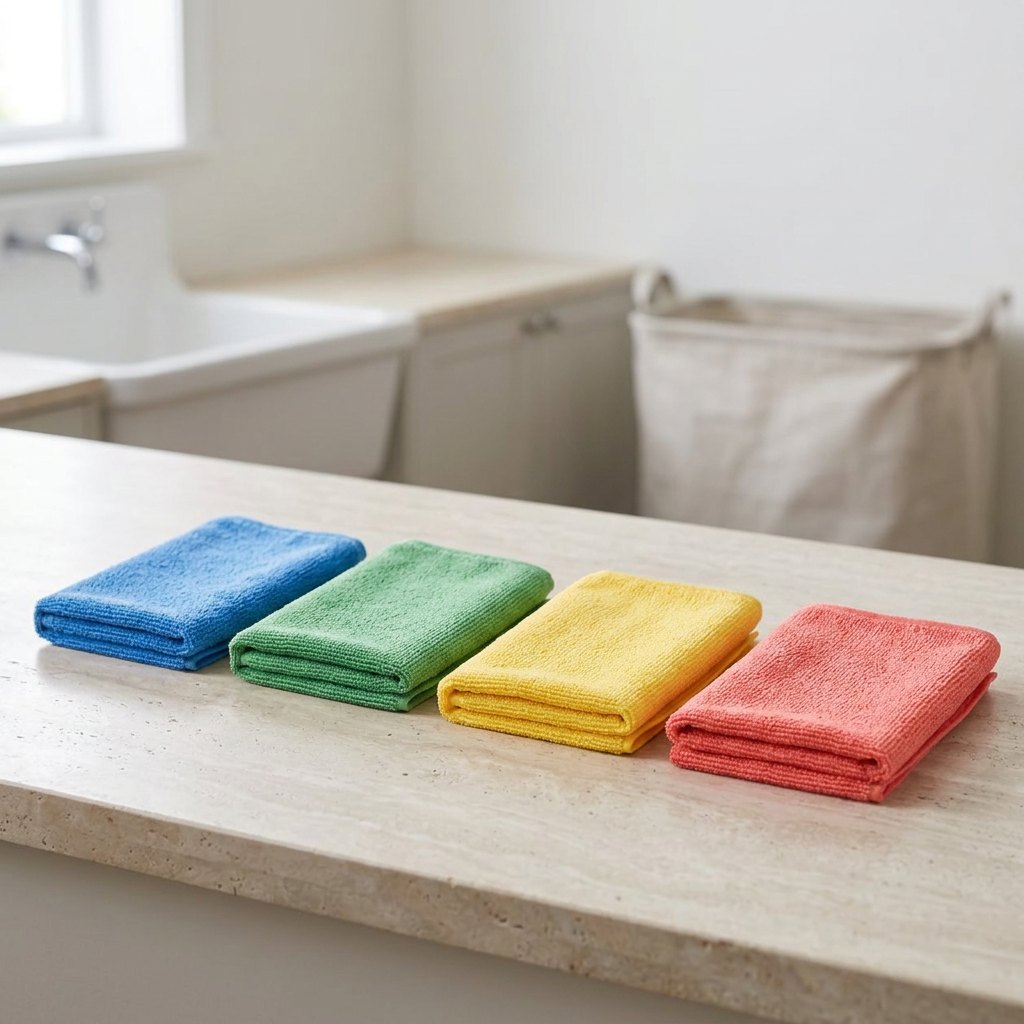
Drying the grout after cleaning is essential for long-term maintenance. Use a clean microfiber cloth to absorb excess moisture, preventing standing water from seeping deep into the pores. This step is crucial for preventing the discoloration and mineral deposits that occur when water evaporates naturally.
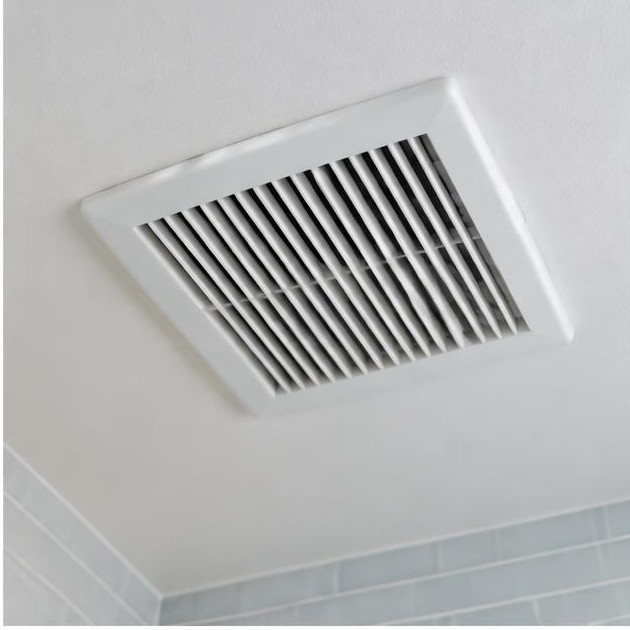
Ensure proper ventilation in the room by opening windows or using exhaust fans. High humidity levels can soften grout over years, so keeping the area dry helps maintain structural integrity. A dry environment is the best defense against the fungal spores that typically thrive in damp bathroom and kitchen settings.
Identifying Structural Failure
If the grout is crumbling, falling out in chunks, or shows signs of deep mold that cannot be removed, stop cleaning immediately. This indicates a failure of the grout itself or the underlying adhesive. Scrubbing failing grout can lead to costly water damage behind the walls or under the floor substrate.
Consult a tiling specialist if you suspect water has bypassed the grout layer. Attempting to repair localized holes with mismatched products often leads to further issues. A professional can assess if the area needs to be fully regrouted to restore the waterproof barrier necessary for your home's protection.
Consistent, mild care is the best strategy for keeping your grout lines intact and bright for years without risking water damage.
Each home has its specifics. A first exchange helps understand your needs before any intervention.
Get in touchQuestion about this article? WhatsAppResources