Resources
Degreasing Kitchen Hood Filters
Reading · 2 min
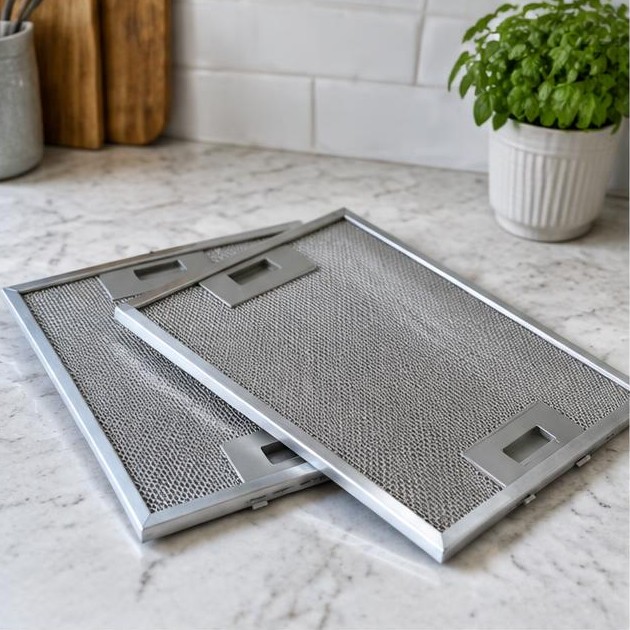
Grease buildup on metal filters reduces suction efficiency and increases the risk of domestic fires. Regular maintenance protects the appliance motor and ensures optimal evacuation of cooking vapors for a healthier environment.
Soaking and Alkaline Solution
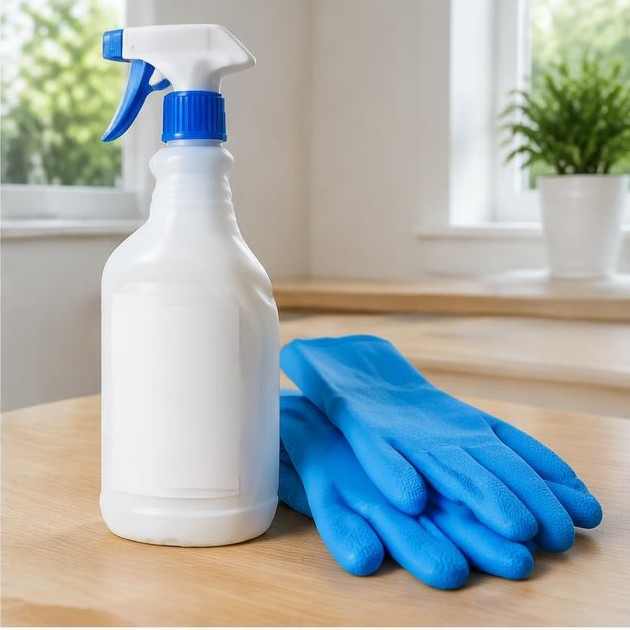
Carefully remove the filters following the manufacturer's guidelines. Submerge them in a large basin filled with very hot water mixed with soda crystals, ensuring you wear protective gloves. Allow them to soak for approximately twenty minutes so that heavy lipid deposits dissolve without the need for excessive mechanical force.
Always test the cleaning solution on a small, hidden area to check for any adverse reaction on the metal surface. Avoid using steel wool or highly abrasive pads that scratch aluminum or stainless steel. These deep scratches trap residues, making future cleaning significantly harder as grease becomes embedded in the damaged surface.
Detailed Manual Scrubbing
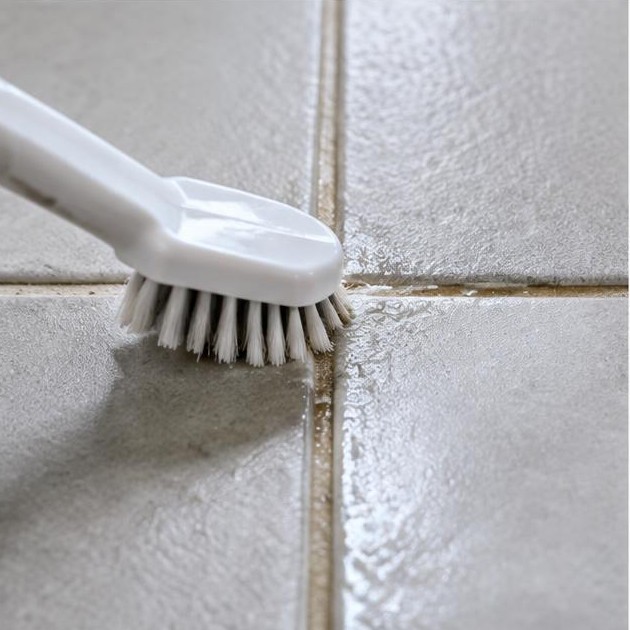
Use a soft-bristled nylon brush to reach into the fine mesh layers and dislodge trapped particles. For final touches, a mixture of mild dish soap and warm water helps remove any remaining oily film. A quick rinse with a diluted white vinegar solution can help restore shine and neutralize persistent cooking odors without damaging the protective coating.
Follow domestic chemical safety protocols strictly during this process. Never mix bleach with acidic degreasers or ammonia-based cleaners. The resulting toxic fumes are extremely hazardous, particularly in the enclosed and often poorly ventilated space of a standard residential kitchen.
Drying and Technical Reinstallation
Rinse the filters thoroughly with clear water to remove all traces of chemical cleaning agents. Allow the filters to air dry completely in an upright position before placing them back into the hood housing. Any residual moisture could lead to corrosion or potentially damage internal electrical components once the unit is powered on.
Check that all mounting clips, springs, and tabs are functional and intact. A poorly secured filter can cause loud vibrations, create annoying operational noise, or fall onto the cooking surface while the appliance is running. Ensure the locking mechanism clicks into place smoothly and remains unobstructed by debris.
When to Replace and Safety Limits
If the metal mesh is torn or if the grease has carbonized to the point of blocking airflow despite thorough cleaning, the filters must be replaced immediately. A clogged filter causes the motor to strain and overheat, which significantly reduces the appliance's lifespan and increases overall energy consumption in the home.
Do not attempt to clean the internal fan motor, turbine, or electrical wiring yourself, as these tasks require specific technical knowledge and carry a risk of electric shock. If the unit produces grinding noises or shows signs of overheating, seek professional assistance from a certified appliance technician.
Maintaining clean filters ensures a safe cooking environment, improves indoor air quality, and optimizes the performance of your ventilation system for years.
Each home has its specifics. A first exchange helps understand your needs before any intervention.
Get in touchQuestion about this article? WhatsAppResources