Resources
Travertine: Protecting a Porous Stone
Reading · 2 min
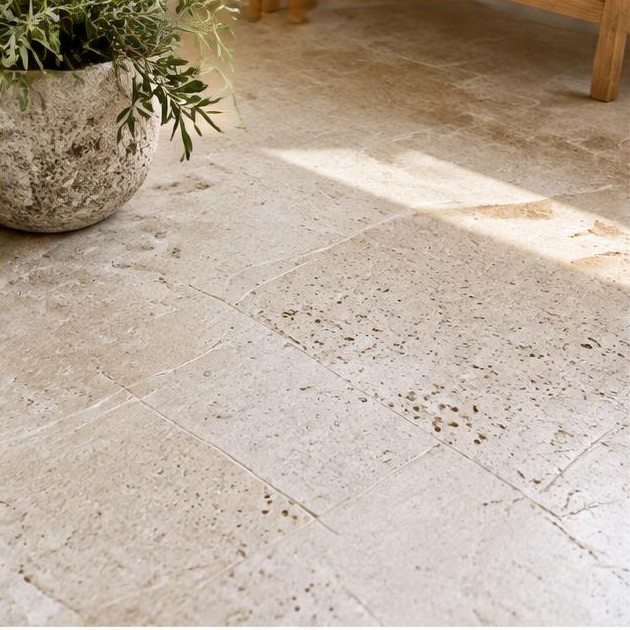
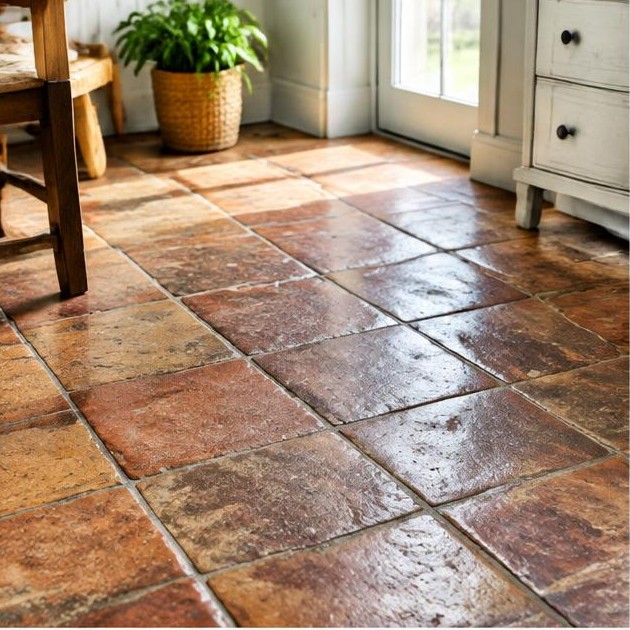
Travertine, known for its natural voids and warm tones, is highly porous and chemically sensitive. Understanding how to manage its unique structure is key to preventing deep-seated stains and structural wear. Follow these professional care tips to maintain its beauty.
Daily Debris Management
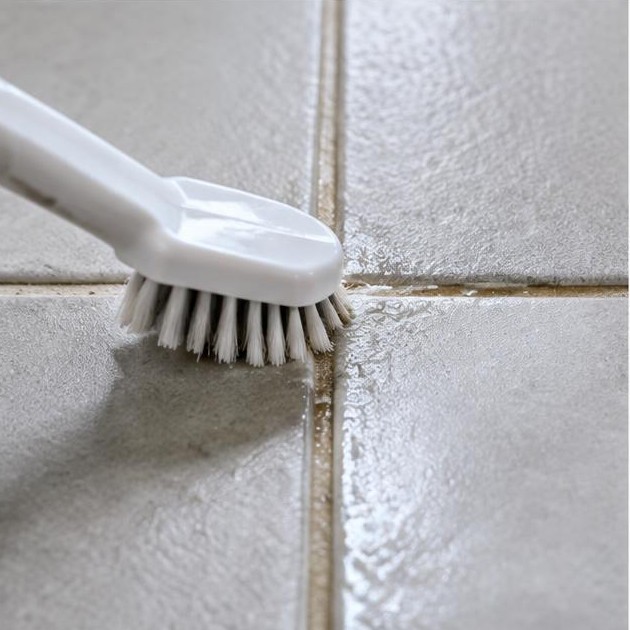
The small holes in travertine act as magnets for dust and grit. Frequent sweeping with a soft brush prevents these particles from becoming ground into the stone, which can darken its appearance and scratch the surface over time.
Avoid using steam cleaners on travertine. The intense heat and high pressure can force moisture deep into the pores and micro-cracks, potentially causing the stone to flake or the grout to degrade prematurely due to thermal stress.
Safe Cleaning Protocols
As a calcium-based stone, travertine is extremely sensitive to acids. Never use vinegar, citrus-based cleaners, or harsh chemicals. Stick to specialized stone soaps that maintain a neutral pH balance to protect the stone's finish and mineral composition.
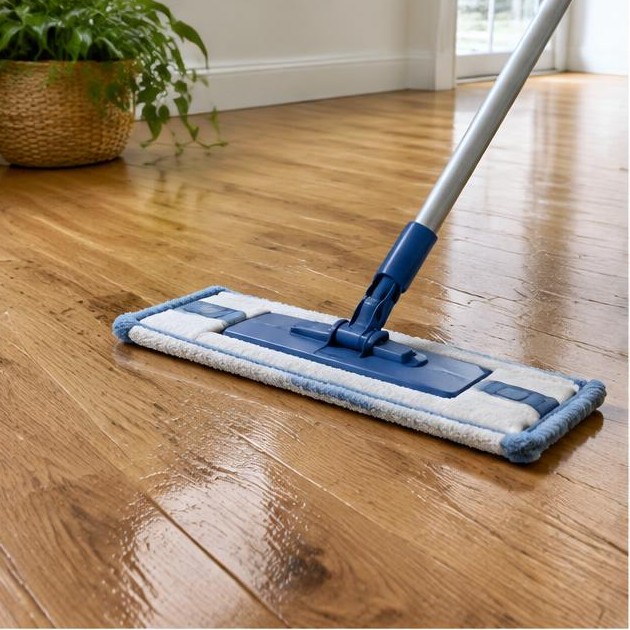
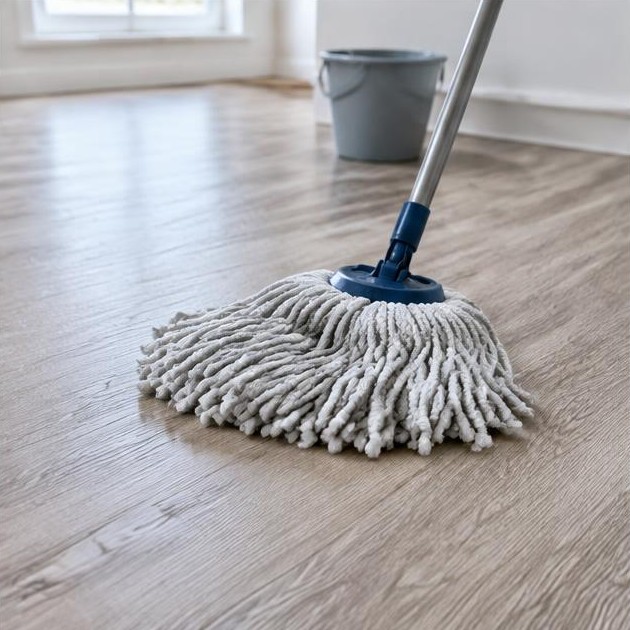
Do not mix cleaning products under any circumstances. Always ensure the room is ventilated and use a damp mop rather than a soaking wet one. This prevents dirty water from pooling in the stone's cavities and leaving dark mineral deposits.
Sealing and Moisture Protection
A high-quality penetrating sealer is the primary defense for travertine. It fills the microscopic pores to repel liquids while remaining breathable. Test the sealer on a small, hidden patch first to ensure it does not unacceptably darken the stone.
Re-apply the sealer according to the manufacturer’s specific guidelines, typically when water no longer beads on the surface. Remember that sealers provide time to react to spills; they do not make the stone completely immune to stains if liquids are left for long periods.
Recognizing Professional Needs
If the stone develops 'etch' marks—dull spots caused by acidic spills—standard cleaning will not fix them. Attempting to buff these out with household abrasives like scouring pads will only worsen the surface damage.
Contact a stone restoration specialist if the holes in the travertine become excessively large or if tiles begin to crumble. They can professionally fill voids with matching resins and hone the surface to restore its structural integrity and aesthetic appeal.
Consistent, gentle maintenance ensures your travertine remains a stunning and durable feature of your interior design.
Each home has its specifics. A first exchange helps understand your needs before any intervention.
Get in touchQuestion about this article? WhatsAppResources