Resources
Protecting Varnished Floors from Scratches
Reading · 3 min
Varnished or lacquered floors offer high durability, yet their glossy finish is susceptible to micro-scratches that dull their appearance over time. While the protective layer acts as a barrier against spills, maintaining its integrity requires specific techniques that avoid chemical degradation and physical abrasion of the topcoat.
Essential Dust Removal and Moisture Control
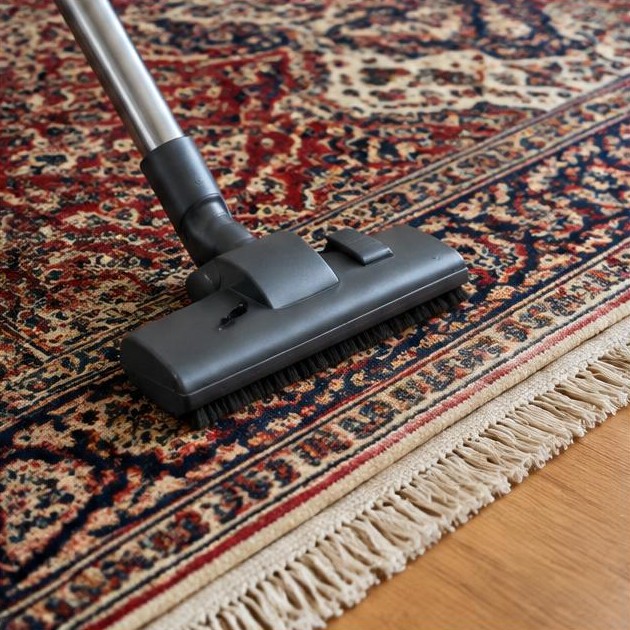
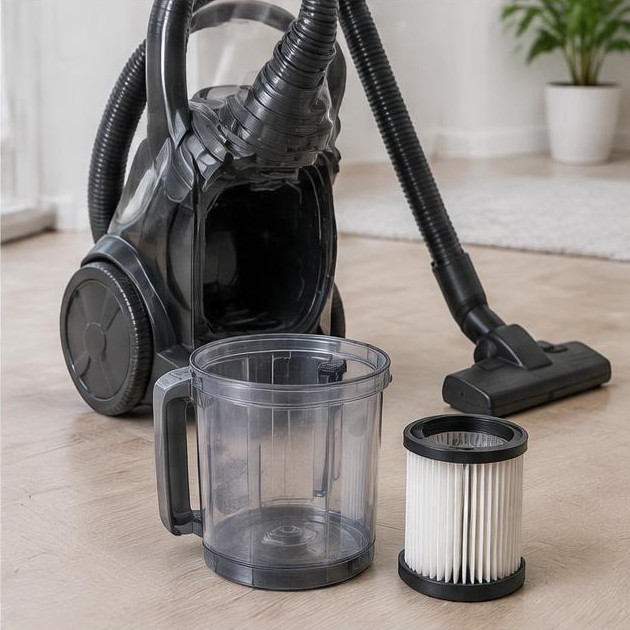
Always start your cleaning routine with a soft-bristled broom or a vacuum cleaner with a hard-floor attachment. Grit, sand, and dust are the primary causes of surface abrasion; walking on these particles creates a sanding effect that slowly grinds down the varnish and destroys the floor's clarity.
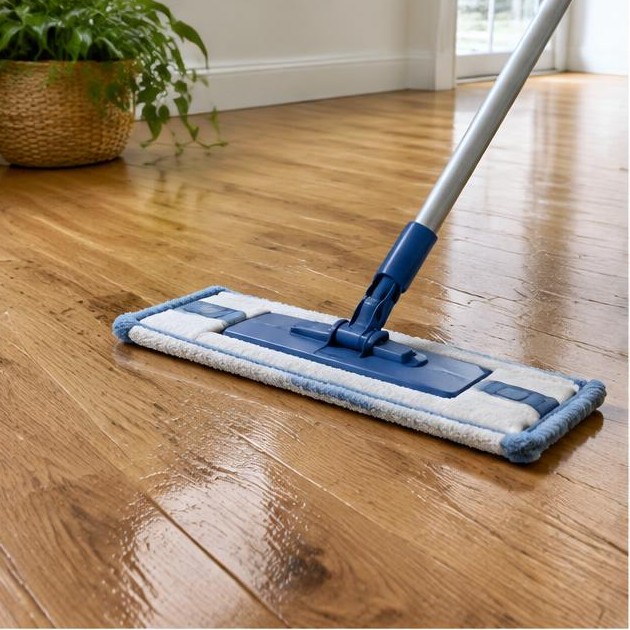
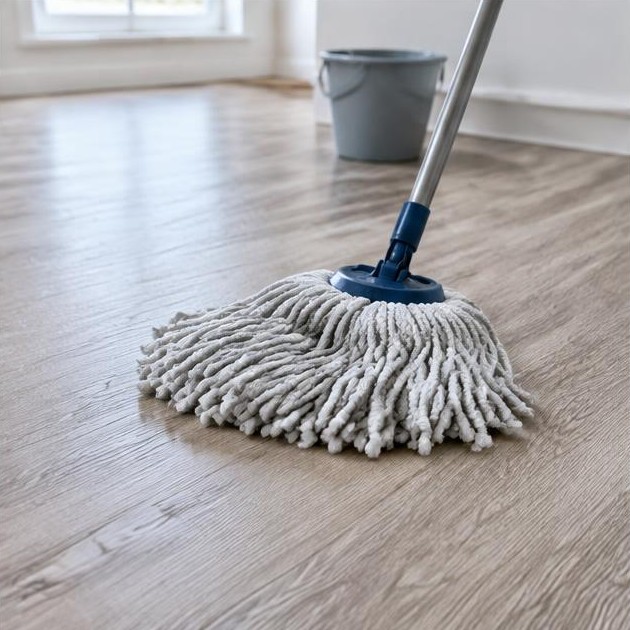
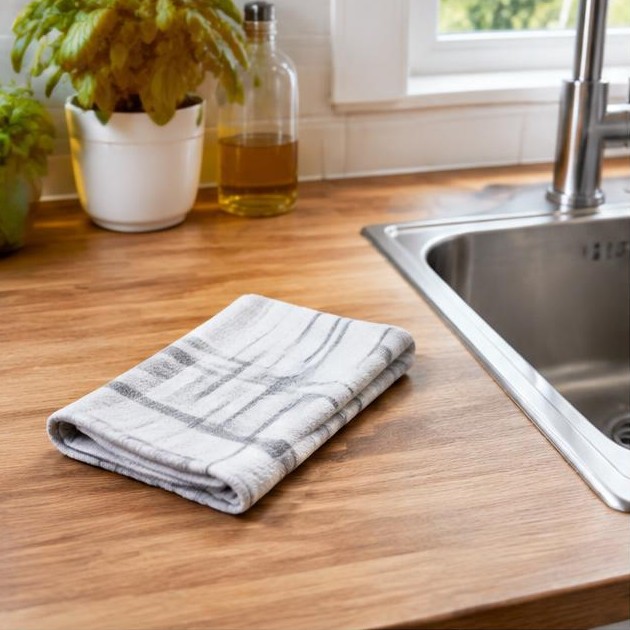
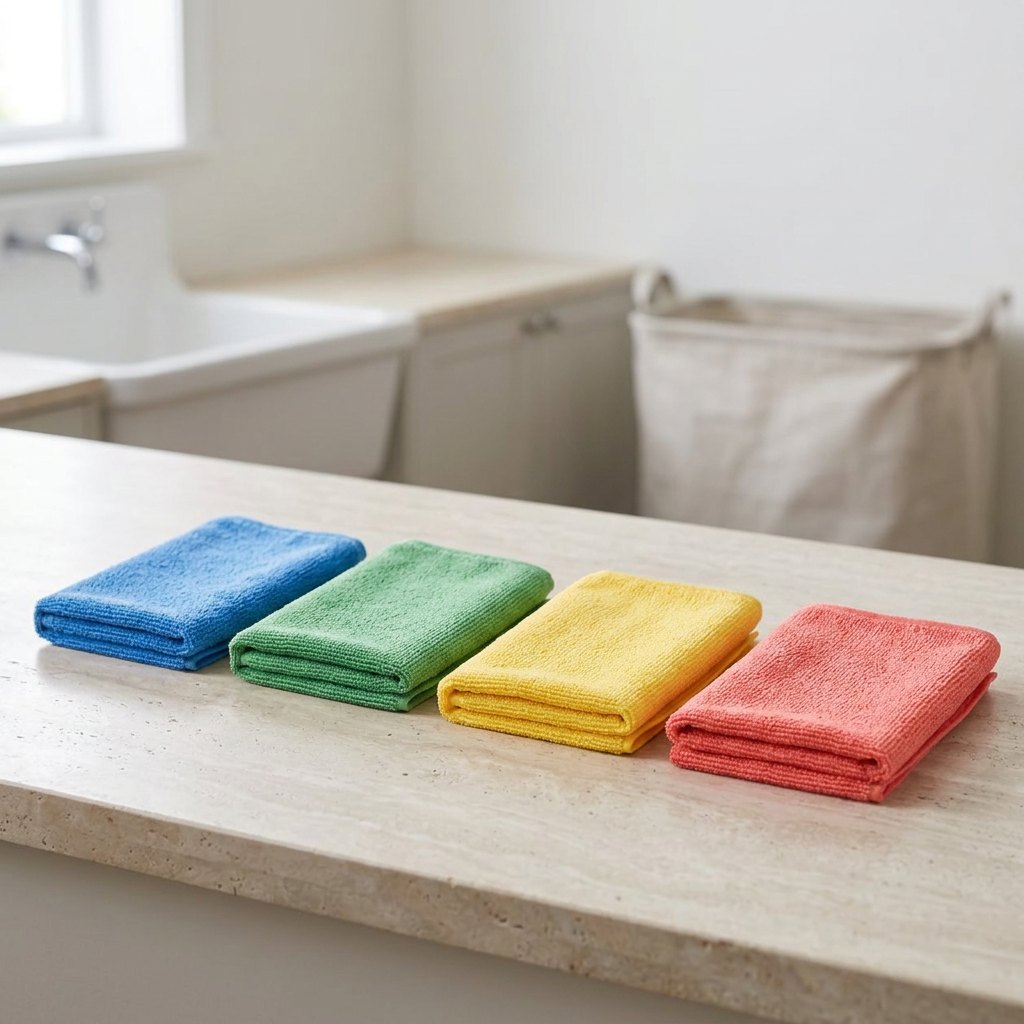
Never use a soaking wet mop on varnished wood. Moisture trapped in the gaps between floorboards can cause the wood to expand, leading to the protective lacquer cracking, peeling, or lifting away from the surface. A damp, well-wrung microfiber cloth is sufficient for removing light stains without risking water damage.
Neutral Cleaning Agents and Compatibility
Choose a pH-neutral cleaner specifically designed for lacquered or varnished wood surfaces. Avoid any wax-based products, oil soaps, or furniture polishes, as these leave a greasy residue that ruins the finish and makes the floor dangerously slippery. These residues also prevent future coats of varnish from adhering properly.
Follow the manufacturer's dilution ratios strictly to avoid chemical damage. Using harsh household chemicals can chemically burn the polyurethane topcoat, resulting in permanent cloudiness, streaks, or a milky appearance. Always conduct a spot test on a hidden area before applying a new cleaning solution to the entire floor.
Mechanical Surface Protection and Steam Hazards
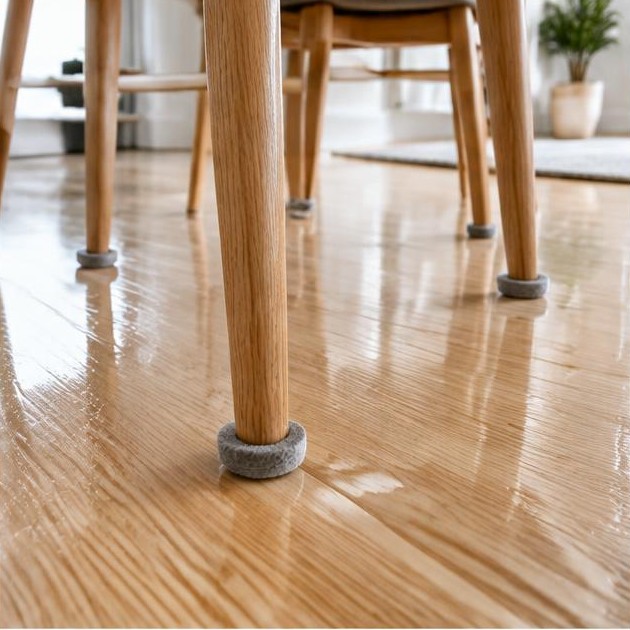
Affix high-quality felt pads to all furniture legs and minimize the use of sharp footwear indoors. While modern varnish is tough, it is brittle under high point-pressure, which can cause the coating to shatter or indent the underlying timber. Area rugs in high-traffic zones also help distribute weight and reduce wear.
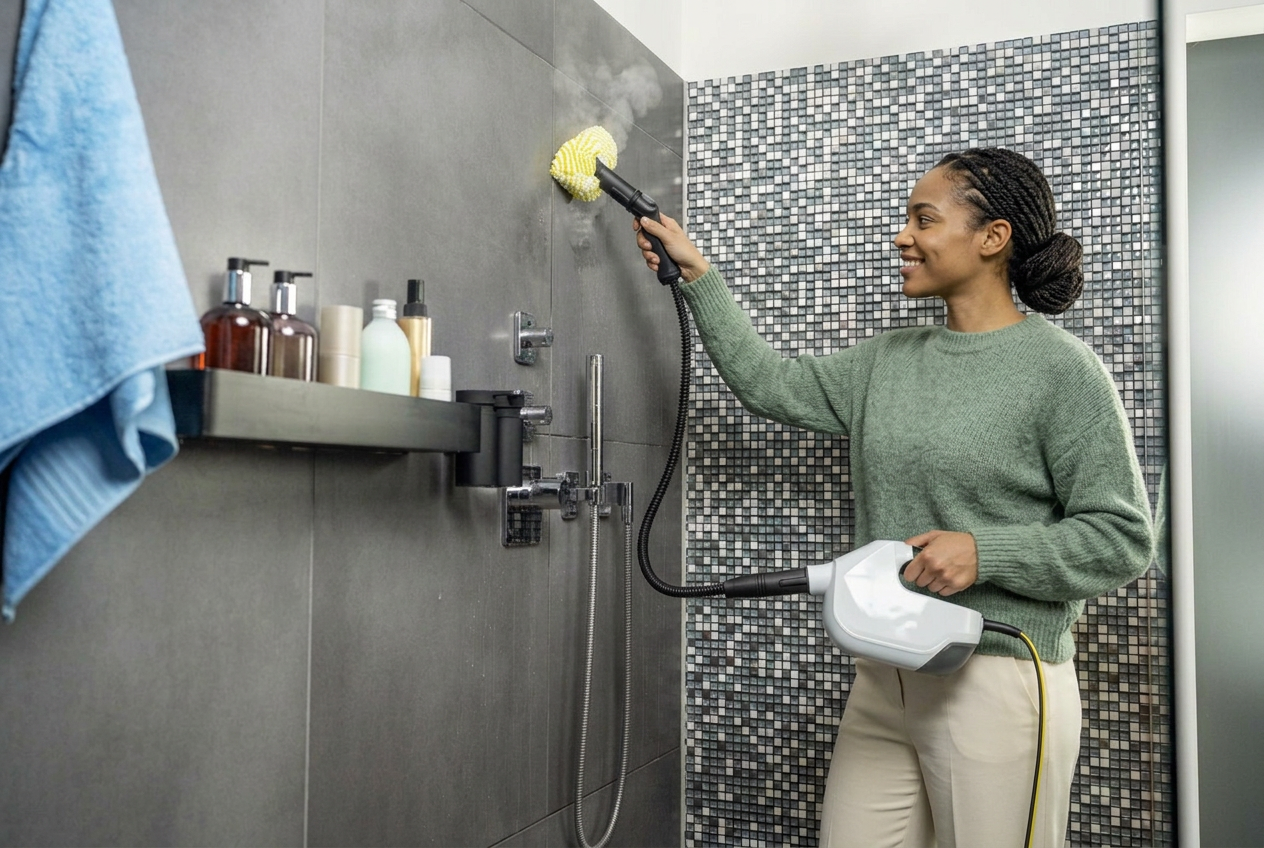
Caution: Never use steam cleaners on varnished wood floors. The forced heat and moisture will delaminate the finish, break down the adhesives holding the boards, and cause structural warping of the wood. Steam can penetrate even the smallest cracks in the varnish, leading to irreversible wood rot and finish failure.
Identifying Varnish Failure and Maintenance
Apply a specialized floor polish or 'metallizer' annually to fill in micro-scratches and restore the floor's original shine. This maintenance layer acts as a sacrificial coating, extending the life of the existing varnish without the immediate need for professional sanding and refinishing.
If the varnish is flaking off or if the bare wood is exposed in high-traffic areas, stop using water immediately to prevent water logging. At this stage, the wood is no longer protected. A professional floor specialist should be consulted to perform a full mechanical re-sanding and re-varnishing to restore the floor.
Consistent, gentle care using approved products keeps your varnished floors looking new and resilient for years to come.
Each home has its specifics. A first exchange helps understand your needs before any intervention.
Get in touchQuestion about this article? WhatsAppResources