Resources
How to prepare an instructions sheet for looking after your home
Reading · 6 min
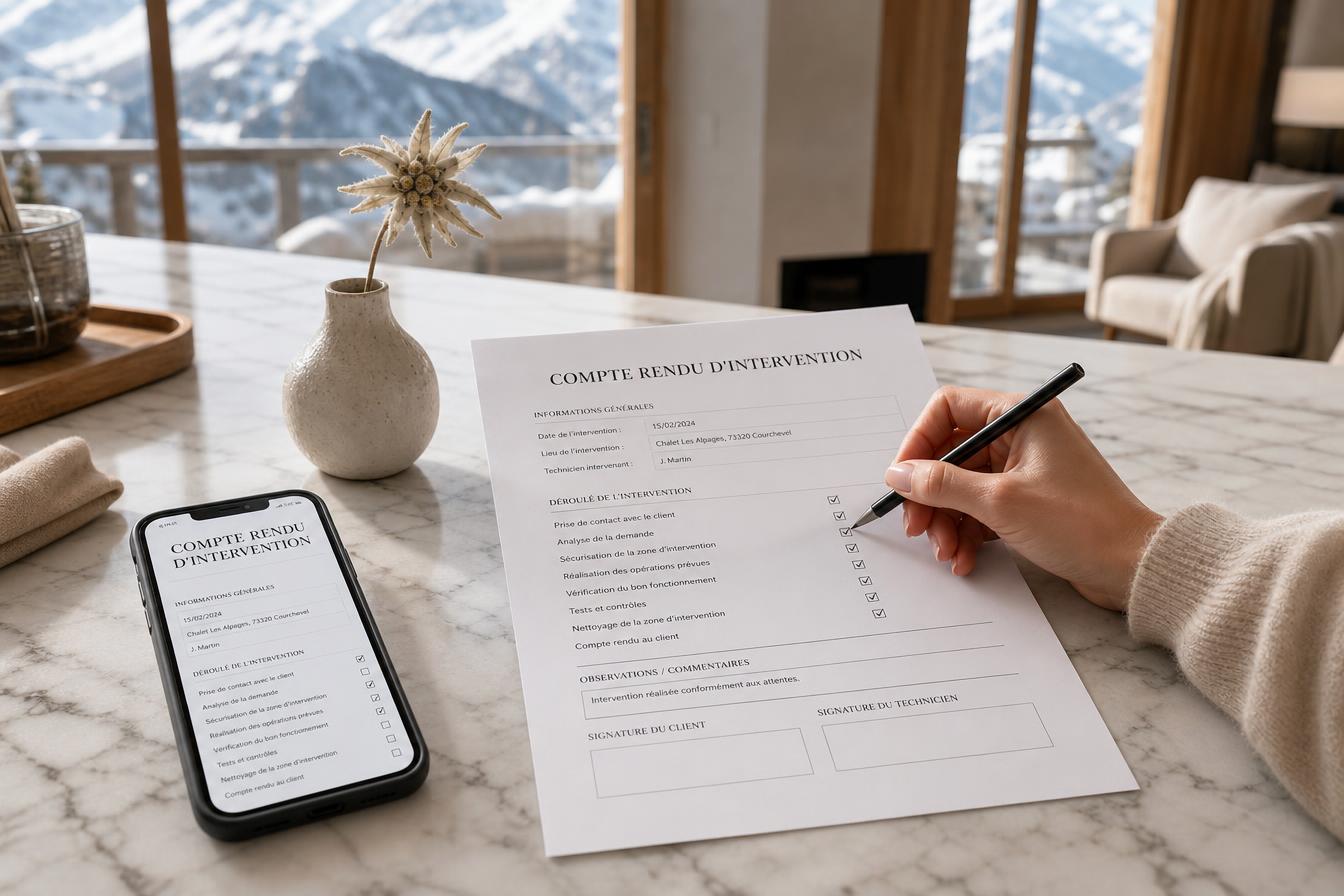
A good instructions sheet should not become an endless manual. It should convey the information genuinely useful for a smooth visit, respectful of the home and matching the owner's expectations.
Start with access information
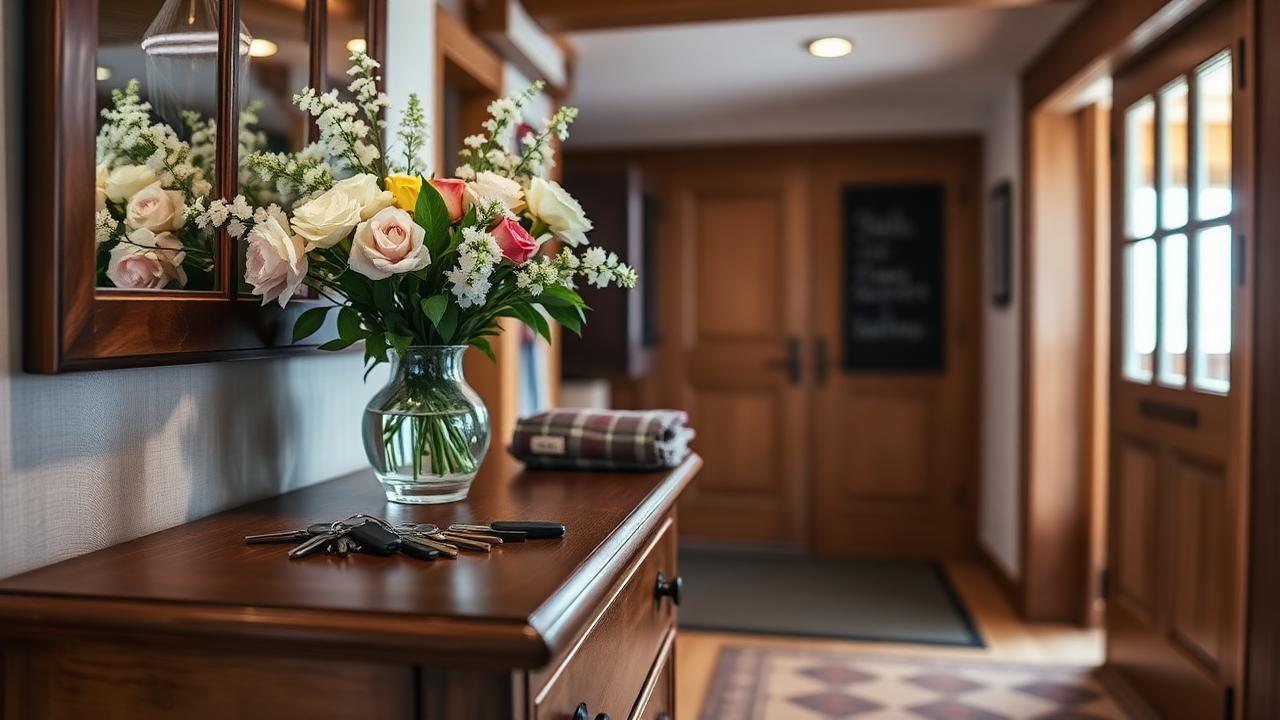
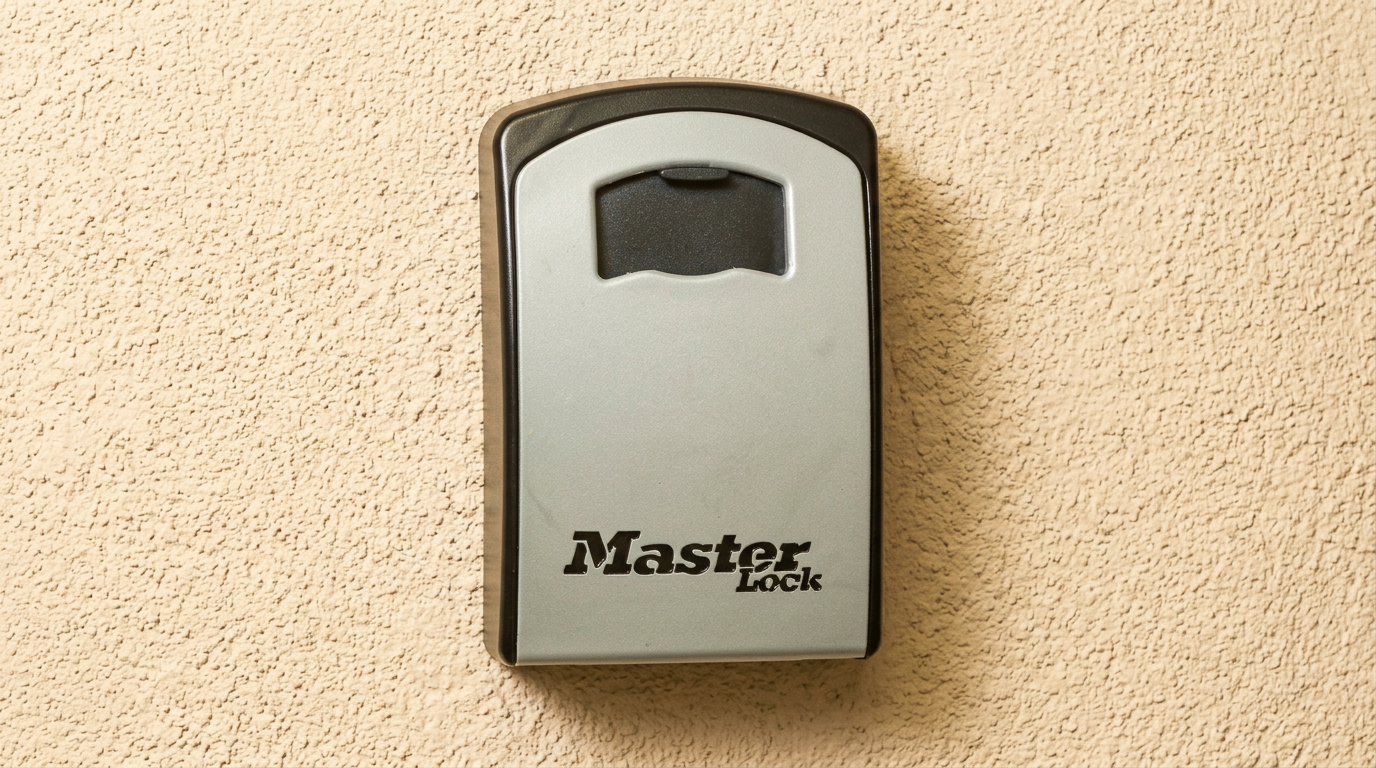
The first part covers entering the home: where the keys are, how the lock works, gate, allowed parking, alarm, rooms not accessible, hours to respect, contact if a problem arises.
Codes and sensitive information must be shared through a secure channel, not printed in a freely accessible document. The sheet can simply indicate where to find them.
Set priorities
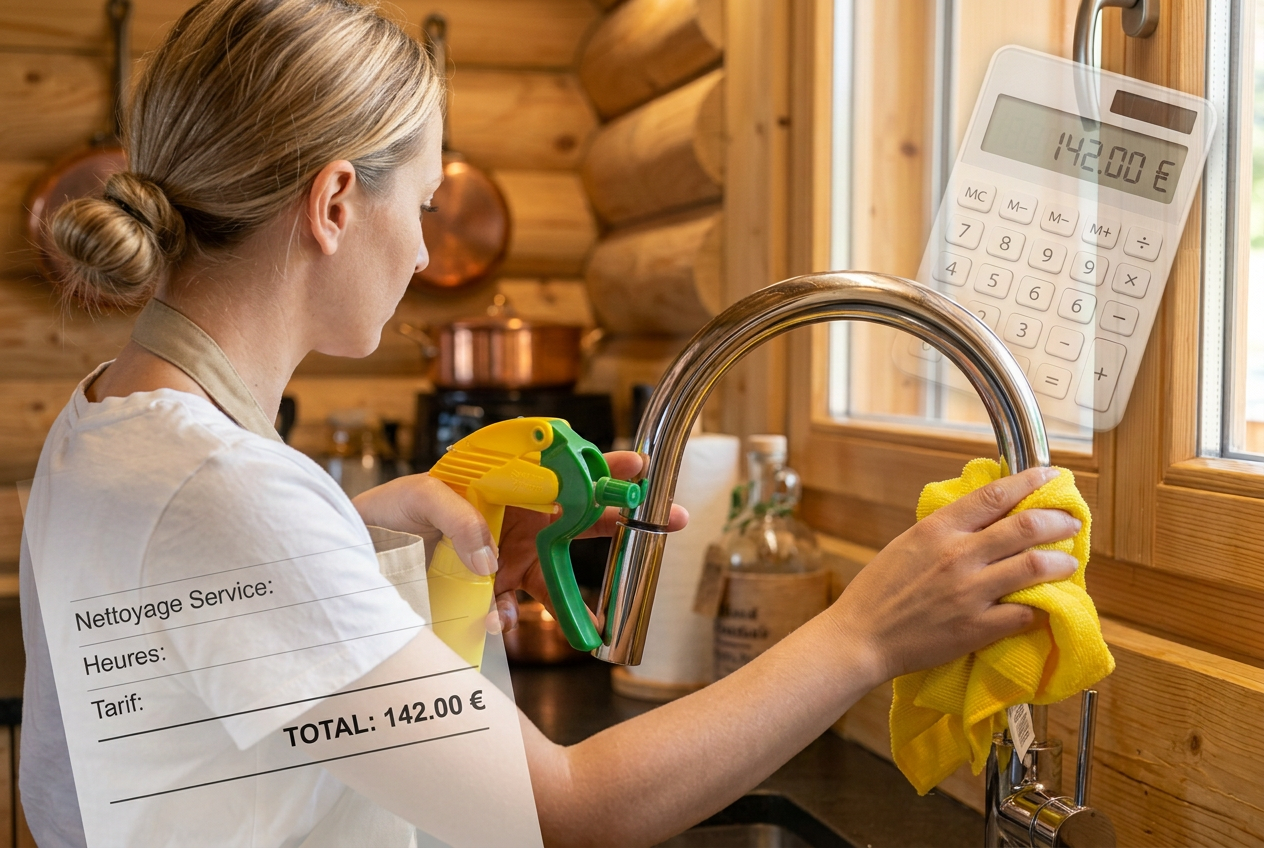
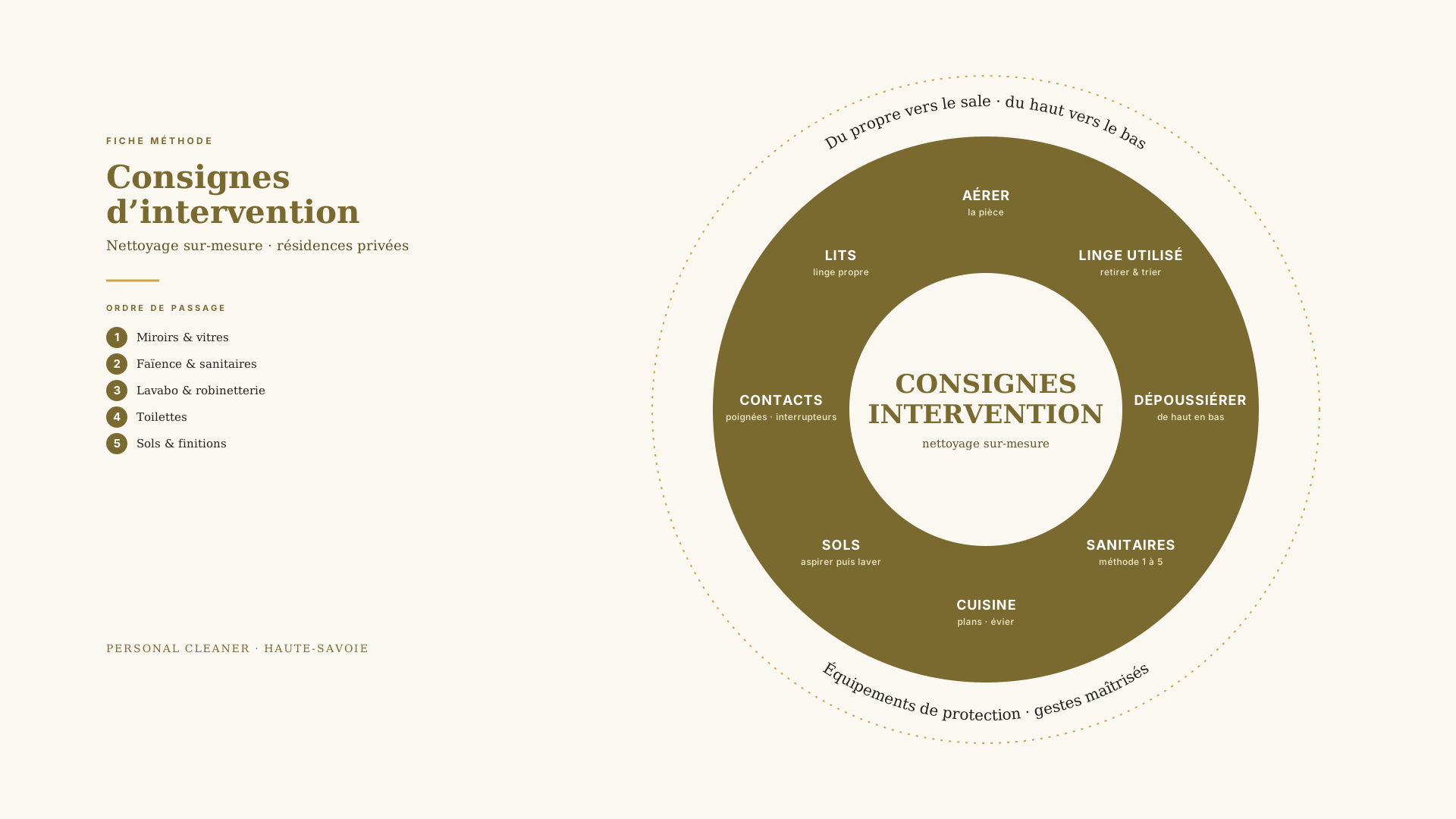
Not every task has the same importance for every owner. Some pay particular attention to bathrooms. Others want beds prepared in a precise way or the kitchen kept in a defined order.
The sheet should distinguish mandatory tasks, tasks to complete if time allows, zones not to touch and occasional requests. This hierarchy becomes essential when the home's state calls for more time than planned.
Identify sensitive materials
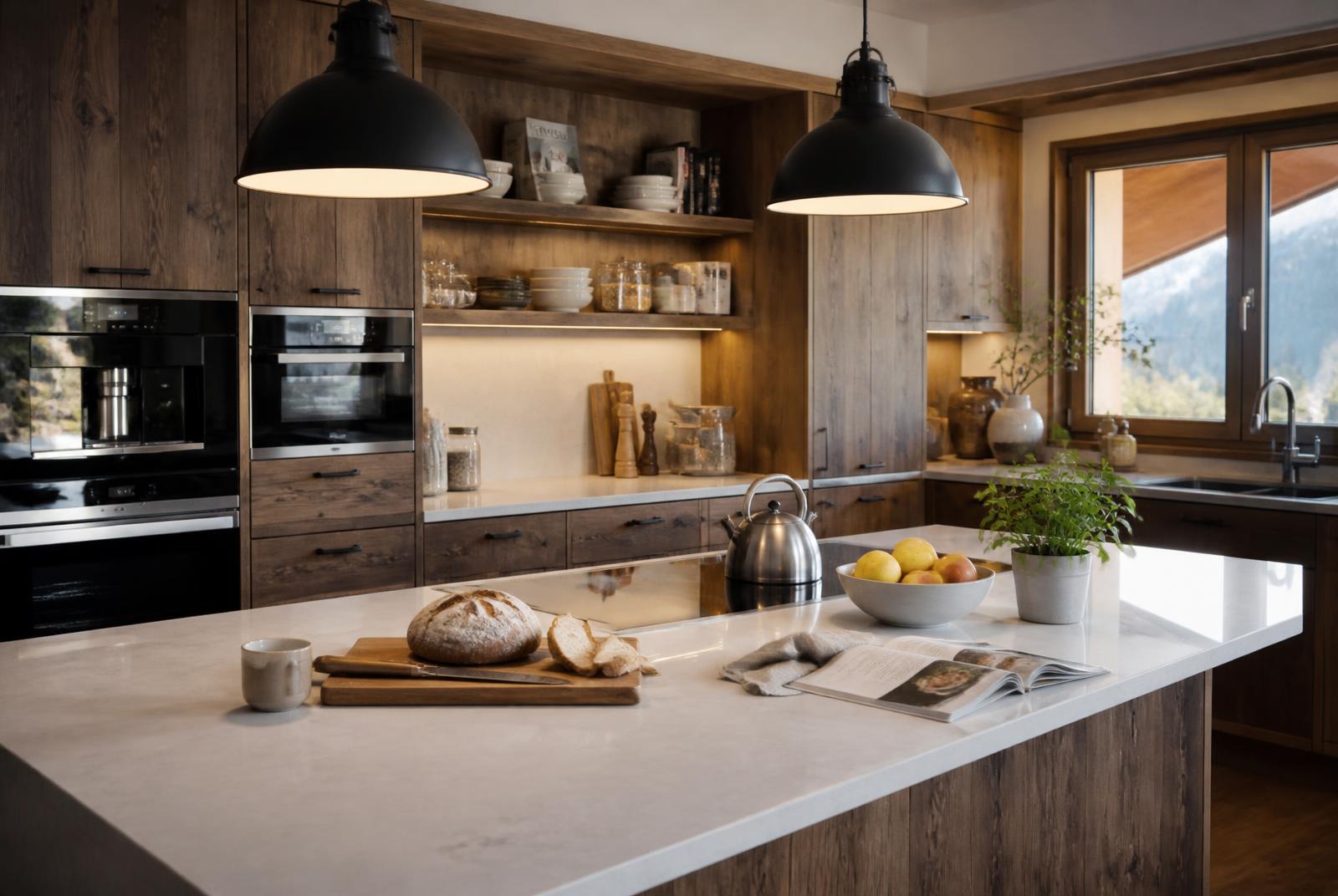
Raw wood, natural stone, marble, brass, screens, lacquered surfaces or delicate textiles do not all tolerate the same products.
The sheet should flag items needing special care. A simple line is enough: "Natural stone worktop: only use the product stored under the sink." A specific note is worth more than a general "be careful with surfaces".
Explain linen organisation
When the service includes preparing beds, indicate where clean linen is stored, where to put used linen, how to identify sizes, which sets belong to which bedrooms, which protectors to install and which items are not to be used.
Clearly labelled shelves save a lot of time.
Personal items and reporting
Some objects should not be moved or need particular handling: artworks, collections, professional equipment, medication, documents or fragile items. This should appear clearly, without needlessly detailing the nature of valuable items.
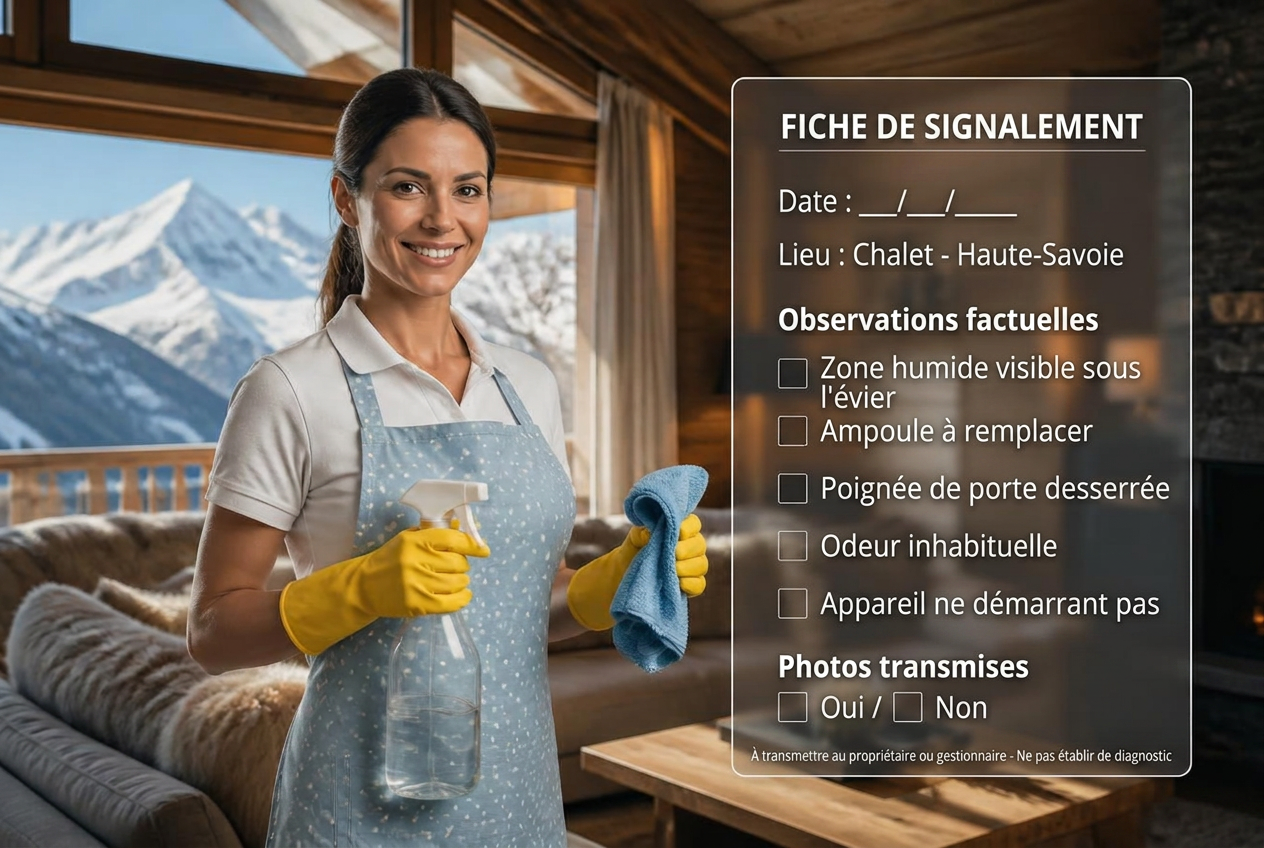
The owner can specify whether they want a confirmation of the end of visit, a short message, flagging of visible anomalies, a few authorised photos, or no feedback unless a problem arises. Reporting must stay proportionate to the service.
Keep the sheet up to date
An instructions sheet must evolve with the home. A new appliance, a product change or a new linen setup should be added.
A dated version prevents old instructions from staying in circulation.
The best sheet usually fits on one or two pages. It does not replace human exchange, but it gives a stable frame to the relationship.
Each home has its specifics. A first exchange helps understand your needs before any intervention.
Get in touchResources