Resources
Maintaining Oiled Wood Floors Without Saturation
Reading · 3 min
Oiled floors offer a beautiful matte finish, yet their porous nature requires precise care to prevent deep-seated grime and water damage. Unlike varnished surfaces, oiled wood remains breathable, meaning the maintenance routine must focus on reinforcing the oil barrier while avoiding excessive moisture that can destabilize the timber's fibers.
Dry Dusting and Damp Mopping
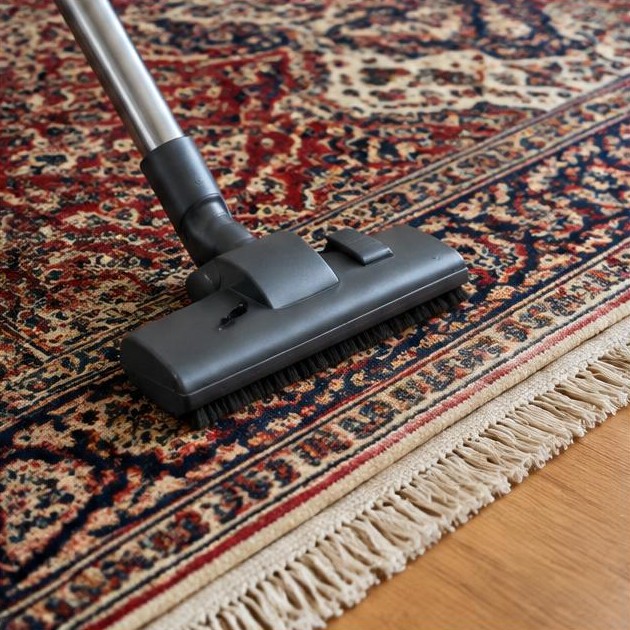
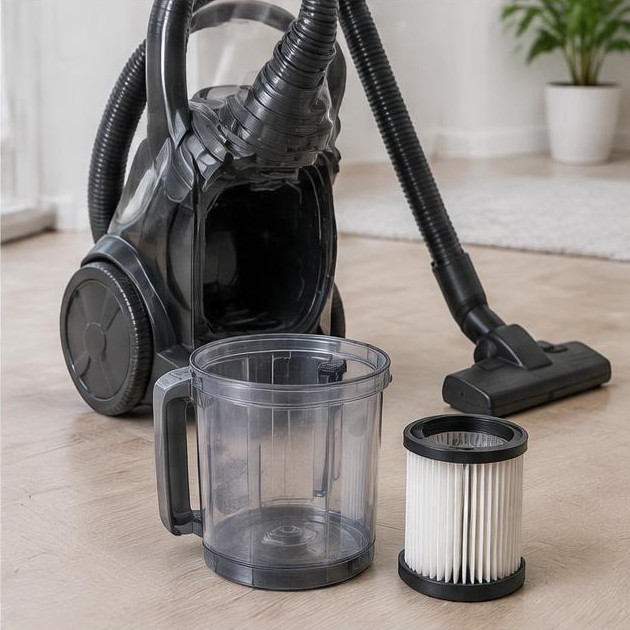
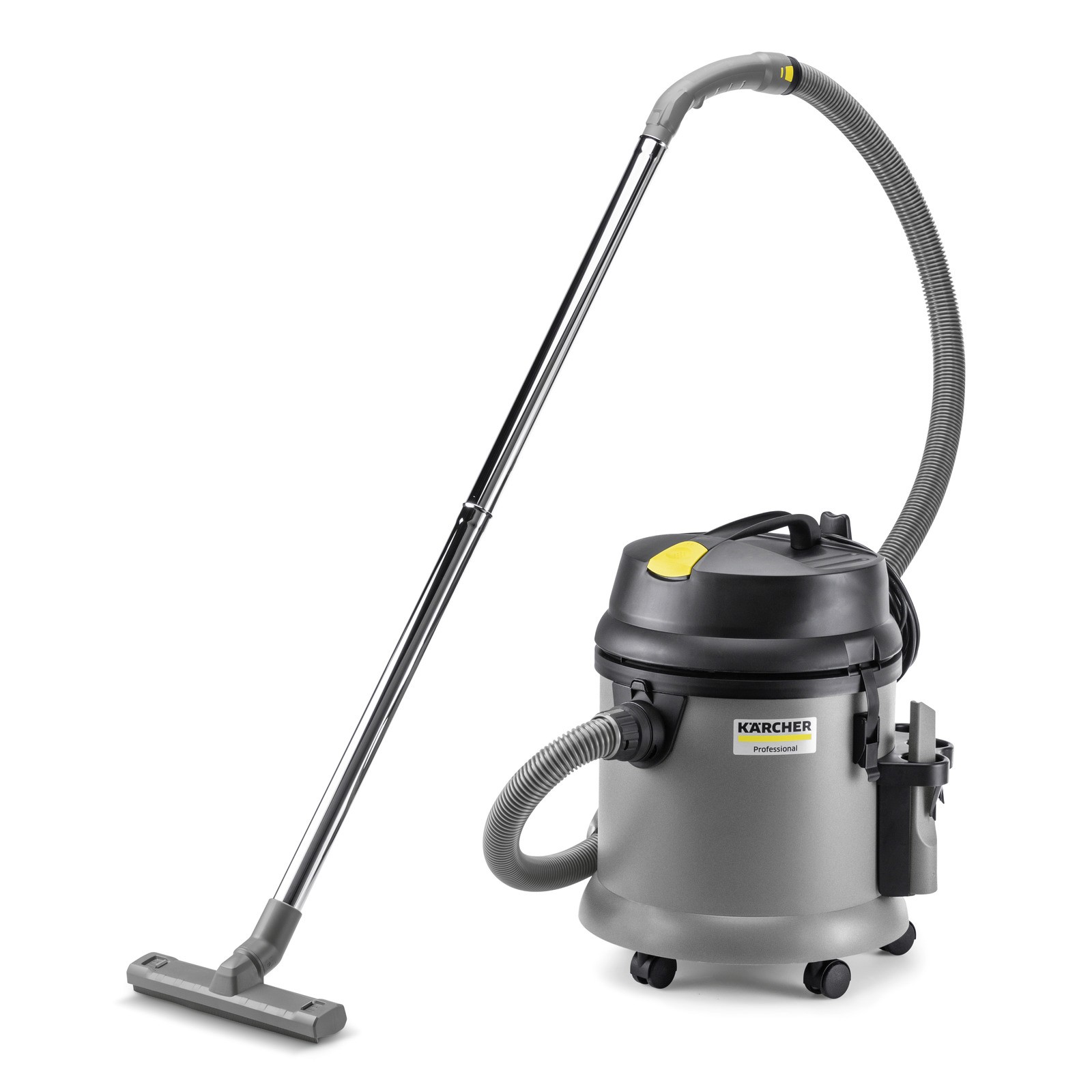
Begin by removing abrasive grit using a soft-bristled vacuum attachment or a soft broom. Small particles like sand or dried mud act as sandpaper underfoot, quickly wearing down the protective oil layer and exposing the raw wood to potential stains and liquid penetration.
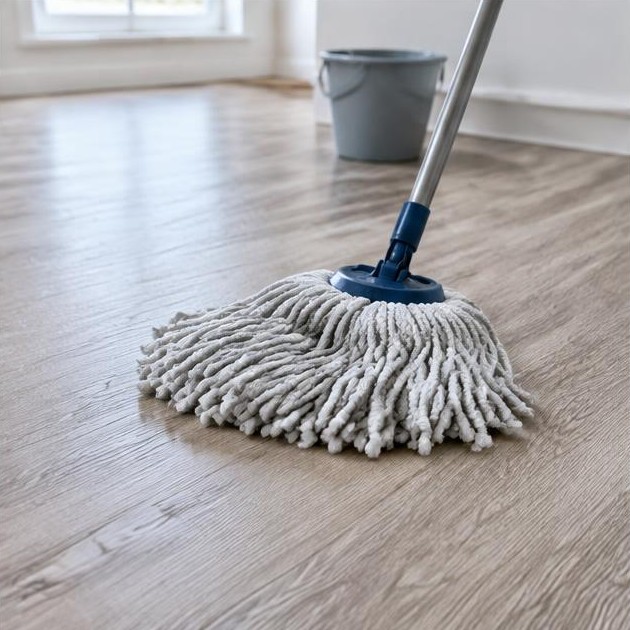
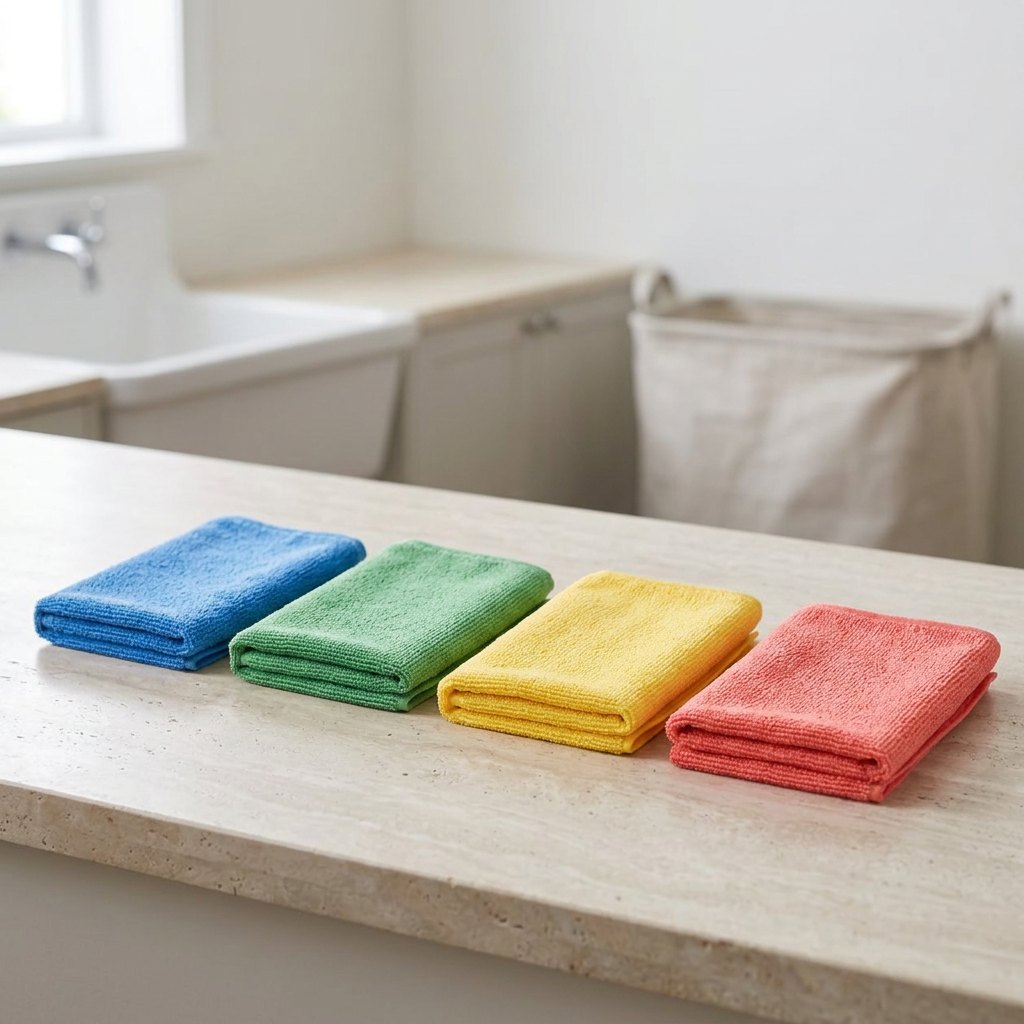
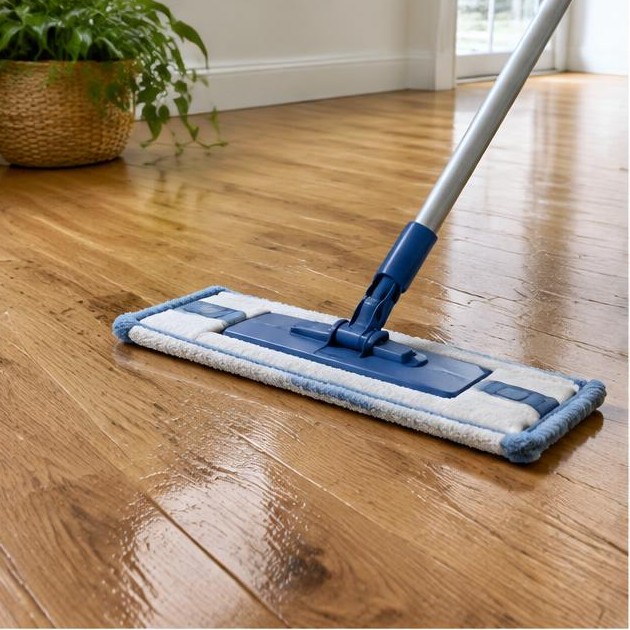
When cleaning, use a microfiber mop that is barely damp. Excessive water is a major risk for oiled oak or ash, as it can seep into the grain and cause permanent grey staining or warping. Always ensure the floor dries within minutes of mopping to prevent the wood from absorbing standing liquid.
Specific Soap Selection and Dilution
Only use specialized natural soaps designed specifically for oiled floors. These products often contain vegetable fats that reinforce the protective barrier while cleaning. Standard household detergents are too harsh and will strip the oil away, leaving the wood dry, brittle, and vulnerable to environmental changes.
Avoid the over-application of cleaning agents by following the manufacturer’s dilution ratios exactly. Creating a thick, waxy residue will make the floor sticky and attract more dirt, eventually necessitating a difficult chemical stripping process. A thin, even application is sufficient for effective hygiene and protection.
Spot Cleaning and Safety Precautions
Blot spills immediately with a dry, clean cloth to prevent the liquid from penetrating the wood grain. For stubborn marks, use a highly diluted, manufacturer-approved cleaner on a soft sponge. Always test the cleaner on a hidden area first to ensure it does not cause discoloration or react poorly with the specific oil finish.
Caution: Never mix vinegar, bleach, or multi-purpose cleaners with wood soaps. Acidic or highly alkaline reactions can chemically burn the wood fibers and strip the protective oil, leaving the floor prone to rot. Avoid using abrasive scrubbing pads which will leave permanent visible scratches on the matte surface.
Identifying the Need for Professional Care
When the wood feels dry or looks dull even after proper cleaning, it requires a fresh coat of maintenance oil. This process re-saturates the pores and restores the floor's water-repellent properties. Ensure the room is well-ventilated and the floor is completely free of dust before applying any maintenance products.
If the wood displays deep dark stains, extensive splintering, or signs of water infiltration beneath the surface, cease DIY cleaning immediately. Consult a professional floor restoration specialist to assess if mechanical sanding is required. Professional intervention is the only way to resolve structural damage without compromising the floor's longevity.
Consistent, gentle maintenance using the correct products ensures your oiled flooring ages gracefully and remains a durable feature of your home.
Each home has its specifics. A first exchange helps understand your needs before any intervention.
Get in touchQuestion about this article? WhatsAppResources