Resources
Removing Dust from Plant Leaves
Reading · 2 min
Dust buildup on foliage acts as a physical barrier to sunlight, significantly reducing the efficiency of photosynthesis. Keeping leaves clean is vital for the metabolic health and sustained growth of indoor greenery in low-light environments.
Manual Wiping Technique
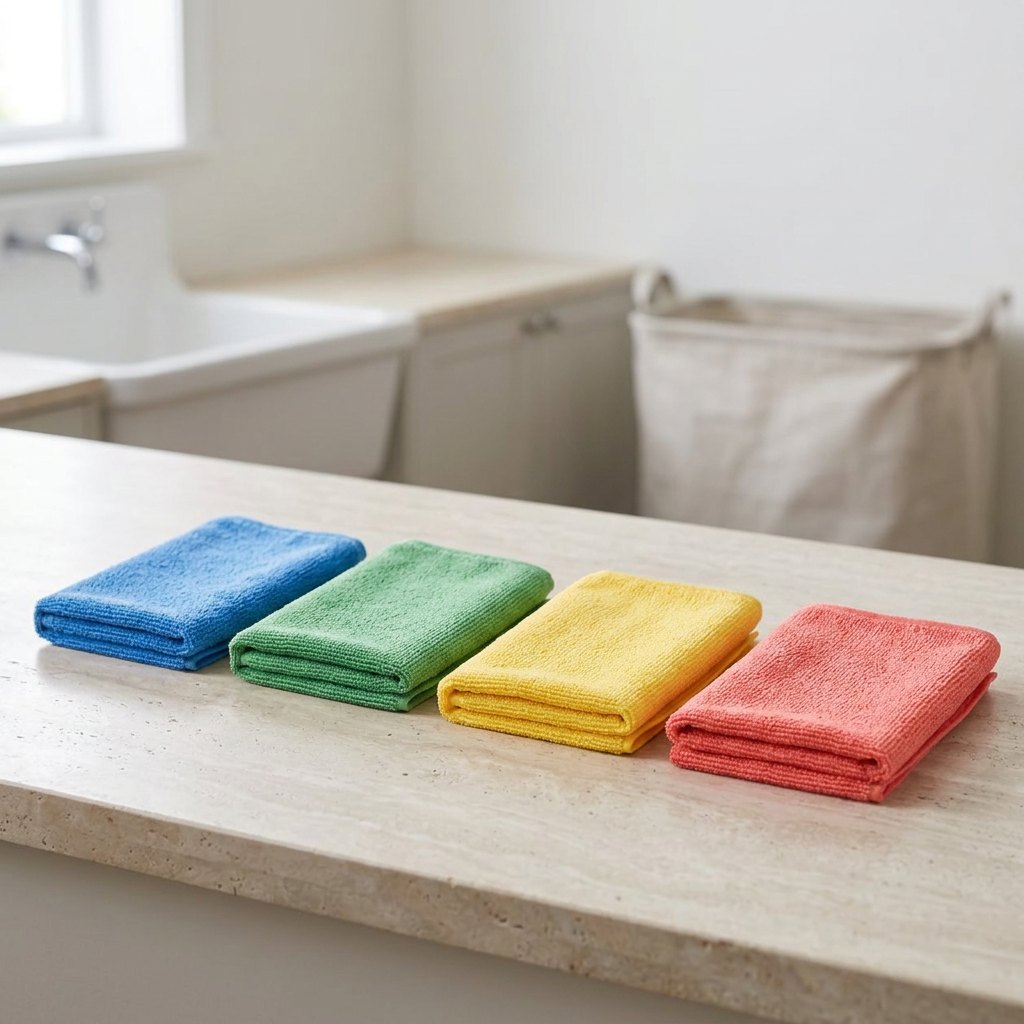
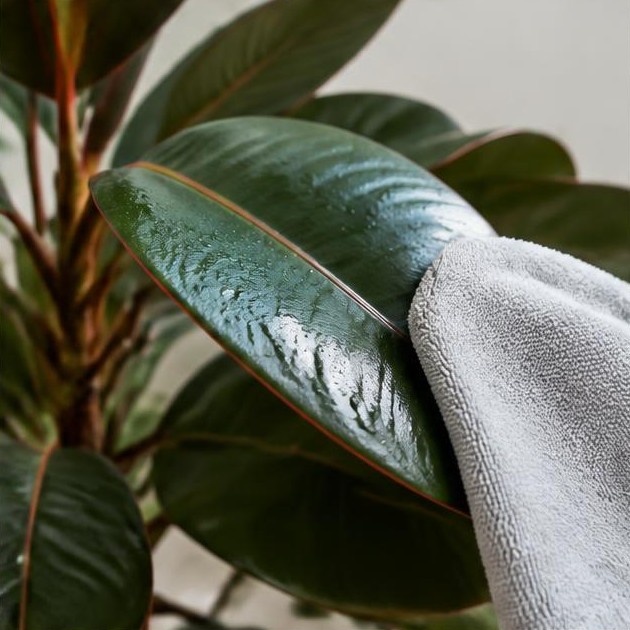
For large, smooth leaves like Rubber Plants or Monsteras, use a soft lint-free cloth dampened with room-temperature distilled or filtered water. Always support the leaf from underneath with your palm to prevent snapping the stem or damaging the leaf structure.
Wipe gently from the base of the leaf toward the tip in a single motion. Avoid commercial leaf-shine products, as they contain synthetic oils and waxes that clog stomata, hindering the plant's natural respiration and transpiration processes.
Mist Cleaning for Small Foliage
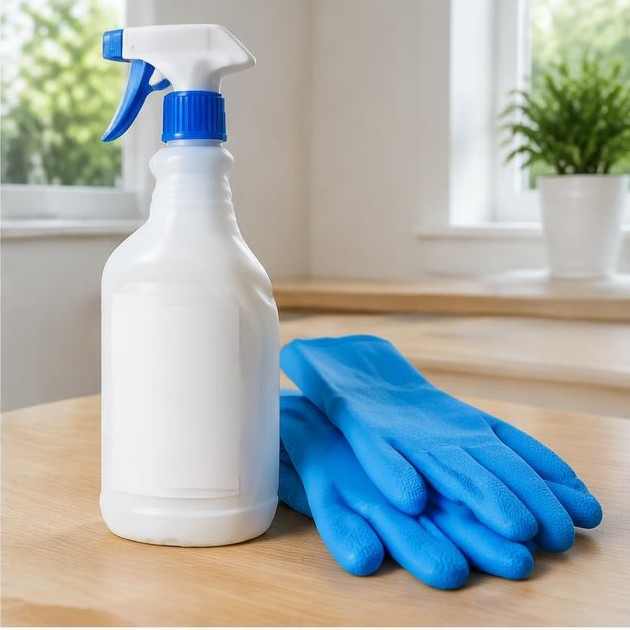
For plants with dense, small, or intricate leaves where manual wiping is impractical, use a spray bottle with lukewarm water to mist the foliage. The fine mist helps displace surface dust without disturbing the delicate arrangement of the stems.
Ensure the plant has excellent air circulation afterward to dry quickly. Stagnant water sitting in leaf joints or crowns can lead to fungal infections or bacterial rot, particularly in cooler indoor temperatures or during periods of high humidity.
Caring for Fuzzy Leaves
Plants with velvety or hairy leaves, such as African Violets, should never be cleaned with water or liquid sprays. Moisture trapped within the leaf hairs leads to unsightly spotting, crown rot, and specialized fungal issues that can kill the plant.
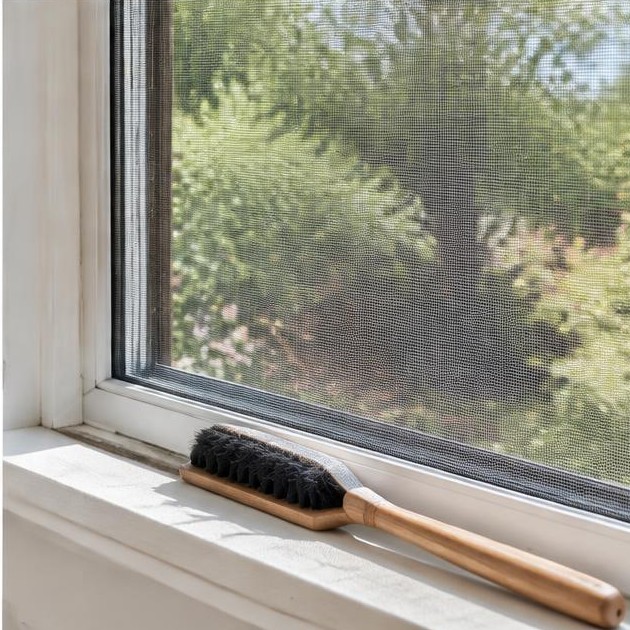
Use a clean, dry makeup brush or a soft artist's paintbrush to gently flick away dust particles. Work carefully in the direction of the hair growth to avoid damaging the sensitive epidermal tissues and maintain the leaf's aesthetic appeal.
When to Cease Cleaning
If you notice sticky residue (honeydew) or fine webbing during the process, stop cleaning and inspect for common pests like aphids, scales, or spider mites. These require targeted horticultural treatments rather than simple mechanical dusting.
Do not clean plants that are currently wilting or showing signs of severe dehydration. Wait until the plant has been properly watered and has regained full leaf turgidity to avoid causing mechanical damage to brittle, weakened plant tissues.
Clean leaves allow your plants to breathe and thrive effectively, enhancing both their natural beauty and their air-purifying capabilities.
Each home has its specifics. A first exchange helps understand your needs before any intervention.
Get in touchQuestion about this article? WhatsAppResources