Resources
Keys and access: how to secure each visit?
Reading · 6 min
Entrusting access to a home requires as much seriousness as entrusting its upkeep. A key opens a private space, daily habits and sometimes valuables. The setup should be simple for the owner, practical for the professional and sufficiently secure.
Avoid scattered information
Codes, alarm numbers and access notes should not be sent across many conversations or buried inside long exchanges.
It is better to group the essentials into an identified channel and limit sharing to the people actually authorised. Shared documents should never needlessly combine the full address with all access codes.
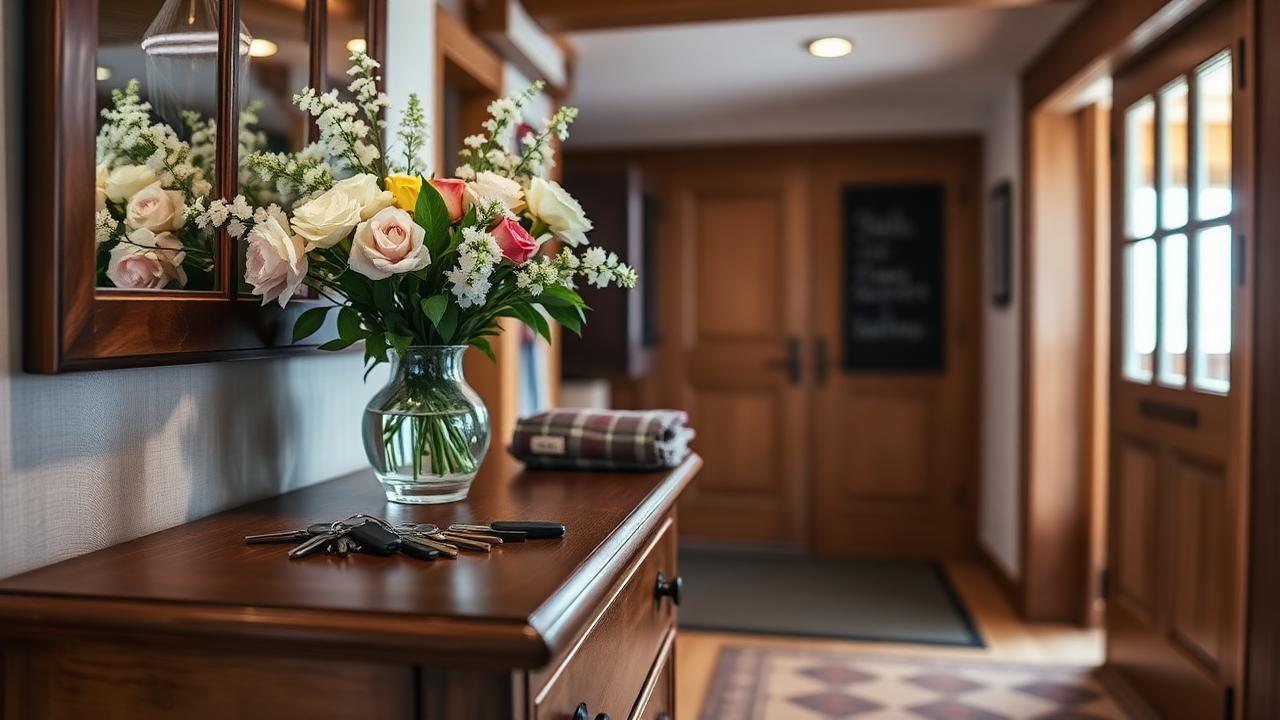
A copy of the key entrusted
When collaboration is regular, a spare key can be entrusted to the professional. It must be kept without anything identifying the home.
Key rings with a name, address or apartment number should be avoided. The owner and professional should also agree on what happens to the key at the end of the collaboration.
The key box
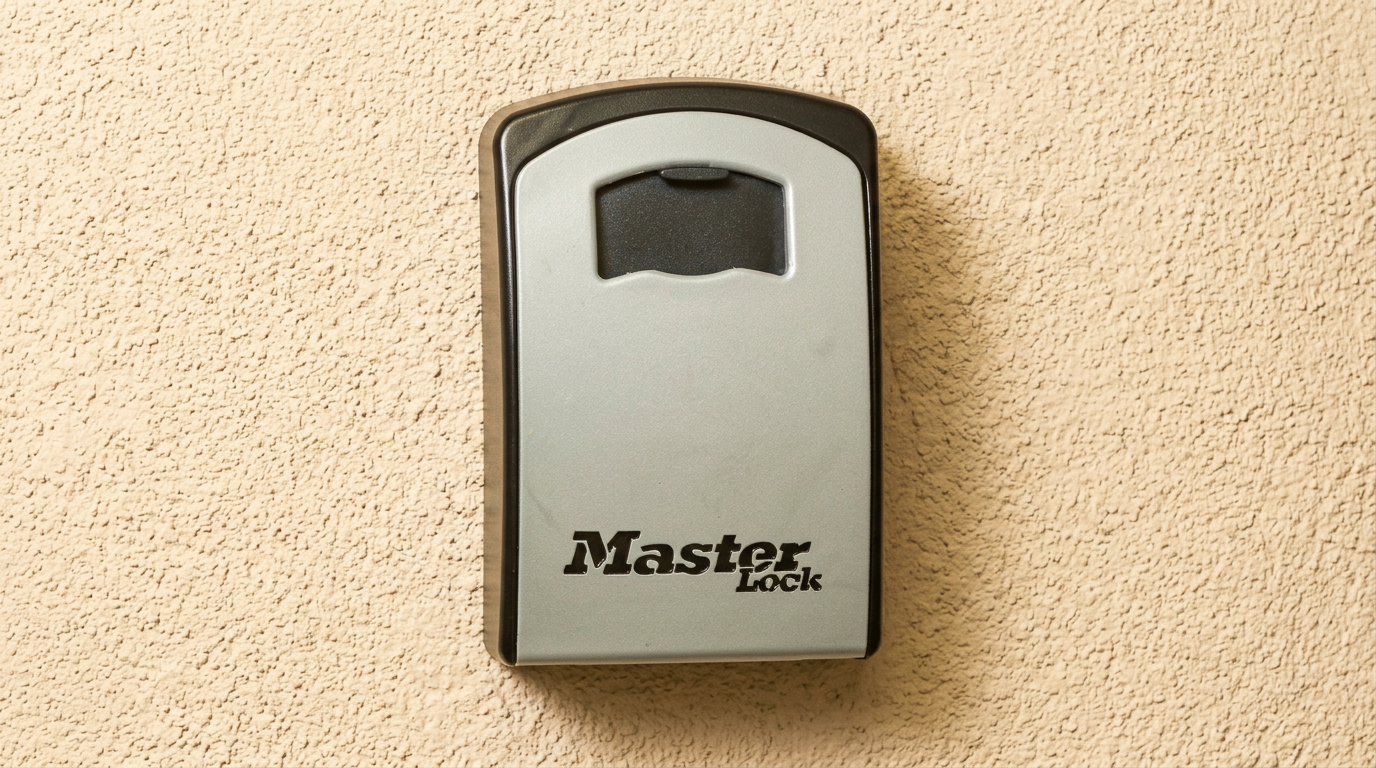
A key box can be handy for second homes or occasional visits. It must be placed in a discreet, solid enough spot.
The code must be changed once shared with several people or after a collaboration ends. A too-visible box or a code in use for years weakens security.
Smart locks
Connected systems sometimes allow temporary codes and access logs. They offer flexibility, provided the system is reliable, batteries checked, a fallback exists, codes are removed when no longer needed, and the app is properly protected.
Technology simplifies access but does not replace a clear procedure.
The alarm
When the home has an alarm, the professional must know exactly the entry delay, keypad location, activation procedure, what to do in case of a mistake, and the number to call.
An individual code is preferable to one shared among many people.
Visual confidentiality and exceptional situations
Photos sent or published must not show the key box, its location, an alarm panel, a code, an identifiable key set, a door number or a view allowing the entrance to be precisely located.
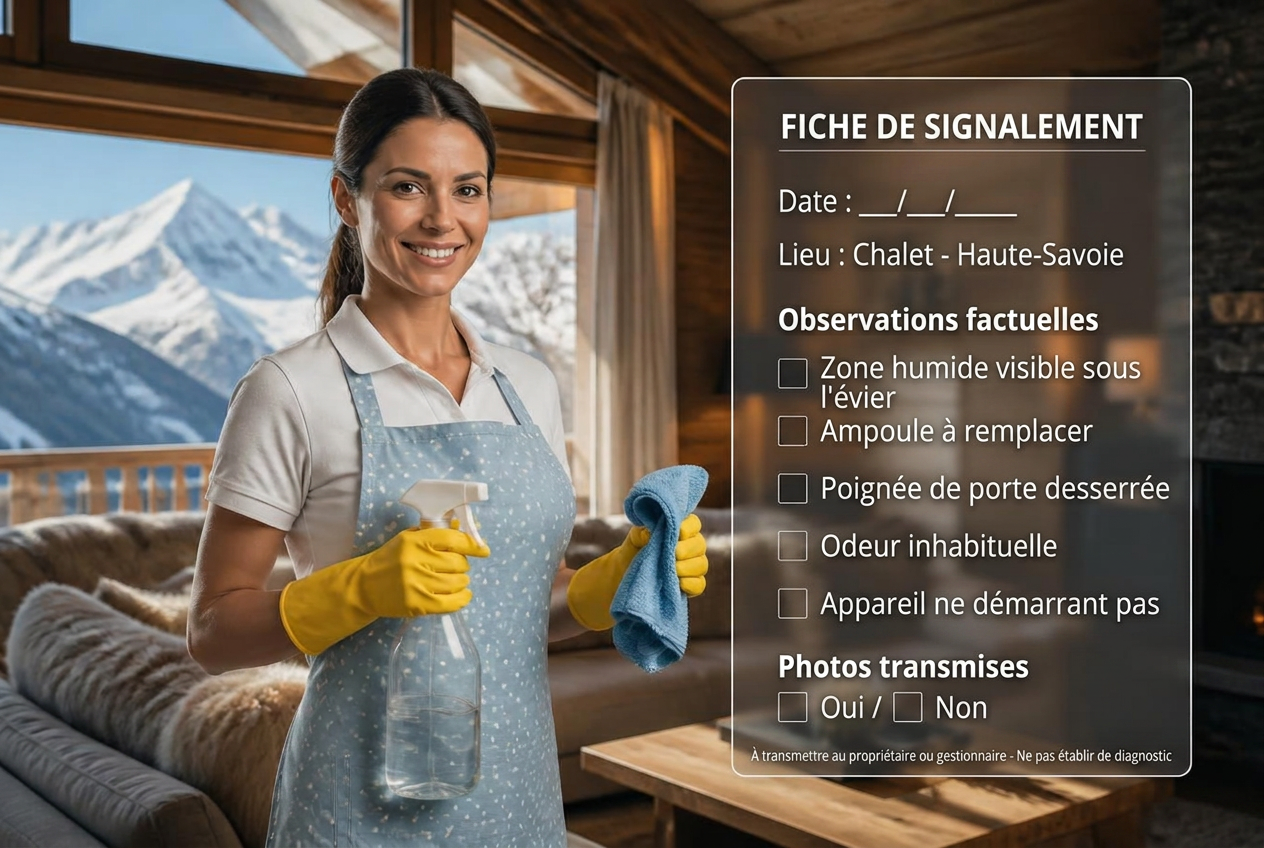
The owner should indicate what to do if the key does not work, the door is already open, a window has been left accessible, an unknown person is on site, the alarm triggers or entry looks forced. In such cases, the professional must not improvise.
Good access management relies less on system sophistication than on clear responsibilities and the discretion of the people using it.
Each home has its specifics. A first exchange helps understand your needs before any intervention.
Get in touchResources