Resources
How to show cleaning quality without exposing the owner's privacy?
Reading · 5 min
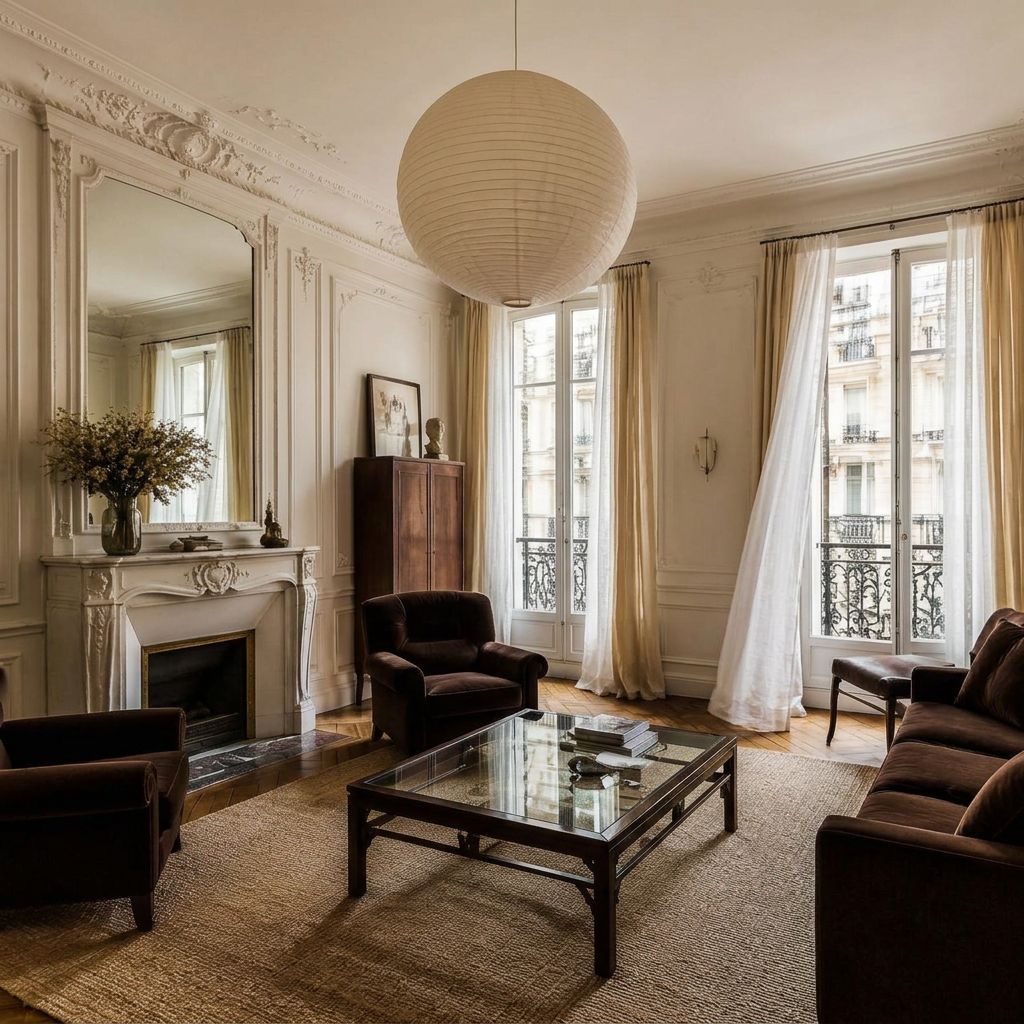
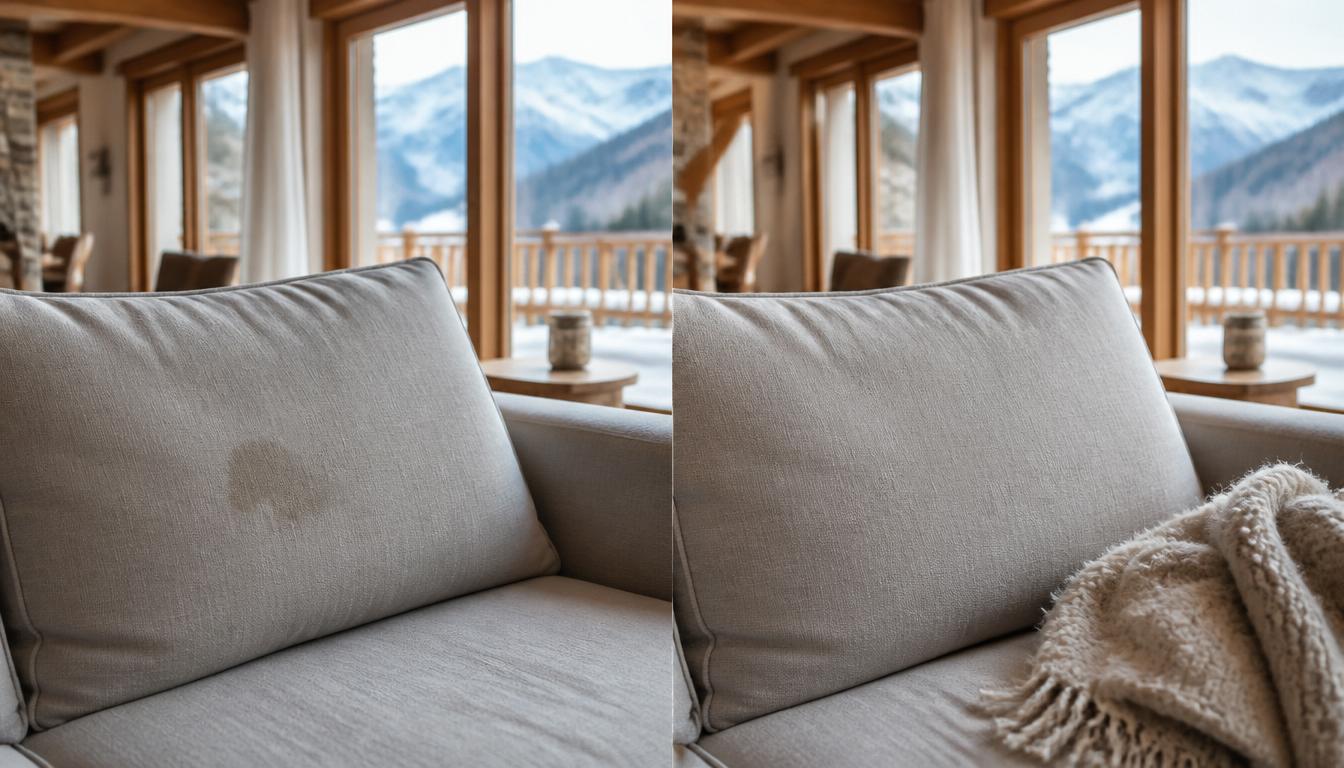
Photographs have become important to present service quality. They can show a carefully prepared bed, a streak-free mirror or a fully tidied kitchen. But a private home is not an advertising set.
Photograph the result, not the home
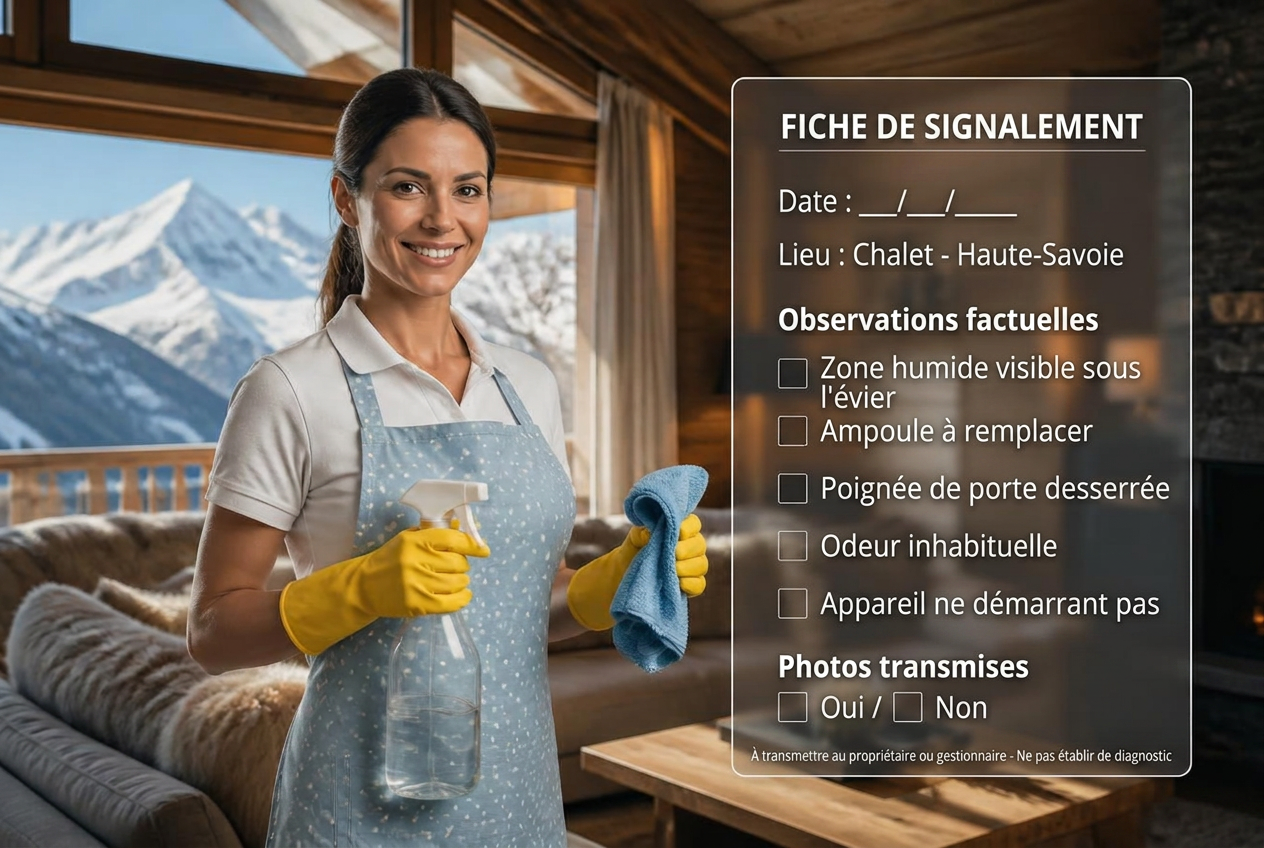
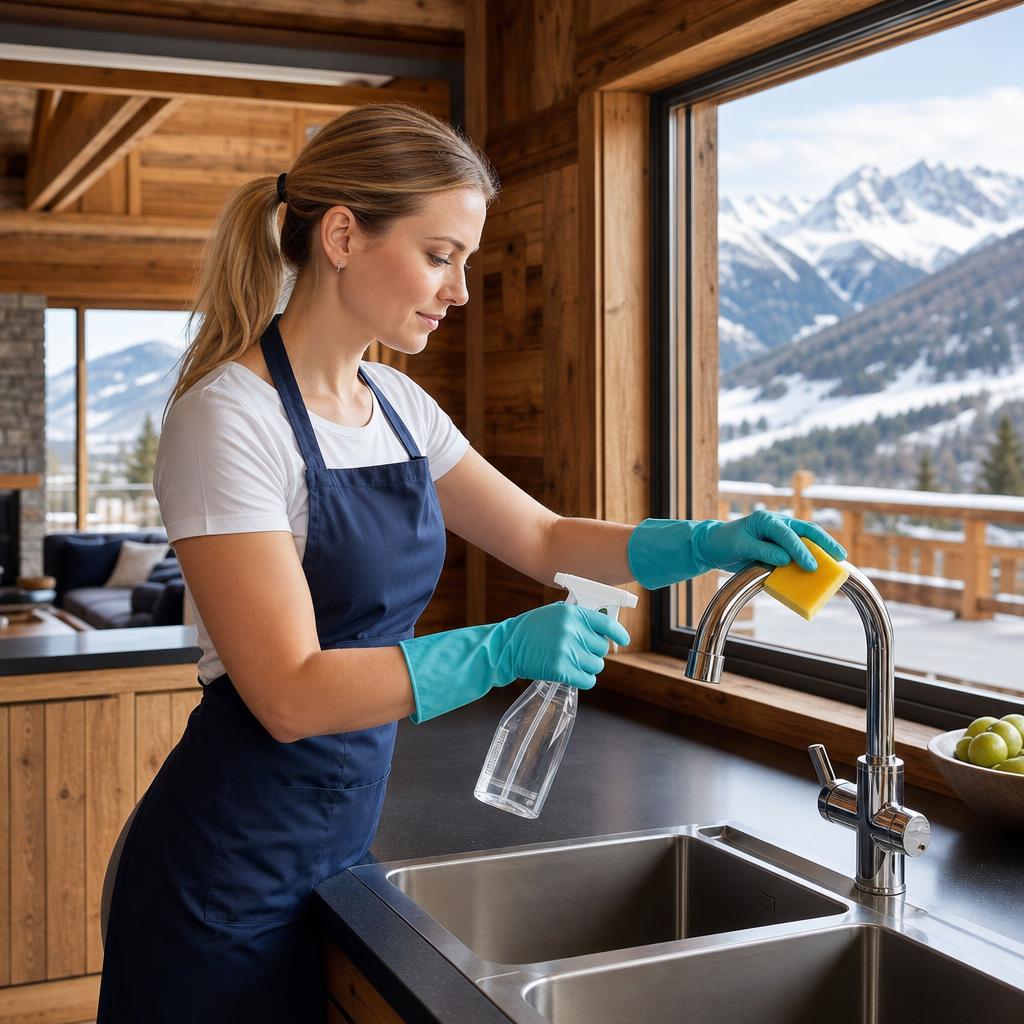
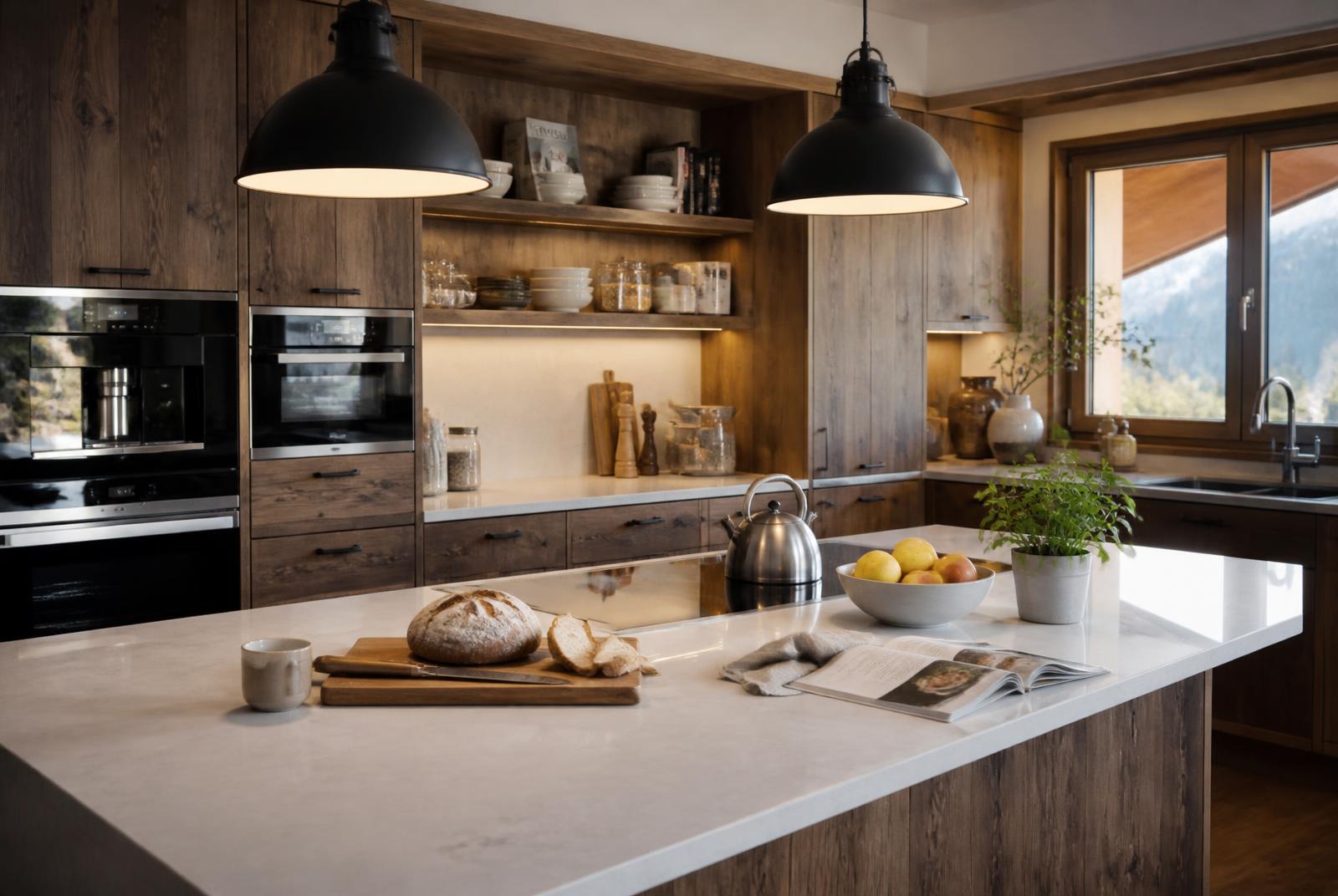
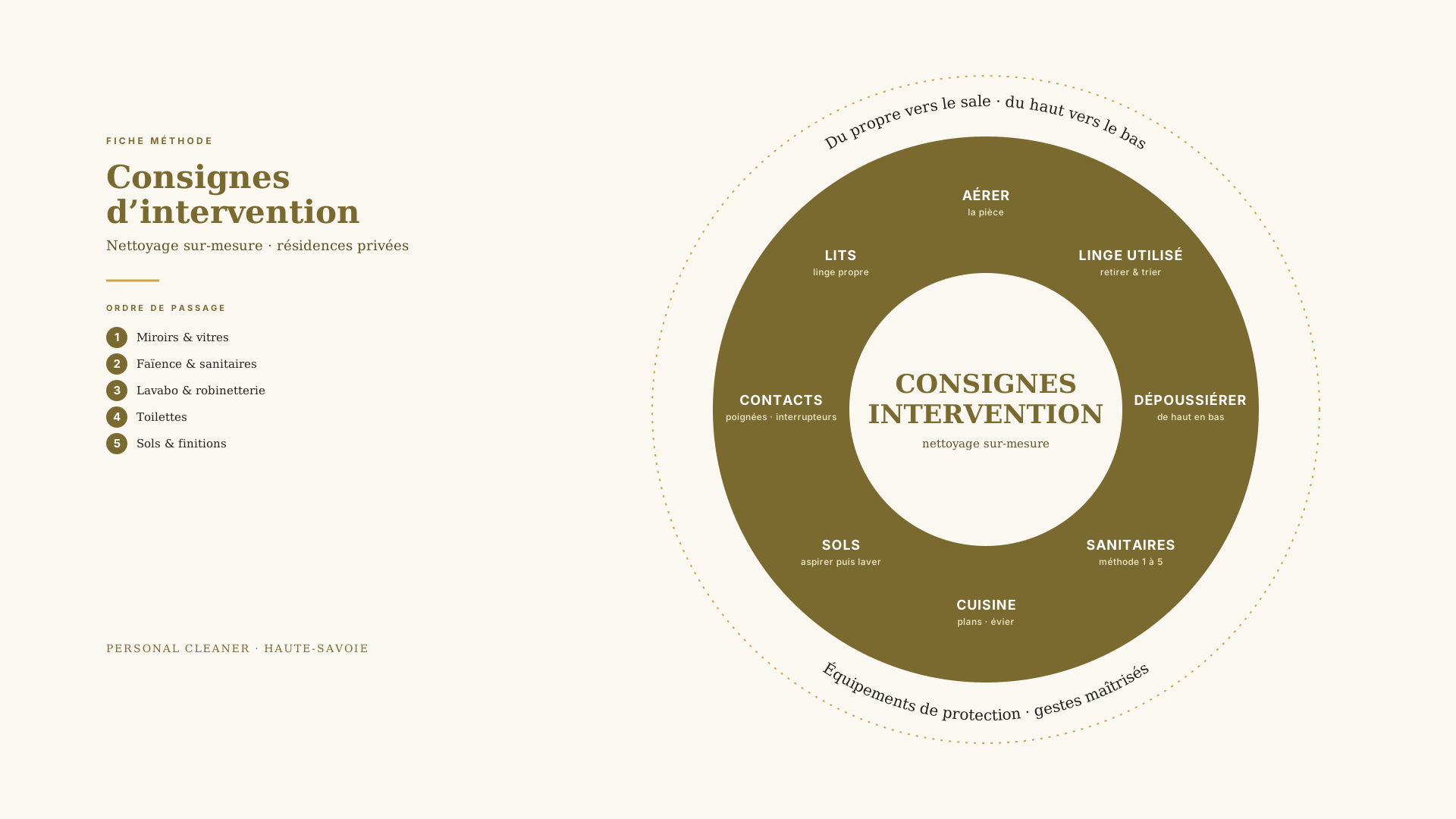
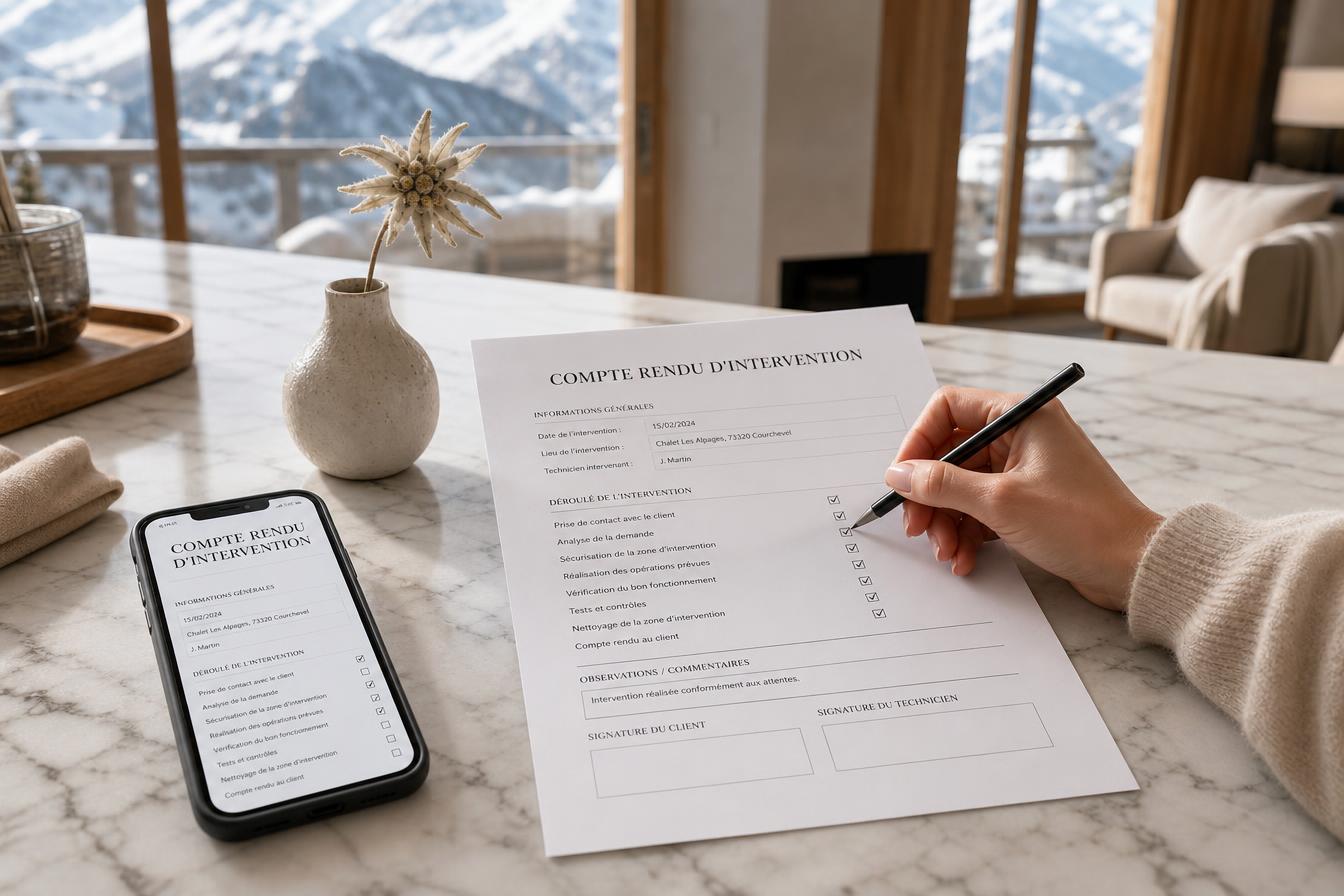
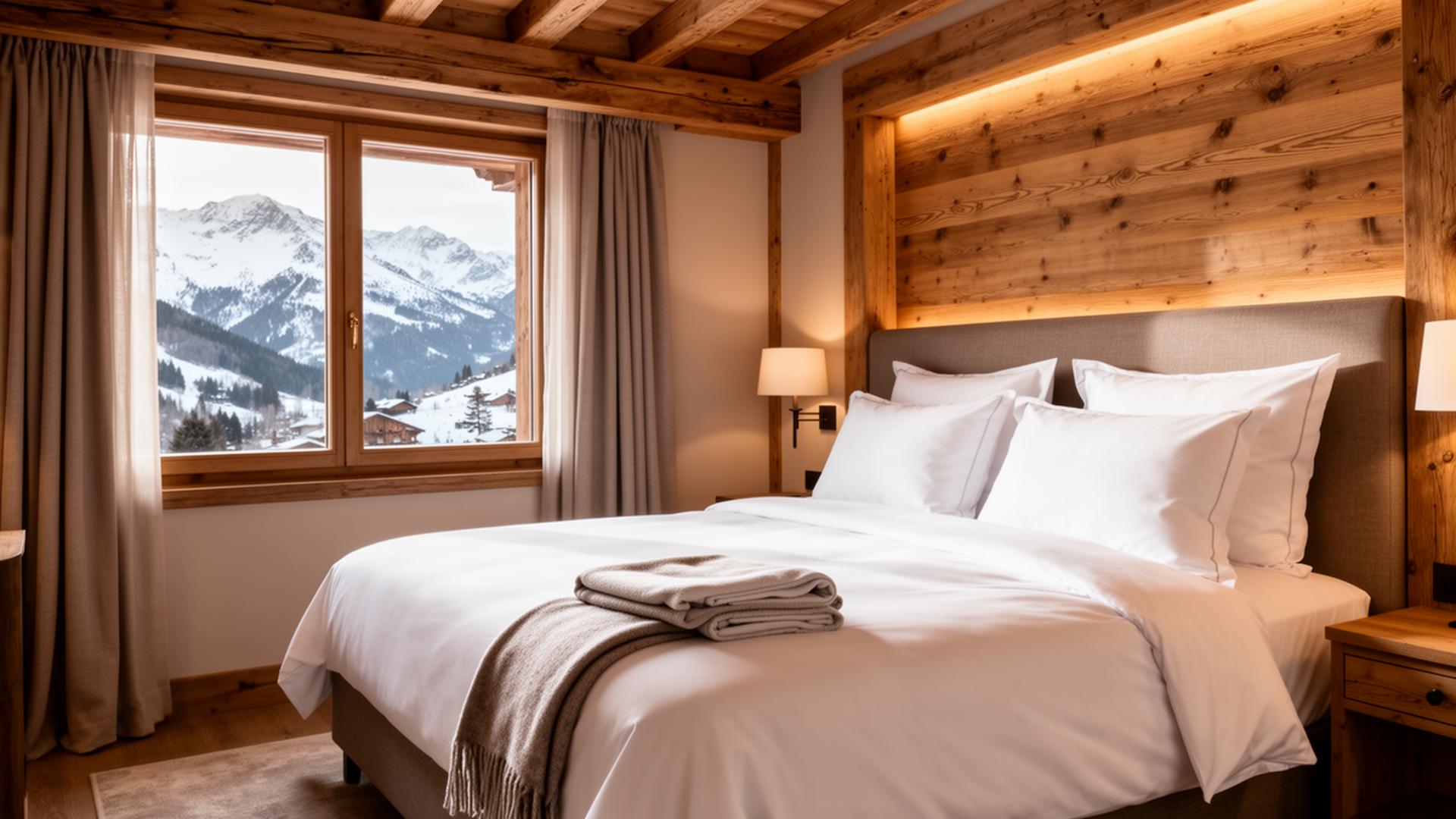
The point is not to show the size, decor or value of the residence. The most relevant images are often tight framings: a bed corner, aligned pillows, gleaming taps, a checked mirror, a clean sink, a hob, folded towels, a window detail, professional equipment, a checklist without private information.
Such photos show the precision of the work without revealing the whole home.
Avoid wide shots
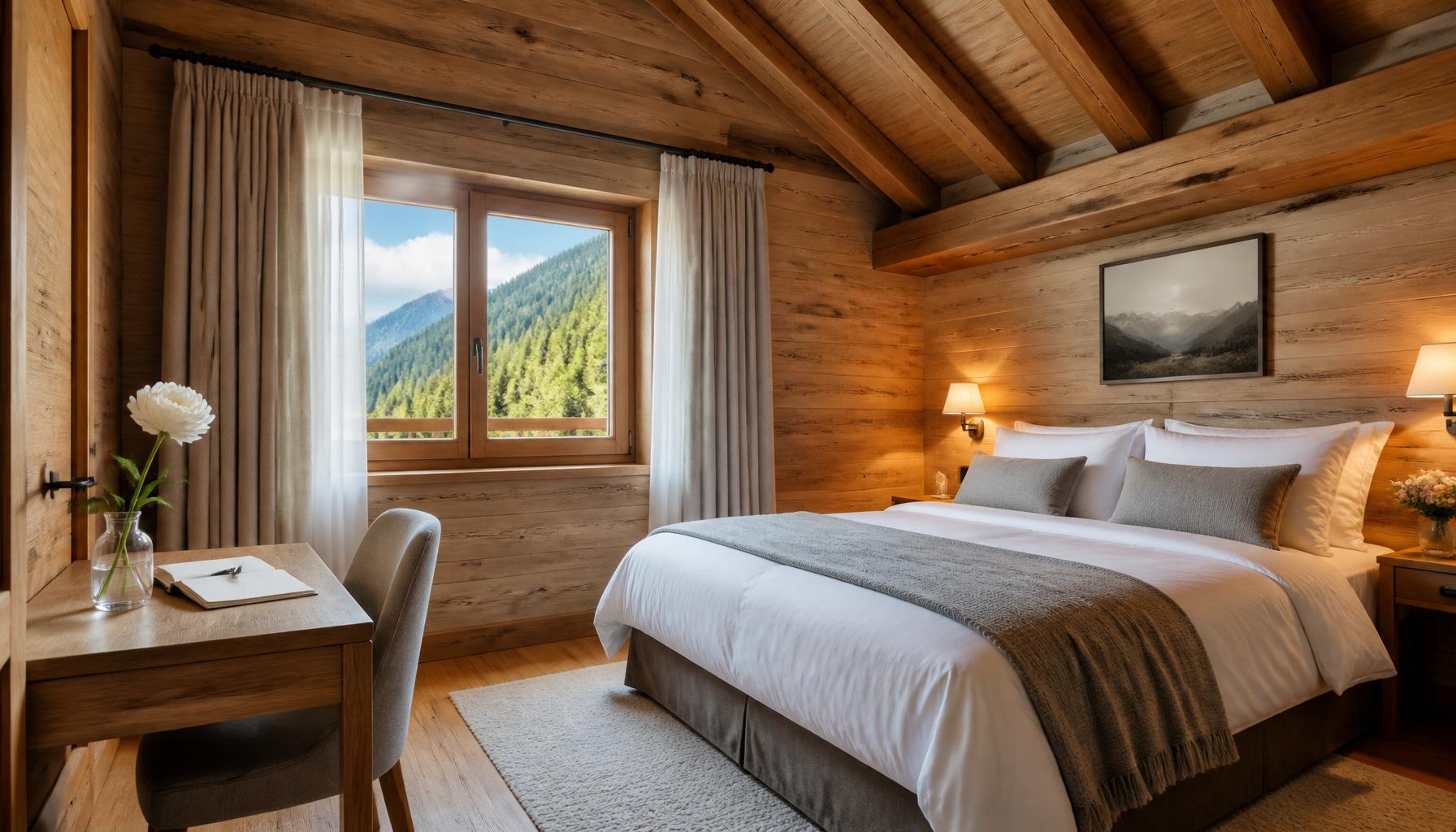
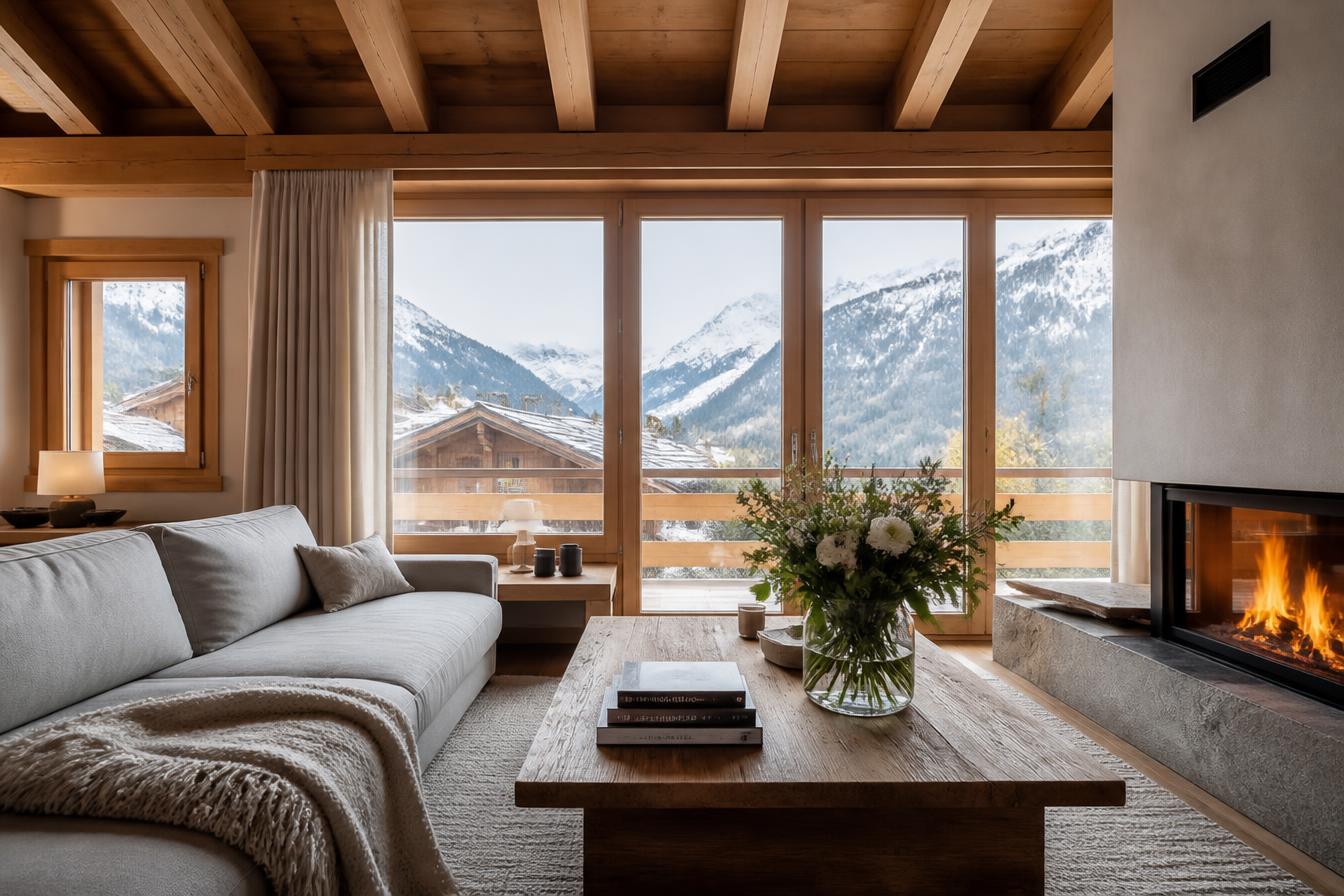
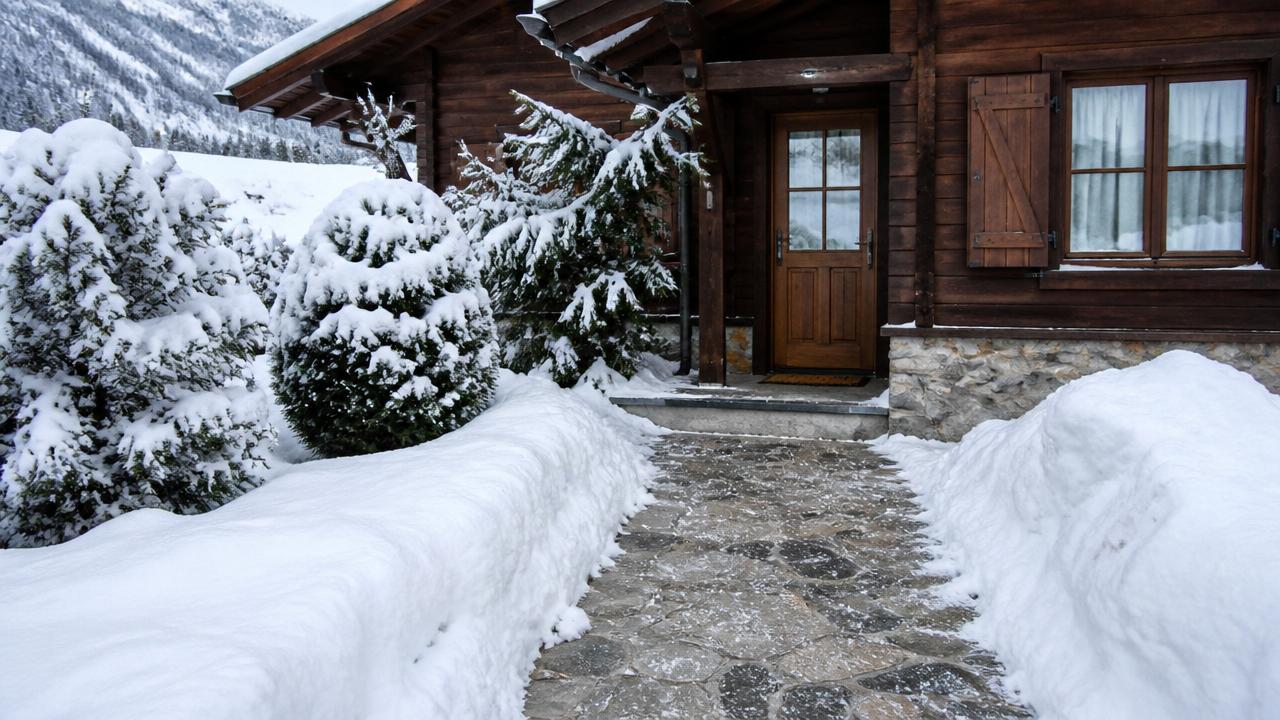
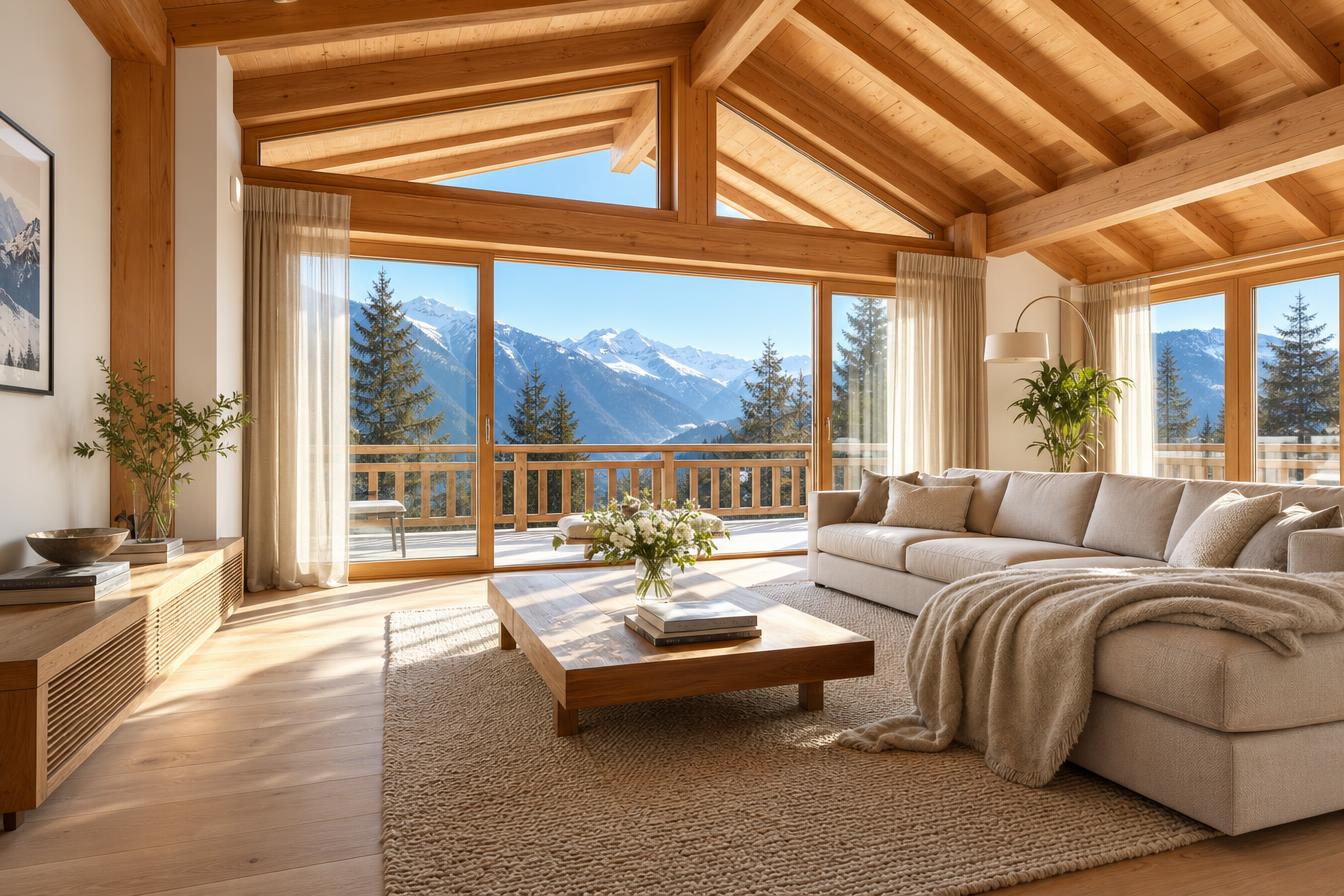
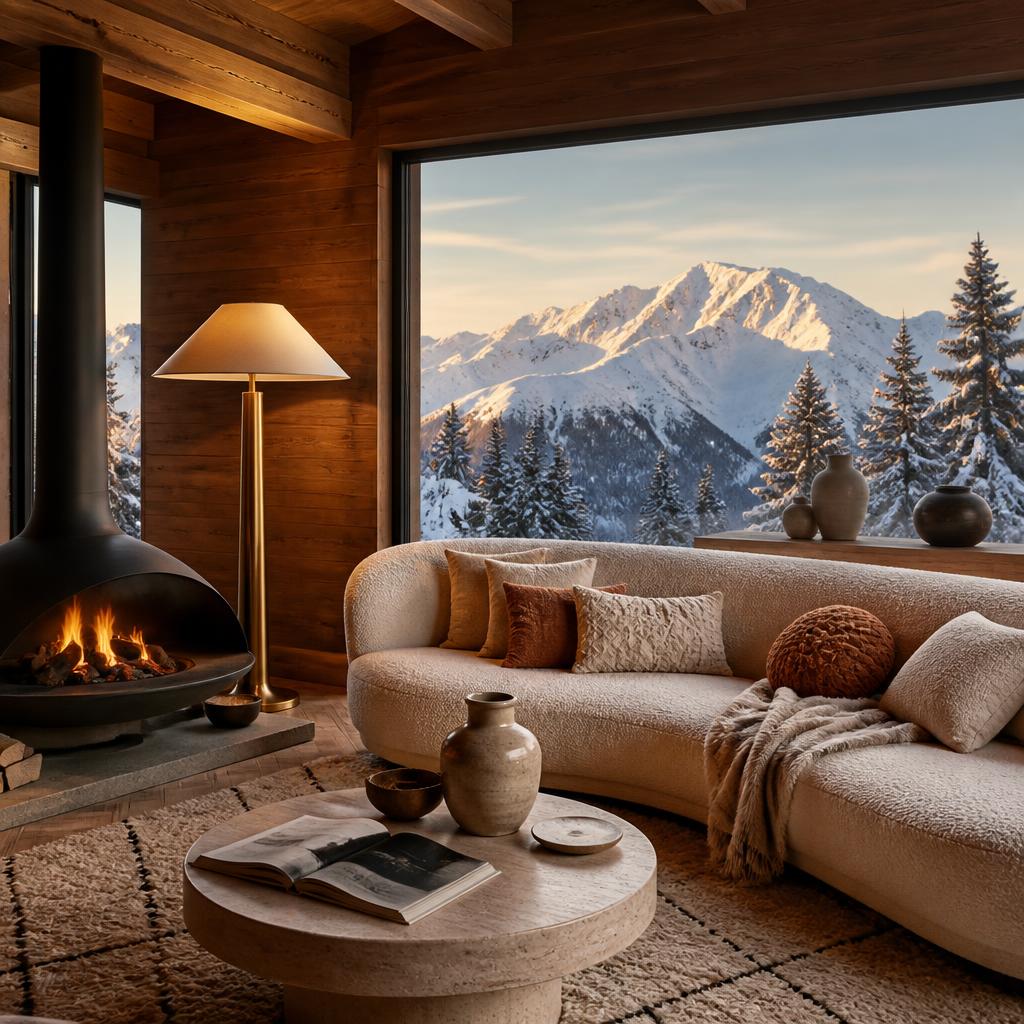
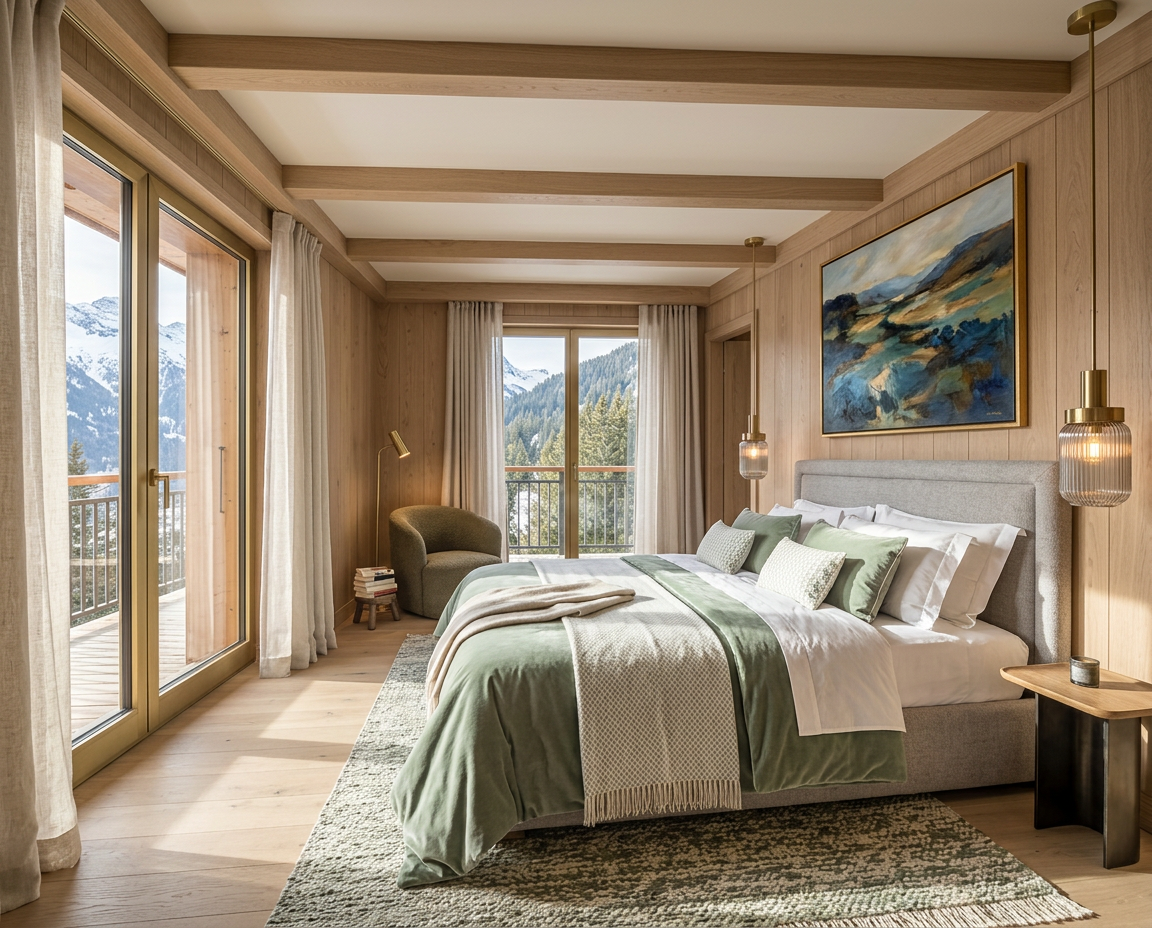
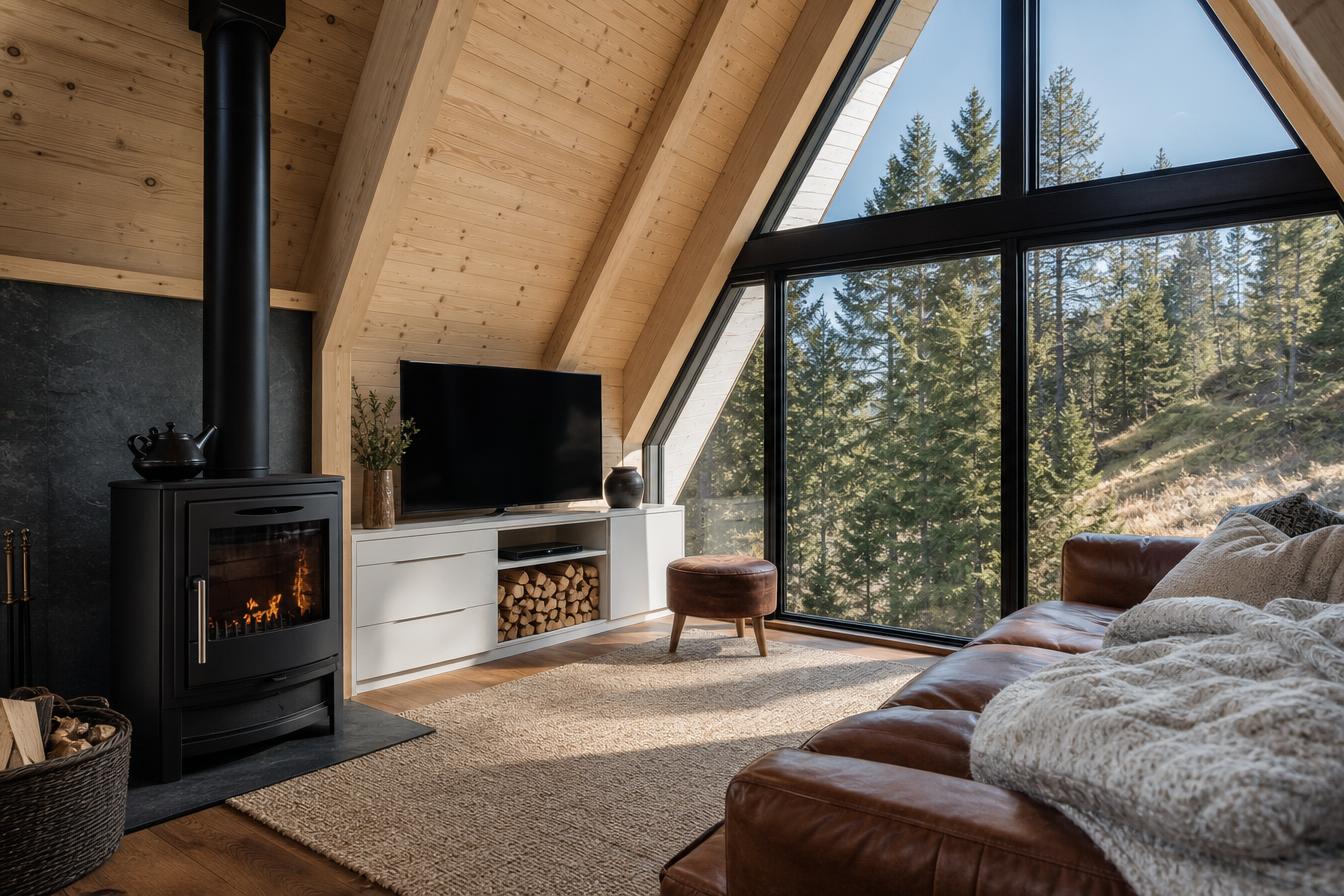
A general photo of a living room, bedroom or terrace can allow the property to be identified, especially in a small town or a known residence.
It can also expose artworks, valuables, a recognisable view, the layout, security systems or personal items. For a cleaning demonstration, this level of exposure is not needed.
Check the background
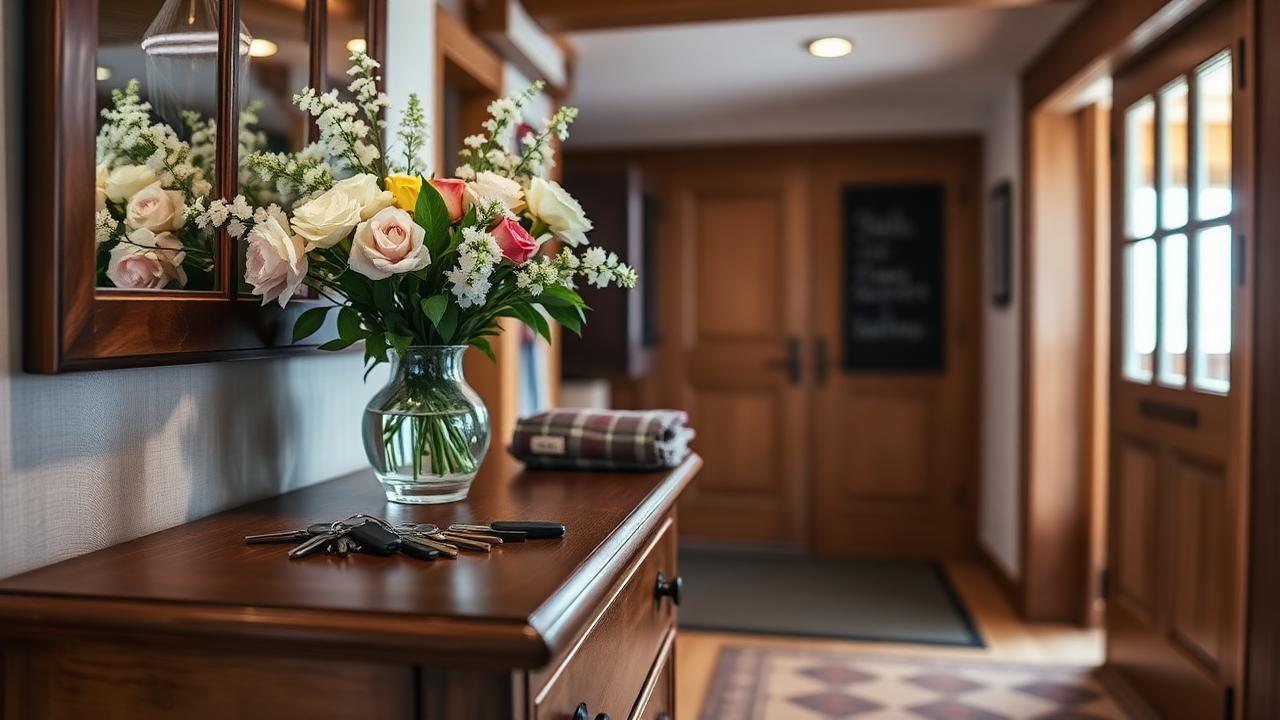
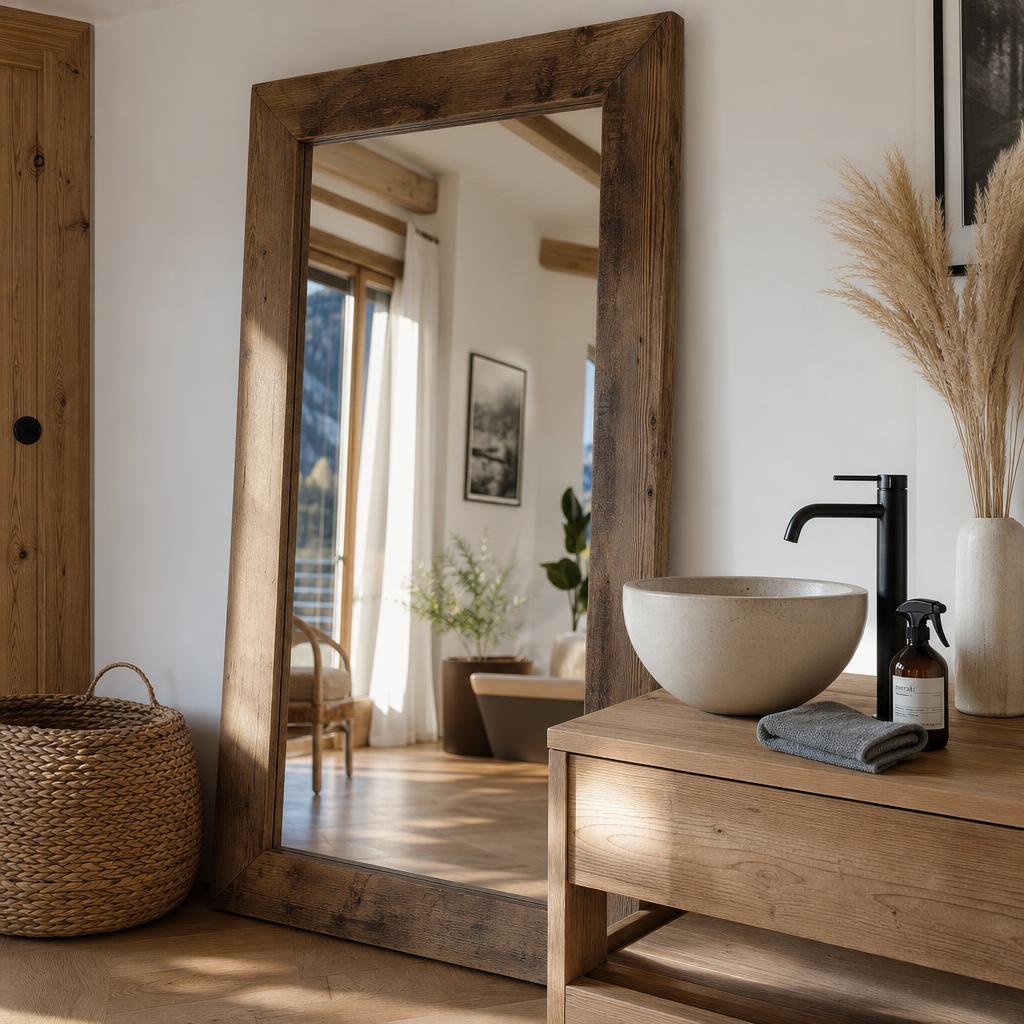
Before taking a photo, look beyond the cleaned area. A mirror can reflect a person, a family picture, a document, the entrance, a screen or a window onto an identifiable place.
Reflective surfaces therefore require particular care.
Remove any personal data
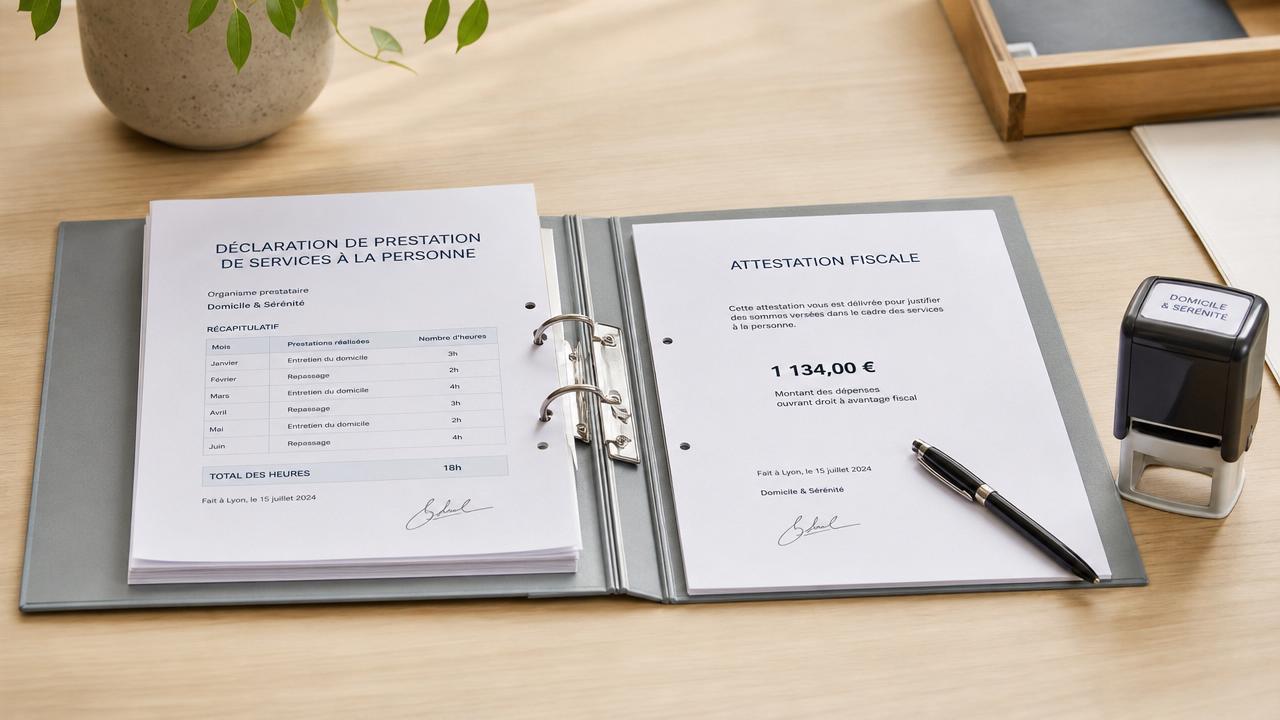
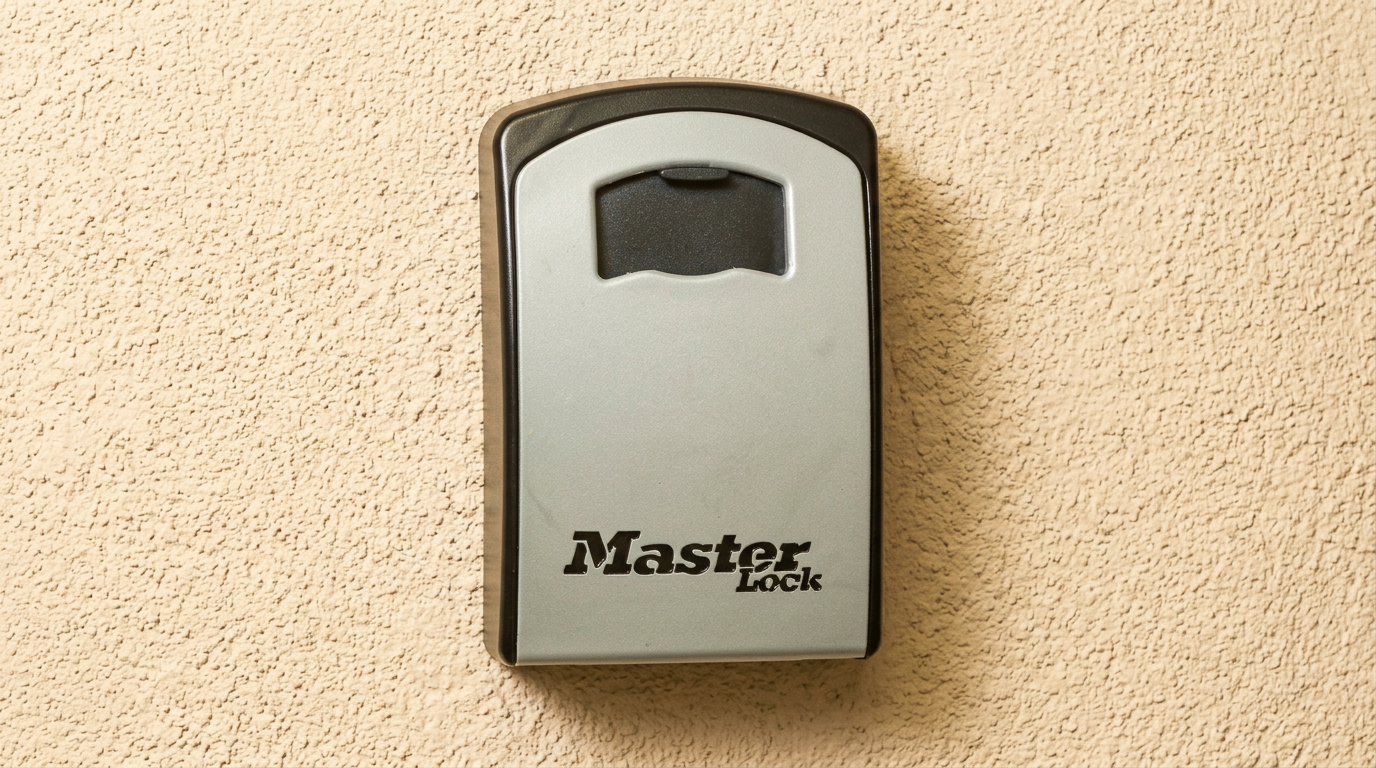
No communication image should show: mail, name, address, prescription, licence plate, access code, computer screen, planner, luggage tag, child's photo or administrative document.
Cropping must happen before any publication.
Get clear authorisation
A photo sent by an owner to request a quote is not a freely usable image. A photo taken during a visit should also not be published automatically.
The authorisation must state that the image can be used for communication, even when it looks anonymous. In case of doubt, the photo stays private.
Create controlled setups
Another option is to build some visual proofs in a controlled environment: one's own home, an authorised showcase home, a specifically prepared space, equipment photographed off-site, a staged bed or mirror.
This helps build a coherent visual identity without depending on clients' interiors.
A simple rule
Before publishing an image, ask three questions: can this photo identify the owner? Can it help recognise or locate the home? Does it contain information I would not want published in my own home?
If any answer is yes or uncertain, the image should not be used.
Confidentiality does not limit proof of quality. It simply requires showing what really matters: the precision of the result.
Each home has its specifics. A first exchange helps understand your needs before any intervention.
Get in touchResources