Resources
Cleaning Washing Machine Seals and Dispensers
Reading · 2 min
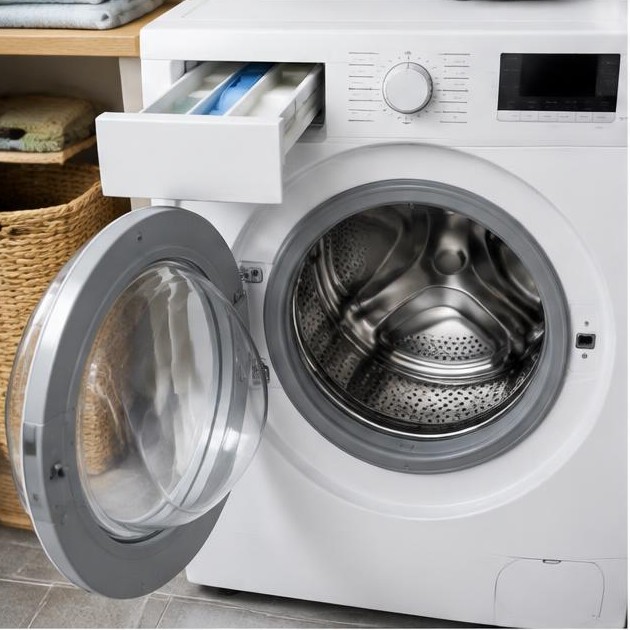
Residual moisture and detergent buildup can lead to mold growth and unpleasant odors in your washing machine. Maintaining the door seal and dispenser drawer is essential for laundry hygiene and the mechanical efficiency of the appliance.
Scrubbing the Rubber Gasket
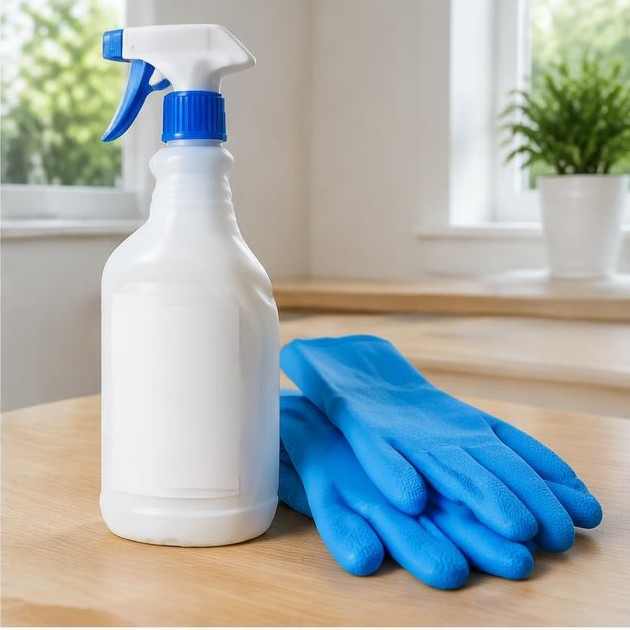
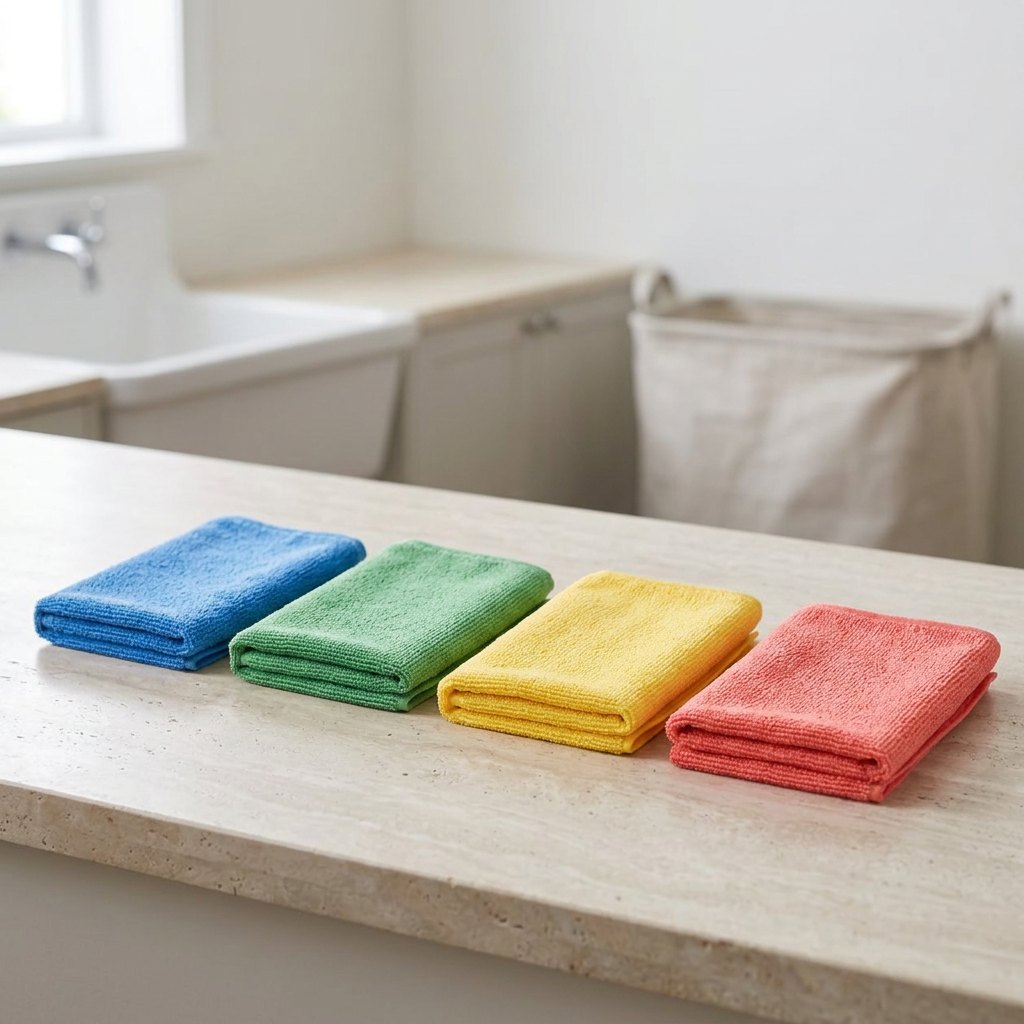
Gently pull back the folds of the rubber door seal to inspect for trapped debris, lint, or small objects. Use a soft cloth dipped in warm, soapy water to wipe down the entire surface, paying close attention to the bottom where water pools, and always test your cleaner on a small hidden area first.
Always dry the seal thoroughly with a clean towel after cleaning to prevent mildew formation. Avoid using abrasive pads or harsh solvents, as these can degrade the rubber's structural integrity, leading to potential leaks during high-speed spinning cycles.
Clearing the Detergent Drawer
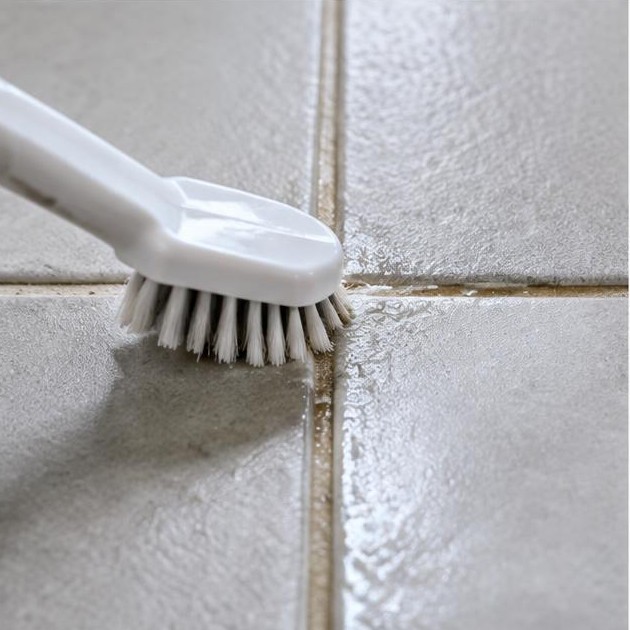
Remove the dispenser drawer by pressing the release tab according to the manufacturer's manual. Soak it in warm water to loosen hardened detergent and fabric softener buildup, then use a soft brush to scrub away residues that can block the water flow and cause overflows.
Wipe the inside of the drawer housing with a damp cloth, ensuring you do not spray water directly into the machine's electrical components behind the control panel. Ensure the siphon caps within the drawer are correctly repositioned after cleaning to maintain proper suction.
High-Temperature Maintenance Wash
Run an empty maintenance cycle at the highest recommended temperature setting to kill bacteria and dissolve grease. Do not add clothes during this process, as the goal is to sanitize the internal drum and outer tub surfaces without interference from textile fibers.
Check the drainage filter at the bottom of the machine before starting the cycle. Never mix different commercial cleaning agents during this process; stick to manufacturer-recommended appliance cleaners or simple heat to prevent hazardous chemical reactions or damage to internal parts.
Identifying Technical Issues
If the seal shows visible tears, hardening, or persistent black mold that won't lift, it is time for a professional replacement. A compromised seal can lead to significant water damage in your home if it fails during a cycle, and DIY repairs like gluing are not safe or effective.
Contact a qualified specialist if you notice water leaking from the dispenser area or if the machine fails to drain. Attempting to dismantle internal plumbing, pumps, or electrical boards without certified training is dangerous and will likely void your manufacturer warranty.
Consistent care prevents mold buildup and ensures your washing machine operates reliably and hygienically for years to come.
Each home has its specifics. A first exchange helps understand your needs before any intervention.
Get in touchQuestion about this article? WhatsAppResources