Resources
Storing Cleaning Products Out of Reach
Reading · 2 min
Proper storage of household chemicals is vital for domestic safety and product longevity. Implementing a secure organization system prevents accidental exposure and ensures that hazardous substances remain effective and chemically stable over time.
Strategic Height and Security
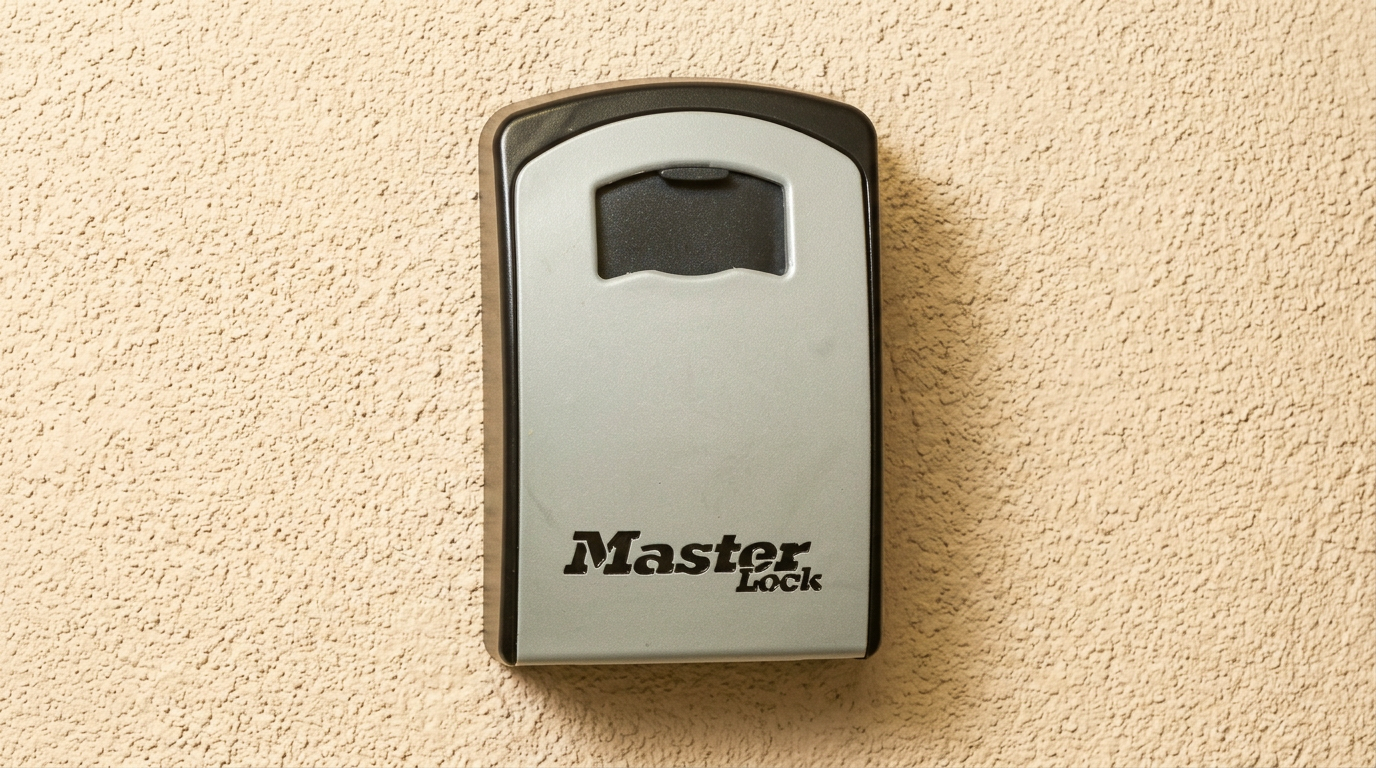
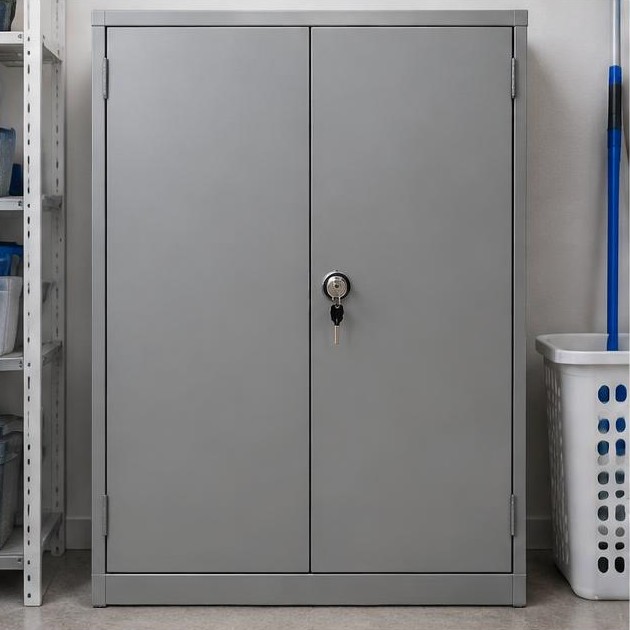
Always prioritize high-level shelving or wall-mounted cabinets that are at least five feet off the ground. This physical barrier removes the hazard from the reach of children and pets. When using low cabinets, you must install heavy-duty safety latches or keyed locks to prevent unauthorized access.
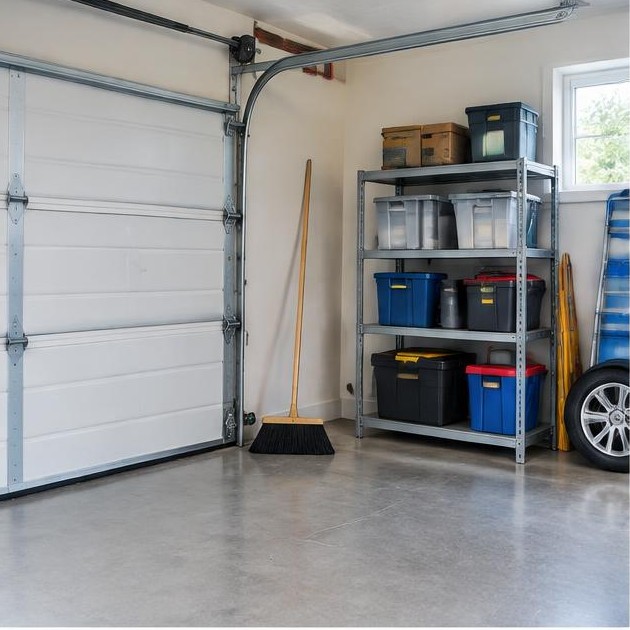
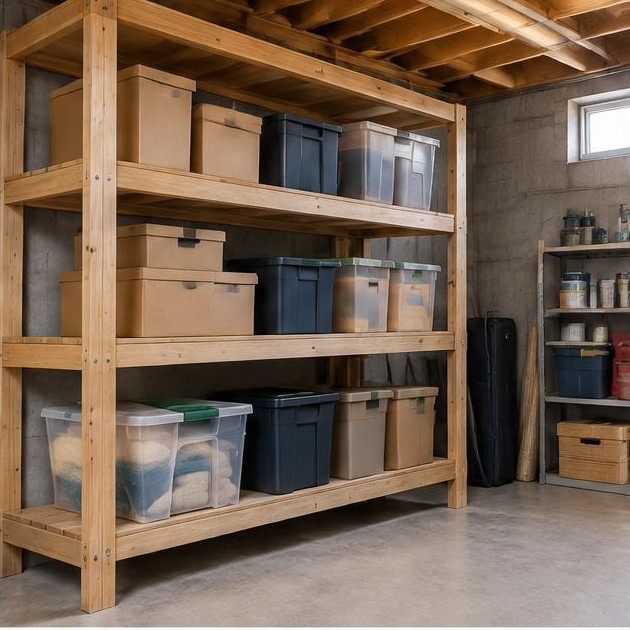
Avoid using open shelving in utility rooms or garages for chemical storage. Many cleaners feature bright packaging that can be mistaken for beverages by toddlers. A closed, opaque cabinet is the most effective way to eliminate visual temptation and keep dangerous items concealed.
Original Packaging Integrity
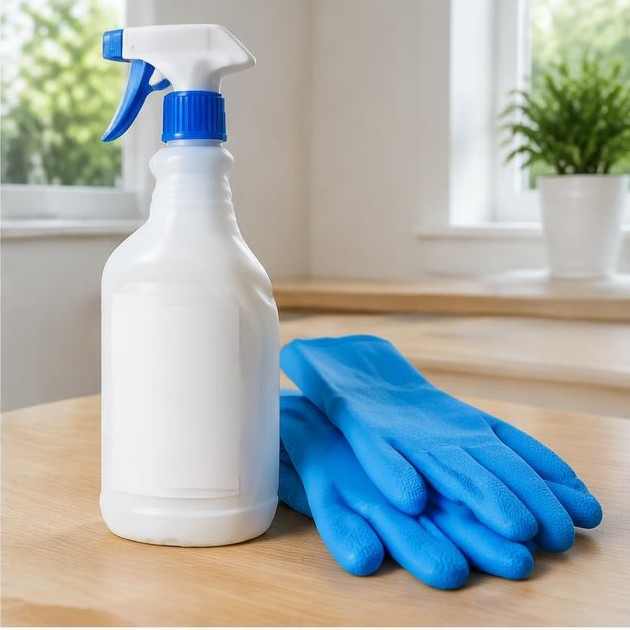
Keep all cleaners in their original containers to ensure manufacturer safety instructions and ingredient lists are always accessible. Decanting liquids into generic spray bottles or jars is a high-risk practice that leads to accidental misuse and prevents medical professionals from identifying substances during emergencies.
Never mix different cleaning chemicals during storage or use. Storing incompatible substances together increases the risk of dangerous reactions if a leak occurs. For instance, the accidental combination of bleach and ammonia products creates toxic gases that are lethal in enclosed spaces.
Temperature and Ventilation
Store your supplies in a climate-controlled environment away from direct heat sources like radiators, water heaters, or direct sunlight. Excessive heat can destabilize chemical formulas, causing them to lose potency or causing pressurized aerosol cans to become dangerously volatile.
Ensure the storage area has adequate airflow to prevent the buildup of chemical odors and vapors. Avoid damp basements where high humidity can degrade paper labels and cause metal containers to rust, leading to structural failure of the packaging and subsequent leaks.
Safe Disposal Protocols
Stop using a product immediately if the container shows signs of degradation, such as thinning plastic, crystalline buildup around the nozzle, or a bloated appearance. Handle these items only with chemical-resistant gloves to avoid skin irritation or chemical burns during transport.
Contact local hazardous waste services for the professional disposal of old, expired, or unlabelled chemicals. Never pour concentrated solutions down the household drain, as they can cause chemical damage to your plumbing system and contaminate the local water supply.
A secure, well-ventilated cabinet is your family's best defense against household chemical hazards.
Each home has its specifics. A first exchange helps understand your needs before any intervention.
Get in touchQuestion about this article? WhatsAppResources