Resources
Preserving the Finish of Lacquered Furniture
Reading · 2 min
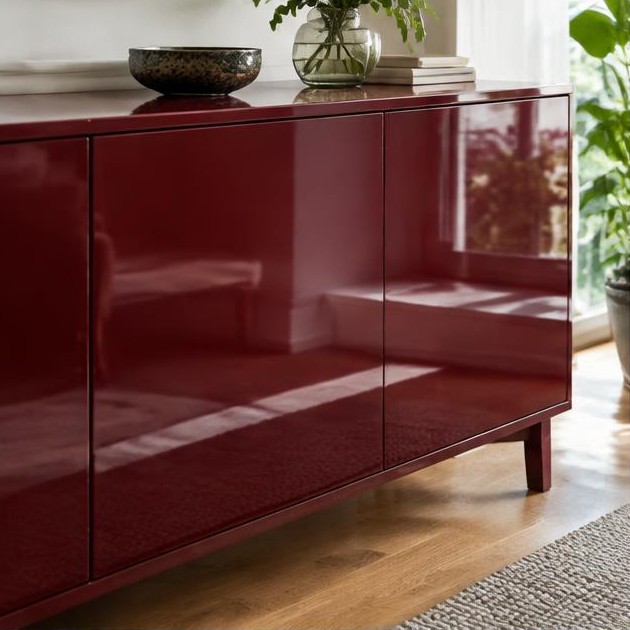
High-gloss lacquer requires a meticulous touch to prevent permanent dulling and surface degradation. Maintaining the structural integrity of the finish is essential for long-term aesthetic value, especially when dealing with high-quality resins that are sensitive to both environmental factors and improper handling.
Essential Dry Dusting Technique
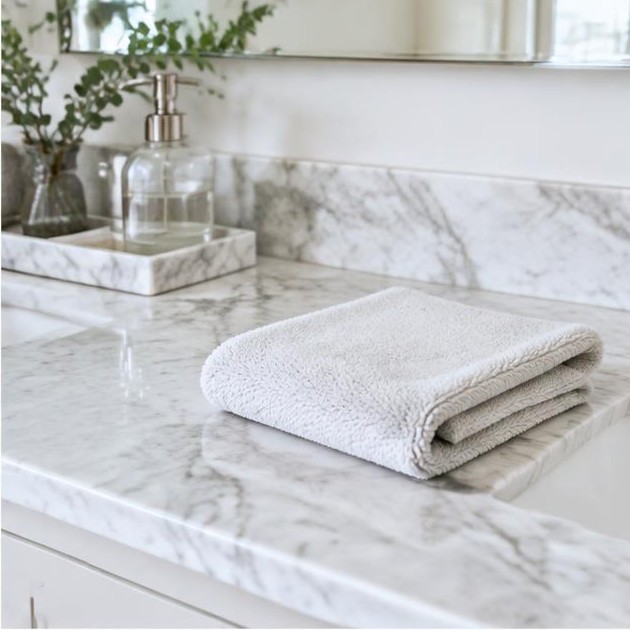
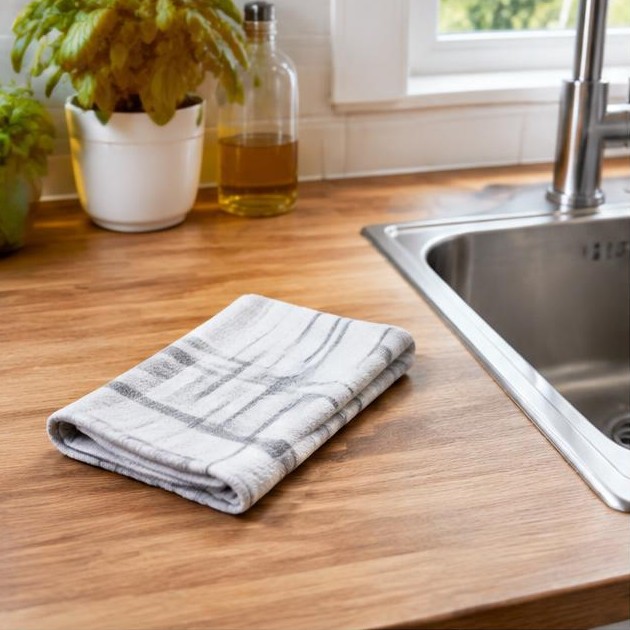
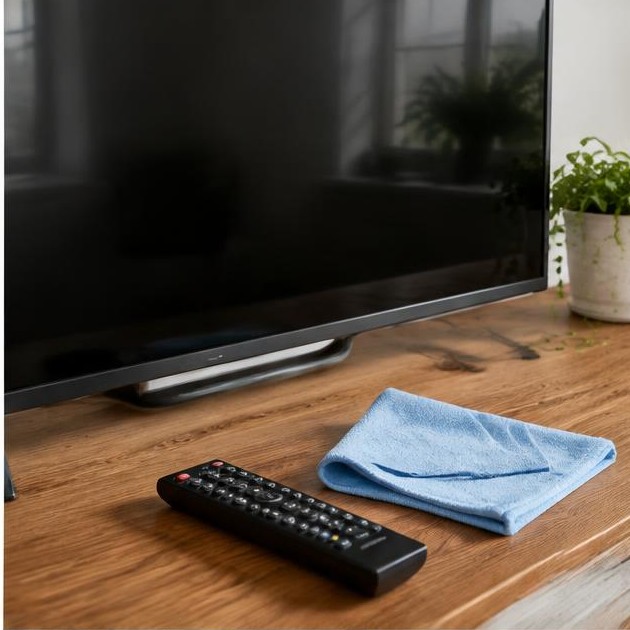
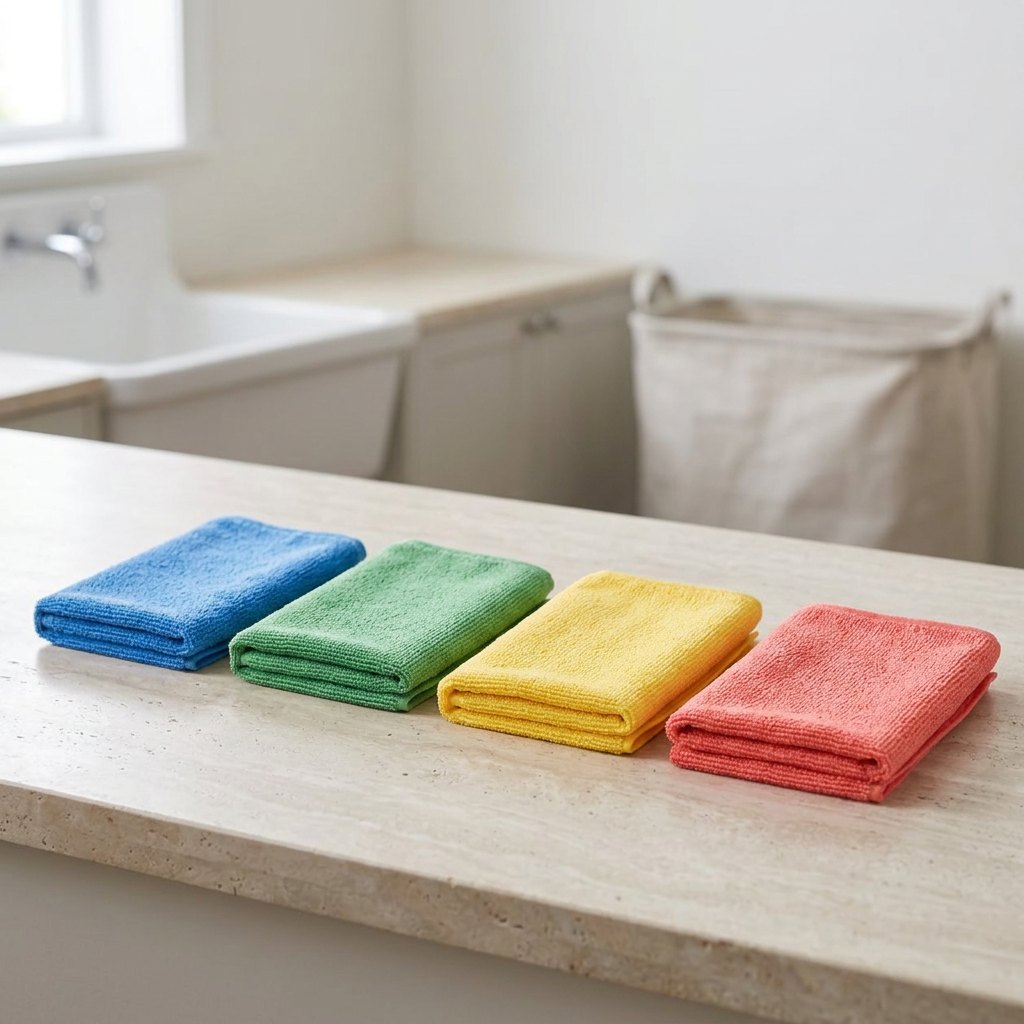
Dust particles can act like sandpaper on glossy surfaces if dragged across them. Use only a clean, high-density microfiber cloth to lift debris. These specialized cloths are designed to trap dust within their fibers, preventing the friction that leads to micro-scratches or 'swirl marks' on the finish.
Apply zero pressure during this process, allowing the cloth to glide over the surface. Always test your cleaning method on a hidden area first, such as the underside of a shelf. Avoid feather dusters or traditional rags, which often scatter particles rather than removing them from the furniture surface.
Safe Moisture Application
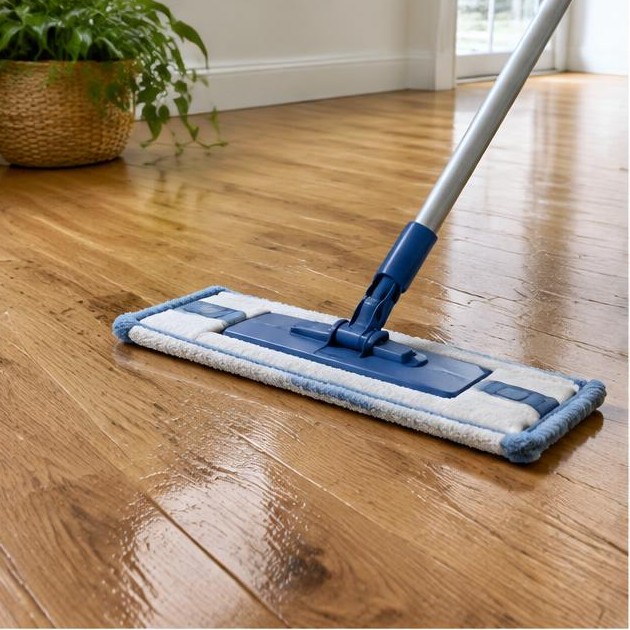
If stains persist, slightly dampen the cloth with distilled water. Local tap water often contains minerals that leave streaks or cloudy deposits upon drying. Wring the cloth until it is barely damp to the touch, ensuring no liquid can escape and settle into the furniture's joints or seams.
Never spray water or any liquid directly onto the furniture surface. Moisture can seep under the lacquer layer, causing the underlying wood or MDF to swell, which leads to cracking. Always follow up with a dry microfiber cloth to remove any lingering moisture and restore the reflective quality immediately.
Chemical Warnings and Restrictions
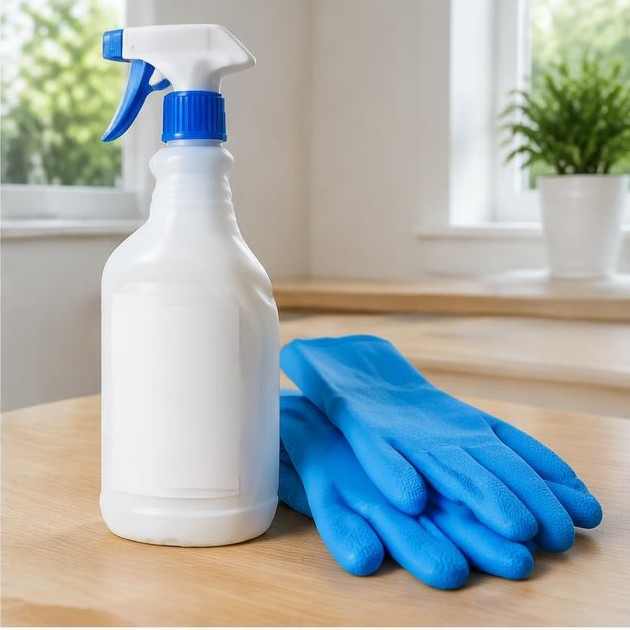
Avoid all glass cleaners, waxes, or polishes containing silicone. These substances build up a greasy film that attracts more dust and eventually turns the lacquer cloudy. Always prioritize manufacturer-approved products, as they are specifically formulated to interact safely with high-gloss furniture coatings.
Never mix different cleaning agents, as chemical reactions can dissolve the lacquer bond or cause irreversible yellowing. A minimalist approach is best for high-end lacquer; using fewer chemicals ensures the protective top coat remains hard and clear, preserving the item's original design intent.
Consulting a Professional Specialist
Stop cleaning immediately if you notice the lacquer is chipping, lifting, or feeling unusually tacky. These are symptoms of structural failure or chemical breakdown that cannot be fixed with home remedies. Rubbing these areas will only expand the damage and potentially lead to permanent loss of the finish.
Consult a furniture restoration specialist or a professional lacquer technician if deep scratches appear. They utilize professional-grade buffing tools and specialized resins to restore the shine without compromising the piece. Seeking expert help early prevents the need for a costly and complete refinishing of the entire item.
Consistent, gentle care and the use of correct materials are the only ways to maintain a mirror-like lacquer finish for decades.
Each home has its specifics. A first exchange helps understand your needs before any intervention.
Get in touchQuestion about this article? WhatsAppResources