Resources
Oven Maintenance: Methods and Safety by Technology
Reading · 2 min
Oven cleaning must strictly follow the device's design technology, whether it is catalytic or pyrolytic. An inappropriate method can not only destroy the self-cleaning properties of the walls but also compromise the integrity of the seals and the electrical safety of the appliance.
Catalytic Ovens: Preserving Porous Walls
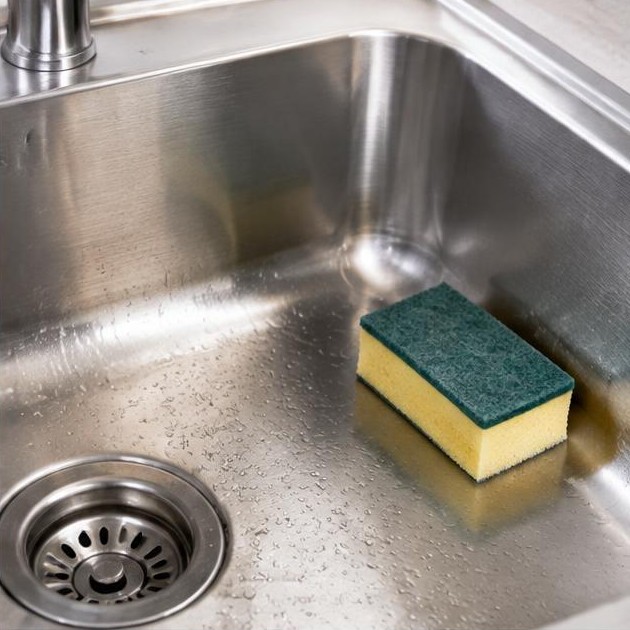
Catalytic panels are designed to absorb grease during high-temperature cooking. For maintaining non-porous areas, such as the oven floor or glass, use a paste made of baking soda and lukewarm water. Let it sit on grease stains, then rinse gently with a non-abrasive sponge.
It is crucial never to use spray-on heavy-duty cleaners or wire brushes on catalytic walls. These aggressive agents would clog the special enamel pores and permanently cancel the self-cleaning function. Always test the softness of your sponge on a small part of the floor before proceeding.
Pyrolytic Ovens: Preparation and Cycle Safety
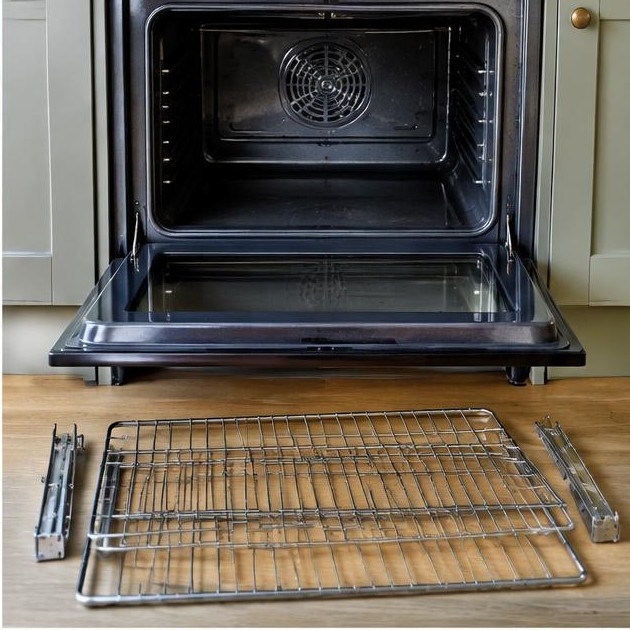
Before starting a pyrolysis cycle, you must remove all accessories: racks, drip pans, and telescopic rails. The extreme temperature, which can reach 500°C, could warp metals or tarnish the coating of accessories not designed for this intense heat treatment.
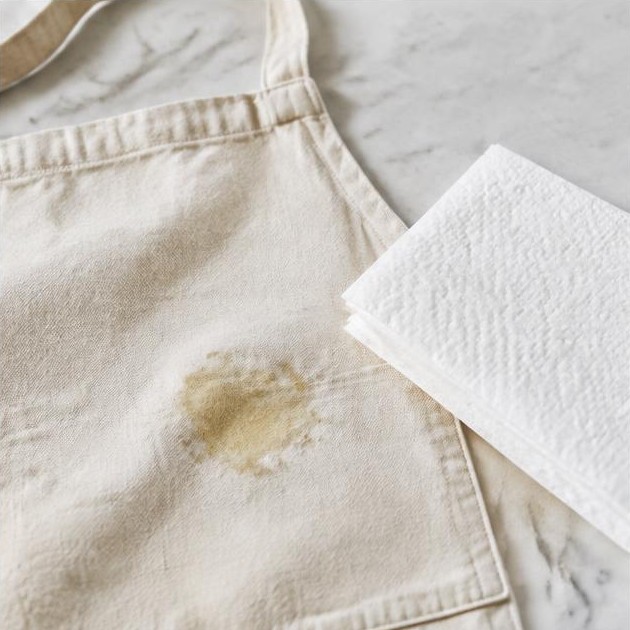
Wipe away significant food residues at the bottom of the oven with a damp paper towel before starting. This helps limit smoke emissions and acrid odors during the combustion of grease. Ensure the room is well-ventilated throughout the cleaning process.
Caring for Glass Surfaces and Seals
Cleaning the inner glass must be done carefully to avoid micro-cracks. Use a mixture of warm water and neutral soap. Strictly avoid splashing cold water on glass that is still warm after a cooking cycle, as thermal shock could cause the glass to shatter immediately.
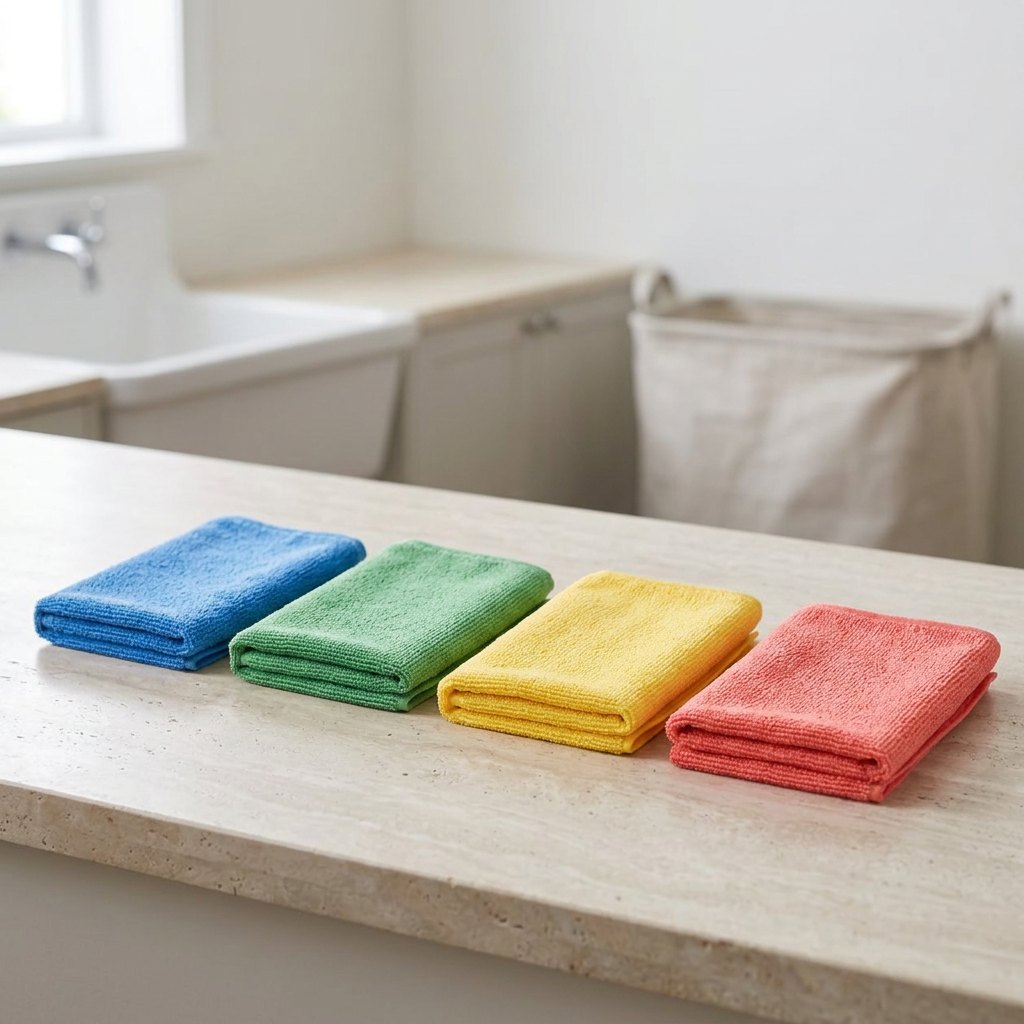
Regarding fiberglass or rubber gaskets, never scrub them vigorously with rough tools. A simple, delicate wipe with a soft damp cloth is enough to remove deposits without altering their flexibility. A damaged seal leads to heat loss and increased energy consumption.
Technical Limits and Critical Interventions
If the pyrolysis cycle stops abnormally or if the door lock remains active after cooling, never force the mechanical opening. Forcing the handle could irretrievably break the electronic locking system. Consult the manual or contact a technician for a safe unlock.
In case of massive buildup of burnt grease on the heating elements, do not attempt to scrape them with metal objects. A damaged heating element poses a real risk of short circuit or fire. The intervention of a professional repairer is required to ensure the electrical safety of your installation.
Adhering to specific maintenance cycles ensures optimal cooking performance and lasting safety for your home.
Each home has its specifics. A first exchange helps understand your needs before any intervention.
Get in touchQuestion about this article? WhatsAppResources