Resources
Preserving a Wooden Worktop
Reading · 2 min
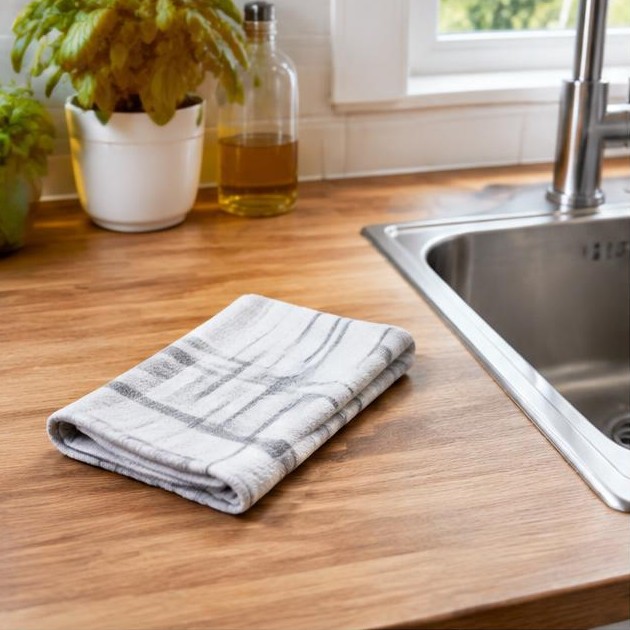
Wood brings unique warmth to a kitchen, but its natural porosity requires rigorous attention to moisture and food stains. Proper care ensures longevity and prevents unsightly warping over time, provided that you prioritize manufacturer-approved products and follow specific maintenance protocols for organic materials.
Daily Cleaning and Drying
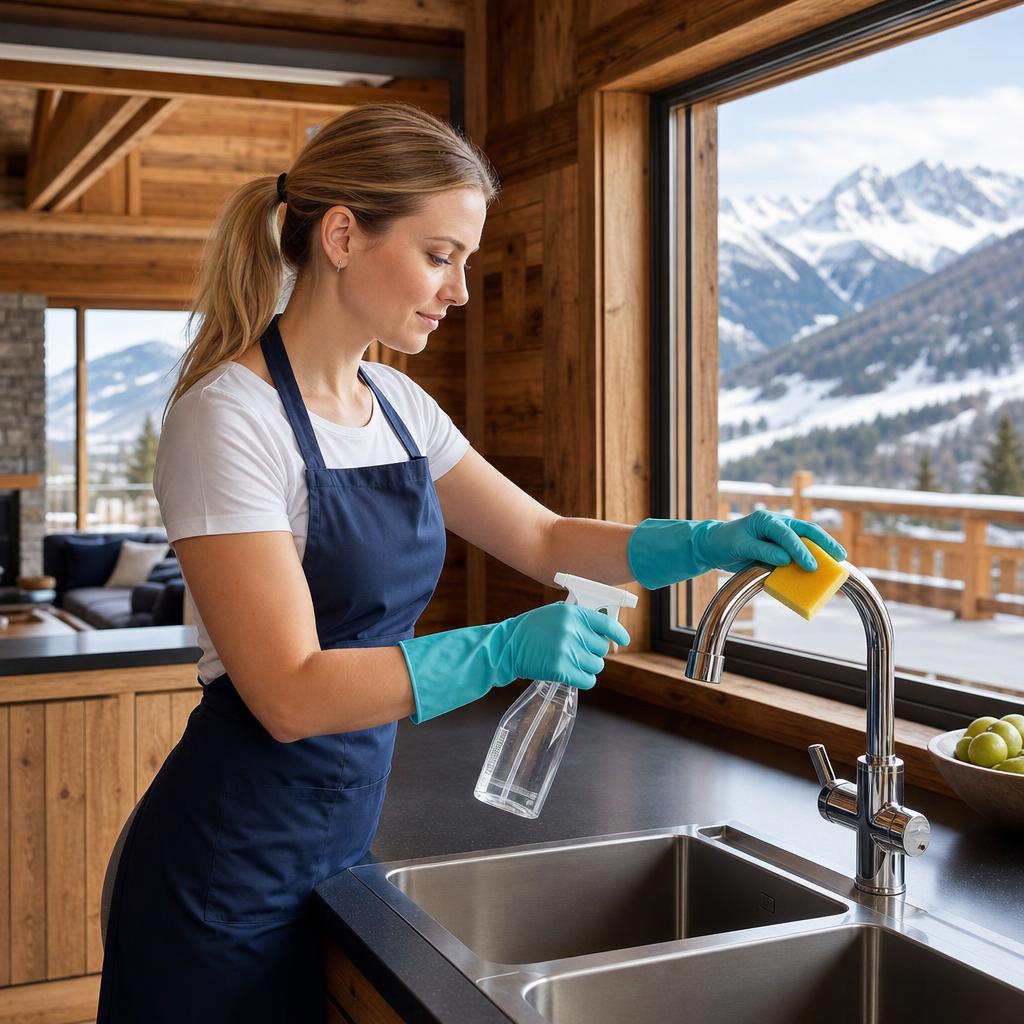
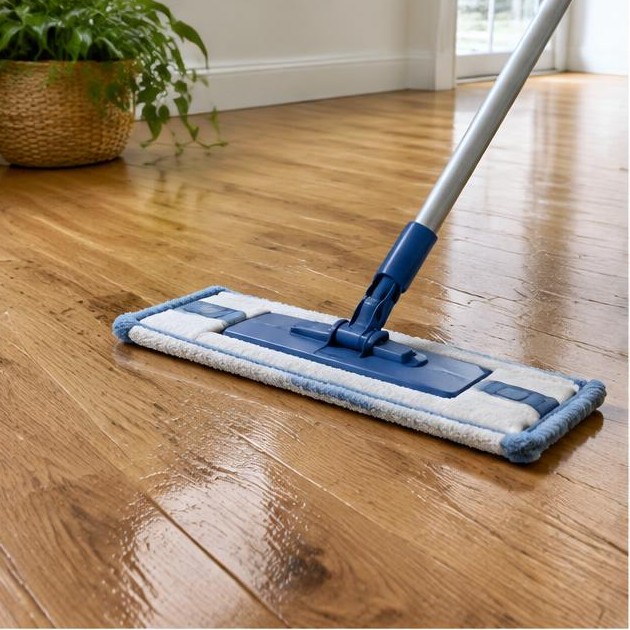
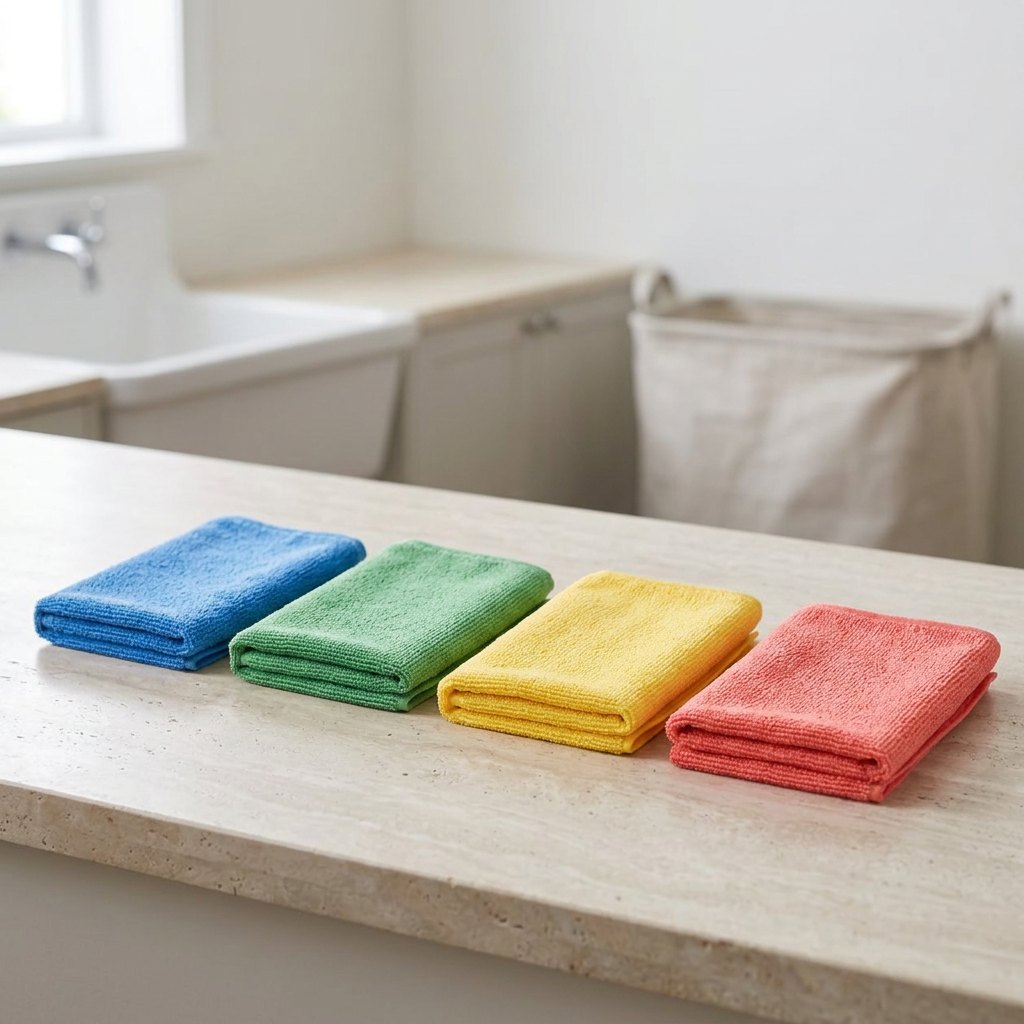
Use only a slightly damp microfiber cloth with a drop of neutral, non-abrasive soap. Standing water is wood's primary enemy; immediately wipe away any splashes after use to prevent absorption into the grain. Always test any new cleaning solution on a small, hidden area before applying it to the entire surface.
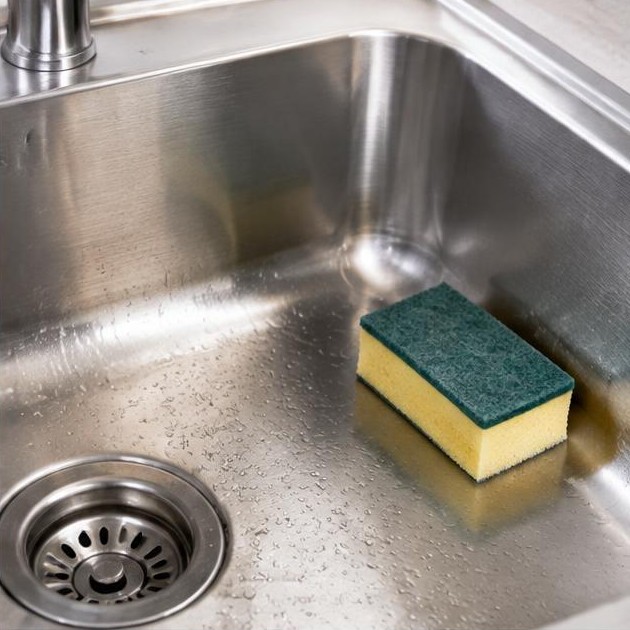
Avoid abrasive sponges that scratch the surface protection and leave the wood vulnerable. Immediate drying with a clean, dry cloth prevents fiber swelling and prevents the dulling of the oil or varnish finish. Consistent drying habits are essential for maintaining the wood's structural integrity and aesthetic appeal.
Oil Maintenance and Protection
Apply a food-grade protective oil as recommended by the manufacturer to saturate the pores and create a moisture barrier. A very light sanding in the direction of the grain with fine-grit sandpaper may be performed before application to ensure the protective product penetrates evenly and deeply into the wood fibers.
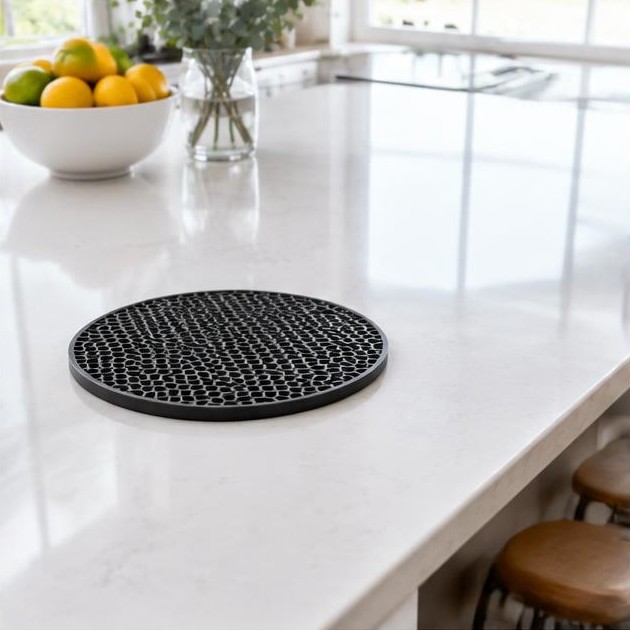
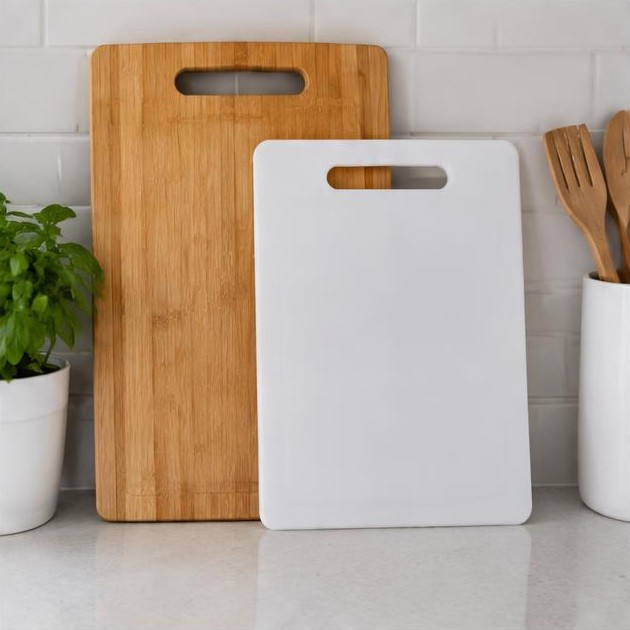
Never leave wet containers, damp cloths, or cup bottoms sitting on the surface for extended periods. Systematically using coasters, trivets, and cutting boards protects against indelible moisture rings and heat damage. These simple habits prevent the most common types of permanent damage seen in wooden kitchens.
Cautions and Chemical Hazards
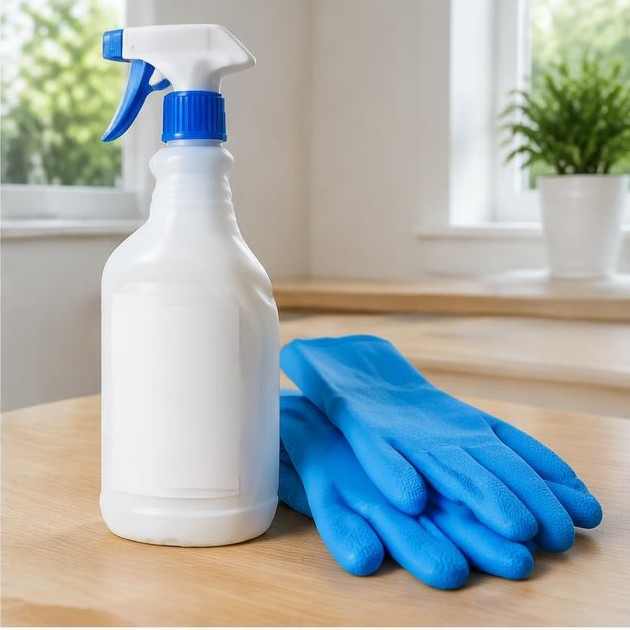
Never mix bleach with vinegar or other household cleaners on wood surfaces. Harsh chemicals strip the natural finish and cause irreversible discoloration or chemical burns to the wood fibers. Stick to ph-neutral cleaners that are specifically formulated for wood finishes to avoid degrading the protective layer.
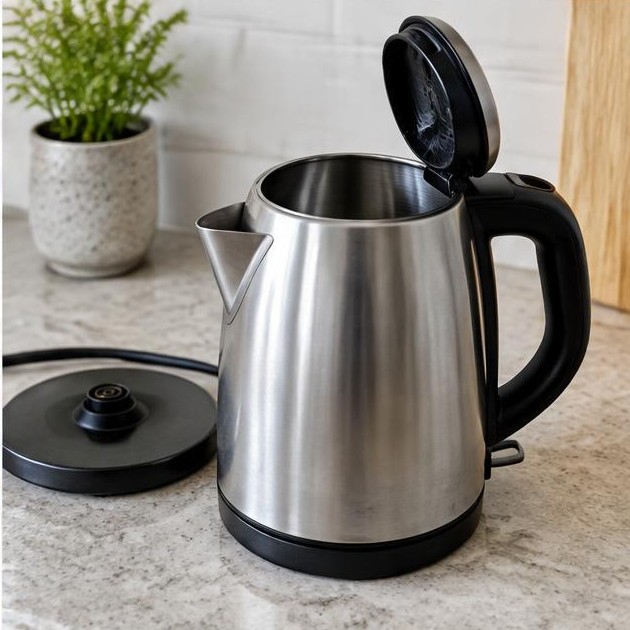
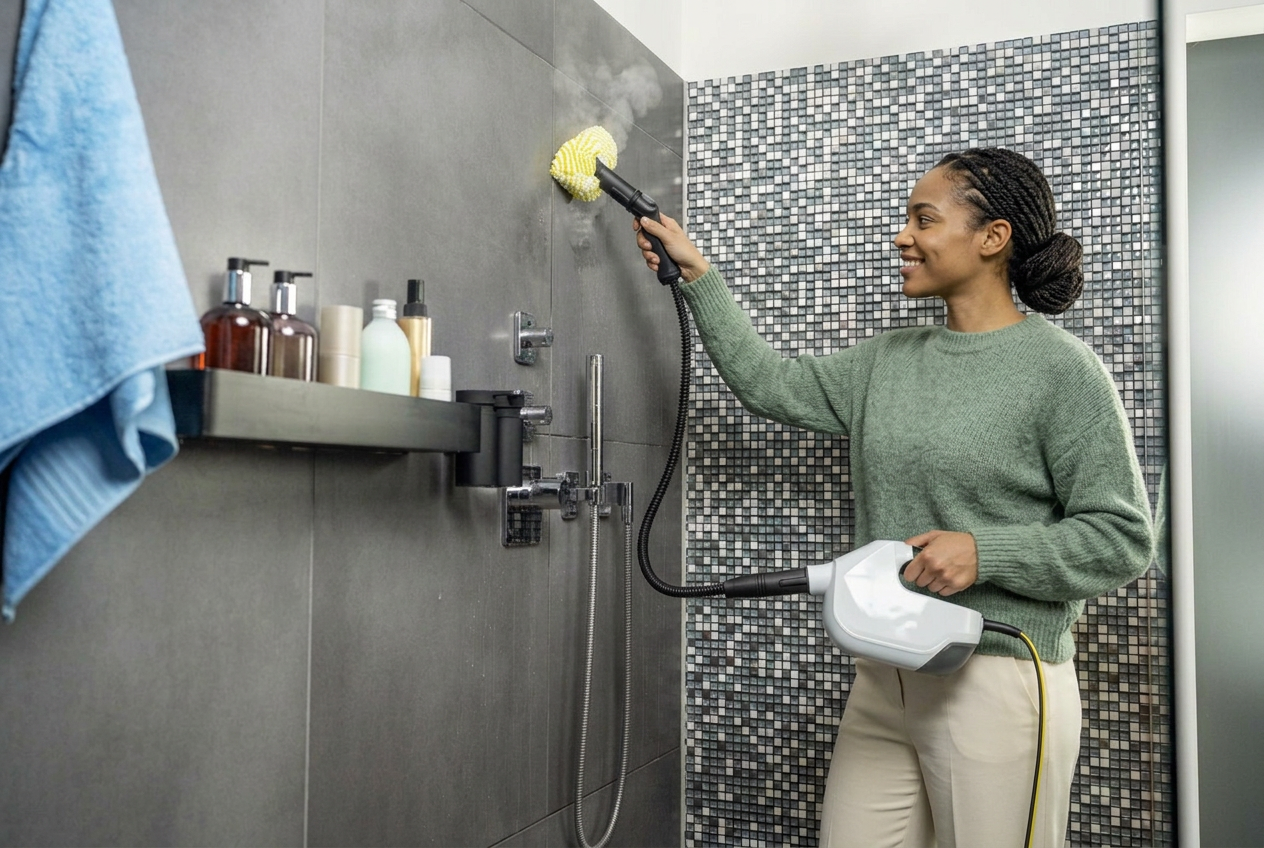
Do not use steam cleaners, as the high-pressure humid heat expands the pores and weakens the glue between wood slats. Always follow the drying and curing times recommended on the oil manufacturer's label to ensure the surface is fully protected before returning the worktop to normal use.
Limits and Professional Help
If the wood shows deep cracks, structural splits, or embedded black mold stains, superficial cleaning is no longer sufficient. It is time to consult a professional cabinetmaker for comprehensive sanding and refinishing. Attempting to fix deep structural issues with home products may lead to further deterioration.
Stop all interventions if you notice peeling sealant or failed silicone joints near the sink. Prolonged water infiltration can cause structural damage to the cabinetry below that is invisible to the eye. A professional must reseal these areas to ensure the entire worktop system remains watertight and secure.
A well-maintained wooden surface remains a durable and hygienic centerpiece for any modern kitchen.
Each home has its specifics. A first exchange helps understand your needs before any intervention.
Get in touchQuestion about this article? WhatsAppResources