Resources
Preserving the Appearance of Vinyl Flooring
Reading · 2 min
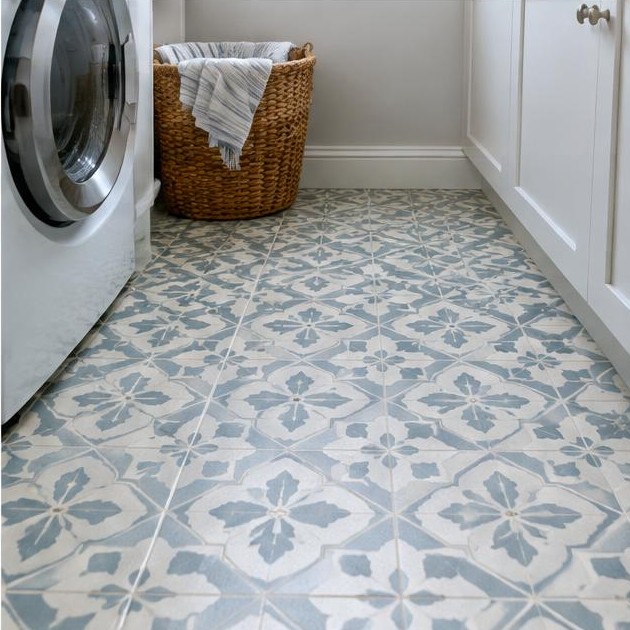
Vinyl is a durable, water-resistant material, but it requires specific care to prevent permanent surface damage. Maintaining its luster involves avoiding abrasive tools and reactive chemicals.
Daily Dust and Grit Management
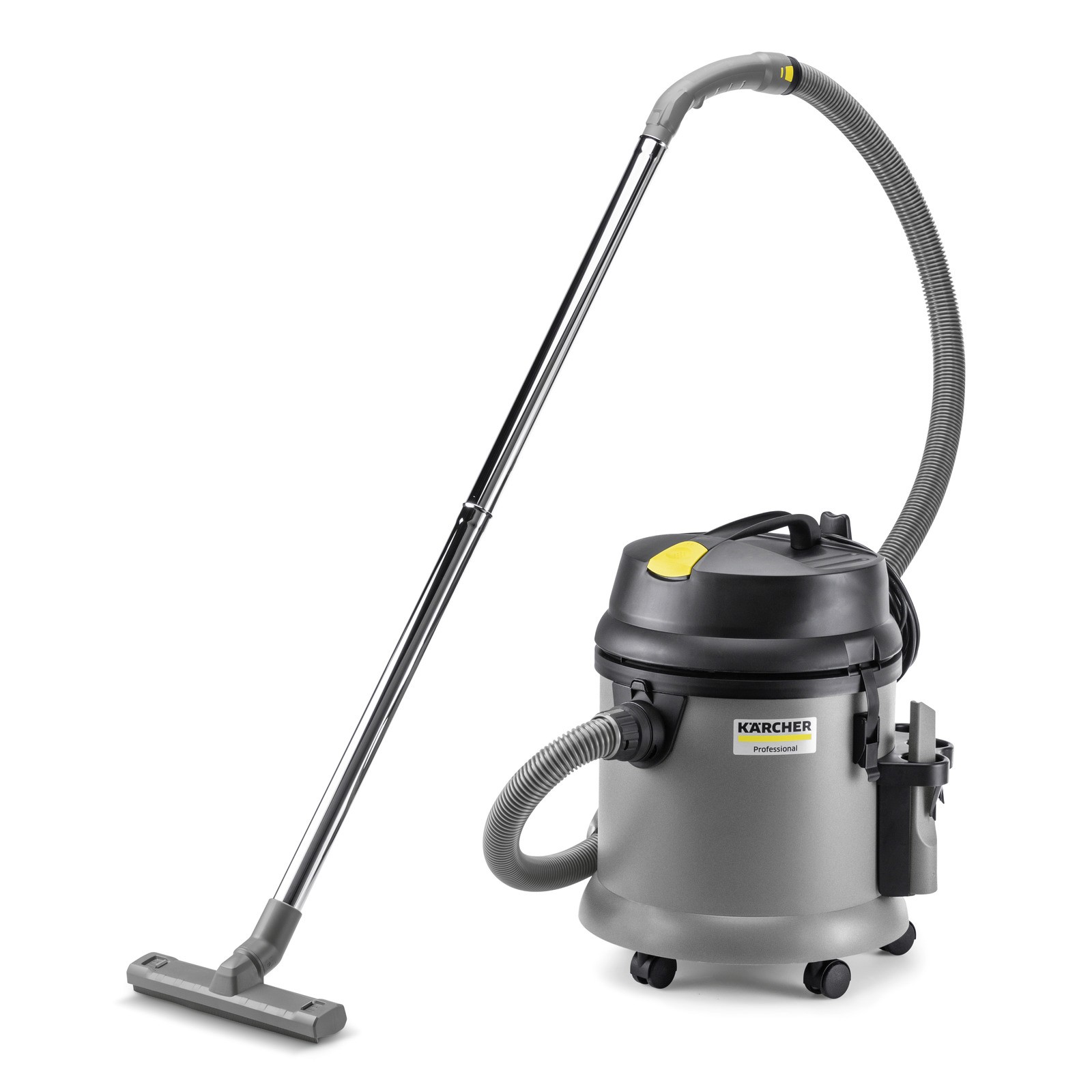
Regularly remove dust and grit using a soft-bristled broom or a vacuum set to the hard floor setting. Small particles act like sandpaper under the pressure of footsteps, slowly wearing down the clear wear layer of the vinyl. Keeping the floor free of dry debris is the most important step in preventing a dull appearance.
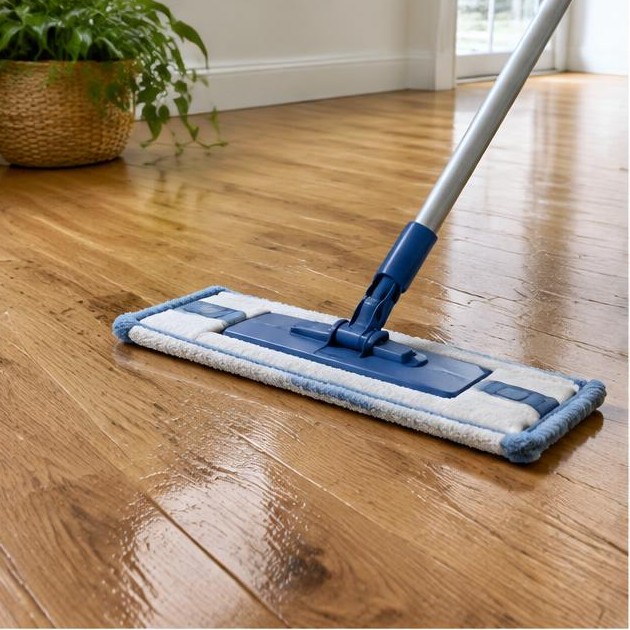
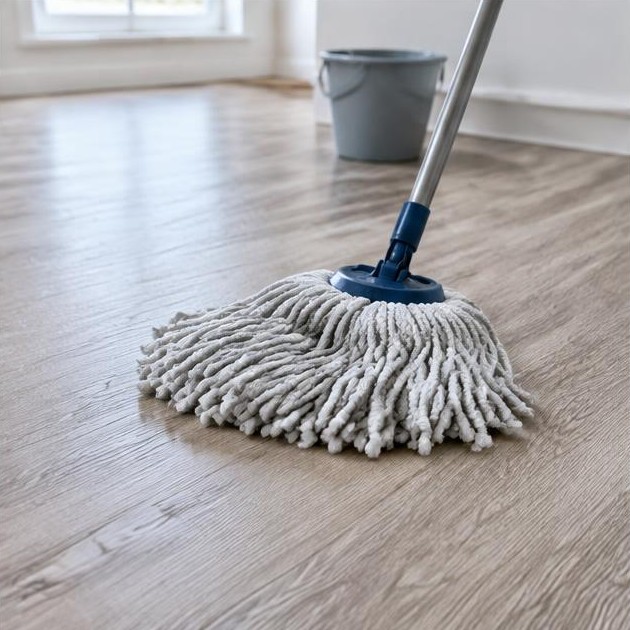
When mopping, use lukewarm water and a well-wrung mop. While vinyl is synthetic and handles moisture well, excessive water should never be allowed to sit. Liquid can seep into the perimeter edges or seams, potentially loosening the adhesive bond or causing the subfloor to experience moisture issues.
Chemical Safety and Compatibility
Avoid using paste wax, oil-based cleaners, or strong solvents like paint thinner. These products can leave a sticky film or permanently degrade the synthetic top layer. Always use a pH-neutral cleaner specifically designed for resilient flooring to ensure the surface remains clear and non-reactive.
Never mix ammonia-based cleaners with bleach, as this creates hazardous fumes. Stick to a single, approved cleaning solution and follow the dilution instructions carefully. Using too much soap can lead to a build-up that makes the floor slippery and attracts more dirt, requiring more aggressive cleaning later.
Mechanical and Chemical Protection
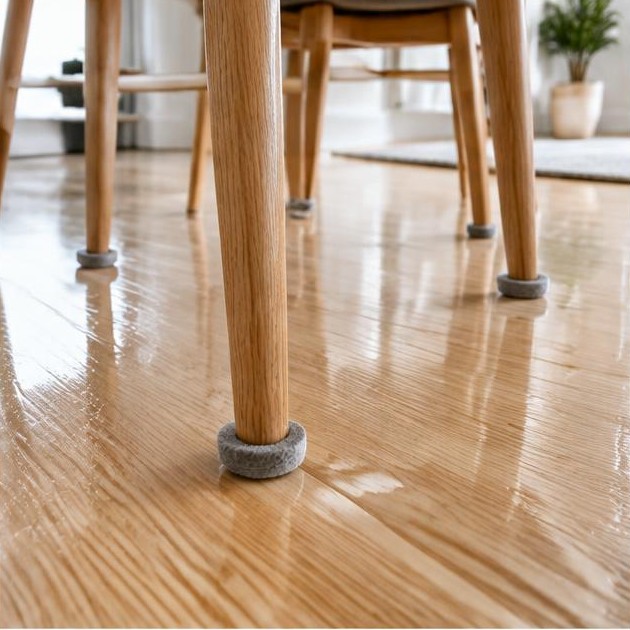
Protect the floor from heavy furniture by using wide-bearing felt pads. High heels and sharp objects can easily puncture or gouge the relatively soft vinyl material. When moving appliances, use plywood sheets as a track to avoid tearing the surface or causing deep indentations that cannot be repaired.
Be cautious with rubber-backed mats or rugs. A chemical reaction between the rubber antioxidants and the vinyl can cause permanent yellow discoloration. This is a chemical stain that cannot be removed by cleaning. Opt for colorfast woven rugs or those specifically labeled as safe for vinyl floors.
Identifying Damage and Repairs
Treat minor scuff marks with a soft cloth and a tiny amount of baking soda paste, rubbing very gently to lift the mark without affecting the gloss. Avoid scouring pads, as they will create permanent dull spots. Immediate response to spills prevents stains from setting into the wear layer.
If the vinyl begins to bubble, peel at the corners, or displays deep cuts, stop standard cleaning procedures. These issues allow moisture to reach the subfloor, which can lead to mold. Consult a flooring expert to discuss replacing the affected section or planks to restore the floor's integrity.
Thoughtful protection and the use of mild cleaning agents are the best ways to keep your vinyl floors looking vibrant and new.
Each home has its specifics. A first exchange helps understand your needs before any intervention.
Get in touchQuestion about this article? WhatsAppResources