Resources
Wine Stains: Acting Without Setting the Color
Reading · 2 min
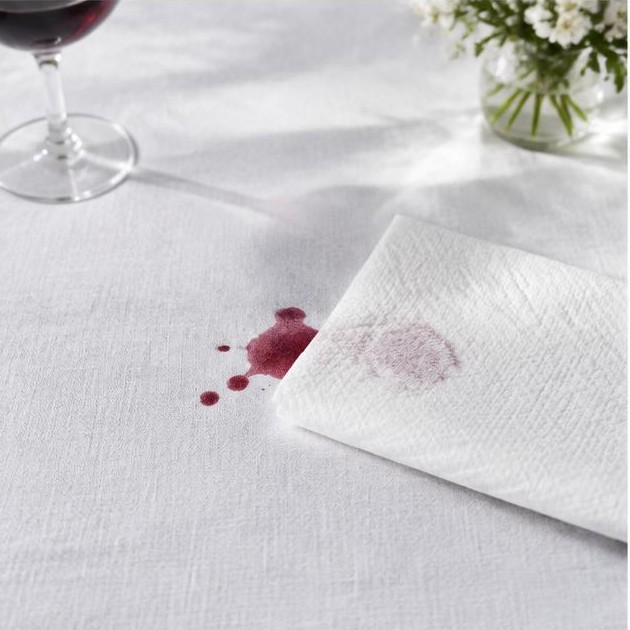
When red wine spills, speed is essential, but the wrong method can ruin your fabric forever. Learn how to lift pigments safely without resorting to damaging household myths like salt.
Immediate Blotting Techniques
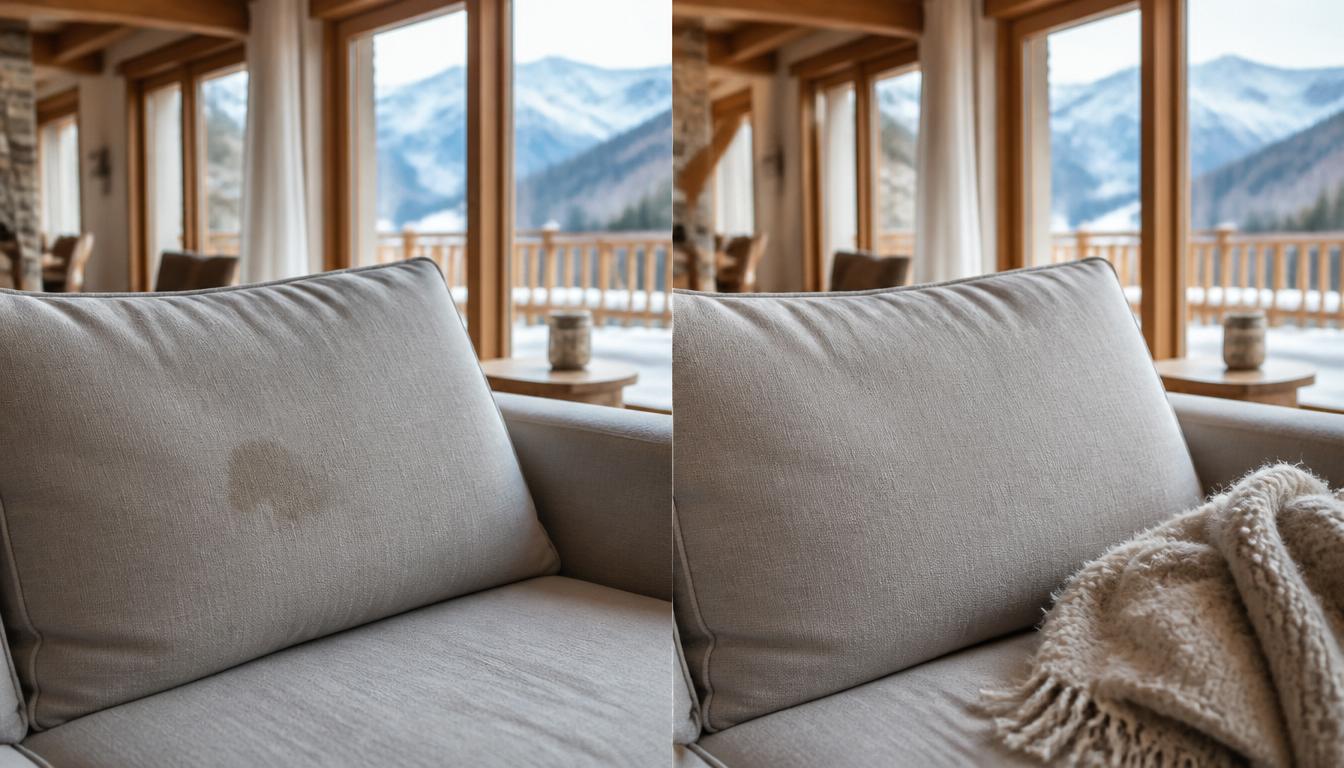
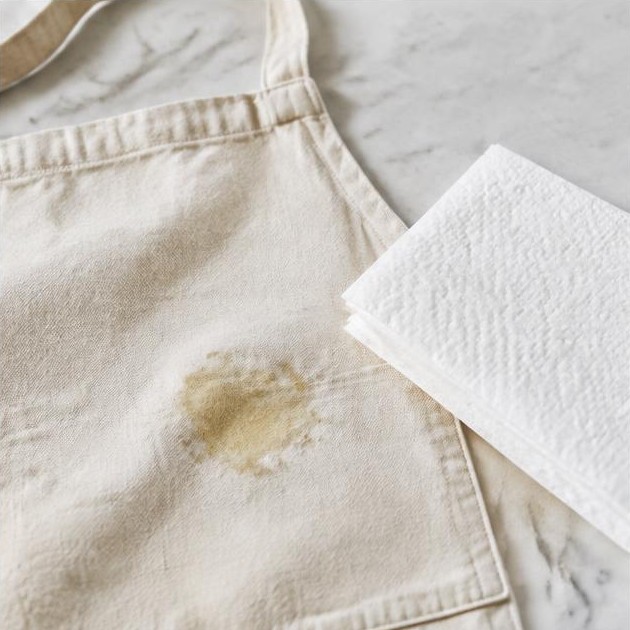
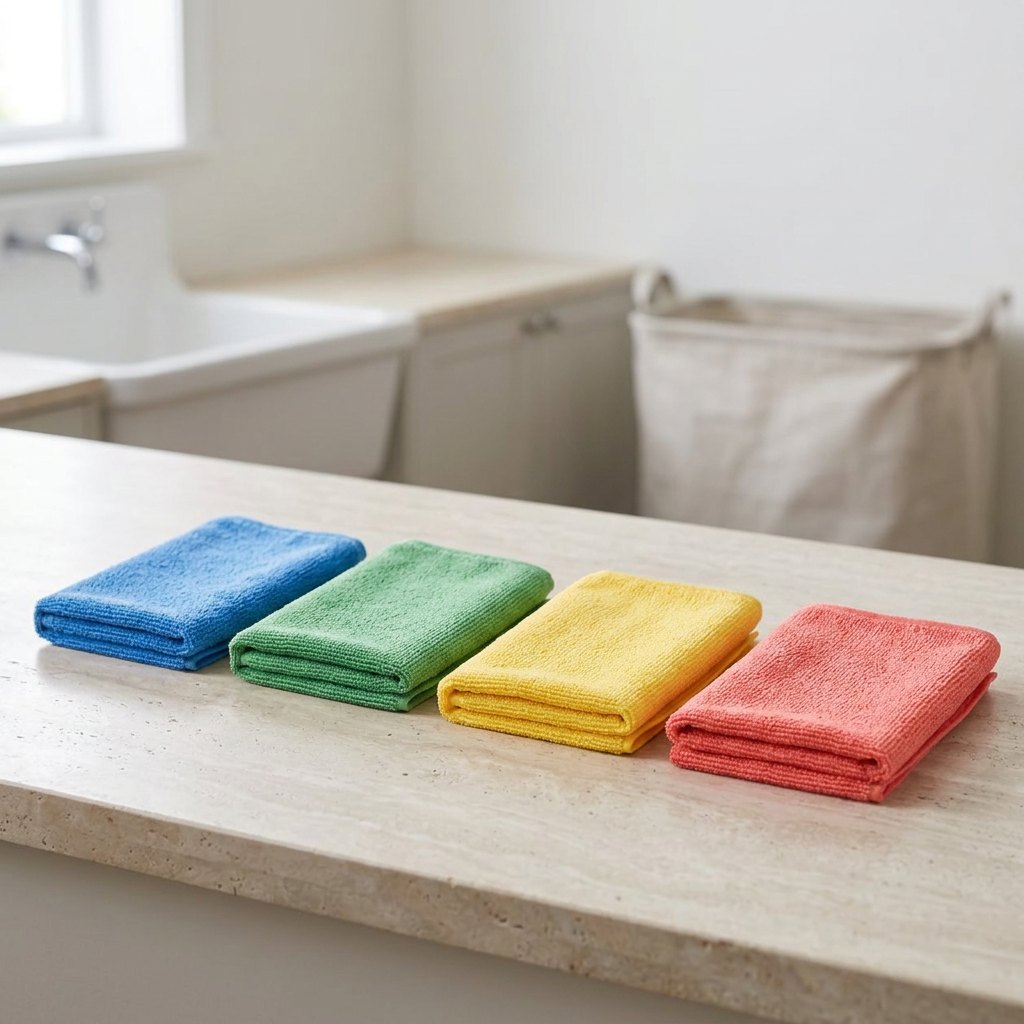
Use a clean, white cloth to blot the spill immediately. Apply firm vertical pressure to draw the liquid out of the fibers rather than pushing it deeper into the weave of the tablecloth. Working from the outer edges toward the center helps contain the spill within its original footprint.
Never rub the stain, as friction generates heat and spreads the tannins across a wider area. Continue with vertical blotting until no more pigment transfers to your white cloth. Always test the fabric’s reaction in a hidden spot before applying pressure to delicate items.
The Sparkling Water Approach
Pour cold sparkling water directly onto the stain. The carbonation helps lift the pigments to the surface of the weave without damaging the structure of organic cotton or linen. The bubbles act as a mechanical lifting agent, separating the wine dyes from the material.
Continue blotting with a dry cloth as the liquid reacts with the wine. Caution: Avoid using hot water or any heat source like a hairdryer during this stage. Heat acts as a catalyst that permanently binds the wine dyes to organic fibers, making removal impossible.
Mild Soap Application
Apply a small amount of solid Marseille soap or a pH-neutral detergent to the damp area. Work it gently with your fingertips before rinsing thoroughly with cold water to remove residue. This helps break down the acidity of the wine while remaining gentle on the fabric integrity.
Do not combine multiple cleaning agents or use bleach on colored fabrics. Always follow the manufacturer's care label to ensure the fabric can withstand water-based cleaning. If the label states 'dry clean only', skip these steps and take it to a professional immediately.
Limits of DIY Removal
If the stain remains visible after several attempts or turns a bluish-purple hue, the dye has likely bonded. Cease manual treatment to avoid thinning the fabric through excessive abrasion. Over-working a specific spot can lead to permanent fiber distortion or localized fading.
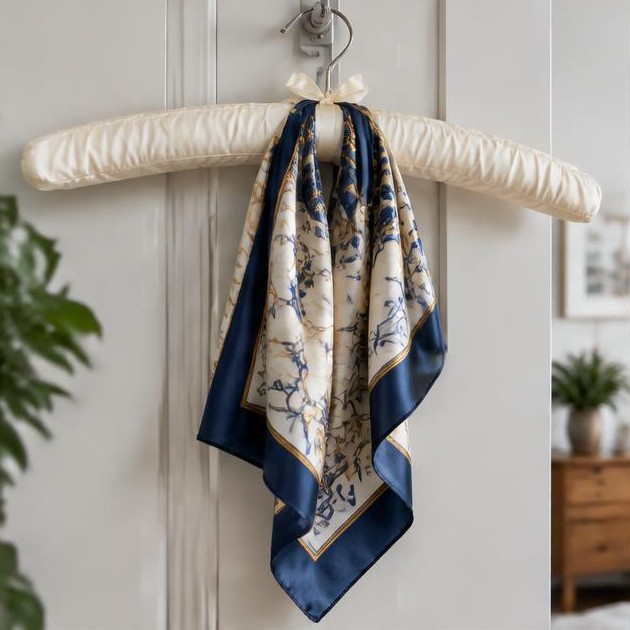
For delicate items like silk or vintage lace, consult a specialist cleaner if the spill has dried. Over-treating at home with aggressive bleaching agents can cause permanent yellowing or fiber degradation. Professionals use controlled moisture and specialized vacuums for these materials.
Patience and gentle pressure are your best tools for maintaining pristine table linens after a spill.
Each home has its specifics. A first exchange helps understand your needs before any intervention.
Get in touchQuestion about this article? WhatsAppResources