Resources
Dusting Insect Screens Without Deforming Them
Reading · 2 min
Insect screens accumulate pollen and dust, reducing brightness and indoor air quality. Delicate maintenance preserves the integrity of the mesh and prevents premature sagging or stretching.
Low-Power Vacuuming
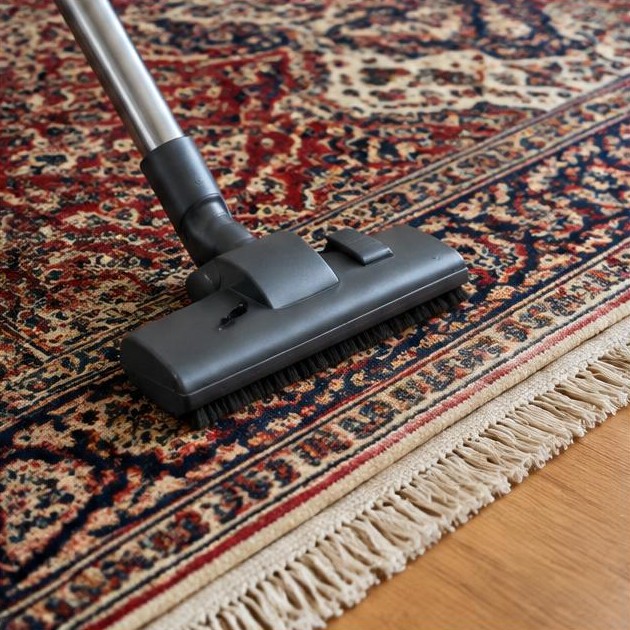
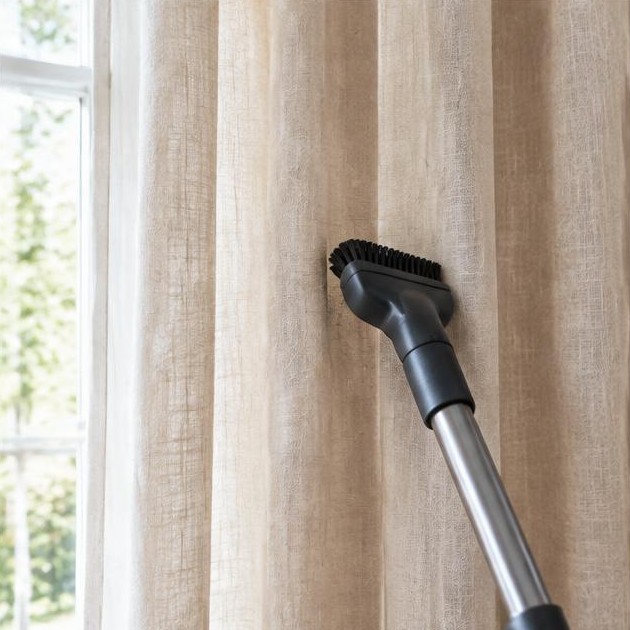
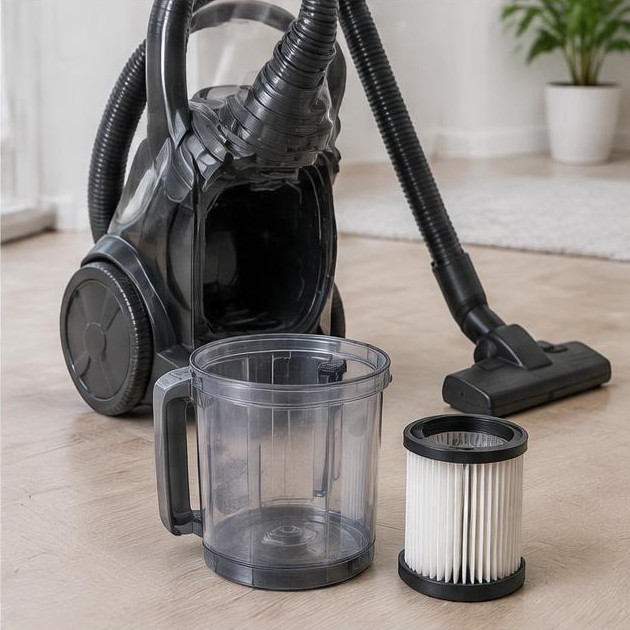
Use a vacuum cleaner equipped with a long, soft-bristled brush. Set the device to minimum power to avoid pulling the screen inward, which could permanently stretch the fiberglass or aluminum fibers.
Proceed with slow vertical movements, from top to bottom, without pressing against the frame. The goal is to dislodge light particles without applying mechanical pressure that could affect the net's tension.
Gentle Manual Cleaning
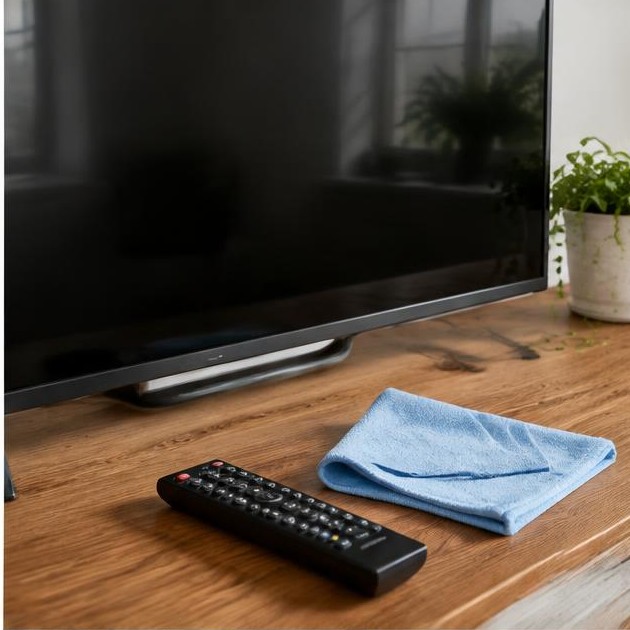
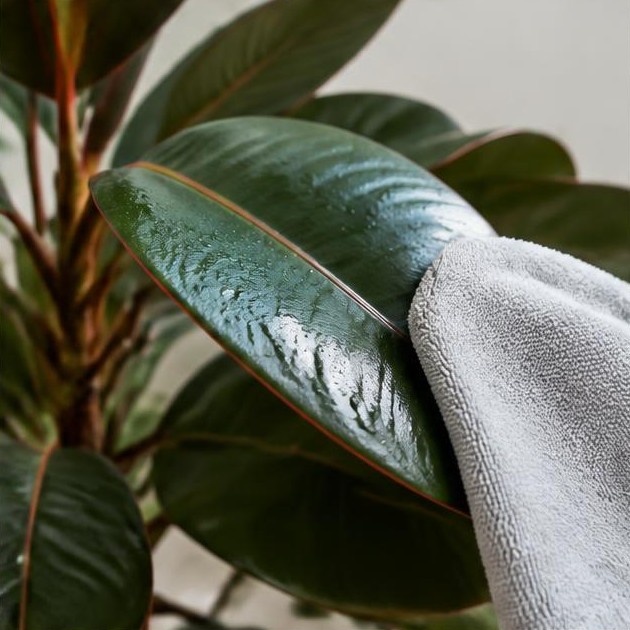
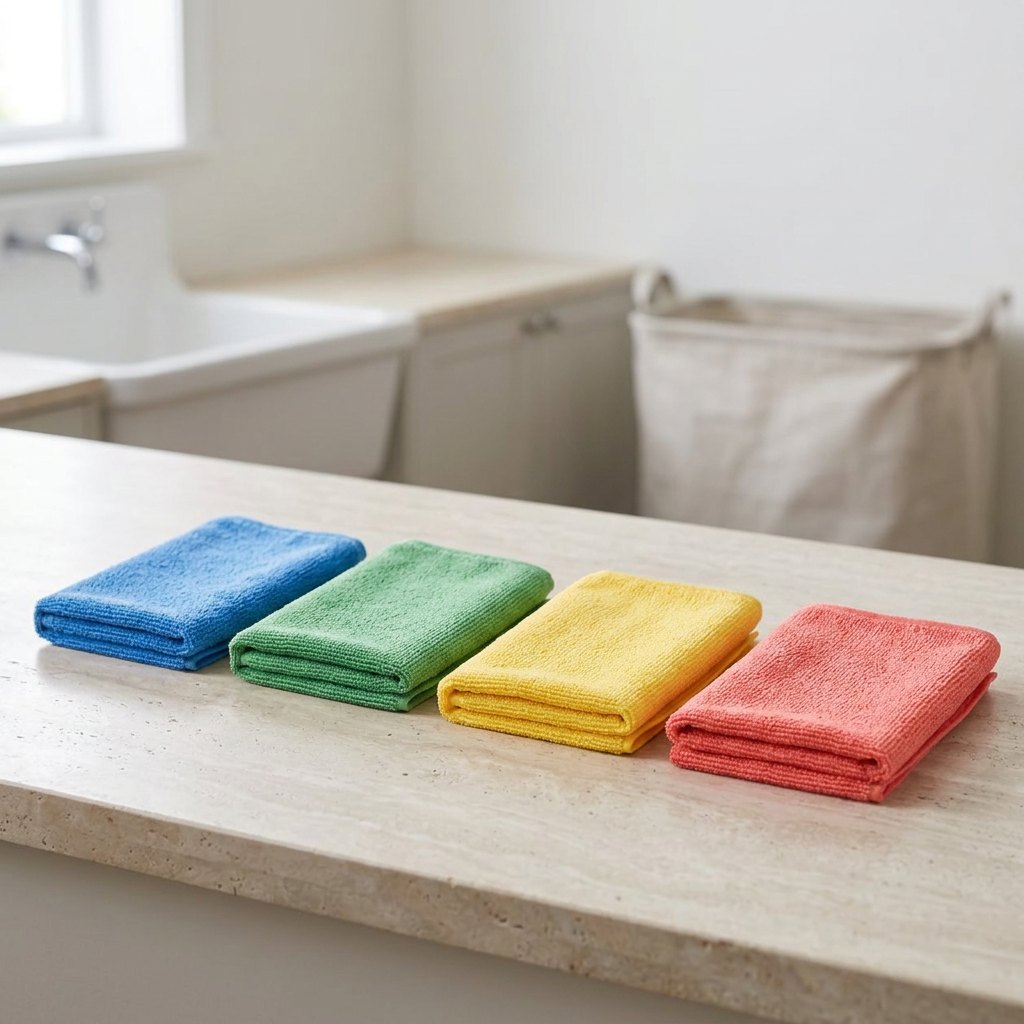
If sticky residues persist, wipe with a barely damp microfiber cloth after testing the material's reaction on a small corner. Never use scouring sponges or high-pressure water jets which risk tearing the delicate mesh.
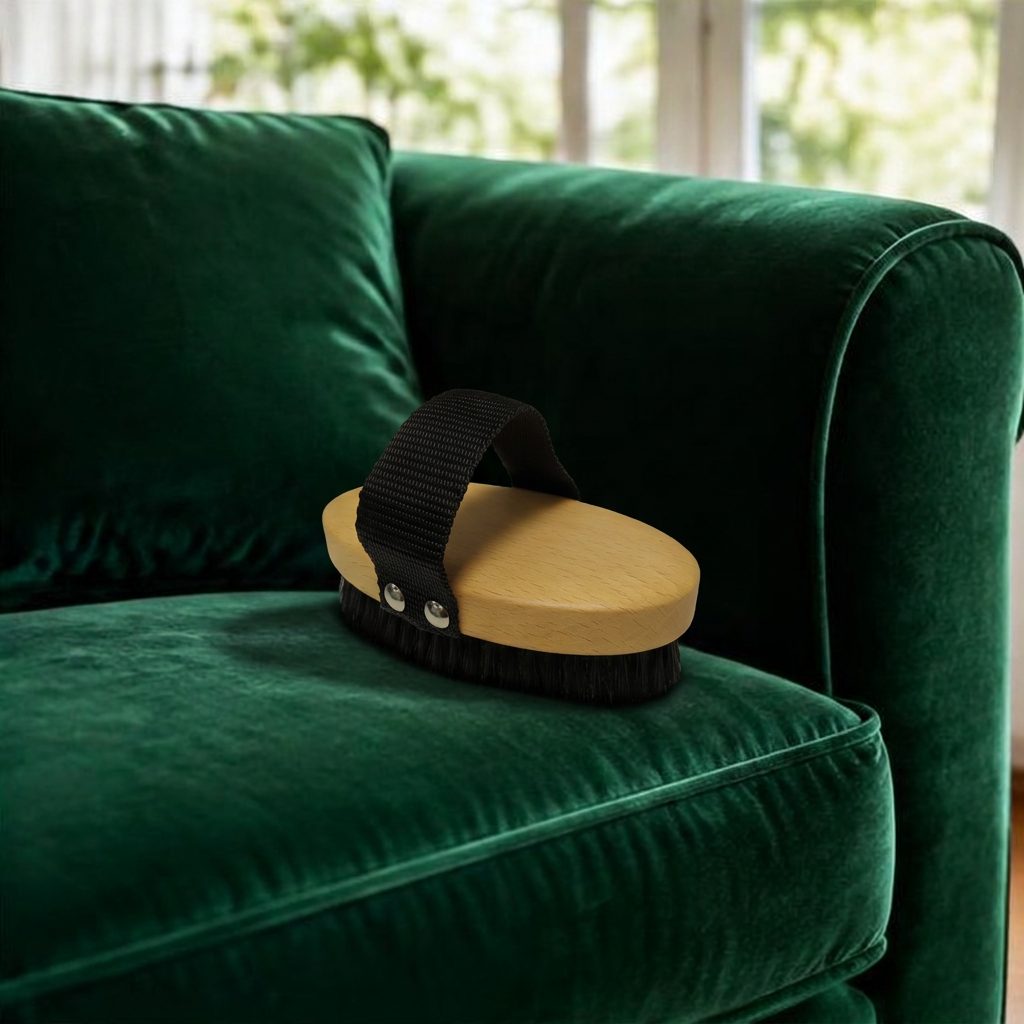
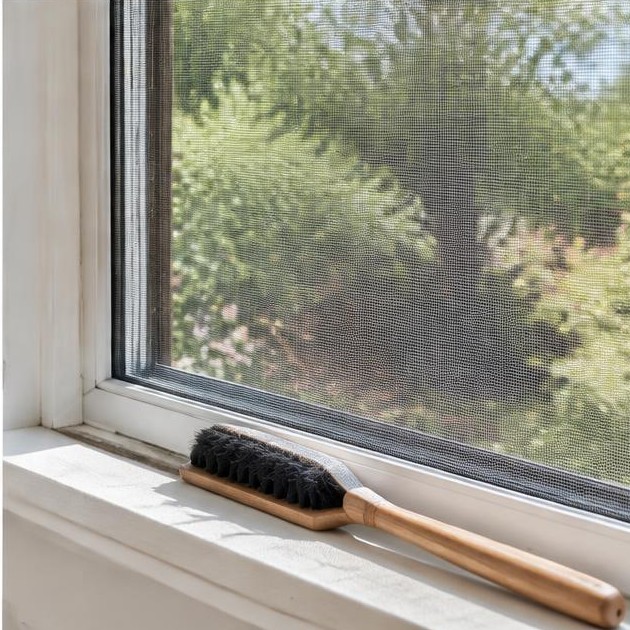
Avoid aggressive cleaning products or solvents. A simple dry pass with a soft clothes brush is generally sufficient for routine maintenance without altering the material's transparency or UV-resistant properties.
Frame and Track Maintenance
The aluminum or PVC frame should be wiped with a soft cloth to remove allergens. Ensure the tracks are free of grit that could jam the sliding mechanism during daily screen handling.
Do not lubricate tracks with greasy substances that attract dust and create an abrasive buildup. If sliding is difficult, simply clean the track groove with a dry cotton swab to remove physical obstructions.
Identifying Structural Damage
If you observe fraying at the edges or significant sagging of the screen, dusting will not be enough. Slack mesh allows insects through and loses its primary function as a protective barrier.
In case of a tear, screen replacement by a window professional is recommended. Do not attempt to sew the mesh, as this creates uneven tension and weakens the entire structure of the frame assembly.
A clean insect screen ensures optimal ventilation and maximum clarity while remaining nearly invisible to the eye.
Each home has its specifics. A first exchange helps understand your needs before any intervention.
Get in touchQuestion about this article? WhatsAppResources