Resources
Cleaning Laminate Flooring with Minimal Water
Reading · 2 min
Laminate floors are engineered products that are highly susceptible to moisture damage. Controlled cleaning is essential to prevent warping and maintain the decorative surface.
Dry Debris Removal Strategy
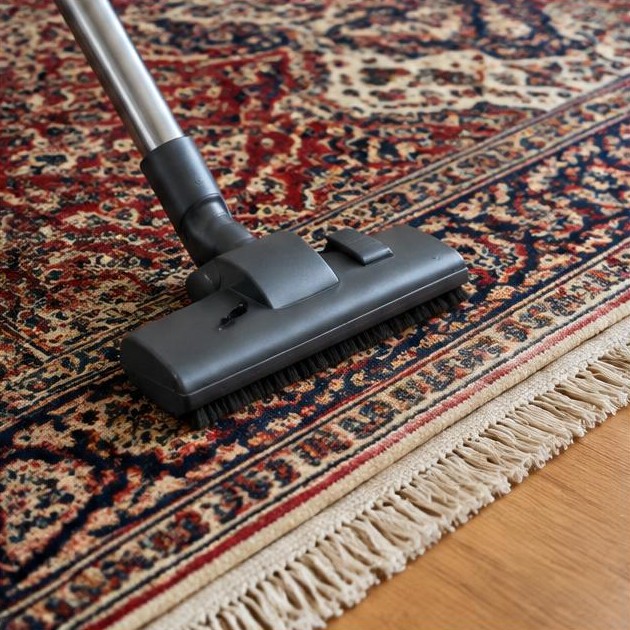
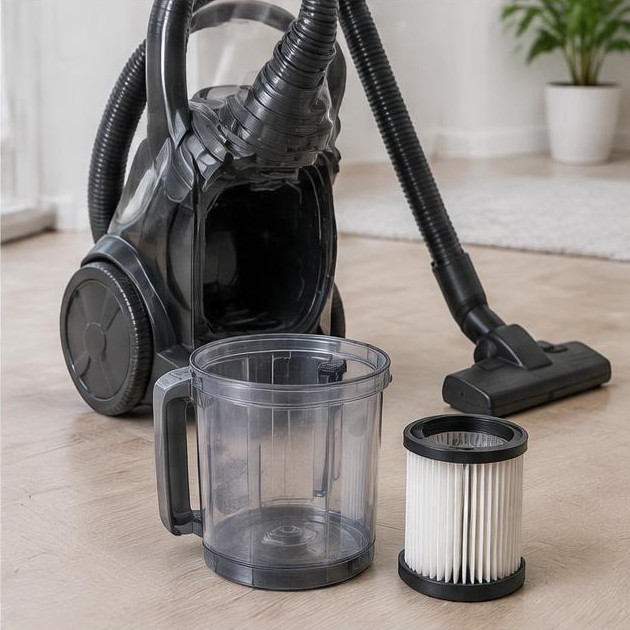
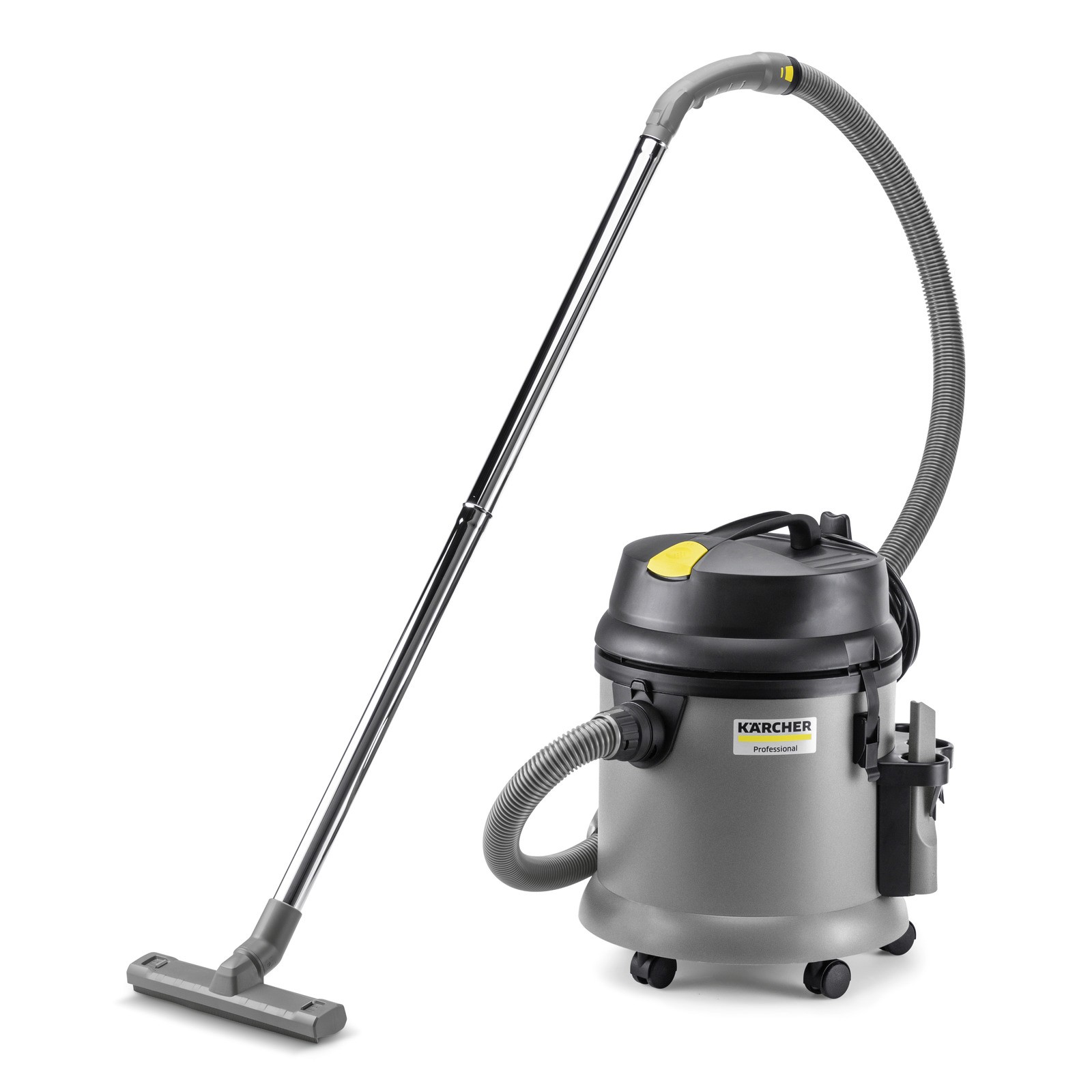
Always begin with a thorough sweep or vacuum using a soft floor attachment. Fine grit and dirt act as abrasives that can dull the laminate finish over time if they are dragged across the surface. Removing these dry particles first ensures that you do not create a scouring effect during the damp cleaning phase.
Effective dry cleaning reduces the frequency of wet mopping needed. By capturing dust before it settles into the joints, you maintain the clarity of the protective wear layer. This simple daily habit is the most effective way to prevent the micro-scratches that eventually lead to a dull, hazy appearance.
The Damp Mop Principle
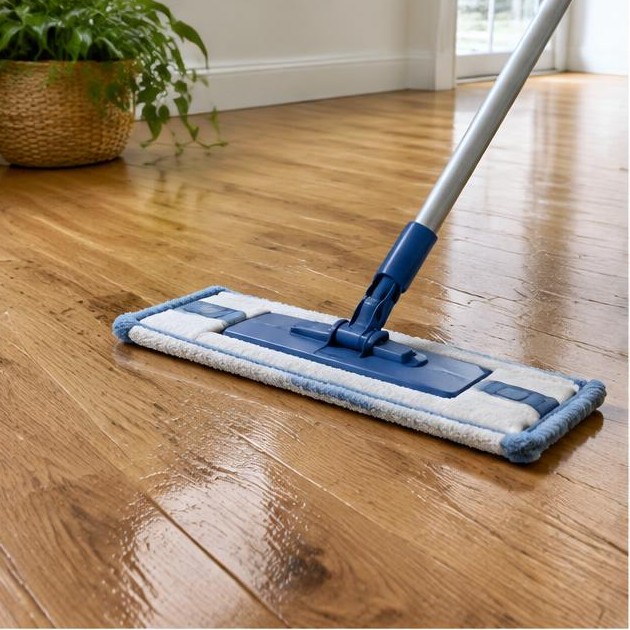
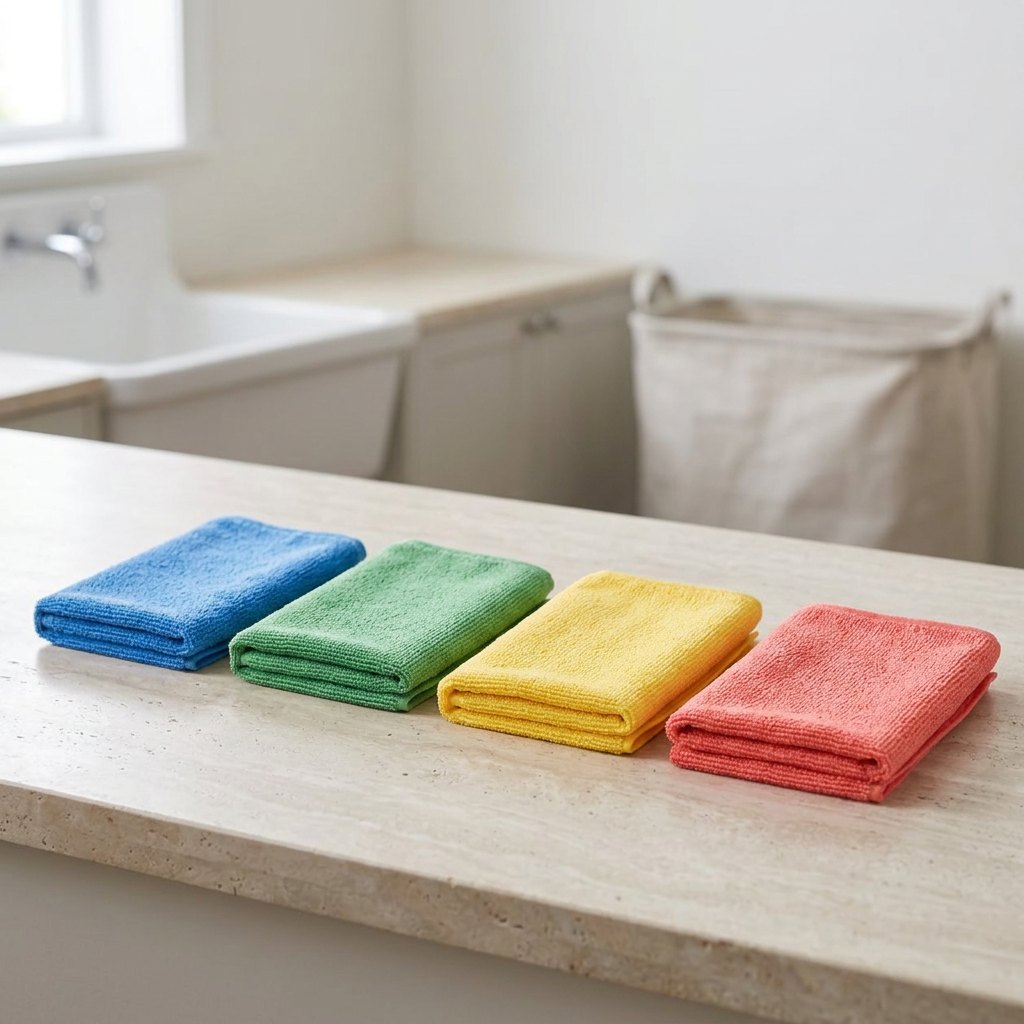
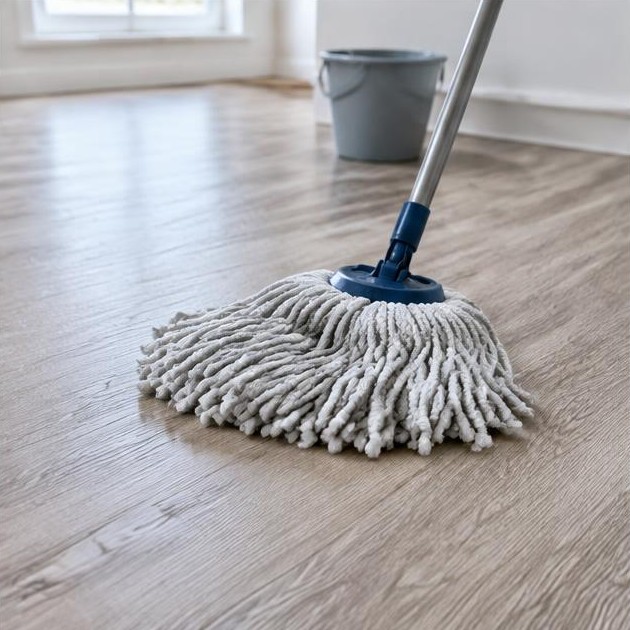
Use a microfiber mop that is slightly damp to the touch, never soaking wet. If you notice any standing water or puddles remaining on the floor after a pass, your mop is too wet and must be wrung out further. Moisture entering the seams between planks can cause the fiberboard core to swell and peak.
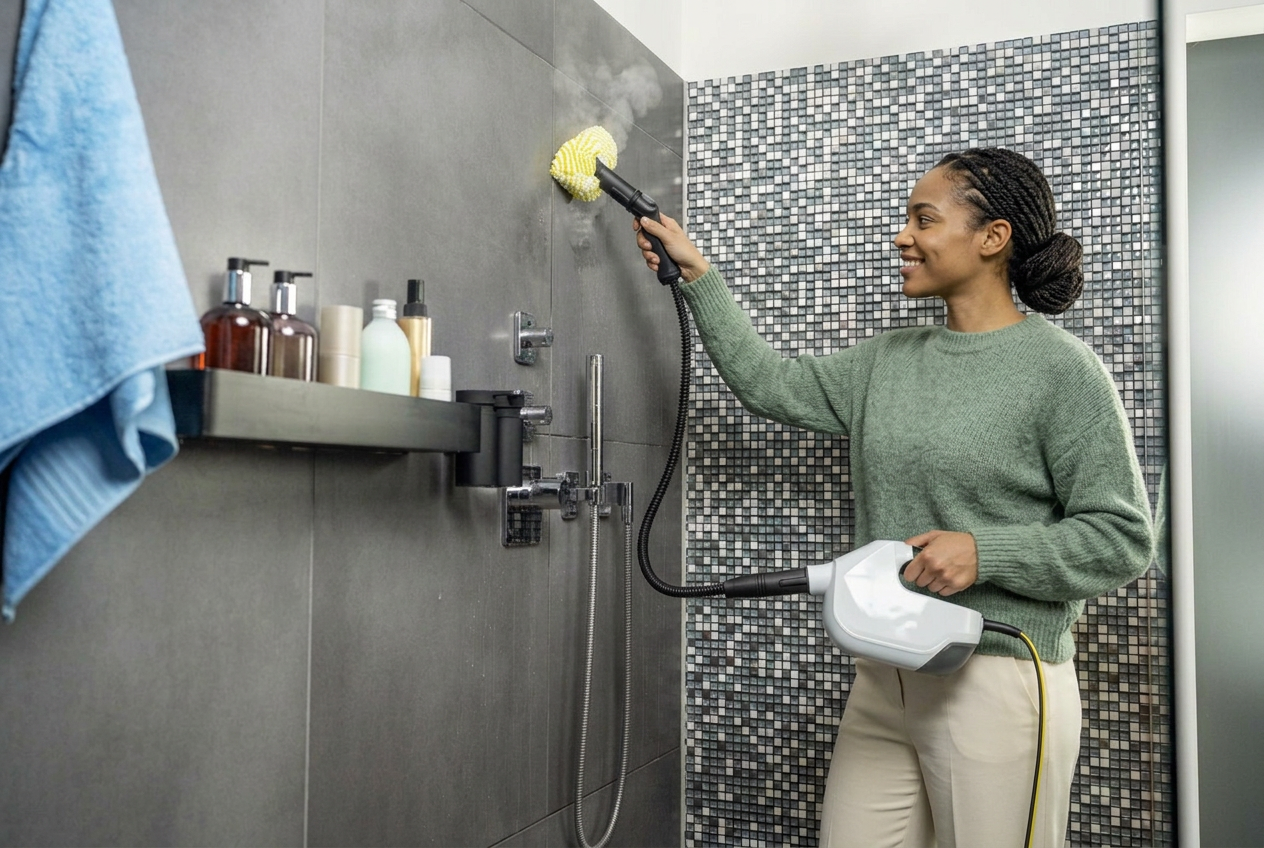
Never use steam cleaners on laminate flooring. The combination of intense heat and forced moisture can penetrate the smallest gaps, causing the edges to delaminate and the core to expand permanently. Stick to manual mopping with room-temperature water to ensure the safety of the adhesive and structural bonds.
Appropriate Cleaning Agents
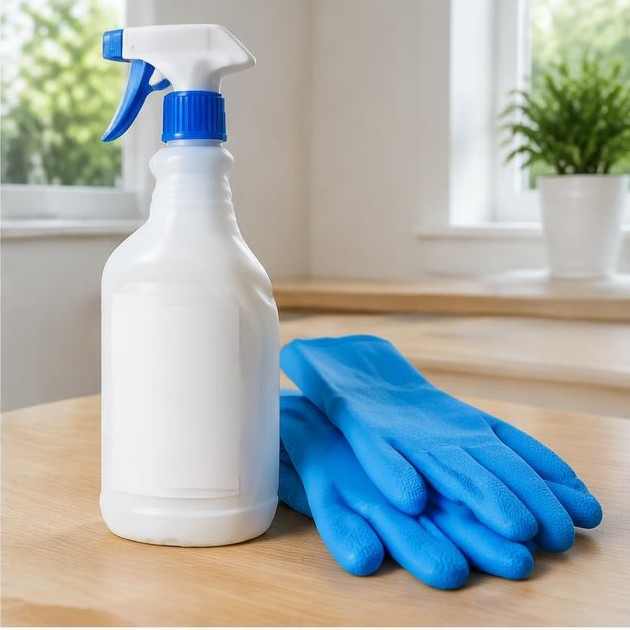
Choose cleaners specifically formulated for laminate surfaces with a neutral pH. Avoid soaps, waxes, or oil-based products, as they leave a film that attracts dirt and is difficult to remove without using excessive water. Always test the cleaner on a hidden corner of the room before applying it to the entire floor.
Do not mix different household chemicals. Stick to the manufacturer's recommended dilution ratios to prevent chemical reactions that could etch the decorative resin layer. Proper dosage ensures a streak-free finish while protecting the integrity of the clear wear layer that shields the wood-grain pattern.
Handling Spills and Structural Signs
Wipe up liquid spills immediately with an absorbent cloth. For stubborn spots, use a specialized laminate spray and buff with a dry microfiber cloth to finish the job. Preventative care, such as placing mats at entrances, can significantly reduce the amount of moisture and grit that reaches the floor.
If you notice gaps opening between planks or visible swelling at the joints, stop using any liquids for cleaning. These symptoms indicate that the internal core has been compromised by moisture. In such cases, contact a flooring professional to evaluate if planks need replacement to prevent further damage.
A dry-clean-first approach is the safest way to ensure your laminate floors remain flat, stable, and beautiful for years to come.
Each home has its specifics. A first exchange helps understand your needs before any intervention.
Get in touchQuestion about this article? WhatsAppResources