Resources
Quartz Composite: Avoiding Heat and Abrasives
Reading · 2 min
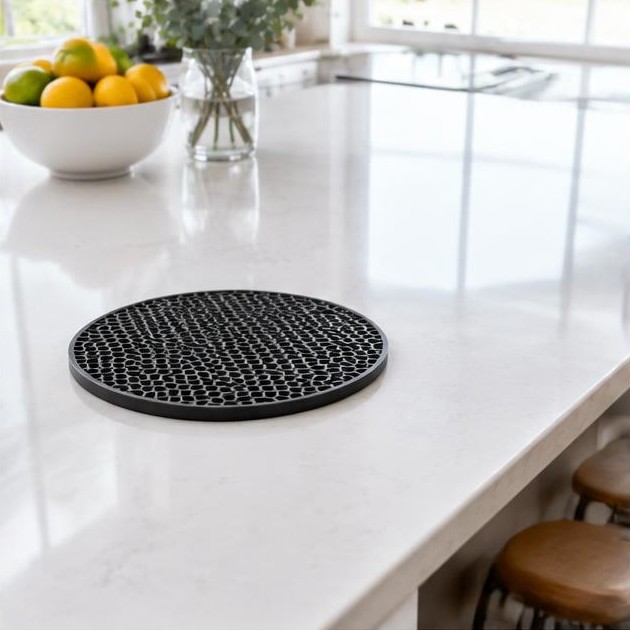
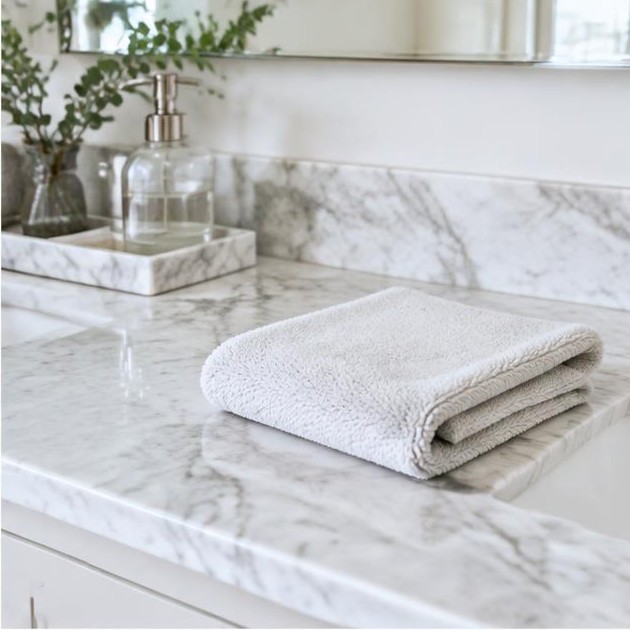
Quartz composite is a robust material made of resin and crushed stone, valued for its low porosity and uniform appearance. However, its thermal and chemical sensitivity requires specific precautions to maintain its finish and prevent permanent damage to the binding resin.
Gentle Daily Hygiene
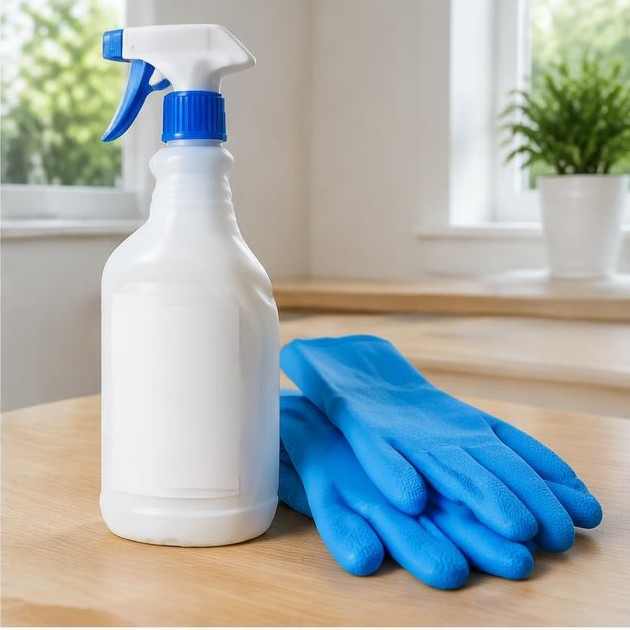
Clean the surface with warm water and a mild, neutral soap. Although highly stain-resistant, quartz can be marked by stubborn pigments or acidic liquids if they are not wiped away promptly. Always verify compatibility by testing new cleaning products on a small, hidden area first.
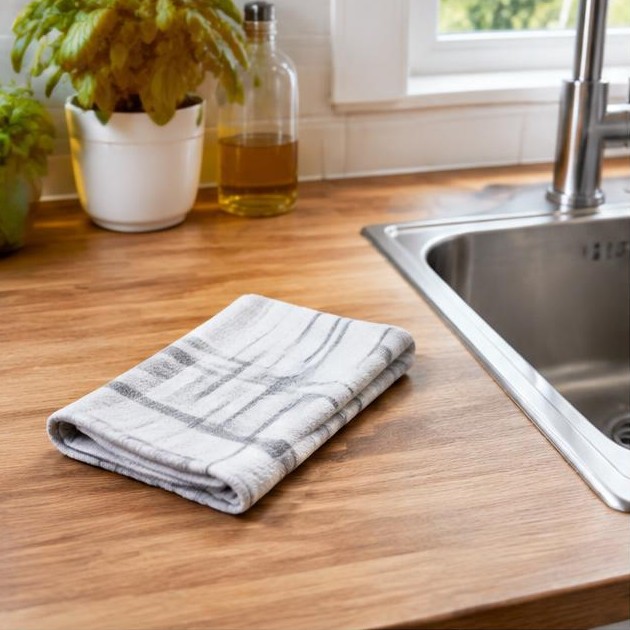
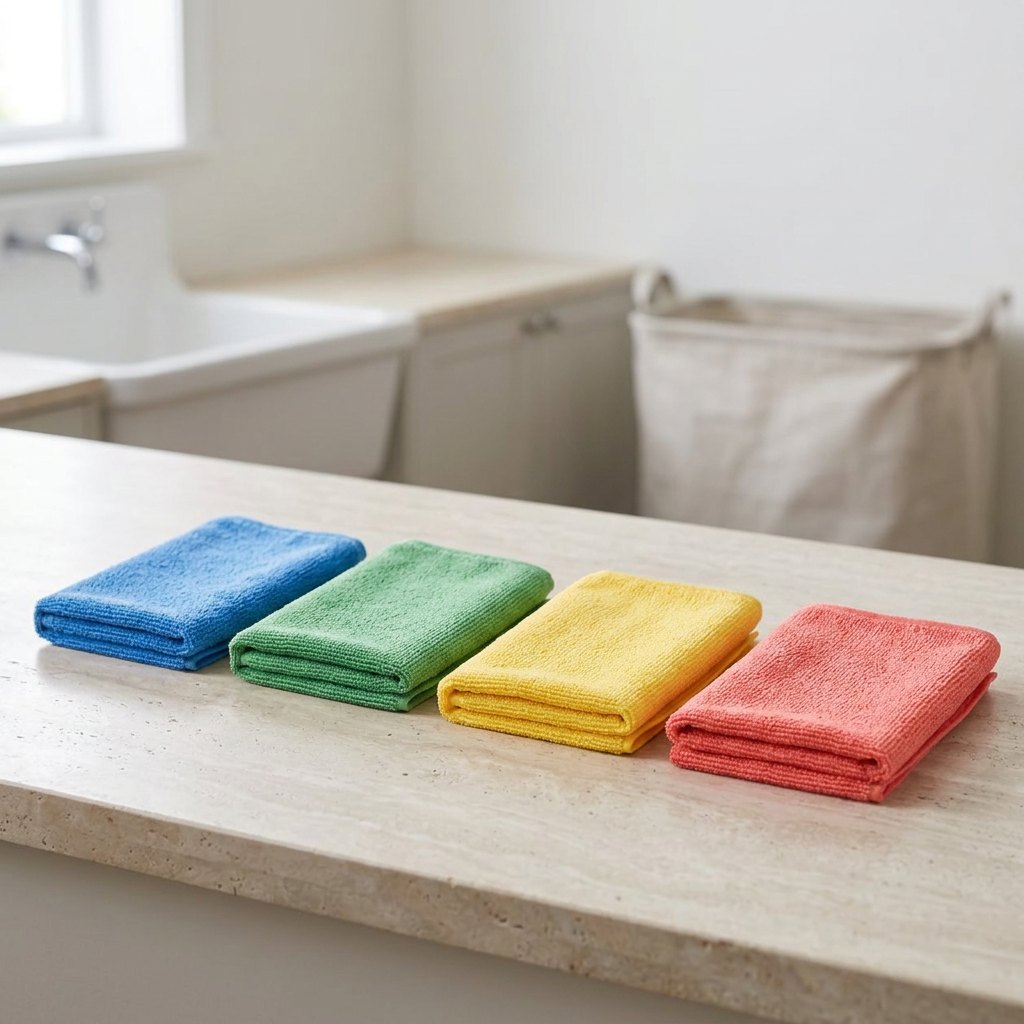
Use only a soft cloth to prevent micro-scratches that can dull the surface over time. Unlike natural stones like granite, quartz does not require annual sealing, but it remains sensitive to harsh stripping products and industrial solvents that can dissolve the resin binder.
Thermal Shock Protection
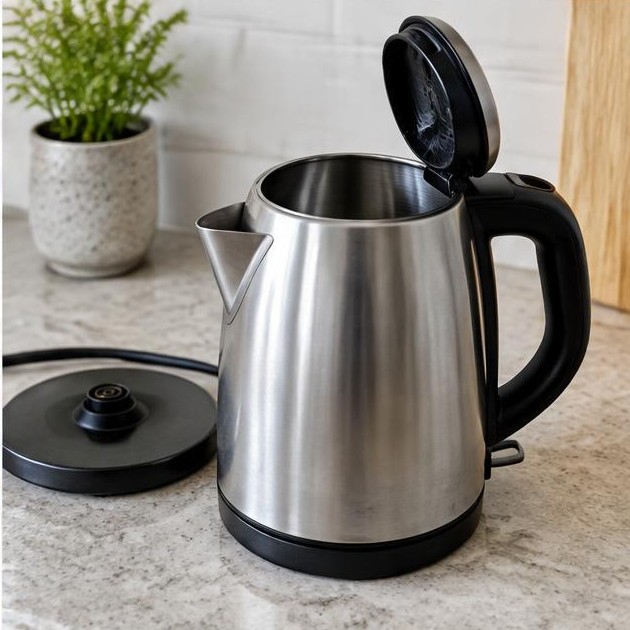
It is imperative to use trivets for all hot cookware. The polyester resin in quartz can yellow, scorch, or crack under heat exceeding 150°C, such as a pan straight from the stove. Thermal damage to composite quartz is typically permanent and cannot be easily buffed out.
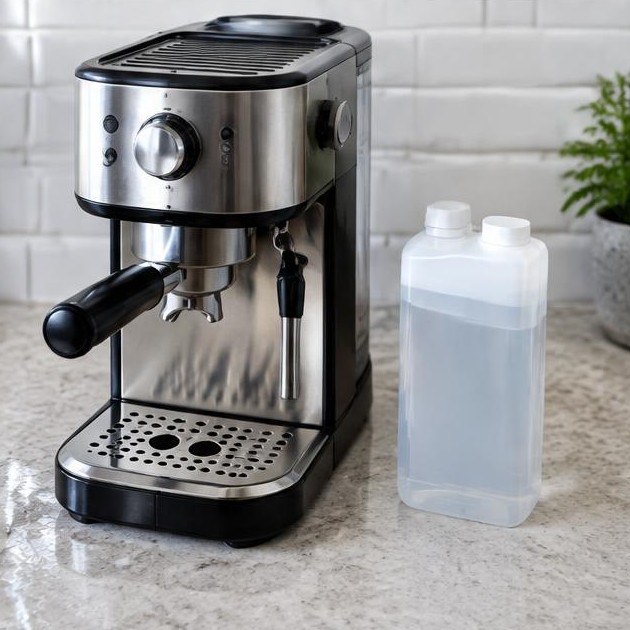
Avoid placing appliances that generate steady heat, such as slow cookers or certain toasters, directly over the seams. Differential thermal expansion between the slabs can weaken the assembly points and cause the epoxy filler in the joints to crack or fail over time.
Banned Substances and Tools
Never mix ammonia with bleach. Avoid any cleaners based on caustic soda, oven cleaners, or strong solvents that permanently damage the quartz's resin binder. These chemicals can cause irreversible dull spots or textural changes to the polished surface of the worktop.
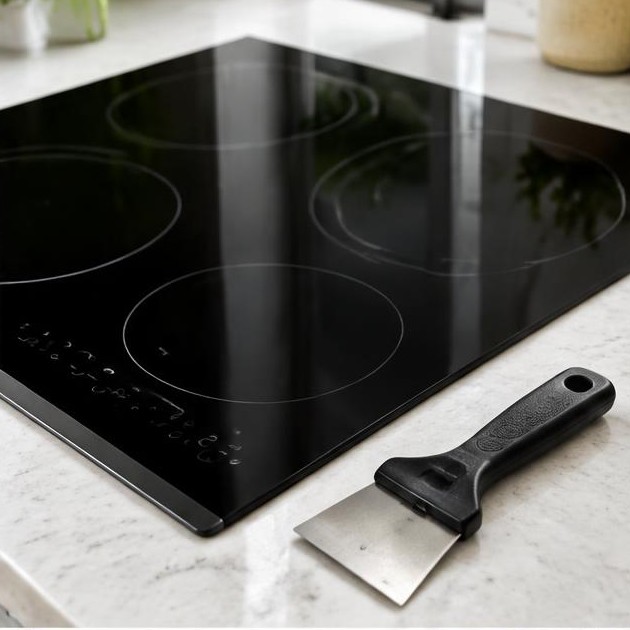
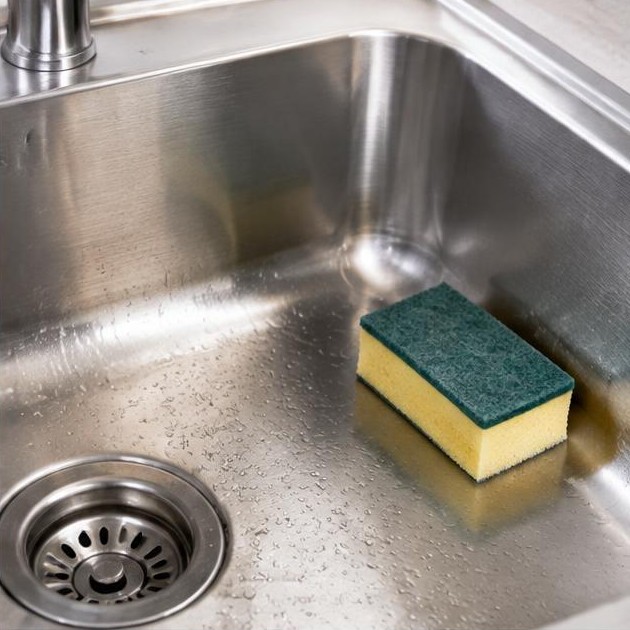
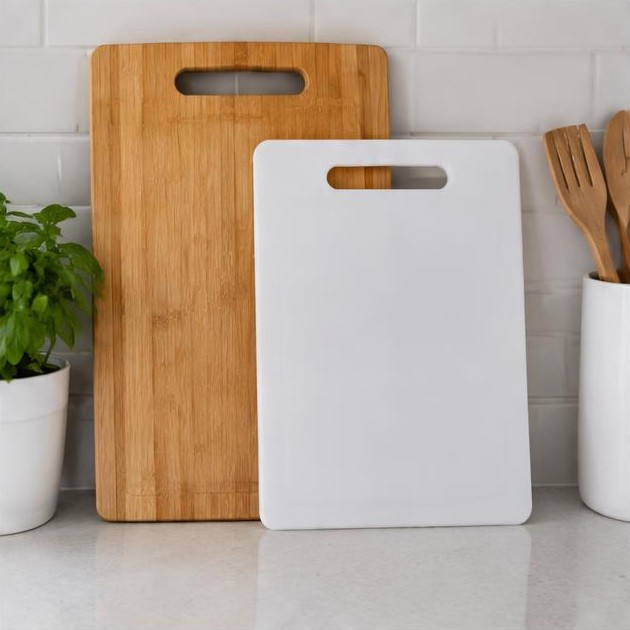
Prohibit the use of metallic scouring pads and direct knife contact. While quartz is very hard, scratches on composite surfaces are difficult to repair without creating a visible matte area. Using a cutting board is a necessary habit to protect your investment and maintain the warranty.
When to Call a Stonemason
If you notice a chip on an edge or a crack in the surface, do not attempt to fill it with household superglue. A professional stonemason must intervene to repair the damage using a specific tinted epoxy resin, which is then mechanically polished to match the surrounding finish.
In case of a generalized dull film caused by the use of unsuitable products, stop all abrasive cleaning immediately. Professional wet polishing by a specialist is often the only viable solution to restore the original shine without compromising the structural integrity of the composite material.
Quartz longevity depends on consistent protection from direct heat and avoidance of harsh chemical cleaners.
Each home has its specifics. A first exchange helps understand your needs before any intervention.
Get in touchQuestion about this article? WhatsAppResources