Resources
Maintaining Terrace Furniture by Material
Reading · 2 min
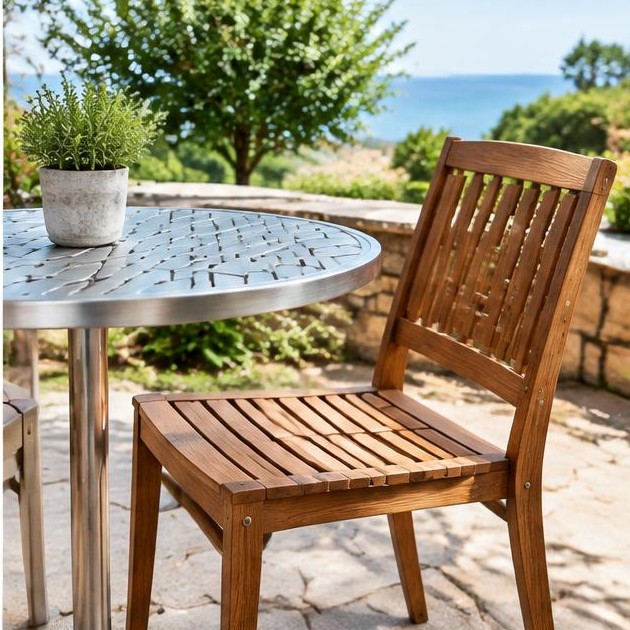
Outdoor furniture is constantly exposed to weather extremes, from intense UV radiation to persistent humidity. Proper maintenance tailored to specific materials prevents premature degradation and keeps your patio environment safe and inviting.
Cleaning Wood (Teak and Hardwoods)
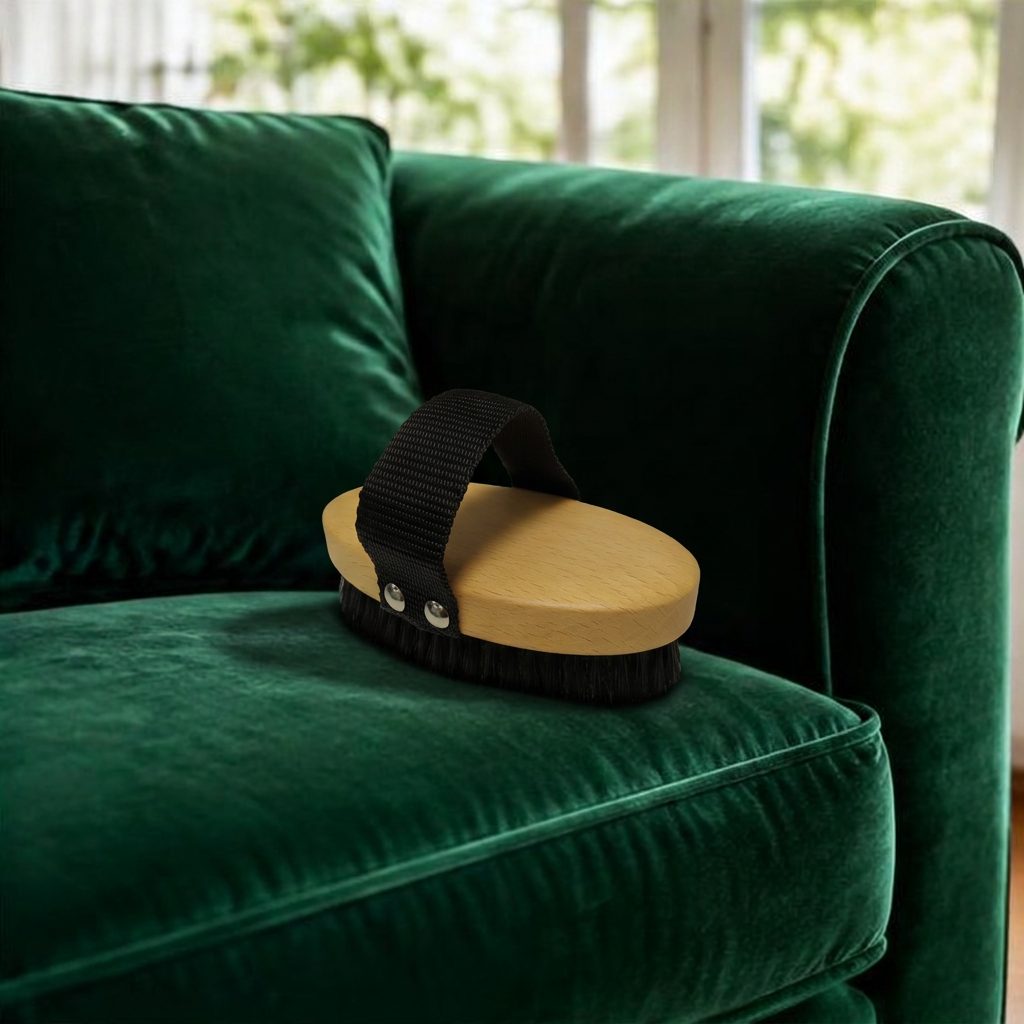
Use a soft-bristled brush and a solution of mild pH-neutral soap and lukewarm water. Always scrub in the direction of the wood grain to remove surface algae and accumulated dirt without damaging the natural grain or creating splinters.
Avoid high-pressure washers at all costs, as they can tear wood fibers and create a porous, damaged surface prone to rot. Rinse with a low-pressure garden hose and allow the wood to dry naturally in the shade before considering any manufacturer-approved oils.
Metal and Aluminum Care
Powder-coated aluminum and stainless steel should be wiped down with a soft sponge and a mild detergent. Dry the surfaces immediately with a clean cloth to prevent unsightly water spots caused by mineral deposits found in tap water.
Never use abrasive scouring pads or steel wool, as these destroy the protective coating and invite rust to form on the exposed metal. Periodically check for chipped paint, which should be carefully touched up to seal the metal from environmental oxygen.
Maintaining Synthetic Wicker
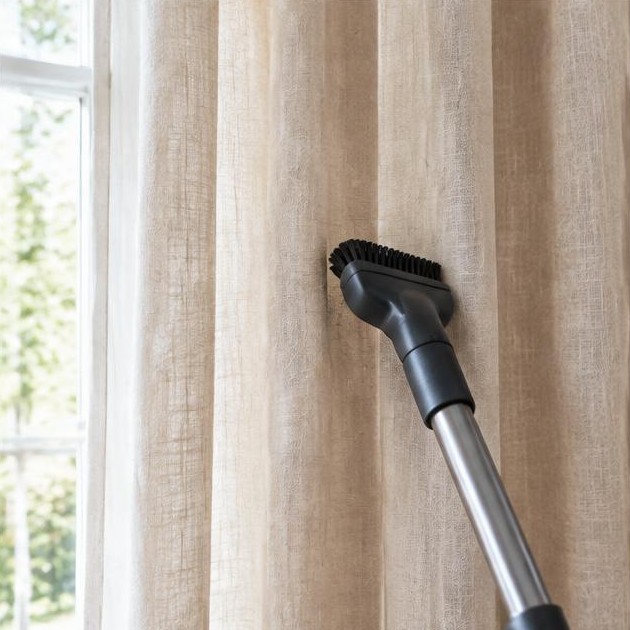
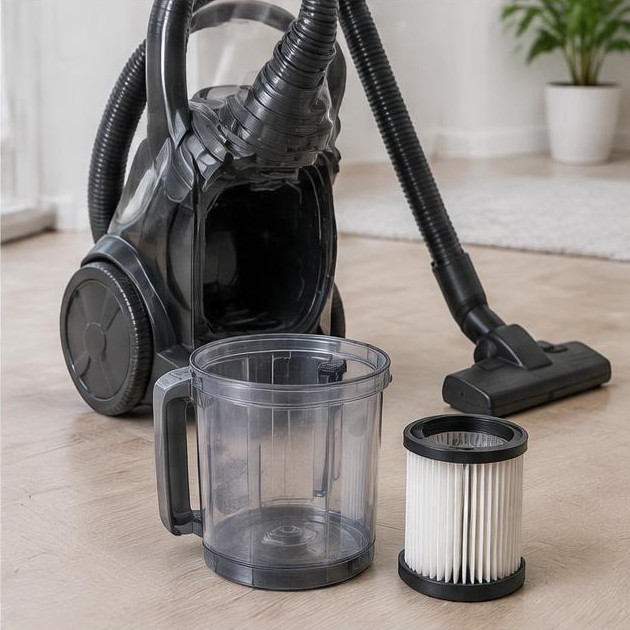
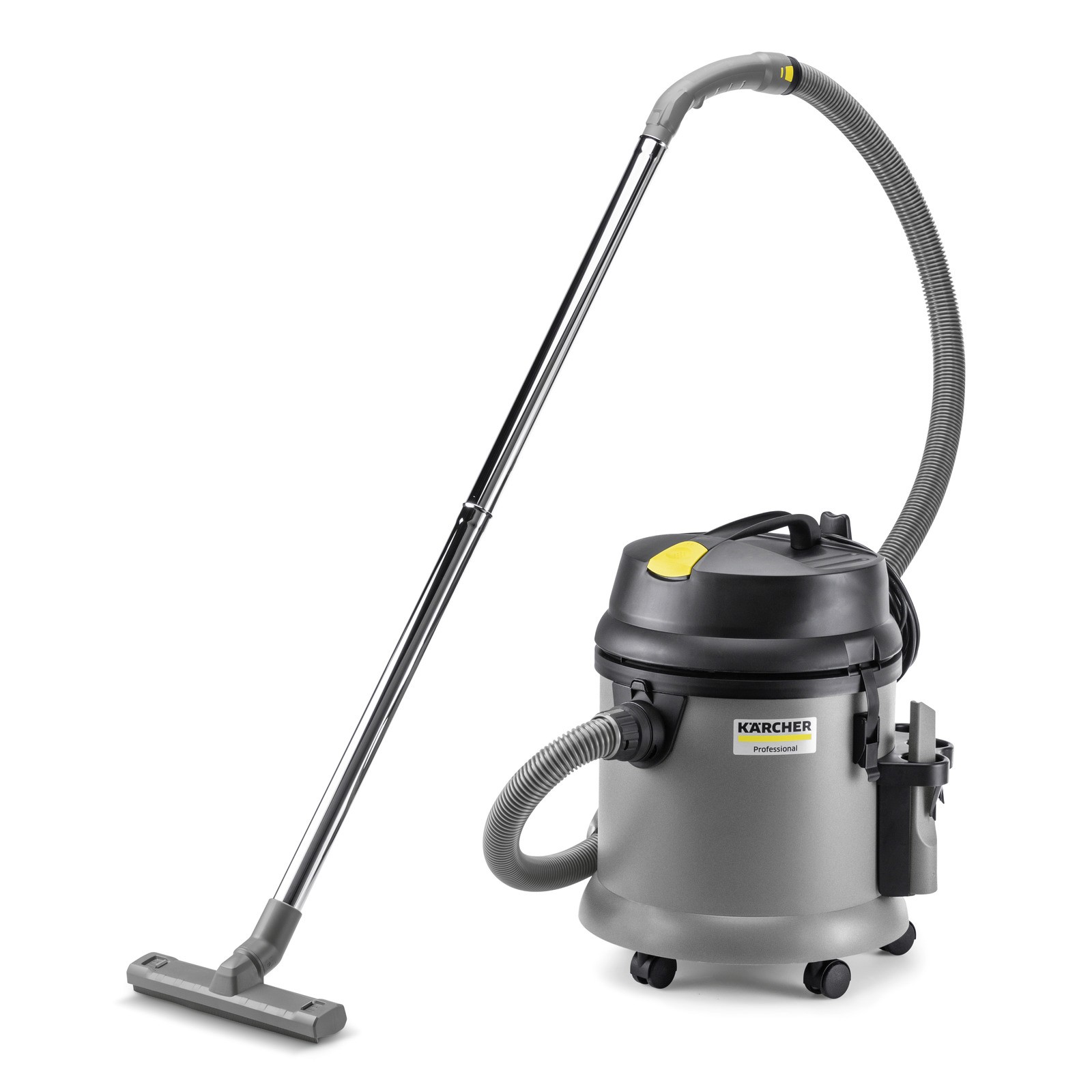
Resin wicker effectively traps dust and pollen within its weave. Use a soft brush or a vacuum with a brush attachment to clear the gaps, followed by a gentle wash with soapy water to remove stubborn film and environmental pollutants.
Keep clear of harsh chemical cleaners, bleach, or ammonia, which can cause synthetic fibers to become brittle and crack under prolonged UV exposure. Always test any cleaning solution on a small hidden area before treating the entire piece of furniture.
Structural Safety Checks
Periodically check all fasteners, bolts, and joints for signs of failure or loosening. Extreme temperature changes can cause components to expand and contract, potentially compromising the mechanical integrity of folding mechanisms and chair legs.
If the material shows signs of 'chalking' (a powdery breakdown of plastic) or deep structural rust on weight-bearing parts, the furniture may no longer be safe for use. Retire and recycle items that exhibit significant wobbling or visible structural cracks.
Consistent seasonal care ensures your outdoor furniture remains both beautiful and safe for years of reliable use and enjoyment.
Each home has its specifics. A first exchange helps understand your needs before any intervention.
Get in touchQuestion about this article? WhatsAppResources