Resources
Cutting Board Hygiene: Separating Uses
Reading · 2 min
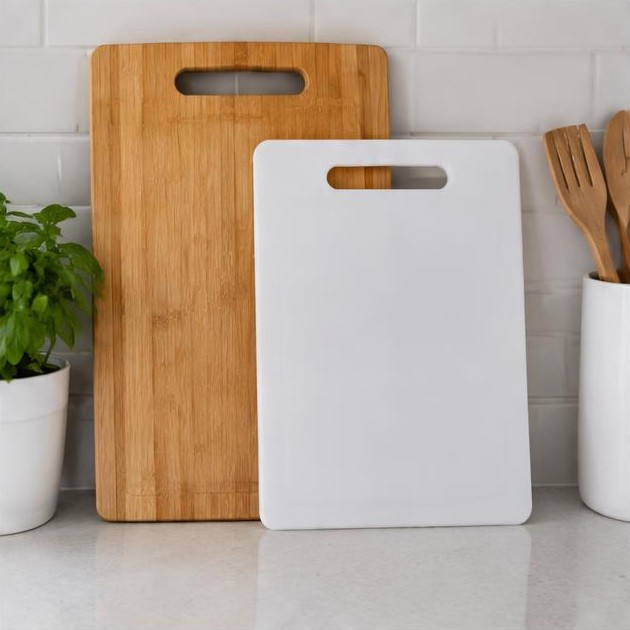
Using separate cutting boards for different food groups is fundamental to kitchen safety. Learn how to manage your surfaces to prevent cross-contamination and maintain a healthy cooking environment.
Material Selection and Color Coding
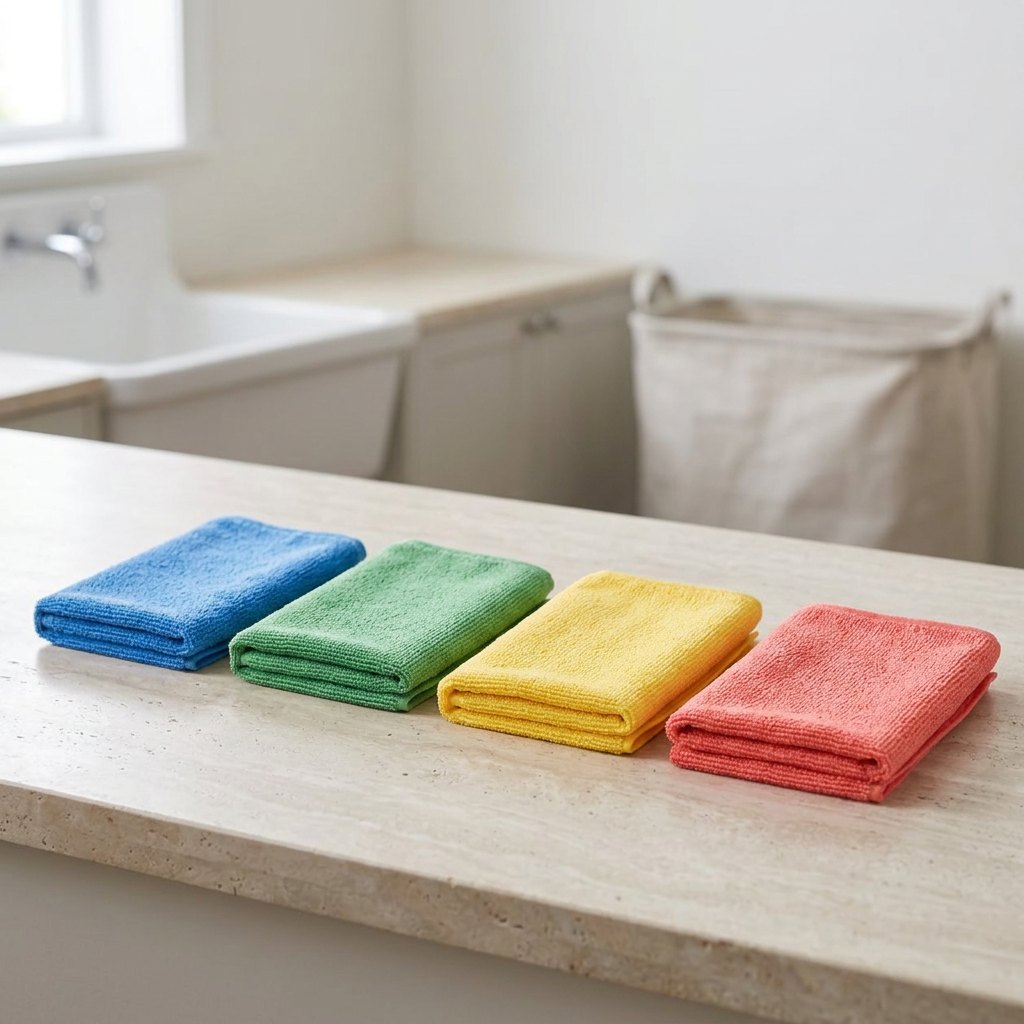
Designate specific boards for raw meat and poultry and separate ones for produce or bread. Implementing a simple color-coded system (such as red for raw proteins and green for vegetables) helps prevent accidental cross-contamination during meal preparation.
Non-porous plastic boards are often preferred for raw proteins as they can withstand high-temperature cleaning, while high-quality wooden boards are excellent for dry items. Choose materials that are certified for food contact and follow specific care instructions for each.
Standard Cleaning Protocols
Clean every board immediately after use with hot water and mild dish soap. Never let a contaminated board sit on the counter, as bacteria can multiply rapidly in leftover food particles and moisture trapped on the surface.
For wooden surfaces, avoid prolonged soaking in the sink, which leads to warping and deep cracks. Always dry boards vertically to ensure even air circulation and complete evaporation of moisture from both sides of the board.
Maintenance of Porous Surfaces
Wood requires periodic conditioning to remain safe and functional. Apply a food-grade mineral oil to seal the wood fibers, which prevents the absorption of liquids, blood, and odors into the grain of the board.
Always prioritize manufacturer-approved cleaning products. Before using any new conditioning oil or cleaner, test it on a small, inconspicuous area of the board to ensure it does not damage the finish or leave an unwanted residue.
Replacement Signs and Safety
Replace your cutting board once it develops deep grooves or scars that are difficult to reach with a scrubbing brush. These crevices can harbor harmful bacteria despite thorough washing, making the board unsafe for continued use.
Ensure your board is stable before cutting to prevent injury. If a board is warped or cracked beyond simple oiling, it should be discarded. Do not attempt to resurface boards treated with unknown industrial finishes or varnishes.
Maintaining distinct cutting surfaces and following strict cleaning routines significantly enhances domestic food safety.
Each home has its specifics. A first exchange helps understand your needs before any intervention.
Get in touchQuestion about this article? WhatsAppResources