Resources
Defrosting a Freezer While Protecting Food
Reading · 2 min
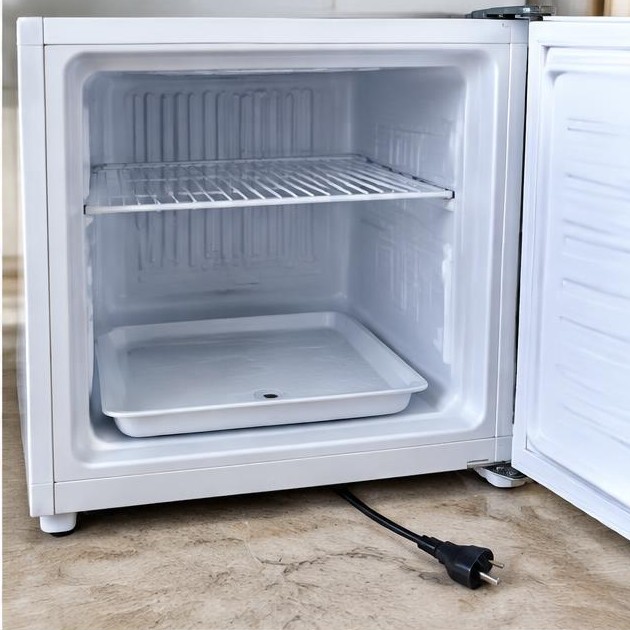
Ice buildup thicker than 3mm increases the appliance's energy consumption by nearly 30%. Regular defrosting ensures thermostat accuracy and maintains strict food safety standards.
Preparation and Cold Storage
Turn off the appliance and unplug it from the wall socket. Immediately transfer all frozen items into high-quality coolers equipped with pre-frozen ice packs. Pack the food items tightly together to help them maintain their thermal mass and stay frozen for as long as possible during the process.
Warning: Never refreeze food that has begun to thaw. If the internal temperature of a product rises above 4°C (40°F), it must be consumed immediately or discarded to prevent foodborne illness. It is best to schedule this task when your frozen food inventory is at its lowest.
Safe Ice Melting Techniques
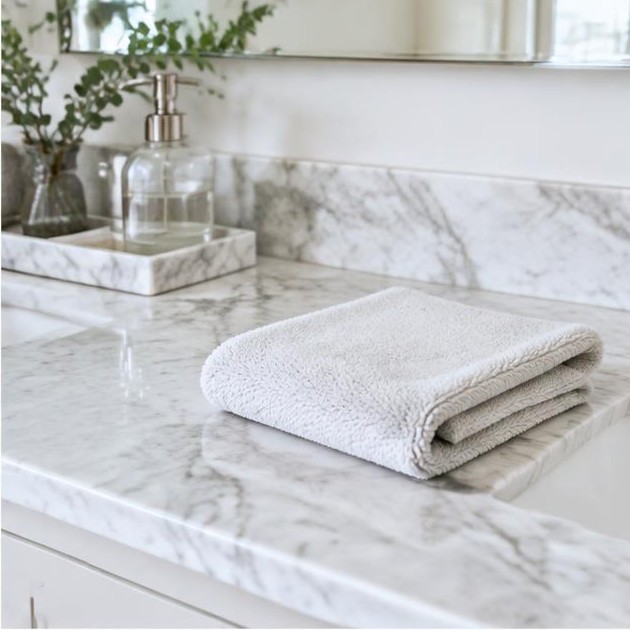
Place a bowl of hot (but not boiling) water inside the freezer and close the door for a few minutes to speed up the melting process naturally. Place thick towels and a shallow collection tray at the base of the appliance to catch runoff water and protect your kitchen flooring.
Never use sharp objects, knives, or metal scrapers to force ice removal. You risk puncturing the refrigerant lines, which is often an irreparable and costly damage. Likewise, avoid using hair dryers, as the combination of high moisture and electrical appliances creates a serious risk of fatal electric shock.
Cleaning and Sanitizing
Once the ice has completely melted, wipe the interior walls with a solution of water and baking soda. This natural mixture neutralizes odors and cleans the surfaces effectively without leaving behind harmful chemical residues that could contaminate food once the freezer is restarted.
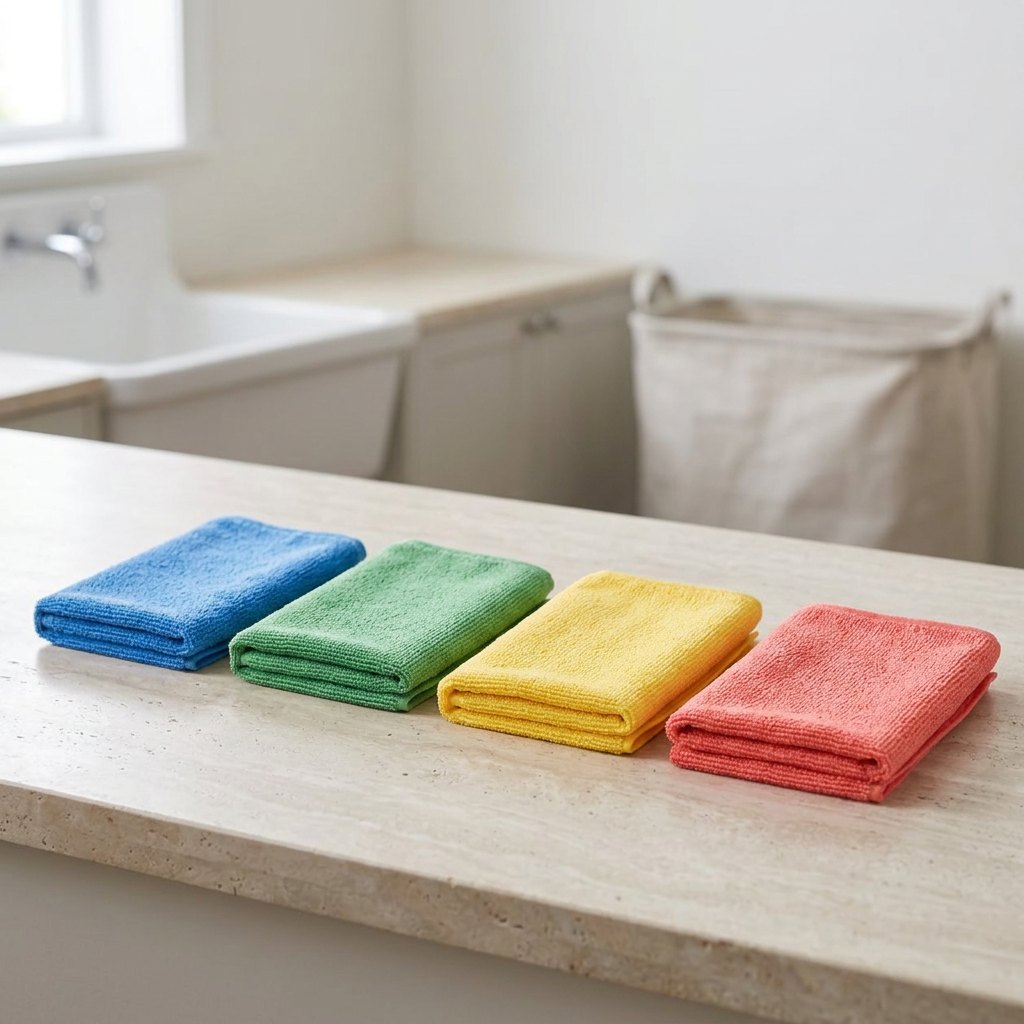
Thoroughly dry every corner, as well as all baskets and drawers, with a clean, dry cloth. Any remaining moisture will instantly turn back into a new layer of frost as soon as the appliance is turned back on, prematurely reducing the efficiency of your cleaning efforts.
Restarting and Troubleshooting
Plug the unit back in and wait until it reaches its set temperature (usually -18°C or 0°F) before returning the food items. Ensure the door seals tightly without any gaps and check that the rubber gasket is not obstructed by debris or deformed by the cleaning process.
If heavy frost returns within two weeks, the door seal or thermostat is likely faulty. In such cases, contact a qualified refrigeration specialist to diagnose the issue and prevent complete compressor failure, which could lead to significant repair costs or appliance replacement.
Regular defrosting is a simple eco-friendly habit that extends the reliability of your freezer while helping you save on energy costs.
Each home has its specifics. A first exchange helps understand your needs before any intervention.
Get in touchQuestion about this article? WhatsAppResources