Resources
Silk: When to Entrust Textiles to a Specialist
Reading · 3 min
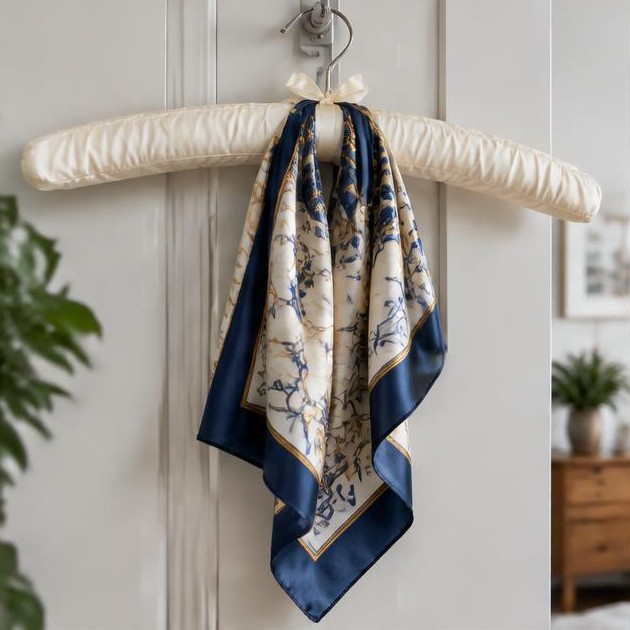
Silk is a delicate protein fiber that requires meticulous attention to maintain its natural luster and suppleness. In climates with varying humidity levels, this noble material can react significantly to its environment, making home care a technical challenge that risks the garment's structural integrity.
Assessing Fabric Fragility
Before handling silk, inspect the weave closely under good lighting. Hand-painted patterns or intricate embroidery are highly prone to dye migration when submerged in water. While a spot test for colorfastness on a hidden seam is a mandatory first step, it does not account for potential structural shrinkage that may occur during a full immersion wash.
Satin finishes often lose their characteristic sheen and smooth texture when exposed to tap water for extended periods. If the garment features internal structures like tailored linings or shoulder pads, professional dry cleaning is the only reliable way to prevent irreversible distortion of the garment's original silhouette and fiber alignment.
Manual Washing Precautions
If the care label explicitly permits manual washing, use only pH-neutral detergents specifically formulated for silk and wool. Keep the water lukewarm—never hot—to prevent permanent fiber breakage. Limit soaking time to under five minutes to prevent the threads from over-expanding, which weakens the overall tension of the weave.
Never scrub localized stains, as this mechanical stress causes permanent light patches known as fibrillation. Avoid all bleaching agents, vinegar, and fabric softeners, which strip the silk of its natural keratin proteins, leaving the fabric brittle, dull, and prone to tearing even under minor physical stress.
Drying and Ironing Techniques
Dry the silk flat on a clean white cotton towel to absorb excess moisture without wringing or twisting the fabric. Direct sunlight or proximity to heat sources will yellow the protein fibers and make them permanently brittle. This thermal damage is cumulative and leads to the premature aging and fraying of the textile over time.
Iron on the reverse side while the fabric is still slightly damp using the lowest heat setting available. Do not use the steam function, as uneven water droplets or mineral deposits from the iron can leave circular water spots that are nearly impossible to remove without re-washing the entire piece according to manufacturer guidelines.
When to Seek Professional Help
Cease all home cleaning attempts if a grease or ink stain persists after a gentle first pass with cold water. Using aggressive chemical stain removers is strictly prohibited, as they can chemically burn through the thin protein fibers. If color fastness is uncertain or the fabric feels stiff, consult a textile specialist immediately.
Professional cleaners utilize specific non-aqueous solvents and tensioning equipment that preserve the garment’s original dimensions and drape. Never attempt to clean antique or vintage silk at home, as aged fibers have lost their elasticity and cannot withstand the mechanical stress of domestic washing cycles or manual handling.
Expert care ensures the lasting beauty and structural integrity of your most precious silk items for years to come.
Each home has its specifics. A first exchange helps understand your needs before any intervention.
Get in touchQuestion about this article? WhatsAppResources