Resources
Post-Renovation: Managing Fine Dust
Reading · 2 min
Construction residues, particularly plaster and concrete dust, are highly volatile and abrasive. Standard cleaning methods often fail and can even damage household appliances.
Capturing Volatile Particles
Before starting, ask the contractor which residues are present and which hazards have been assessed. Dust containing silica, lead or asbestos is not ordinary household cleaning; do not sweep, vacuum or disturb it. A competent professional must make the site safe.
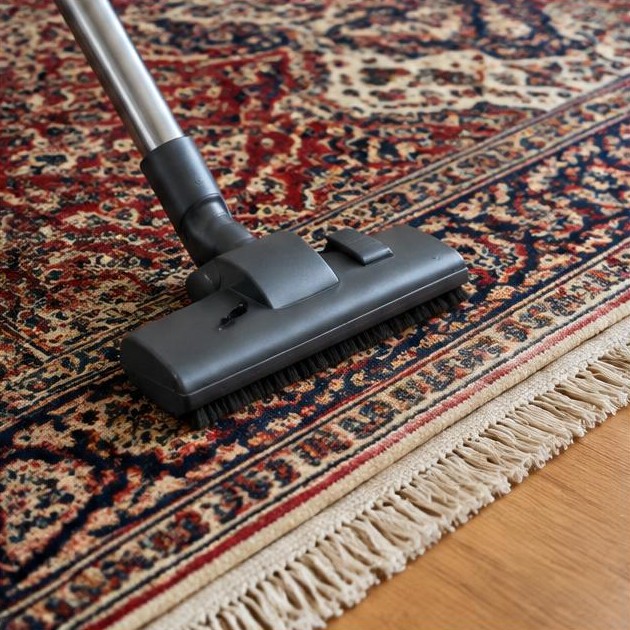
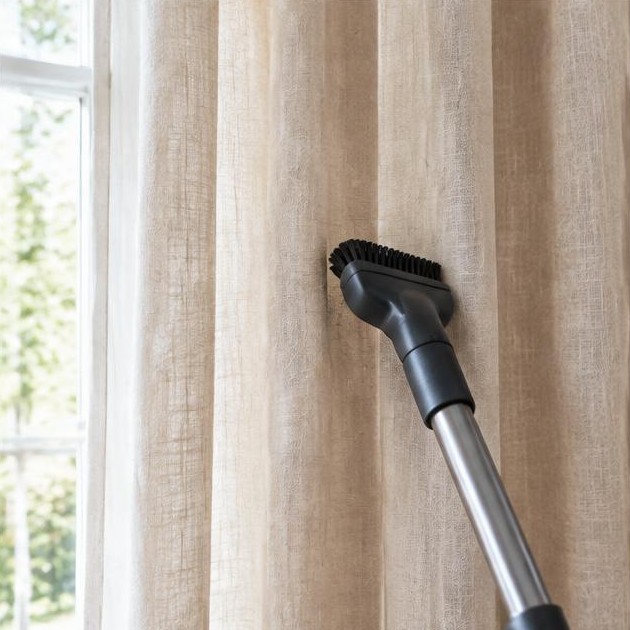
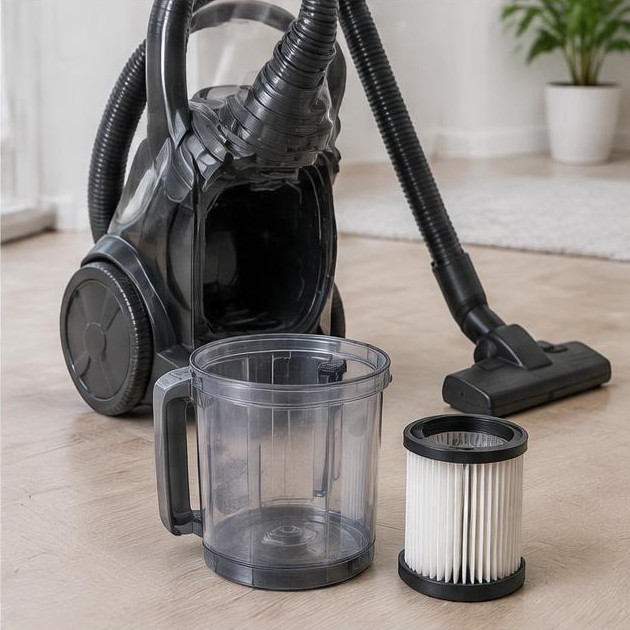
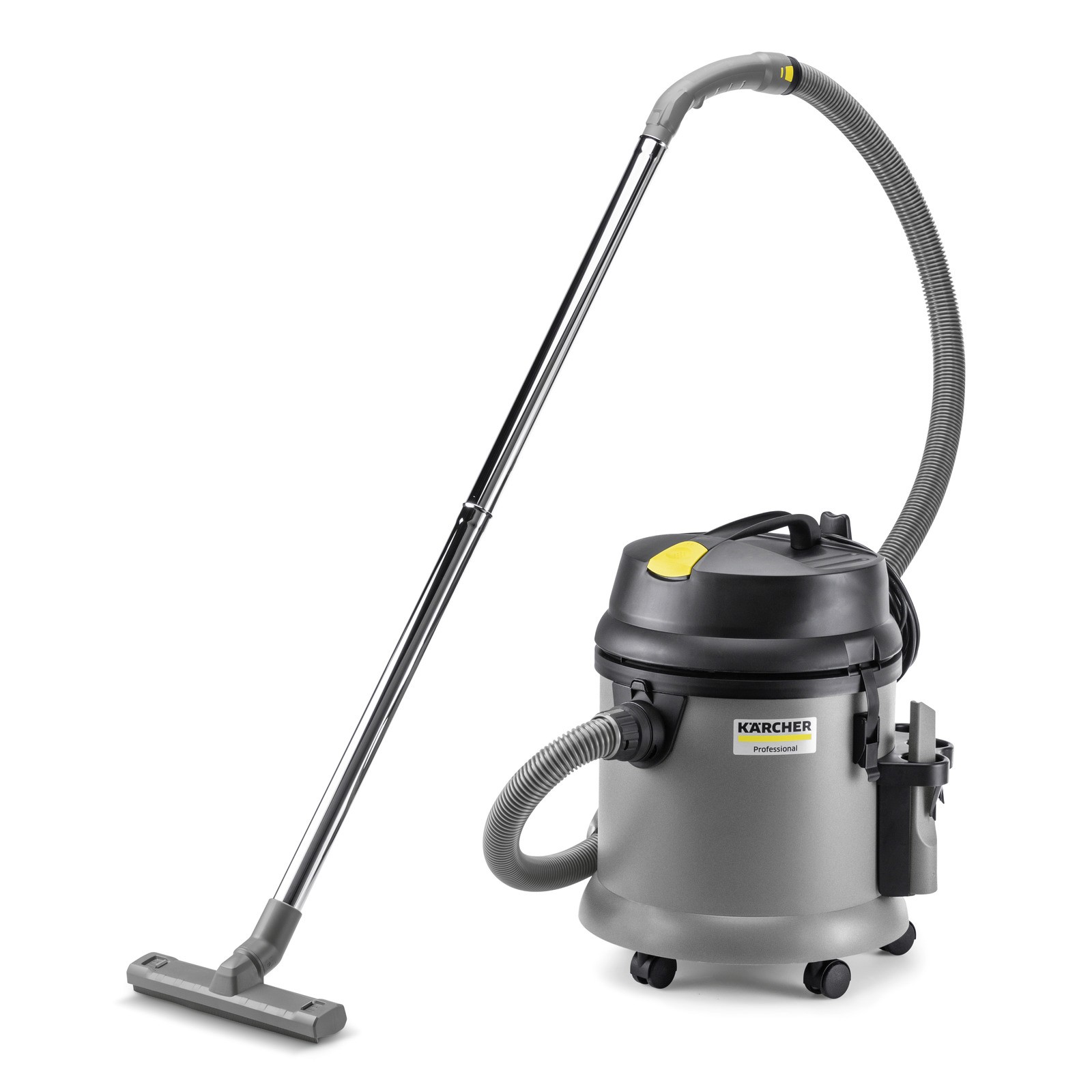
Once hazardous residues have been ruled out, use an extractor suited to the dust and the required filtration class. A HEPA filter alone does not make an appliance suitable for every construction dust. Work from top to bottom without dry-brushing delicate surfaces.
Strategic Wet Cleaning
Never apply water to a heavy layer of plaster dust; this creates a thick, sticky paste that is extremely difficult to remove. Thoroughly vacuum all dry debris before introducing any moisture.
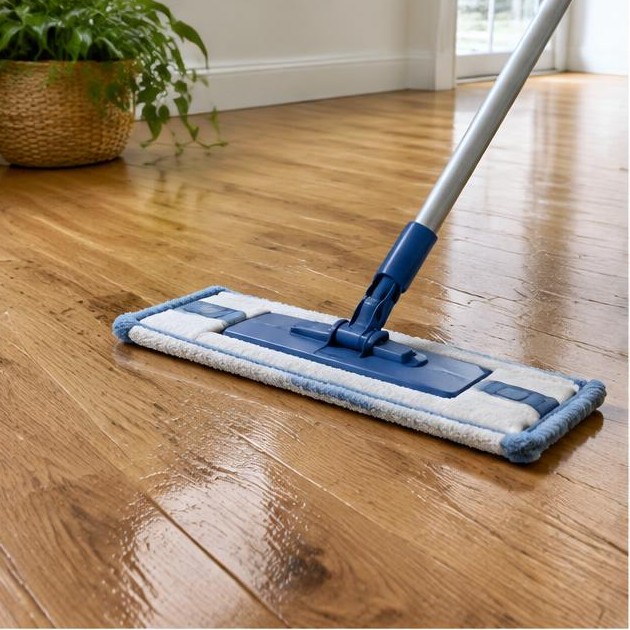
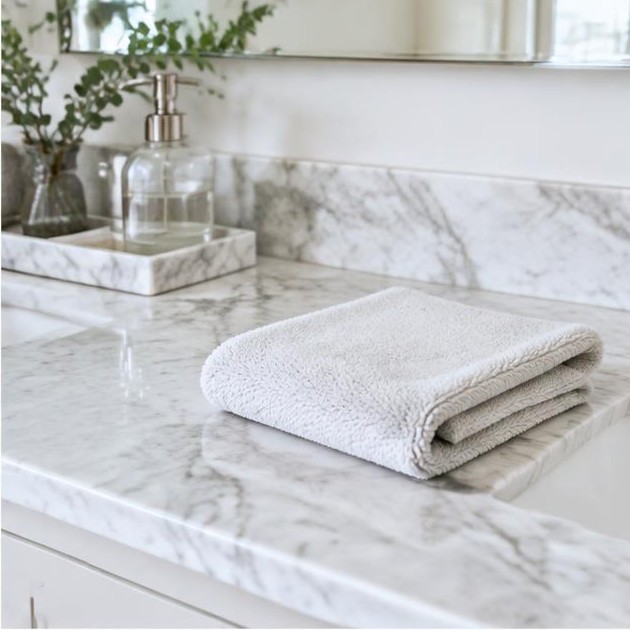
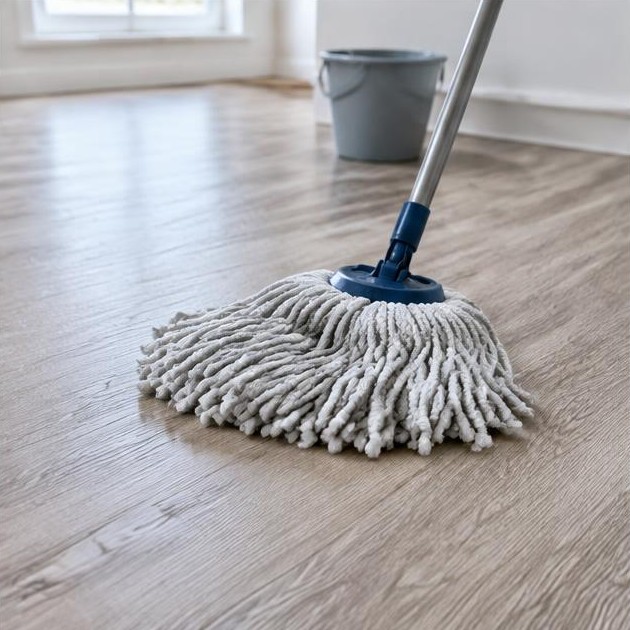
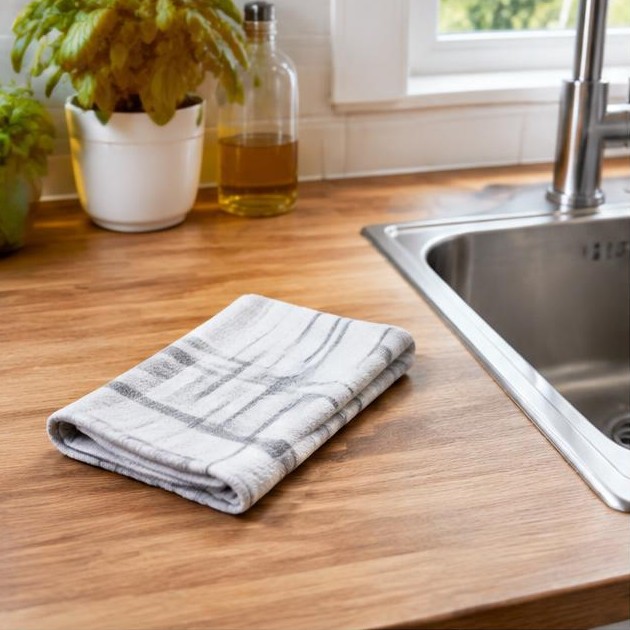
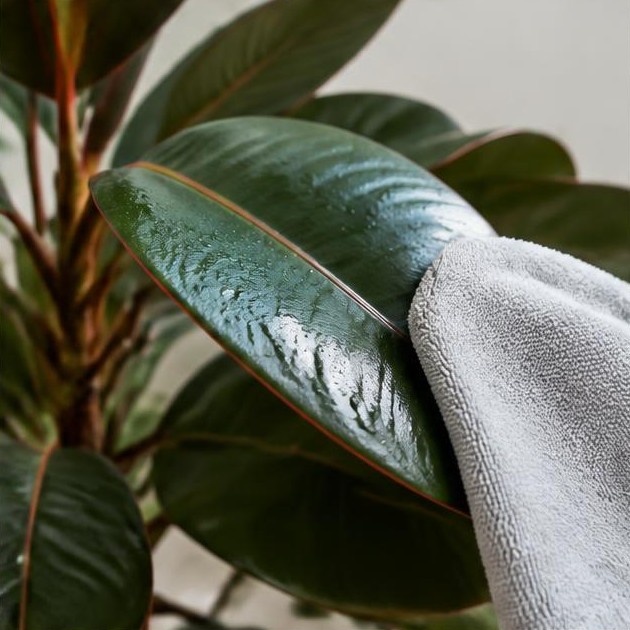
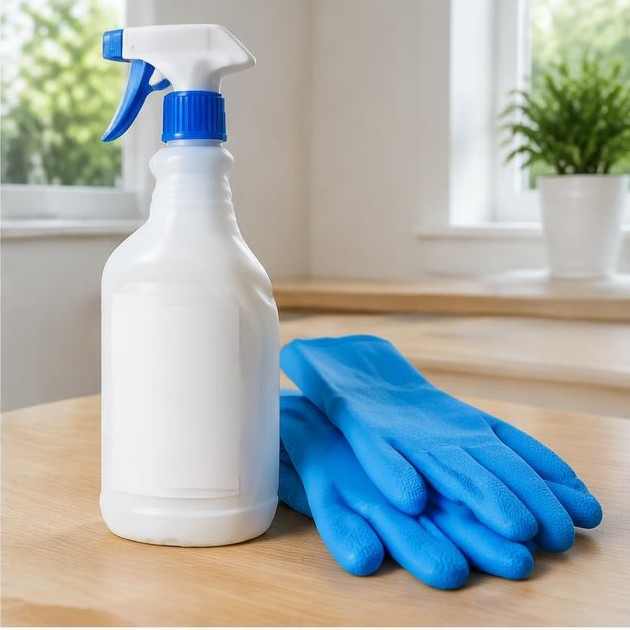
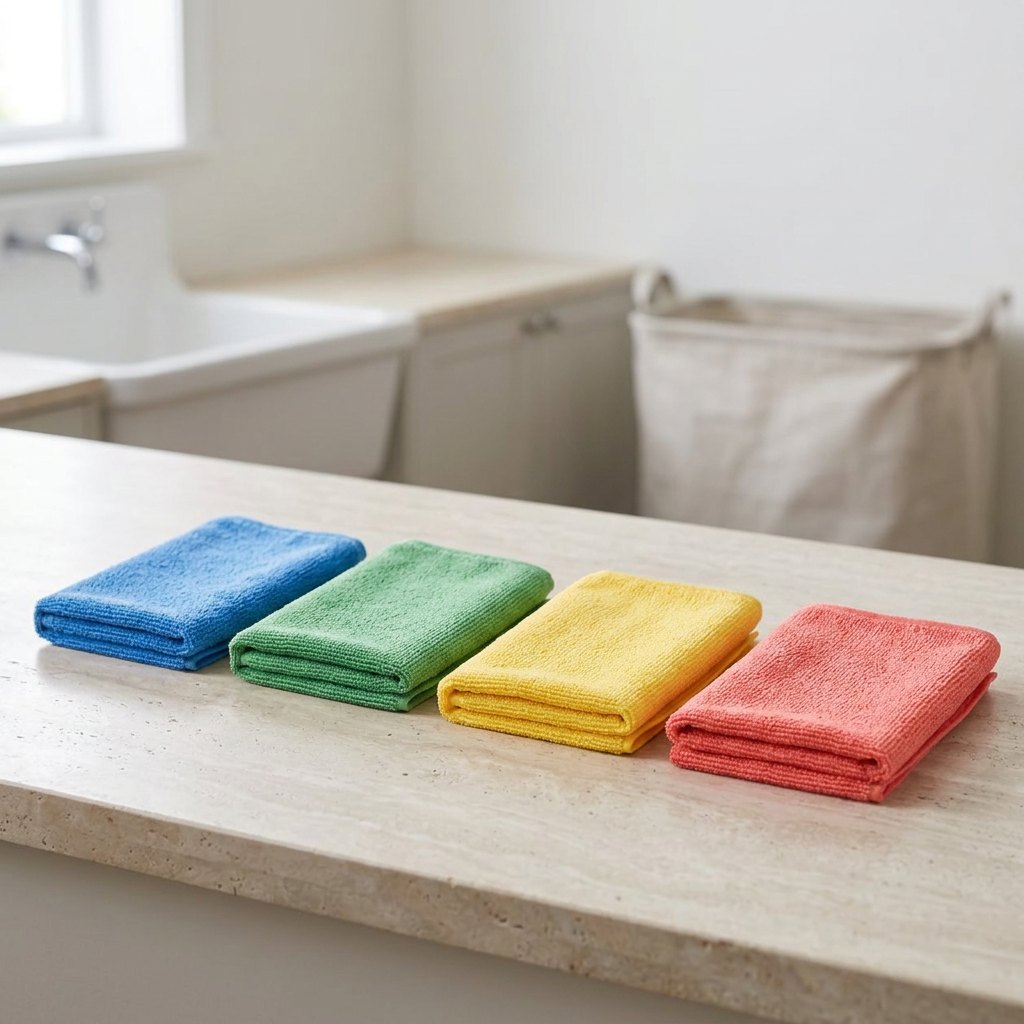
Use damp microfiber cloths and change them frequently. The rinse water must be replaced as soon as it turns cloudy to prevent spreading a thin grey film across your surfaces.
Protecting Delicate Surfaces
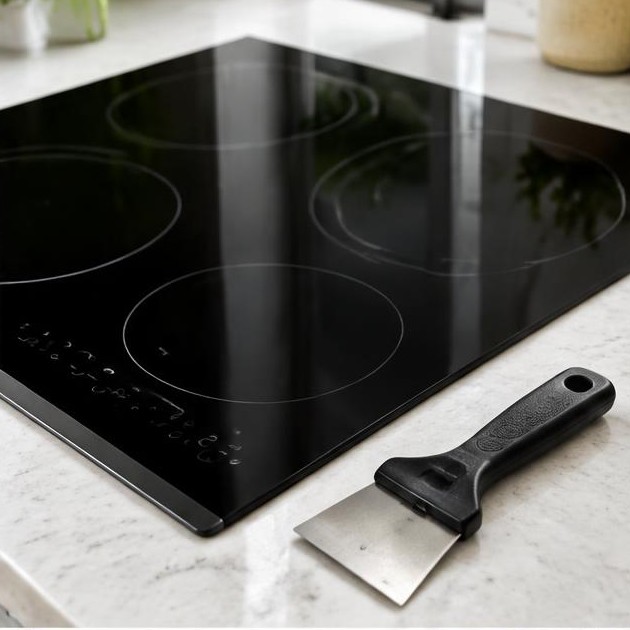
Construction dust is essentially ground stone and is highly abrasive. Avoid wiping glass or high-gloss surfaces with a dry cloth, as the silica particles can leave permanent scratches.
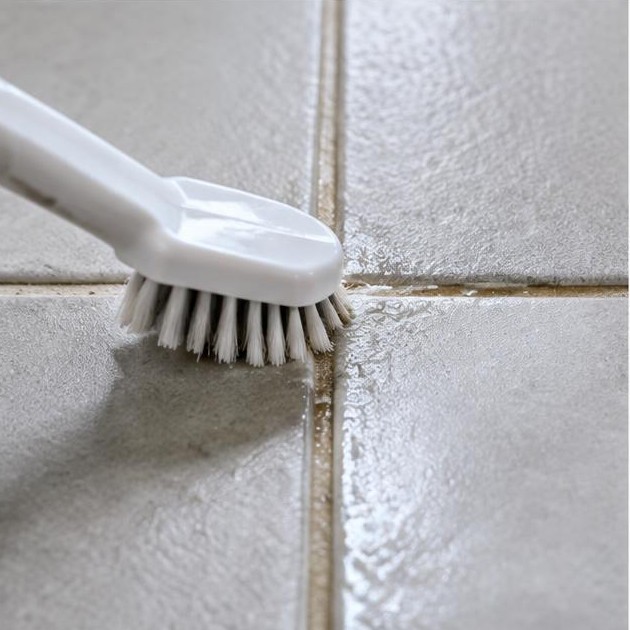
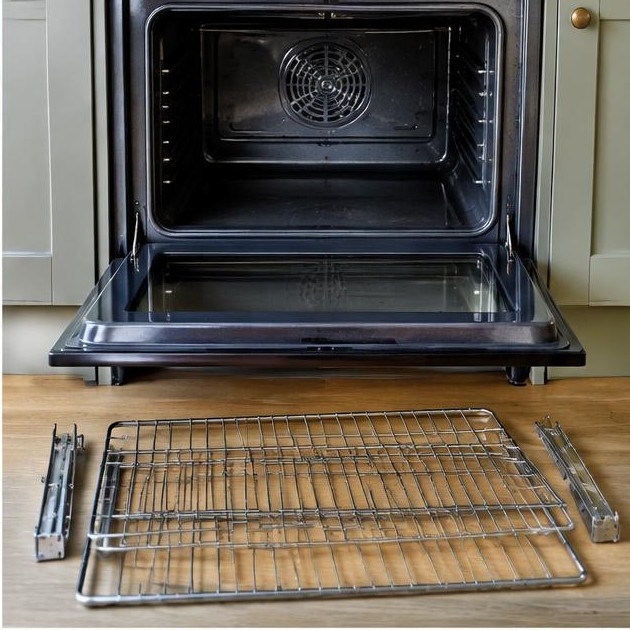
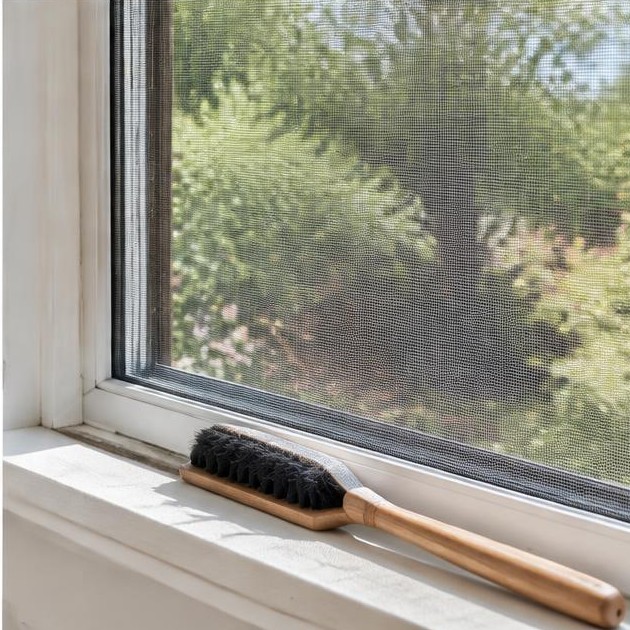
For identified, non-hazardous residues, clean accessible tracks using a soft brush alongside suitable extraction. Do not use compressed air: it suspends particles and spreads them into neighbouring rooms.
When to Seek Specialist Help
A persistent film may be a deposit or damage to the surface. Do not keep adding treatments: identify the material and ask the contractor for a compatible method. Acids can damage stone and grout.
If you encounter unidentified chemical spills or hardened adhesives, do not use harsh solvents blindly. If you suspect old materials may contain asbestos, stop immediately and call a certified hazardous material professional.
Removing post-construction dust requires systematic effort, but it is the only way to ensure a healthy living environment.
Each home has its specifics. A first exchange helps understand your needs before any intervention.
Get in touchQuestion about this article? WhatsAppResources