Resources
Removing Deposits in a Kettle
Reading · 3 min
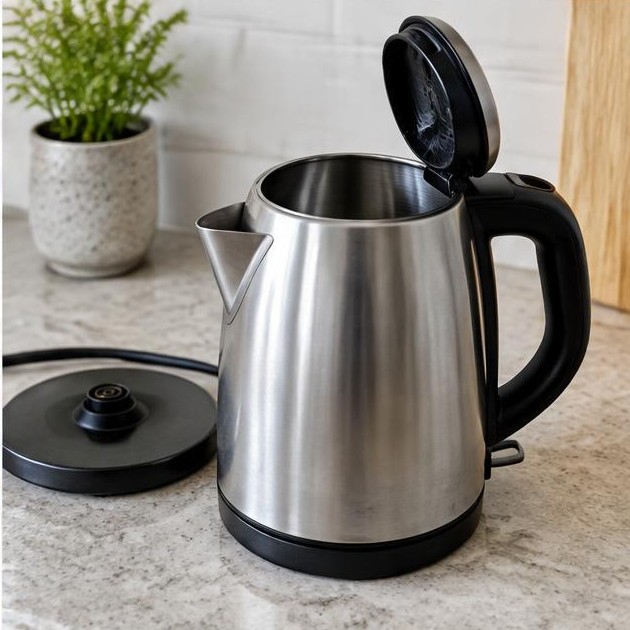
Mineral deposits, or scale, form quickly inside electric kettles, slowing down boiling times and affecting water clarity. Removing these deposits safely restores heating efficiency and ensures pure-tasting water for your beverages. Regular maintenance is not just about aesthetics; it prevents the heating element from overheating and failing prematurely due to the insulating layer of minerals.
Acidic Cleaning Method and Safety
Fill the kettle with a solution of water and citric acid or a specialized kettle descaler according to the manufacturer's ratio. Heat the solution to a boil, then switch off the appliance and let it sit for at least 20 minutes to break down the crusty mineral buildup. This passive soaking method is the safest way to clean without damaging the internal surfaces.
Ensure the room is well-ventilated during the heating process to avoid inhaling concentrated steam. Do not leave the boiling solution unattended, and clearly inform other household members that the kettle contains a cleaning mixture. For kettles with delicate finishes, test a drop of the solution on a hidden area first to ensure it does not cause discoloration.
Spout and Mesh Filter Maintenance
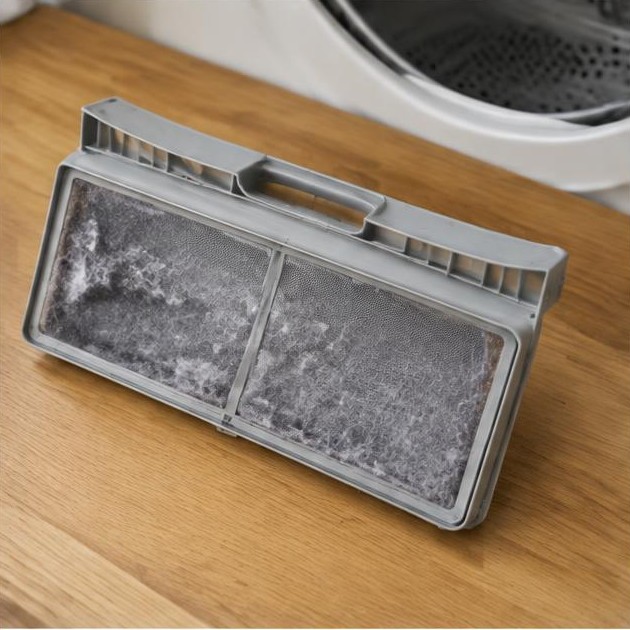
Most electric kettles feature a scale filter located inside the spout. Carefully remove it and rinse under a tap, using a soft nylon brush to clear away any trapped flakes that could restrict the flow of water. If the filter is stuck due to heavy calcification, do not force it; instead, let it soak in the descaling solution until the minerals dissolve naturally.
Never use abrasive pads or metal scrapers on the filter, as a damaged mesh will allow limescale particles to pass through into your drinks. If you notice the filter is torn or the plastic frame is brittle, order a replacement part from the manufacturer. A clean filter is essential for a steady, splash-free pour when serving hot beverages.
Rinsing for Food Safety and Electrical Protection
After discarding the descaling liquid, rinse the interior several times with fresh cold water to remove all traces of the cleaning agent. Boil a full kettle of clean water at least twice and discard it to ensure no acidic residue remains trapped near the heating element or seals. This ensures your water is safe for consumption and free from any chemical aftertaste.
Carefully check that no liquid has dripped onto the electrical base or the power pins underneath the kettle. If the base becomes wet, dry it thoroughly with a clean towel and allow it to air-dry before plugging it back in. Never submerge the kettle body or its power base in water, as this poses a severe risk of electrical arcing or permanent damage to the circuit.
Protecting the Heating Element and Limits
Avoid using knives or steel wool to scrape scale off the bottom plate, as this can damage the protective coating and lead to rust or premature failure. Gentle chemical dissolution is the only recommended method for modern appliances. For very heavy build-up, it is better to repeat the soaking process multiple times rather than attempting to remove it by force.
If the kettle turns off before the water reaches a boil or if you notice a burning smell from the base, the internal thermostat or wiring may be faulty. In these cases, discontinue use immediately. Do not attempt to repair the electrical cord or bypass safety switches. For safety reasons, kettles with damaged electrical components should be replaced by a qualified professional or discarded.
Regularly removing deposits keeps your kettle running silently and efficiently for years.
Each home has its specifics. A first exchange helps understand your needs before any intervention.
Get in touchQuestion about this article? WhatsAppResources