Resources
Washing and Drying a Duvet Thoroughly
Reading · 2 min

Proper duvet maintenance is vital for sleep hygiene. Whether down-filled or synthetic, an improperly dried duvet can develop internal mold that is invisible yet highly allergenic, potentially compromising indoor air quality and respiratory health.
Checking Machine Capacity
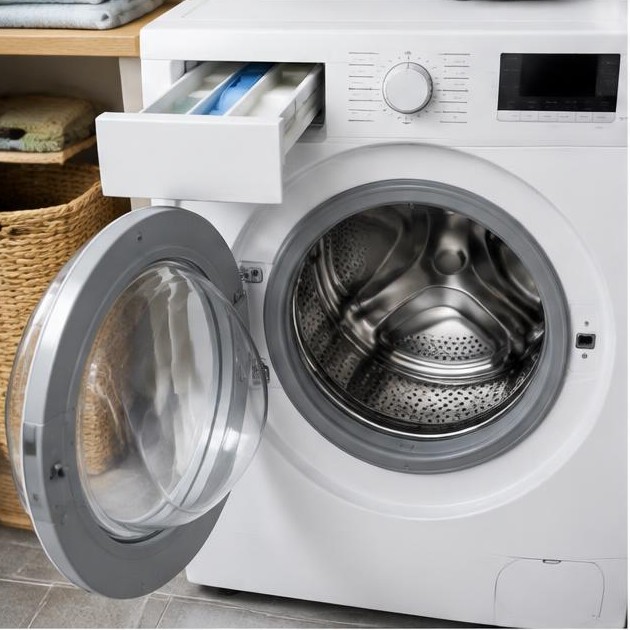
Before starting, ensure your washing machine drum allows the duvet to move freely without excessive compression. If the duvet is forced into the machine, rinsing will be ineffective, and detergent residues will remain trapped deep in the filling, leading to skin irritation and unpleasant lingering odors.
For a double duvet, a minimum 10kg capacity machine is usually recommended for safety and efficiency. Scrupulously inspect all seams and corners to prevent filling from escaping during the cycle, which could irreparably damage your appliance's drainage system and internal pump.
The Optimal Washing Process
Use a moderate dose of gentle liquid detergent, which rinses out more effectively than powder through multiple layers of fabric. For feather or down duvets, place two or three dryer balls (or clean tennis balls) in the drum to prevent the natural filling from clumping into compact blocks during the agitation cycle.
Select a long rinse program to ensure the total removal of surfactants. Avoid excessively high temperatures that shrink synthetic fibers or denature the oils in natural down. Moderate spinning is necessary to remove bulk water without breaking feathers or putting undue stress on the outer shell's stitching.
Drying: The Critical Phase
Tumble drying is the preferred method for restoring loft and insulation. Set several short cycles at medium heat rather than one long, high-temperature cycle. Between each cycle, remove the duvet to shake it vigorously and manually redistribute any damp filling clumps that may have formed.
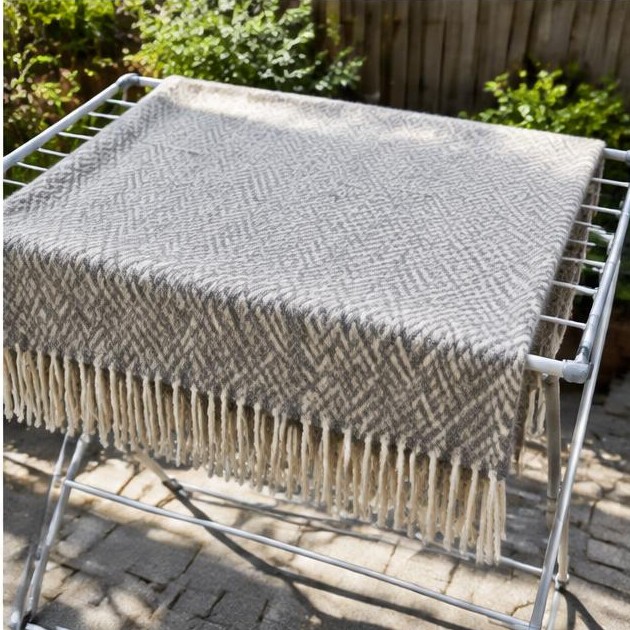
If air drying, use a broad flat frame that allows for total air circulation on both sides. Avoid hanging the duvet by its corners, as the weight of the water pulls on the fibers and distorts the shape permanently. Flip and shake it every two hours until all traces of internal moisture have vanished.
Identifying Moisture Risks
Never place a duvet back on a bed if it emits a wet dust smell or if you feel cold, dense lumps to the touch. This indicates the core is still damp, promoting rapid bacterial growth and mildew. If the filling remains clumped after the drying process, the thermal insulation volume is lost.
If your domestic equipment is too small for complete drying within 24 hours, take the duvet to a laundromat with industrial dryers or a professional cleaner. A duvet that remains damp for too long often must be discarded as the musty smell becomes permanent and the filling degrades.
A perfectly dry duvet ensures healthy thermal comfort and maximizes the longevity of your bedding investment.
Each home has its specifics. A first exchange helps understand your needs before any intervention.
Get in touchQuestion about this article? WhatsAppResources