Resources
Basement Storage: Avoiding Moisture Contact
Reading · 2 min
Savoyard basements are subject to significant seasonal hygrometric variations. Protecting your belongings requires an effective insulation strategy against cold walls and rising damp. Methodical organization helps prevent irreversible damage to your stored items while maintaining healthy air circulation throughout the space.
Systematic Elevation
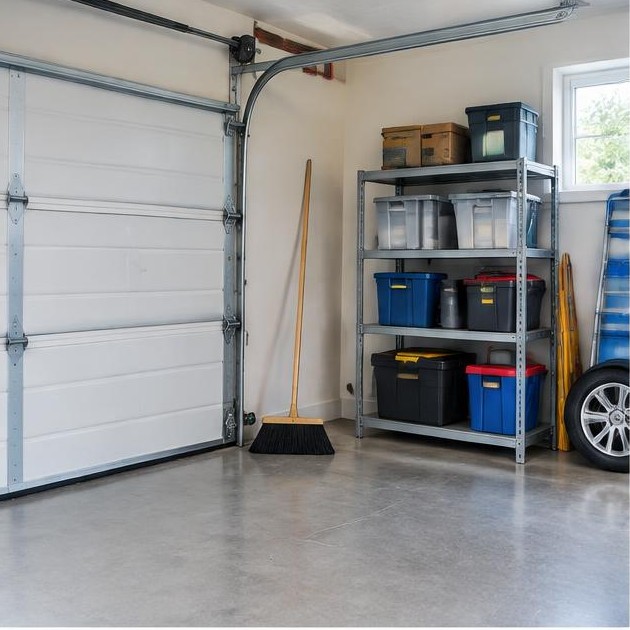
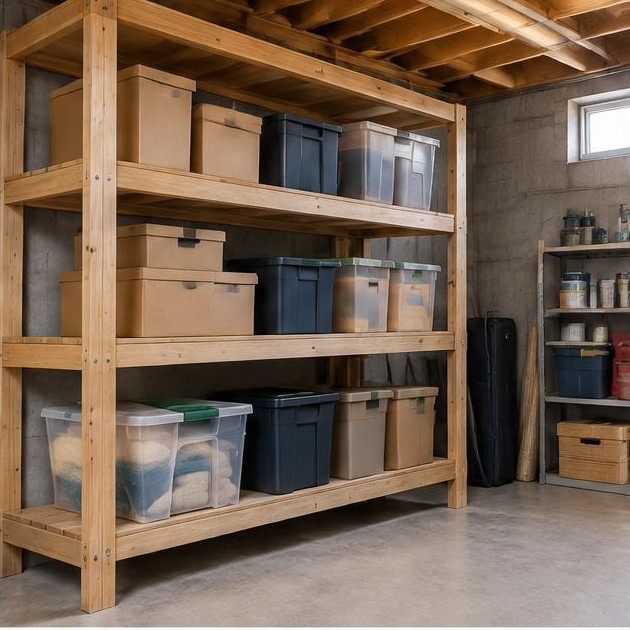
Never place objects directly on the basement floor, even if they are in plastic bins. Use rot-proof plastic pallets or heavy-duty shelving units installed at least 15 cm off the ground. This ground clearance is crucial for allowing air to circulate freely under your belongings, thereby preventing stagnant condensation from forming.
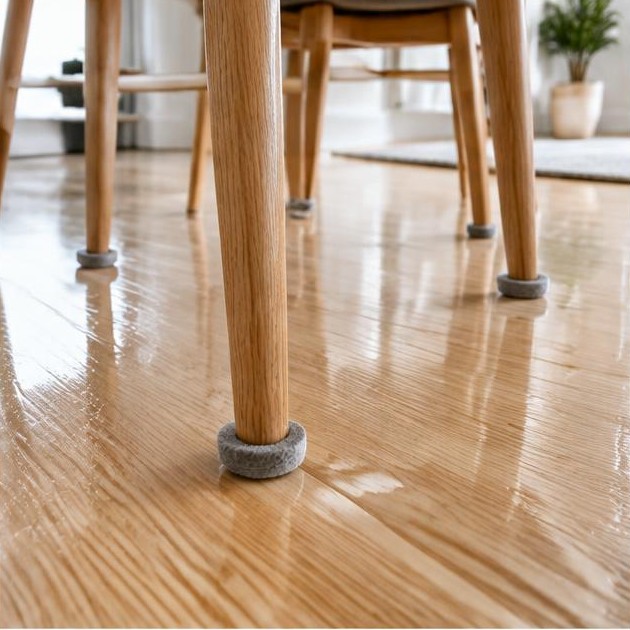
This setup also facilitates the quick detection of any water infiltration or potential leaks. In the event of minor flooding, your items remain safely out of reach of the water. Ensure that shelf feet are equipped with protective pads if the material is sensitive to oxidation or residual moisture from the floor surface.
Peripheral Wall Spacing
It is imperative to leave a gap of 5 to 10 cm between your shelves and the exterior walls. Direct contact encourages moisture transfer via capillarity from the walls to your belongings and promotes fungal growth. Continuous airflow behind storage units is the best natural way to regulate surface humidity levels.
Prioritize structures made of galvanized steel or high-density resin. Untreated wood or particle boards absorb ambient moisture, warp, and can rot prematurely, potentially contaminating your items with mold spores. If you must use wood, ensure it has received an appropriate and tested fungicidal treatment before installation.
Textile and Paper Management
For documents, archives, or clothing, use exclusively vacuum-sealed bags placed inside rigid airtight boxes. Paper and natural fibers attract moisture and quickly become breeding grounds for odorous mold. This double protection ensures total insulation against the damp basement air and protects against pests.
Check the contents of these containers at least twice a year, ideally during the spring and autumn seasonal transitions. Ensure that no internal condensation has formed due to sudden temperature changes. If a garment feels damp, remove it from the basement immediately to dry it in a well-ventilated room.
Warning Signs and Intervention
If you notice the appearance of saltpeter (white crystalline deposits) or persistent ammonia-like smells, immediately increase mechanical or natural ventilation. Never apply waterproof paint or sealing products without a prior professional diagnosis, as this can trap moisture inside the walls and worsen structural damage over time.
In case of actual flooding or streaming walls, avoid all contact with electrical installations such as outlets and switches. Seek a technical drying expert before handling your belongings to assess health risks. Never attempt to modify the basement's plumbing or drainage systems without the necessary professional qualifications.
Rigorous basement organization durably preserves the value of your assets against Alpine climatic challenges.
Each home has its specifics. A first exchange helps understand your needs before any intervention.
Get in touchQuestion about this article? WhatsAppResources