Resources
Maintaining Toilets by Separating Equipment
Reading · 2 min
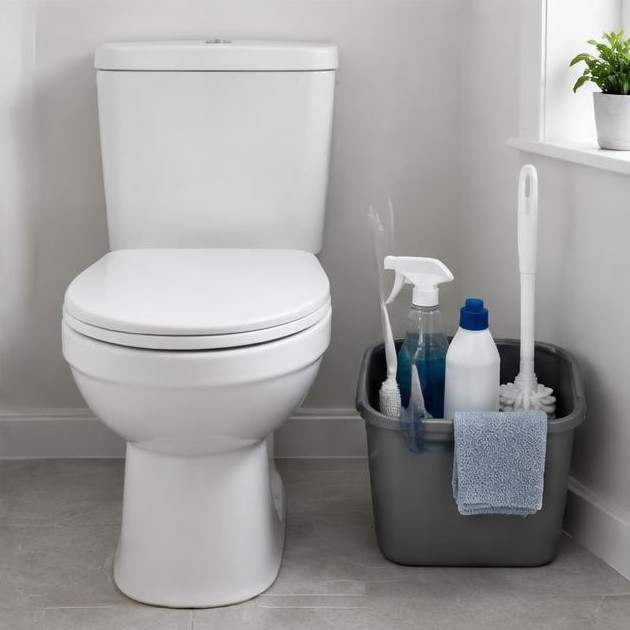
Toilet hygiene relies on a fundamental rule: equipment sectorization. To prevent cross-contamination, every tool must have a unique and strictly delimited use for each specific area.
Color Coding and Sectorization
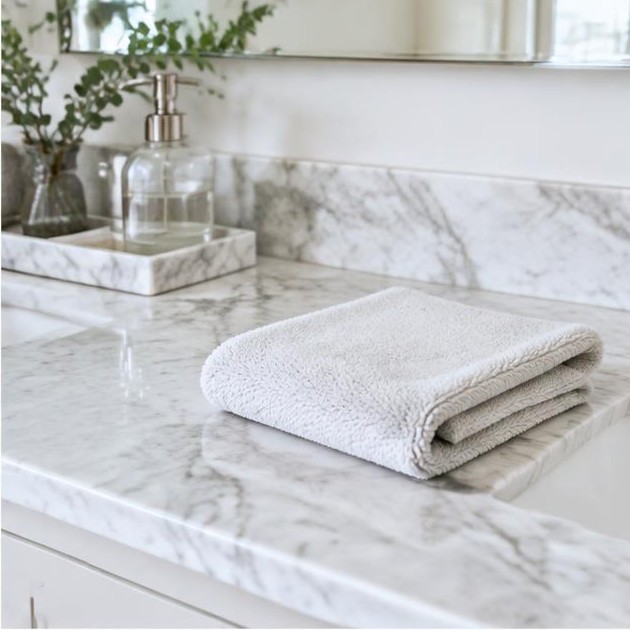
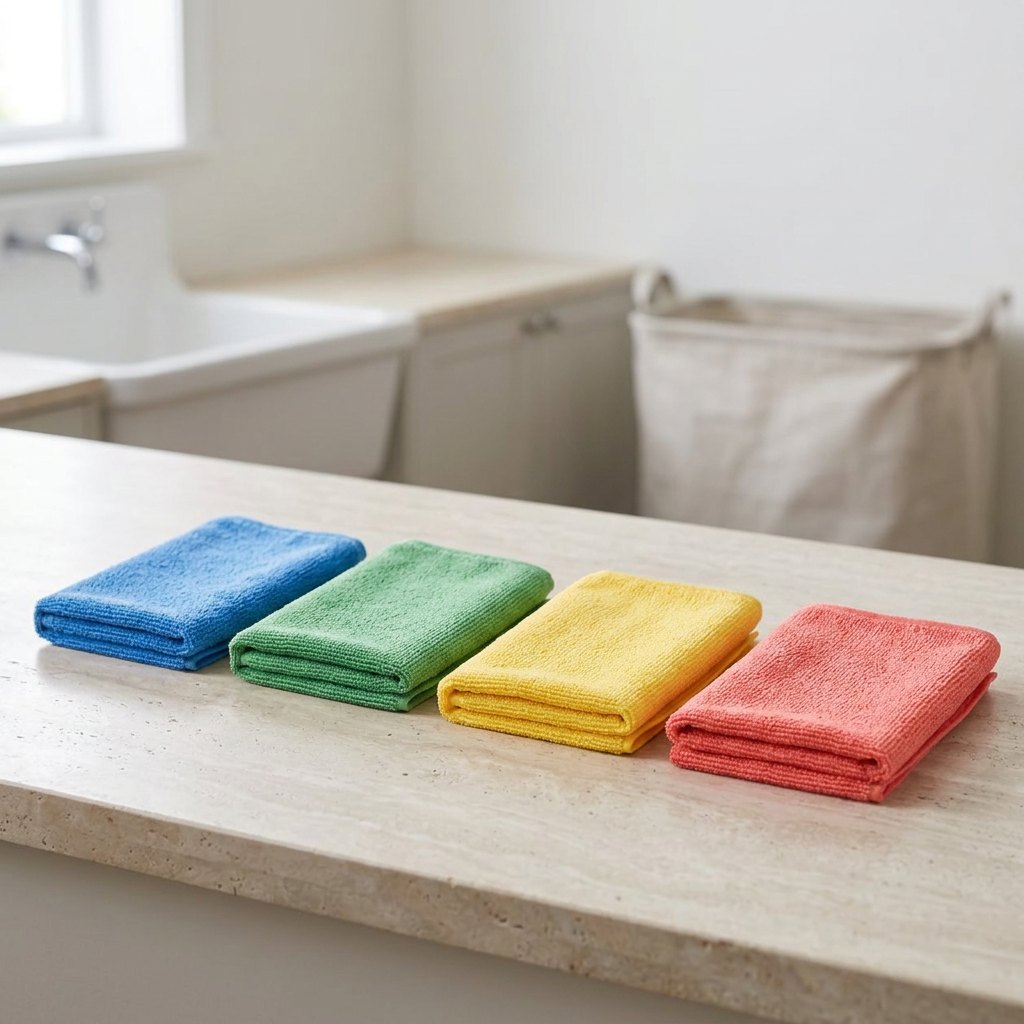
Use distinct colored cloths to identify zones: one for the exterior of the bowl and tank, and another exclusively for the lid and seat. This method prevents the transfer of germs between different sanitary surfaces.
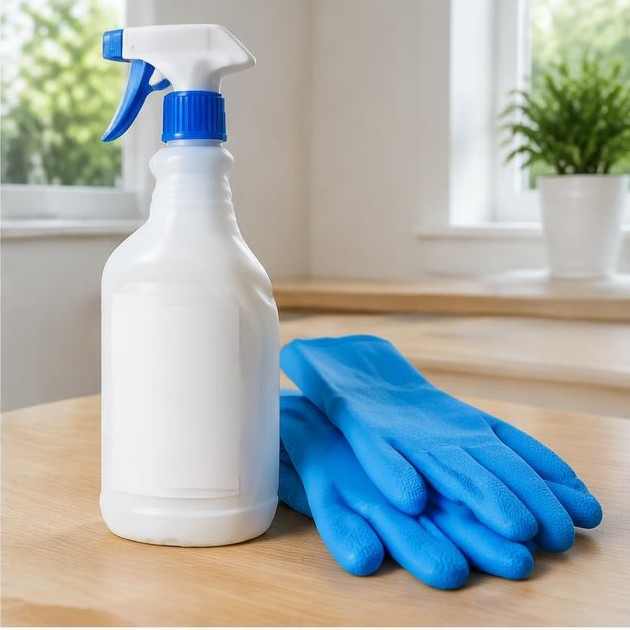
Store this equipment in a dedicated caddy, separate from sponges used for the rest of the bathroom. The use of nitrile or rubber protective gloves is mandatory when handling any cleaning products to protect your skin.
Cleaning the Inner Bowl
Apply cleaning gel under the rim of the bowl and let it sit for the duration recommended by the manufacturer. Use the toilet brush to scrub the sides without splashing surrounding areas, then flush to rinse the surface.
Caution: never mix an acidic descaler with bleach. This combination produces chlorine gas, which is highly toxic. Always work in a well-ventilated room and perform a spot test on a discreet area of the ceramic.
Contact Points and Buttons
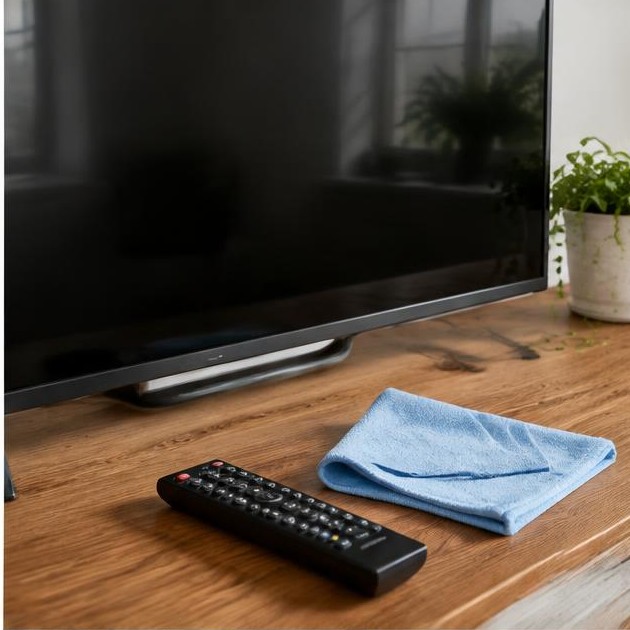
The flush button and door handle are the areas most exposed to bacteria. Disinfect them daily with a slightly damp microfiber cloth and a multi-surface cleaner suitable for the materials (metal, plastic, or wood).
Avoid saturating flush mechanisms with liquid products that could seep inside. Excessive liquid risks damaging the mechanical components or external seals of the push-button assembly over time.
Managing Obstructions
If water drains slowly, prioritize the use of a suitable manual plunger. Never insert rigid metal objects like hangers, which could indelibly scratch the ceramic finish or puncture PVC drainage pipes.
In the case of a persistent clog, stop all manual attempts. Excessive use of chemical drain cleaners can cause dangerous thermal reactions or damage older plumbing. Call a professional sanitation service for a safe and effective intervention.
Rigorous organization of equipment and adherence to chemical safety rules are key to a healthy and safe sanitary environment.
Each home has its specifics. A first exchange helps understand your needs before any intervention.
Get in touchQuestion about this article? WhatsAppResources